
Learn essential countersinking techniques and tools for wood metal and composites to achieve flush professional screw finishes with ease.
What Is Countersinking Understanding the Fundamentals
Ever struggled with screws that stick out or don’t sit flush? That’s where countersinking comes in. Countersinking is drilling a conical hole that allows a screw head—usually flathead—to sit flush with or below the surface. This creates a smooth, clean finish and improves both appearance and function.
The Anatomy of a Countersink Hole
A proper countersink hole has two main parts:
- Pilot hole: A smaller hole drilled first for the screw’s shaft.
- Conical chamfer: The wider, angled part where the screw head will rest.
The most common countersink angles are 82° and 90°, matching standard screw head shapes.
| Part | Purpose | Typical Size |
|---|---|---|
| Pilot hole | Guides screw shaft | Slightly smaller than screw diameter |
| Conical chamfer | Seats the screw head flush | Matches screw head angle |
Why Countersink Key Benefits for Your Projects
Countersinking offers several advantages:
- Flush screw installation avoids snagging and damage.
- Better load distribution prevents wood or metal from splitting.
- Cleaner, professional look enhances project quality.
- Reduces wear on softer materials by spreading pressure.
Countersink vs Counterbore When to Choose Each
Not sure when to countersink versus counterbore? Here’s a quick comparison:
| Feature | Countersink | Counterbore |
|---|---|---|
| Hole shape | Conical chamfer | Flat-bottomed stepped hole |
| Screw head type | Flathead screws | Hex head, socket head, or cap screws |
| Use case | Flush fastening and aesthetics | Fastening with bolt heads or nuts |
| Common materials | Wood, metal, plastics | Metal fabrication, machinery |
cURL Too many subrequests.
cURL Too many subrequests.
cURL Too many subrequests.
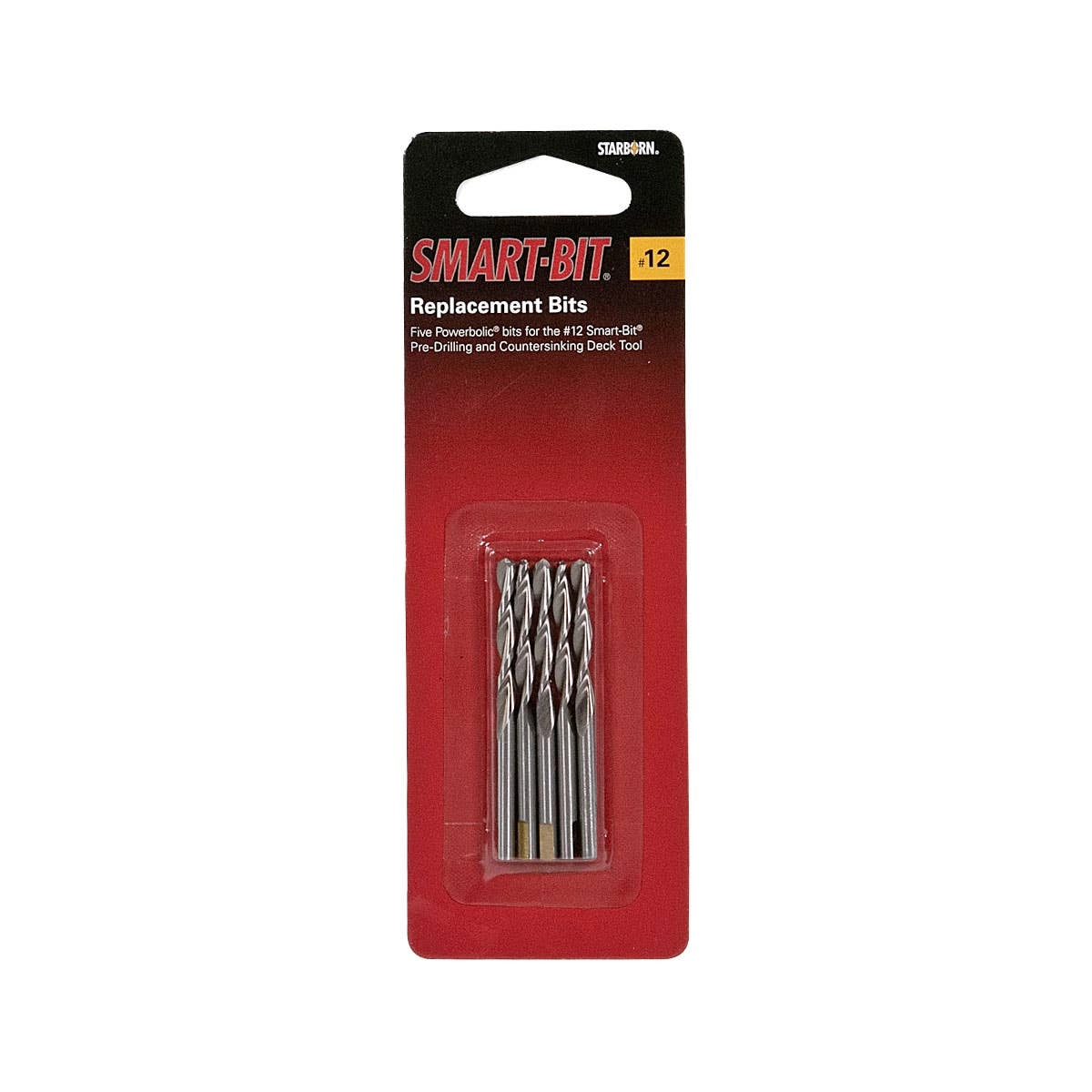
cURL Too many subrequests.
cURL Too many subrequests.
- cURL Too many subrequests.cURL Too many subrequests.
- cURL Too many subrequests.cURL Too many subrequests.
- cURL Too many subrequests.cURL Too many subrequests.
- cURL Too many subrequests.cURL Too many subrequests.
cURL Too many subrequests.
- cURL Too many subrequests.cURL Too many subrequests.
- cURL Too many subrequests.cURL Too many subrequests.
- cURL Too many subrequests.cURL Too many subrequests.
- Deburring Tools: Handy for cleaning up rough edges after drilling.
Selecting the Right Size Matching Bits to Screws
- Look for countersink bits that match your screw size and angle to ensure your flathead screws sit flush.
- If you’re working with wood, pick bits designed for woodworking countersinking—they’re less likely to tear the grain.
- For metal, hardier bits made of high-speed steel or carbide will last longer and handle tougher materials.
Matching your countersink bits to the screw type and size makes all the difference for a smooth, professional finish every time.
Step-by-Step Guide How to Countersink Screws Like a Professional
Preparing Your Workspace and Materials
Start with a clean, well-lit area. Gather your drill, the right countersink bit matching your screw size, pilot drill bit, screws, and safety gear like eye protection. Having everything ready keeps the job smooth and safe.
Drilling the Pilot Hole
Use a pilot drill bit that matches the screw’s core diameter. Drill straight and steady to prevent the screw from splitting the material, especially in wood. This step ensures proper screw grip and alignment.
Creating the Countersink
Attach your countersink bit designed for the screw’s head type—usually an 82° or 90° angle for flathead screws. Slowly drill the conical hole around the pilot hole until the screw head will sit flush with or slightly below the surface. This also deburrs the hole edges for a clean finish.
Installing the Fastener
Place the screw into the hole and use a screwdriver or drill with the right bit to secure it. The countersunk hole should allow the screw to sit flush without damaging the surrounding material. Check for stability and make sure the screw head is smooth and flush to the surface.
Follow these steps carefully, and your countersink work will look sharp and professional every time.
Countersinking by Material Tailored Techniques for Success
Countersinking works differently depending on the material you’re working with. Getting the technique right means better results and fewer mistakes.
Countersinking in Wood DIY Favorites
Wood is one of the easiest materials to countersink, making it a favorite for DIY projects. Use a high-quality countersink bit designed for woodworking to create a clean chamfer. It’s important to drill a pilot hole first, then countersink to avoid splitting the wood. Woodworking countersinking also helps with flathead screw seating, giving your project a neat, flush finish.
Countersinking in Metal and Sheet Stock
When working with metal or sheet stock, precision and the right tools are key. Metal requires countersink bits made of harder materials like high-speed steel or carbide. You’ll want to focus on deburring holes as well—the countersink not only helps screws sit flush but also smooths rough edges that can cause problems later. Angles like 82° or 90° are standard, but always check your screw specs to match properly.
Advanced Composites and Plastics
Countersinking in composites and plastics needs a gentle touch. These materials can crack or chip if you’re too aggressive. Use slower speeds and sharp countersink cutters designed for plastics. Sometimes, a pilot hole countersink with a specialized chamfering tool is necessary to keep edges clean and prevent damage. This approach ensures the screws sit flush without compromising the material’s integrity.
By adjusting your countersinking techniques to the material, you’ll achieve professional-looking results every time.
Troubleshooting Common Countersinking Mistakes and Fixes
Countersinking can seem straightforward, but mistakes happen, especially if you’re new to it. Here are some common problems and how to fix them fast:
1. Countersink too shallow or too deep
- cURL Too many subrequests. Use the right countersink bit size and match the countersink angle (usually 82° or 90°) to your screw’s head. Test on scrap material to get the depth right before working on your project.
2. Screw doesn’t sit flush
- cURL Too many subrequests. Make sure the pilot hole is drilled correctly and the countersink is clean and smooth. Deburr the hole edges with a chamfering tool to ensure the flathead screw seats properly.
3. Material tears or splinters
- cURL Too many subrequests. For wood, slow down your drill speed and avoid forcing the bit. Use sharp countersink bits designed for woodworking countersinking. For metals, use cutting fluid and steady pressure to avoid rough edges.
4. Bit slips or wanders
- cURL Too many subrequests. Start with a pilot hole drilled in the exact spot. Using a countersink bit with a pilot tip helps keep it centered. Clamp down your material to reduce movement.
5. Uneven or rough countersink hole
- cURL Too many subrequests. Check your countersink bit for dullness and replace if needed. Clean cuts lead to better fastener seating and less finishing work.
By paying attention to these common issues, you’ll keep your projects looking clean and professional every time.
Elevate Your Projects with Pro Tips and Next Steps
Taking your countersinking skills to the next level means focusing on precision and tool care. Here are some pro tips to make sure your projects come out clean and professional every time.
cURL Too many subrequests.
- cURL Too many subrequests. cURL Too many subrequests.
- cURL Too many subrequests. cURL Too many subrequests.
- cURL Too many subrequests. cURL Too many subrequests.
- cURL Too many subrequests. cURL Too many subrequests.
cURL Too many subrequests.
- cURL Too many subrequests. cURL Too many subrequests.
- cURL Too many subrequests. cURL Too many subrequests.
- cURL Too many subrequests. cURL Too many subrequests.
- cURL Too many subrequests. cURL Too many subrequests.
cURL Too many subrequests.
 Spanish (Peru)
  English
  German
  Korean
  Spanish (Spain)
  Italian