
Explore expert insights on medical product development from concept to FDA approval with practical tips on design, validation, and market launch.
Phase 1 Concept Ideation and Feasibility Assessment Laying a Compliant Foundation
The first phase of medical product development is all about turning initial ideas into a solid, compliant foundation. This phase starts with identifying unmet needs in the healthcare market. In-depth market research combined with stakeholder interviews—including clinicians, patients, and payers—helps uncover real problems worth solving.
Next, define the Target Product Profile (TPP). This includes user requirements, performance specifications, and a thorough competitive analysis. A clear TPP guides design decisions and regulatory planning, ensuring the product meets both user needs and compliance standards from the outset.
Early feasibility studies evaluate the technical viability of your concept. This involves prototyping, material assessments, and identifying possible engineering or clinical challenges. Simultaneously, intellectual property (IP) scouting helps avoid infringement risks and explores patent opportunities. Conducting a preliminary risk assessment aligned with ISO 14971 standards is essential here. It ensures safety risks are identified early and mitigation strategies are in place.
Actionable Checklist for Target Product Profile Creation
- Define clinical need and user environment
- Specify key performance criteria and safety requirements
- Benchmark competitor devices and industry standards
- Align product features with regulatory pathways (FDA, EU MDR)
- Incorporate feedback from early stakeholder reviews
Case Study Diagnostic Tool Ideation
A startup developing a rapid diagnostic tool used this phase to pinpoint gaps in current testing speed and accuracy. Through user interviews, they refined their TPP emphasizing ease of use and quick results. Early risk analysis under ISO 14971 flagged potential biohazard concerns, steering material selection early. This proactive approach laid a compliant foundation, streamlining later FDA 510(k) submission and clinical validation steps.
Starting with a strong concept ideation and feasibility phase minimizes costly redesign later. It creates a clear roadmap, balances innovation with compliance, and sets your medical product up for success in the competitive US market.
Phase 2 Design and Prototyping Transforming Ideas into Tangible Solutions
In this phase of medical product development, we turn concepts into real prototypes that we can test and improve. Listening to the voice of the customer is crucial—using surveys and feedback helps us refine design inputs regularly. At the same time, we make sure our designs follow the right rules, whether that’s meeting FDA Class II/III device requirements or aligning with the EU MDR.
For prototyping, we rely on rapid 3D printing, simulation modeling, and integrating human factors to make sure the device fits how people will actually use it. Following FDA human factors engineering (HFE) guidelines ensures safety and usability are built right in from the start.
Verification testing is key here. We run benchtop trials to check if the device works as planned and meets biocompatibility standards like ISO 10993. Early usability testing helps catch user issues before getting too far along.
Using simple low-fidelity prototypes early on keeps costs down and speeds up learning, while design freeze milestones keep the process on track. This balanced approach gets us closer to a safe, effective product that fits the needs of US markets and regulatory demands.
Phase 3 Validation Clinical Evaluation and Risk Management Proving Real-World Efficacy
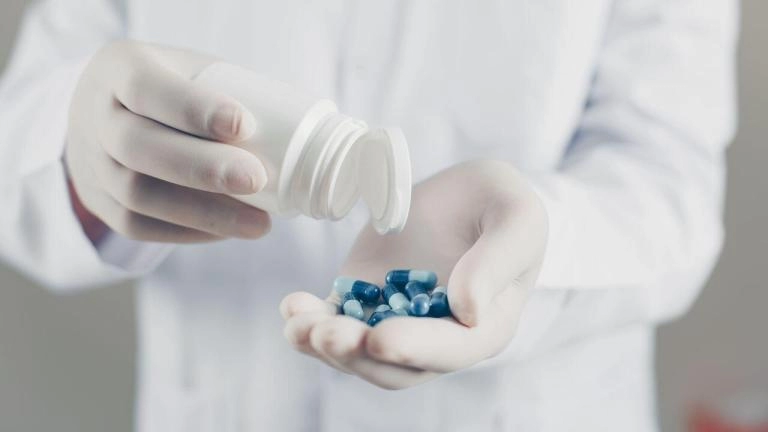
At this stage in medical product development, we focus on proving that the device works as intended in real-world settings. Design validation is key—this means running simulated use tests and clinical trials. We differentiate between pilot trials, which are smaller and help refine the product, and pivotal trials that provide the critical data needed for approval and market entry.
A big part of this phase is comprehensive risk analysis. We use tools like FMEA (Failure Mode Effects Analysis) cURL Too many subrequests.
cURL Too many subrequests. cURL Too many subrequests. cURL Too many subrequests. cURL Too many subrequests. cURL Too many subrequests. cURL Too many subrequests. cURL Too many subrequests.
cURL Too many subrequests.
cURL Too many subrequests.
- cURL Too many subrequests.
- cURL Too many subrequests.
- cURL Too many subrequests.
- cURL Too many subrequests.
- cURL Too many subrequests.
cURL Too many subrequests.
cURL Too many subrequests.
cURL Too many subrequests.
cURL Too many subrequests.
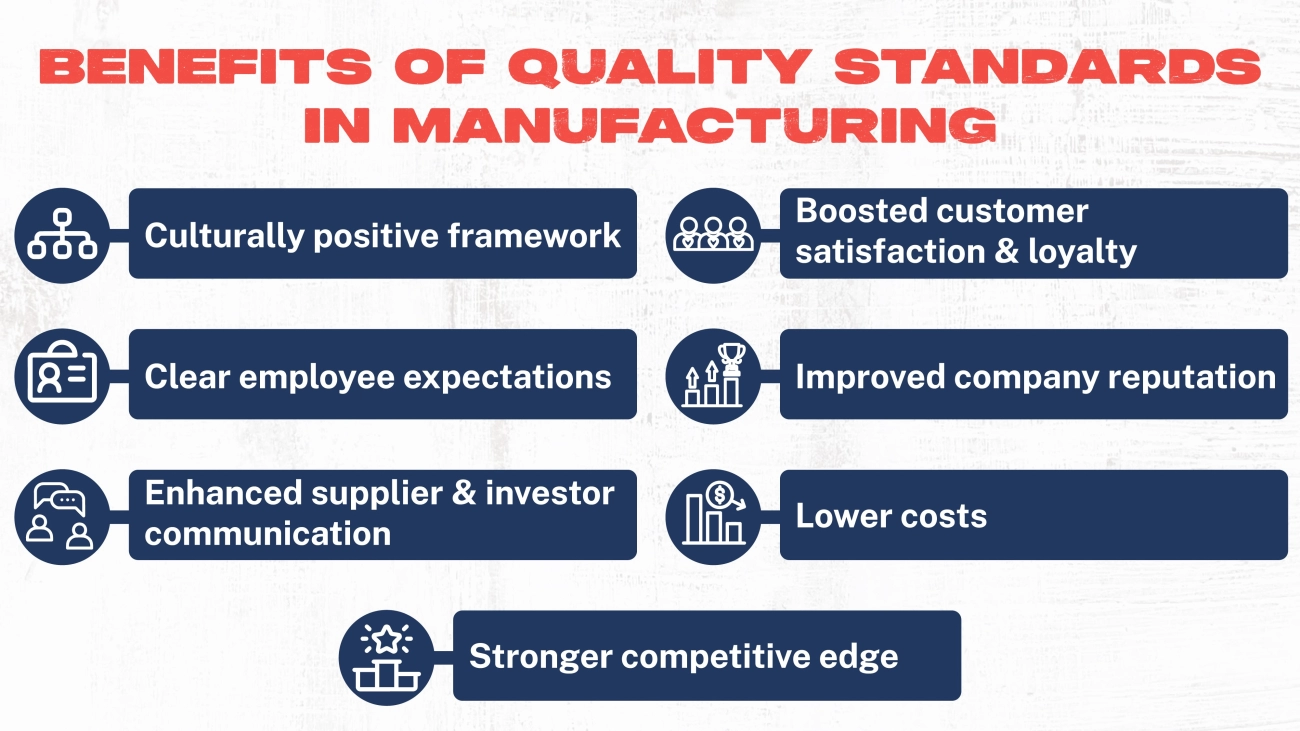
Your Quality Management System (QMS) must meet ISO 13485 standards. Implementing a robust QMS helps manage deviations through CAPA (Corrective and Preventive Actions) to avoid recurring problems and keep audits clean.
To stay on track, use a vendor qualification scorecard. This tool helps evaluate and monitor suppliers to ensure they meet your quality and delivery standards consistently.
A great example is the successful scale-up of a wearable medical device from prototype to 100,000 units. Their team streamlined design transfer, secured trusted suppliers, and maintained strict ISO 13485 compliance, ensuring a smooth market launch without quality hiccups.
This phase builds the foundation for reliable, compliant large-scale production—critical to the long-term success of any medical product.
Phase 5 Commercialization Launch and Post Market Vigilance Sustaining Long-Term Success
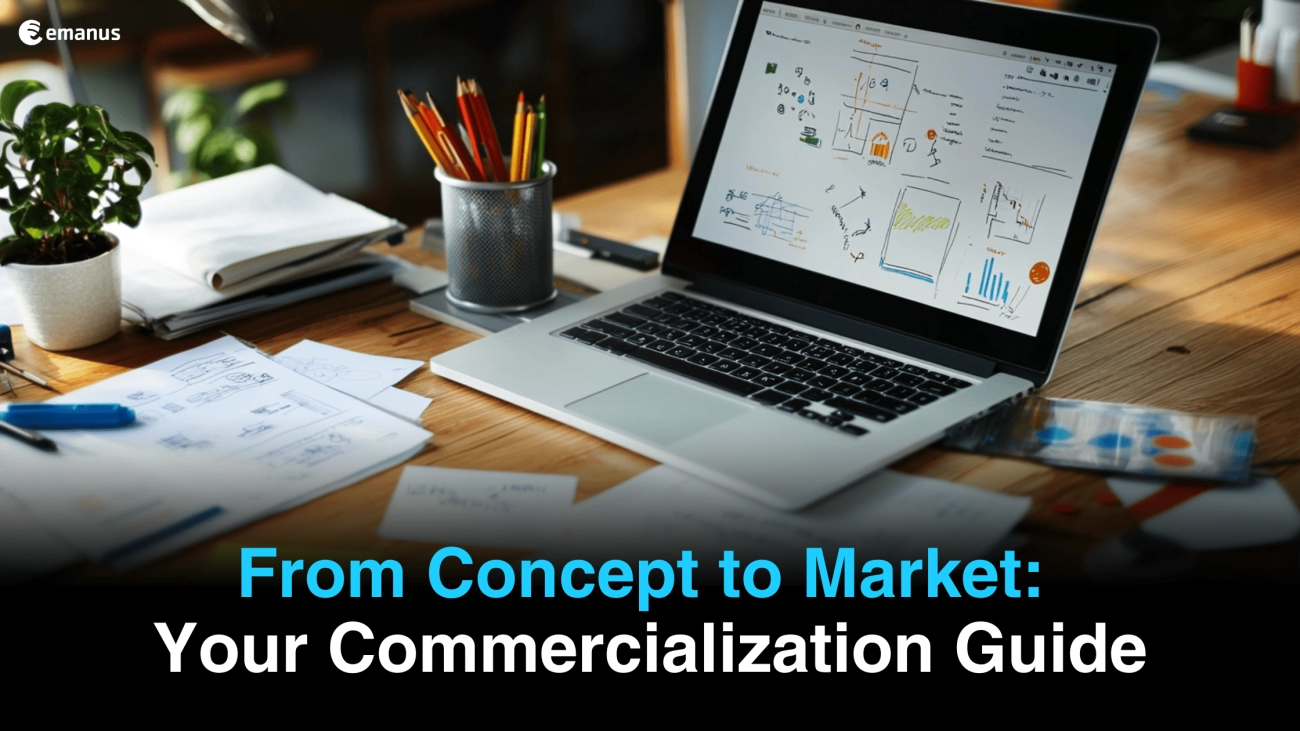
Bringing a medical product to market is just the beginning. A solid go-to-market strategy is critical for success. This includes clear pricing models, understanding reimbursement pathways, navigating CMS codes, and staying compliant with marketing regulations. Getting these elements right helps your product gain quick traction in the competitive U.S. healthcare market.
During launch execution, focus on pilot distributions to test the waters and work closely with Key Opinion Leaders (KOLs) for credibility and outreach. Integrating digital health tools can also boost engagement and data collection, making your product more attractive to providers and patients alike.
Once your product is out there, post-market surveillance becomes a priority. Complying with Medical Device Reporting (MDR) requirements, monitoring real-world performance, and making iterative improvements are essential to extend the lifecycle of your device. Staying proactive helps manage risks and protects your brand reputation.
To make smart decisions, use an ROI calculator for each launch phase to track investment returns. Plus, keep an eye on emerging trends like AI-driven personalization, which can open new doors for tailored patient care and differentiate your product in the crowded market.
By mastering commercialization and post-market vigilance, you ensure your medical product remains safe, effective, and profitable long after launch.
Cross-Cutting Challenges and Best Practices in Medical Product Development
Navigating medical product development means facing challenges that cut across every phase. Here’s how to avoid common pitfalls and keep your project on track.
Funding Strategies for Early Development
Getting funds early can make or break your medical product. Consider these options:
- SBIR Grants: Government-backed Small Business Innovation Research grants are worth applying for. They help with initial R&D without giving up equity.
- VC Pitches: Venture capital offers more money but expect intense scrutiny and equity sharing.
- Bootstrapping: When possible, use personal savings or revenue from early sales to stay lean and flexible.
Team Dynamics and Collaboration
Medical product development thrives with a tight-knit, multidisciplinary team. Focus on:
- Co-Design Approach: Bring engineers, clinicians, and regulators together from the start. This creates user-centric products that meet regulatory hurdles early.
- Clear Communication: Regular check-ins and a shared project vision reduce misunderstandings.
- Role Clarity: Everyone should know their responsibilities, especially when it comes to risk management and testing.
Keeping Up with Emerging Trends
Staying current with new tech and regulations can give you a competitive edge:
- AI and ML Tools: Artificial intelligence and machine learning are improving medical device design, prototyping, and clinical data analysis.
- FDA MDDTcURL Too many subrequests.
- cURL Too many subrequests.cURL Too many subrequests.
- Supply Chain DisruptionscURL Too many subrequests.
cURL Too many subrequests.
cURL Too many subrequests.
- cURL Too many subrequests.
- cURL Too many subrequests.
- cURL Too many subrequests.
- cURL Too many subrequests.
cURL Too many subrequests.
cURL Too many subrequests.
- cURL Too many subrequests. cURL Too many subrequests. cURL Too many subrequests.
- cURL Too many subrequests. cURL Too many subrequests. cURL Too many subrequests. cURL Too many subrequests.
- cURL Too many subrequests. cURL Too many subrequests. and post-market activities
By staying proactive and partnering wisely, you increase your chances of delivering a successful, compliant medical product that meets U.S. market needs.
 Spanish (Peru)
  English
  German
  Korean
  Spanish (Spain)
  Italian