
Explore total knee prosthesis types including fixed bearing mobile bearing and posterior stabilized implants to find the best knee replacement option.
If you’re exploring total knee prosthesis types, you’re likely facing an important decision that can shape your recovery and long-term mobility. Choosing the right knee prosthesis isn’t just about replacing a joint—it’s about finding the best fit for your lifestyle, anatomy, and surgical goals. In this guide, we’ll break down the different total knee replacement implant types, from design to materials, helping you feel confident and informed as you consider your options. Let’s get started.
What is a Total Knee Prosthesis
A total knee prosthesis is an artificial implant used to replace a damaged or worn-out knee joint, typically during knee replacement surgery. Its main role is to restore mobility, reduce pain, and improve function in patients suffering from severe arthritis or injury.
The prosthesis mimics the natural knee by replicating the joint’s surfaces, allowing smooth movement between the thigh and shin bones. Key components include:
- Femoral component: attaches to the end of the thigh bone (femur)
- Tibial component: fixed on top of the shin bone (tibia)
- Patellar component: replaces the kneecap surface, if needed
- Polyethylene insert: a plastic spacer that acts as a smooth cushion between metal parts
Together, these parts work to provide stability and flexibility, making everyday movements like walking and bending possible again.
Classification of Total Knee Prosthesis Types
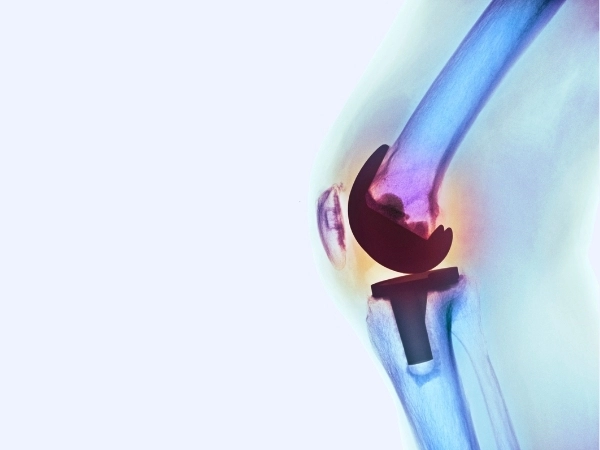
Total knee prosthesis types are classified based on several key factors: design, materials, fixation methods, and the level of constraint they provide. These criteria help surgeons choose the best implant tailored to each patient’s needs.
- Design: Implants vary mainly between fixed bearing and mobile bearing types, which influence the movement and wear of the joint.
- Materials: Commonly used materials include metal alloys, polyethylene, and ceramics, each affecting durability and biocompatibility.
- Fixation Methods: Prostheses can be cemented, cementless, or use a hybrid approach, depending on the patient’s bone quality and surgeon preference.
- Constraint Level: This refers to how much the implant restricts joint movement, ranging from cruciate retaining prostheses that preserve ligaments to posterior stabilized designs that provide more mechanical support.
The main categories of total knee prosthesis include fixed bearing, mobile bearing, posterior stabilized, and cruciate retaining types. Each has unique features fitting specific patient profiles and surgical goals.
Types of Total Knee Prostheses by Design
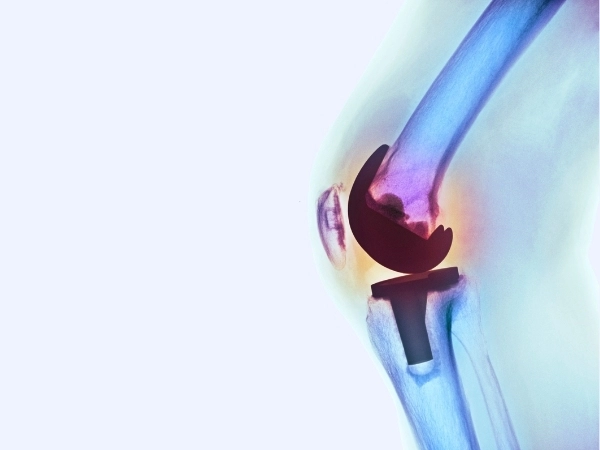
Fixed Bearing Prosthesis
Design: The most common type, where the plastic insert is fixed to the metal baseplate. This limits movement to a simple hinge-like action.
cURL Too many subrequests.: Durable, simpler design means fewer complications, easier surgery.
cURL Too many subrequests.: Can cause more wear over time due to restricted movement.
Best for: Patients with moderate activity levels and standard knee anatomy.
Mobile Bearing Prosthesis
Design: The plastic insert moves slightly on the metal baseplate, allowing rotation and more natural knee motion.
Benefits: Better mimics natural knee movement, potentially less wear on components.
Challenges: Slightly higher risk of dislocation, more complex surgery.
Ideal for: Younger, active patients or those needing greater knee flexibility.
Posterior Stabilized Prosthesis
How it WorkscURL Too many subrequests.
cURL Too many subrequests.cURL Too many subrequests.
cURL Too many subrequests.
DesigncURL Too many subrequests.
AdvantagescURL Too many subrequests.
LimitationscURL Too many subrequests.
| cURL Too many subrequests. | cURL Too many subrequests. | cURL Too many subrequests. | cURL Too many subrequests. | cURL Too many subrequests. |
|---|---|---|---|---|
| cURL Too many subrequests. | cURL Too many subrequests. | cURL Too many subrequests. | cURL Too many subrequests. | cURL Too many subrequests. |
| cURL Too many subrequests. | cURL Too many subrequests. | cURL Too many subrequests. | cURL Too many subrequests. | cURL Too many subrequests. |
| Posterior Stabilized | Cam-post mechanism replaces ligament | Stable without ligament | Removes natural ligaments | Ligament damaged cases |
| Cruciate Retaining | Preserves natural ligament | Natural feel, less bone loss | Requires healthy ligament | Healthy ligaments, stable knees |
This clear breakdown helps you understand which knee replacement implant types might be best based on knee condition and lifestyle.
Materials Used in Total Knee Prostheses
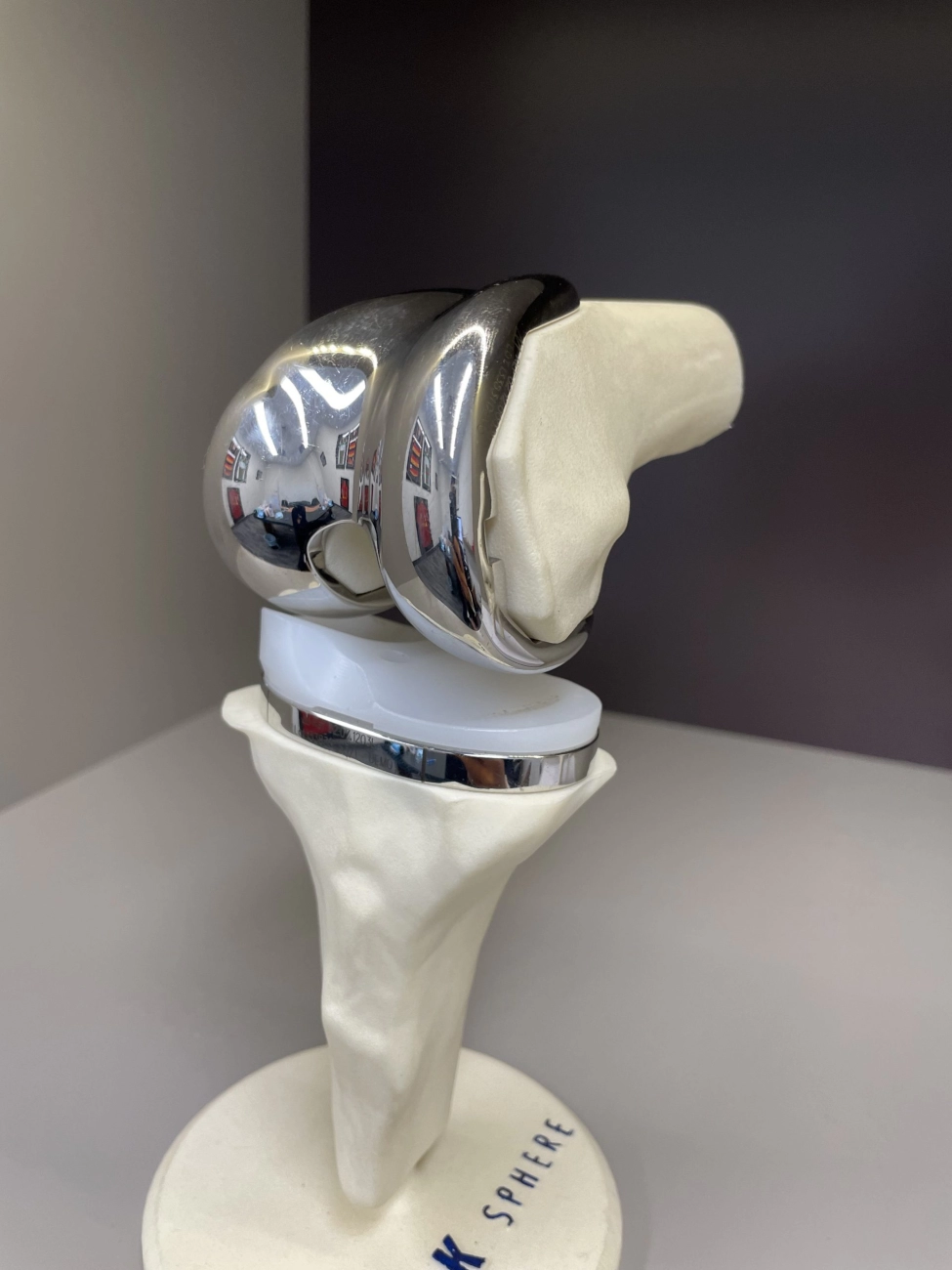
Total knee prostheses are made from materials chosen for strength, durability, and compatibility with the body. The main materials include:
- Metal Alloys: Commonly cobalt-chromium and titanium alloys. These metals provide the strength and support needed to handle daily activities and last many years.
- Polyethylene: This plastic component acts as a cushion between metal parts, allowing smooth movement and reducing wear.
- Ceramics: Sometimes used for their smooth surface and excellent wear resistance, though less common in knee implants.
Material choice impacts how long the prosthesis lasts and how well the body accepts it. Advances in material science, like improved polyethylene and new metal coatings, help reduce wear and prevent allergic reactions. These improvements contribute to better recovery and longer-lasting knee replacements for patients across the US.
Fixation Methods
When it comes to total knee prosthesis types, how the implant is fixed to your bone is a big deal. There are three main fixation methods: cemented, cementless, and hybrid.
Cemented Prosthesis
This is the most common method in the U.S. A special bone cement acts like glue to hold the implant firmly in place. It offers immediate stability, so patients can often start moving the knee soon after surgery. Cemented prostheses work well for most patients, especially if bone quality isn’t perfect.
Cementless Prosthesis
Instead of cement, these implants have a porous surface that encourages your bone to grow into the prosthesis. This biological fixation can last a long time but takes longer to stabilize after surgery. Cementless options are typically chosen for younger, more active patients with strong, healthy bones.
Hybrid Fixation
Hybrid fixation mixes these two approaches. Usually, one part of the implant is cemented while the other relies on bone growth. This method can balance the benefits and is often used when surgeons want to tailor the fixation to the patient’s specific bone conditions.
When Each Method Is Preferred
- Cemented: Older adults, patients with weaker bones, or those who need quicker recovery
- Cementless: Younger, active individuals with good bone quality
- Hybrid: Cases where bone quality varies between parts of the knee or surgeon discretion based on patient needs
Choosing the right fixation method plays a big role in how well your knee replacement lasts and how smoothly your recovery goes.
Choosing the Right Prosthesis Factors to Consider
Picking the right total knee prosthesis depends on several key factors. First off, patient age matters—a younger, more active person may need a prosthesis designed to handle higher activity levels, while older patients might benefit from options focused on stability and comfort. Lifestyle and activity level are closely linked here; if you enjoy sports or heavy physical work, certain designs like mobile bearing prostheses could offer better flexibility.
Bone quality and anatomy play a big role too. If your bones are strong, cementless fixation might work well, but if bone density is low, cemented implants are often safer. The shape and size of your knee joint also influence which implant fits best.
Your surgeon’s experience and preference are important. Surgeons familiar with certain prosthesis types or who have access to the latest tech might guide you toward options that work best in real-world practice.
Speaking of tech, robotic-assisted surgery and patient-specific implants are game changers. These advanced tools help customize the fit and positioning of your knee implant, improving outcomes and recovery.
In short, the right total knee arthroplasty prosthesis is a mix of your personal health, activity goals, anatomy, and a surgeon’s know-how combined with modern technology.
Innovations and Trends in Total Knee Prosthesis

Total knee prosthesis types are evolving fast thanks to new technology and patient needs. One big trend is customizable implants. cURL Too many subrequests.
cURL Too many subrequests. smart knee prostheses. cURL Too many subrequests.
cURL Too many subrequests. cURL Too many subrequests.. cURL Too many subrequests.
cURL Too many subrequests.
cURL Too many subrequests.
cURL Too many subrequests.
cURL Too many subrequests.
- cURL Too many subrequests.cURL Too many subrequests.
- cURL Too many subrequests.cURL Too many subrequests.
- cURL Too many subrequests.cURL Too many subrequests.
cURL Too many subrequests.
- cURL Too many subrequests.
- cURL Too many subrequests.
- Following your physical therapist’s plan closely improves outcomes and helps prevent complications.
Signs of Prosthesis Complications to Watch For
- Persistent or worsening pain around the knee.
- Swelling or redness that doesn’t go away.
- Decreased range of motion or instability in the knee.
- Any signs of infection like fever or discharge.
Early detection of problems leads to better fixes, so stay in touch with your doctor if you notice any of these. Recovery takes time but knowing what to expect helps you get back to your daily activities with confidence.
How Vast Supports Your Journey with Advanced Knee Prostheses
At Vast, we understand that choosing the right total knee prosthesis is a big decision. That’s why we offer a range of advanced knee replacement implant types designed to fit different needs and lifestyles. Our solutions focus on quality, durability, and patient comfort, using the latest materials and innovative designs like fixed bearing, mobile bearing, posterior stabilized, and cruciate retaining prostheses.
We’re committed to patient-centered care, which means our team works closely with you and your surgeon to recommend the best prosthesis based on your age, activity level, bone health, and personal goals. Whether you’re exploring cemented or cementless options, or interested in smart, customizable implants and robotic-assisted procedures, Vast is here to guide you.
To get started or learn more, you can easily consult Vast’s specialists. They’re ready to answer your questions, help match you with the right prosthesis, and support you throughout your knee replacement journey. With Vast, you’re not just getting a prosthesis—you’re getting a partner dedicated to helping you move better and live fully.
 Spanish (Spain)
  English
  Spanish (Peru)
  German
  Korean
  Italian