
Discover essential processes and best practices for austenitic stainless steel heat treatment to optimize corrosion resistance and durability.
Understanding the Fundamentals of Austenitic Stainless Steel
Austenitic stainless steel is one of the most widely used stainless steel families, known for its excellent corrosion resistance and good mechanical properties. Its unique structure is based on a face-centered cubic (FCC) crystal lattice, also called the austenite phase. This phase comes from adding elements like nickel and manganese, which stabilize the austenitic microstructure at room temperature. Because of this stable structure, austenitic stainless steel remains tough and ductile even at very low temperatures.
What Makes Austenitic Stainless Steel Unique
Unlike other stainless steels, austenitic grades—such as the common 304 and 316 series—are non-magnetic and do not respond to traditional hardening methods like quenching and tempering. Their nickel content promotes a soft, ductile microstructure rather than the hard martensitic phase found in other types. This makes them ideal for applications requiring good formability and excellent corrosion resistance in harsh or high-temperature environments.
Why Traditional Hardening Doesn’t Work for Austenitic Grades
Traditional heat treatments that harden steels rely on transforming their crystal structure from austenite to martensite. However, because austenitic stainless steels are stabilized in the austenitic phase, they don’t undergo this transformation. As a result, they can’t be hardened by quenching or similar processes. Attempting such treatments generally leads to no significant increase in hardness. Instead, exposure to inappropriate heat cycles can cause problems like sensitization—a harmful precipitation of chromium carbides that weakens corrosion resistance.
Understanding these fundamentals sets the stage for exploring specialized heat treatment techniques tailored to optimize austenitic stainless steel’s performance. Staying mindful of its unique metallurgy helps avoid common pitfalls and ensures long-lasting, reliable parts.
Ready to dive deeper into the specific heat treatment processes that benefit austenitic stainless? Let’s explore solution annealing and beyond.
Key Heat Treatment Processes for Austenitic Stainless Steel
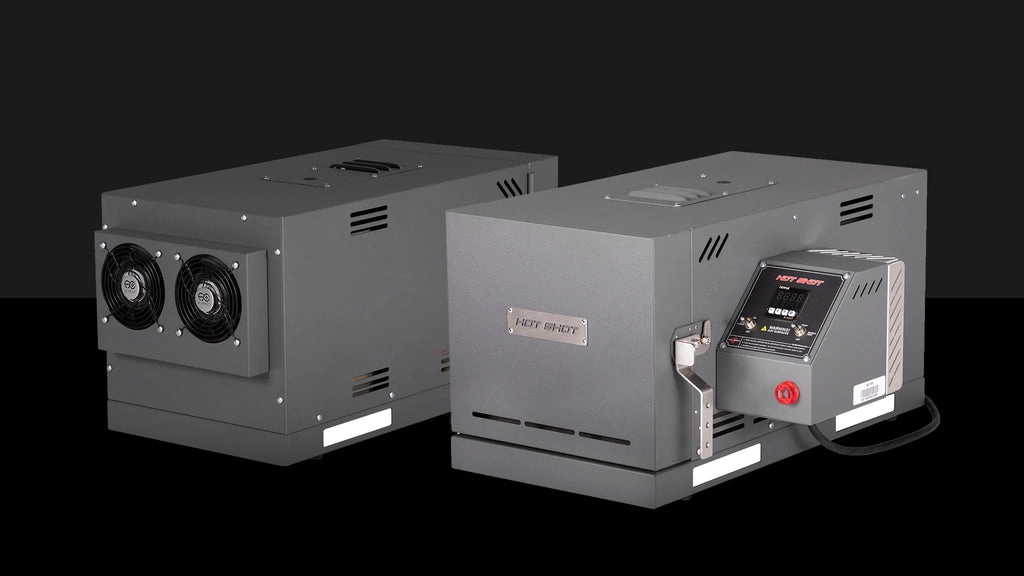
When it comes to austenitic stainless steel heat treatment, several key processes help get the best out of this material. Each process targets specific goals like restoring structure, reducing stresses, or improving stability.
Solution Annealing Restoring Optimal Microstructure
Solution annealing is a critical step where the steel is heated to a high temperature, usually between 1900°F and 2100°F (about 1038°C to 1149°C), then quickly cooled, often with water quenching techniques. This heating dissolves chromium carbide precipitates that can cause intergranular corrosion and restores the austenite microstructure. For grades like 304 stainless steel annealing, this step is vital to enhance corrosion resistance and prevent sensitization.
Stress Relieving Minimizing Residual Stresses Without Compromise
After fabrication or welding, residual stresses can build up inside the steel, leading to warping or cracking down the line. Stress relieving involves heating the steel to a moderate temperature (around 1200°F to 1500°F) and cooling slowly. This process reduces internal stresses without changing the steel’s core properties, helping maintain its toughness and corrosion resistance.
Stabilization Annealing Enhancing High Temperature Stability
Stabilization annealing is used for austenitic grades that contain titanium or niobium. It involves heating the steel to temperatures between 1400°F and 1600°F, locking up carbon and preventing chromium carbide formation. This step improves high-temperature strength and keeps the steel stable during prolonged exposure to heat, which is essential in power plants and chemical industries.
Other Specialized Treatments Subcritical Annealing and Descaling
Sometimes, more specialized heat treatments are necessary:
- Subcritical annealing is performed below the solution annealing temperature. It helps reduce hardness and improve ductility without fully restoring the microstructure.
- Descaling treatments remove any oxide layers formed during heat treatment, ensuring a clean surface ready for further processing or service.
Each of these heat treatments plays a role in maximizing the performance and longevity of austenitic stainless steel in the demanding environments common across many American industries.
Benefits Risks and Optimization Tips for Heat Treatment
Core Benefits Boosting Performance and Longevity
Heat treating austenitic stainless steel brings several solid advantages. When done right, processes like solution annealing restore the steel’s microstructure, improving corrosion resistance and mechanical strength. This means parts last longer, resist wear, and perform reliably even under tough conditions. Stress relieving reduces residual stresses from welding or forming, preventing unexpected failures. Plus, stabilization annealing helps keep the steel stable at high temperatures, making it perfect for demanding environments. Overall, proper heat treatment boosts durability and cuts down maintenance needs.
Potential Risks Sensitization and How to Avoid It
One big risk during heat treatment is sensitization. This happens when chromium carbide forms along grain boundaries, leading to intergranular corrosion, especially in grades like 304 stainless steel. Sensitization weakens corrosion resistance where it matters most. To avoid this:
- Use solution annealing at the right temperature, usually between 1900°F and 2100°F, followed by rapid cooling—usually water quenching.
- Don’t let the steel linger in the 900°F to 1500°F range where chromium carbides can form.
- Consider stabilization annealing, adding titanium or niobium elements, to lock up carbon and prevent carbide precipitation.
By carefully controlling heat treatment parameters, you minimize the risk of corrosion-related failures.
Best Practices from Vast Equipment Monitoring and Safety
Optimizing heat treatment means having tight control and real-time monitoring. Here’s what works:
- Use reliable temperature controls to maintain consistent solution annealing temperatures.
- Implement water quenching techniques properly to cool parts quickly and evenly.
- Regularly inspect furnaces and equipment to avoid unexpected temperature spikes or drops.
- Have safeguards in place to detect and prevent overheating or underheating.
- cURL Too many subrequests.
cURL Too many subrequests.
cURL Too many subrequests.
cURL Too many subrequests.
cURL Too many subrequests.
cURL Too many subrequests.
cURL Too many subrequests.
cURL Too many subrequests.
- cURL Too many subrequests. cURL Too many subrequests.
- cURL Too many subrequests. cURL Too many subrequests.
- cURL Too many subrequests. cURL Too many subrequests.
cURL Too many subrequests.
cURL Too many subrequests.
cURL Too many subrequests.
cURL Too many subrequests.
cURL Too many subrequests.
These stainless steels are non-hardenable by quenching because their crystal structure (austenite) is stable at room temperature. This means you can’t increase hardness through rapid cooling like you would with carbon steel.
What is solution annealing and why is it important?
Solution annealing involves heating the steel to about 1900°F to dissolve chromium carbides and then rapidly cooling it (usually by water quenching). This process restores corrosion resistance and prevents intergranular corrosion caused by chromium carbide precipitation.
How can I avoid sensitization during heat treatment?
Sensitization happens when chromium carbides form at grain boundaries during slow cooling, reducing corrosion resistance. To prevent this:
- Use proper solution annealing temperatures
- Ensure rapid cooling methods like water quenching
- Consider stabilization annealing if your application involves high temperatures
What’s the purpose of stress relieving?
Stress relieving heats the steel at lower temperatures to reduce internal stresses from welding or forming without compromising corrosion resistance or mechanical properties.
Are there risks with heat treating austenitic stainless steel?
Yes, improper heat treatment can lead to sensitization and intergranular corrosion. Monitoring temperatures closely and using correct cooling rates help avoid these issues.
Can austenitic stainless steel be hardened at all?
Not by typical heat treatment methods. For increased hardness, cold working (mechanical deformation) is generally used instead of heat treatment.
What industries benefit most from austenitic stainless steel heat treatment?
Industries like aerospace, food processing, and chemical manufacturing rely on proper heat treatment to ensure durability, corrosion resistance, and safety of their stainless steel components.
If you have any other questions or need advice on heat treating your austenitic stainless steel, feel free to reach out. Proper treatment keeps your stainless steel performing its best in any environment.
 Spanish (Spain)
  English
  Spanish (Peru)
  German
  Korean
  Italian