
Discover the key differences between cast iron and steel including carbon content strength uses and which material suits your needs best.
Trying to figure out the difference between cast iron and steel? You’re not alone. Whether you’re picking cookware for your kitchen or choosing materials for your next DIY project, knowing how these two metals compare can save you time, money, and frustration. Cast iron and steel may look similar at first glance, but their properties, strengths, and best uses are worlds apart. In this post, we’ll cut through the confusion with clear, practical insights on cast iron vs steel, so you can make smarter, more confident choices every time. Ready to see what sets them apart? Let’s dive in!
What is Cast Iron A Quick Primer
Cast iron is a type of metal alloy primarily made of iron with a higher carbon content, typically between 2% and 4%. This high carbon level is what sets cast iron apart from steel and gives it its unique properties. The carbon is usually present as graphite flakes or combined with other carbon compounds in the metal’s microstructure.
There are three main types of cast iron you should know about:
- Gray Cast Iron: The most common form, known for its graphite flakes that give it a gray appearance on fractured surfaces. It offers good machinability and excellent vibration damping.
- White Cast Iron: Contains carbon combined as cementite, which makes it very hard and brittle. It’s less common and mainly used for wear-resistant applications.
- Ductile Cast Iron: Also called nodular or spheroidal graphite iron, it has carbon in rounded graphite nodules, giving it improved strength and ductility while retaining cast iron’s toughness.
Historically, cast iron has played a crucial role in industrial development, dating back centuries. It enabled the mass production of durable parts for machinery, bridges, and cookware. Its ability to be molded into complex shapes cost-effectively made it a backbone material during the Industrial Revolution.
Understanding cast iron’s carbon content and its types gives a clear foundation on why it behaves differently from steel and where it fits best in manufacturing and daily use.
What is Steel Breaking It Down
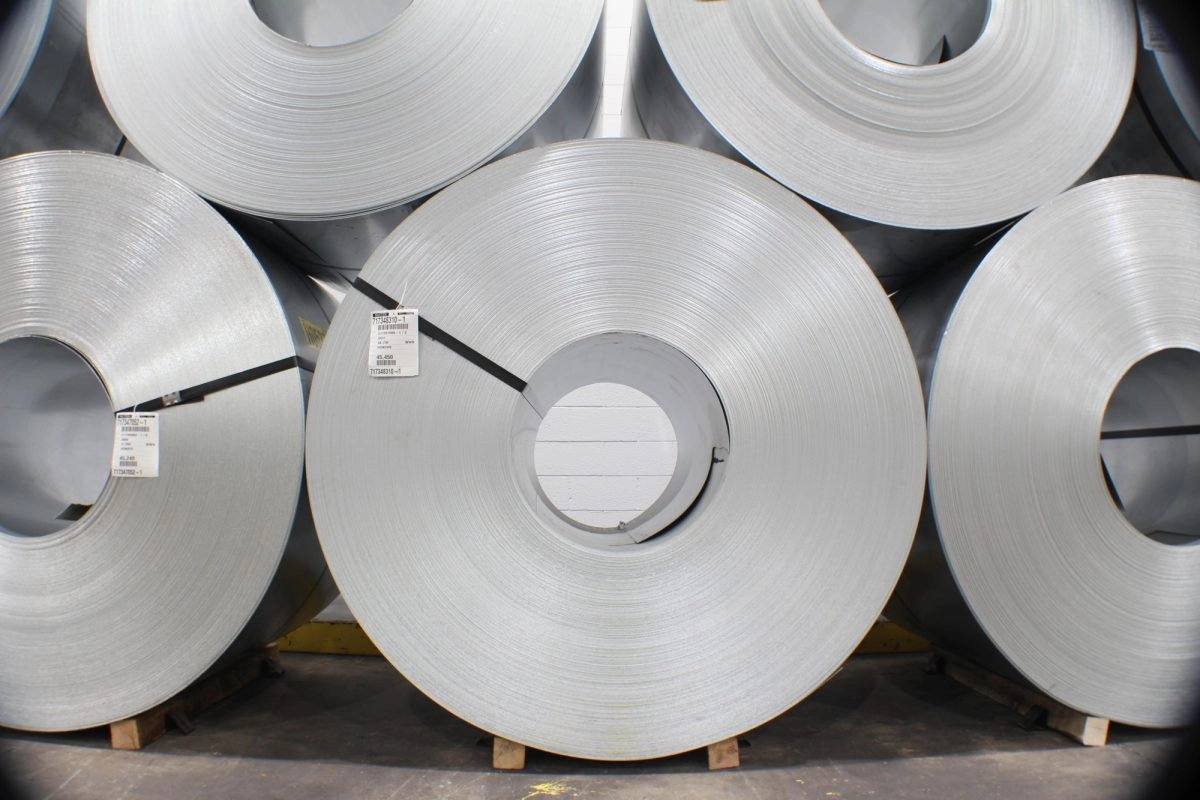
Steel is an alloy mainly made of iron and carbon, with the carbon content usually below 2%. This lower carbon level compared to cast iron makes steel tougher and more flexible. Depending on how much carbon and other elements it has, steel comes in different types: low carbon steel (also called mild steel), high carbon steel, and stainless steel, which includes chromium to resist rust.
Here’s a quick look at steel varieties:
- Low carbon steel: About 0.05% to 0.25% carbon. It’s easy to shape and weld, commonly used in construction and automotive parts.
- High carbon steel: Around 0.6% to 1.0% carbon. It’s harder and stronger but less flexible, great for tools and blades.
- Stainless steel: Contains at least 10% chromium. It’s known for corrosion resistance and is popular in kitchenware and medical instruments.
Steel is processed through methods like forging (shaping by heating and hammering), rolling (compressing metal to make sheets or bars), and casting (pouring molten steel into molds). These processes influence its strength, durability, and finish, making steel versatile for many uses around the U.S., from skyscrapers to appliances.
Core Differences Cast Iron vs Steel Head to Head

Here’s a quick breakdown of the main differences between cast iron and steel:
| Característica | Cast Iron | Steel |
|---|---|---|
| Carbon Content | 2-4% (high) | 0.02-2% (lower) |
| Melting Point | Around 2,200°F | Around 2,500°F |
| Tensile Strength | Lower (brittle) | Higher (more ductile) |
| Brittleness | Alta | Low to moderate |
| Castability | Excellent | Good but complex |
| Costo | Usually cheaper | Typically more expensive |
Composition and Microstructure
Cast iron contains a higher carbon level which mostly appears as graphite flakes inside. These flakes make the metal hard but brittle, which is why cast iron cracks under tension. Steel’s carbon, on the other hand, is mixed with iron in pearlite or martensite forms, giving it flexibility and toughness.
Mechanical Properties
- Cast Iron excels in compression strength but struggles under tension because it’s brittle.
- Steel offers a strong balance of tensile and compressive strength, making it better suited for parts requiring toughness and flexibility.
Thermal and Processing Traits
- Cast iron holds heat well and dampens vibrations thanks to its dense graphite flakes.
- Steel heats up and cools down faster, making it more responsive in processes like forging and welding. It also handles heat cycling better without cracking.
Understanding these core differences helps you pick the right metal based on what your project or product actually needs.
Pros and Cons Weighing the Trade Offs
When deciding between cast iron and steel, it helps to know what each brings to the table.
Cast Iron Advantages
- Excellent vibration damping, which is why it’s popular in machine bases and cookware
- Great wear resistance, making it durable in heavy-use situations
- Superior heat retention, ideal for things like skillets and griddles
- Affordable and widely available
Cast Iron Disadvantages
- Brittle nature means it can crack or break under impact
- Heavy, which can make handling or installation tricky
- Prone to rust if not properly seasoned or coated
Steel Advantages
- Ductile and tough, so it bends rather than breaks under stress
- Easier to weld and shape, great for fabrication or repairs
- More corrosion resistant, especially stainless steel varieties
- Offers better tensile strength and flexibility
Steel Disadvantages
- Generally more expensive than cast iron
- Can warp under high heat if not treated or cooled properly
- Requires more upkeep to maintain its properties
When to Choose What
- Pick cast iron if you want solid heat retention, vibration control, and lower cost for static or heavy items
- Choose steel for projects needing strength, flexibility, and corrosion resistance, especially where welding or shaping is involved
Knowing these pros and cons makes it easier to match the material to your needs without surprise down the line.
Real World Applications Where Each Shines
When it comes to real-world uses, cast iron and steel each have their sweet spots thanks to their unique properties.
Cast Iron Uses
- Cookware: Cast iron pans and Dutch ovens are famous for excellent heat retention and even cooking, making them a kitchen staple in many American homes.
- Engine Blocks: Its ability to dampen vibrations and resist wear makes cast iron ideal for heavy-duty engine blocks in cars and machinery.
- Pipes and Manholes: Cast iron’s durability and corrosion resistance work well for underground water and sewer systems.
- Machine Bases: The vibration damping quality helps keep machinery steady during operation, which is vital for precision tools and equipment.
Steel Uses
- Structural Beams: Steel’s high tensile strength and flexibility are perfect for building bridges, skyscrapers, and other infrastructure.
- Tools and Automotive Parts: Thanks to its toughness and weldability, steel is the go-to for hand tools, car frames, and engine components.
- Prototypes and Cookware Alternatives: Steel finds wide use in prototypes and modern cookware alternatives that require lighter weight and higher corrosion resistance.
- Everyday Items: From cutlery to appliances, steel’s versatility shines in countless US households.
Hybrid Uses
Steel-reinforced cast iron is a smart combo bulletproofing cast iron’s strength with steel’s ductility. This blend is often seen in custom machinery bases or heavy-duty cookware with steel handles for better performance.
Case Study
For example, in American manufacturing, engine blocks typically use cast iron for its heat retention and wear resistance, while the chassis and frame are built from steel for flexibility and strength. This combination leverages both materials exactly where they perform best.
If you want to dive deeper into machining and metal casting processes, consider checking out our guide on Metal Casting Techniques. It covers how materials like cast iron and steel are shaped to fit different industrial needs.
In short, your application needs—whether it’s durability, flexibility, or heat retention—will guide your choice between cast iron, steel, or a hybrid option.
How to Choose Your Decision Guide
Picking between cast iron and steel depends on what you need for your project or use. Here’s a straightforward way to decide:
Assess Your Needs
- Load type: Cast iron is great for heavy compression loads but brittle under tension. Steel offers better flexibility and strength under stress.
- Budget: Cast iron is usually less expensive upfront. Steel can cost more but might save money long-term due to durability.
- Environment: For outdoor or corrosive environments, steel often handles rust better, especially stainless types. Cast iron needs good maintenance to avoid rust.
Identify Your Material
If you’re unsure what you’re working with, try this quick method:
- Spark test: When you grind the metal, cast iron produces shorter, orange sparks that don’t branch much. Steel creates long, branching white sparks.
- File test: Steel tends to be harder to file; cast iron is more brittle and will show different file marks.
Quick Quiz: Cast Iron or Steel?
- Need great heat retention for cookware? Cast iron wins.
- Want flexibility and toughness for tools or construction? Steel is better.
Maintenance Tips
- Cast iron: Requires seasoning to keep it rust-free and maintain a non-stick surface. Avoid soaking to prevent rust.
- Steel: Usually easier to maintain but may need protective coatings if in harsh environments.
If you’re still on the fence after weighing these points, consider reaching out to a materials specialist or consultant. They can help match the right metal to your specific needs, saving you headaches down the line.
FAQ Section Common Questions on Cast Iron vs Steel Properties Cooking Welding Strength Durability
What is the main difference between cast iron and steel?
Cast iron has a higher carbon content (typically 2-4%) which makes it more brittle but great at heat retention. Steel has less carbon (usually under 2%), making it stronger, more ductile, and easier to shape or weld.
Which is better for cookware cast iron or steel?
Cast iron wins for even heat and heat retention, perfect for frying and slow cooking. Steel heats up faster and is more responsive, but doesn’t hold heat as long.
Can you weld cast iron like steel?
Welding steel is straightforward due to its strength and ductility. Cast iron is tricky because it’s brittle and can crack. Special methods or preheating are often needed.
How do the strength and durability compare?
Steel generally offers higher tensile strength and toughness, making it better for structural uses. Cast iron handles compression well but is prone to cracking under tension or impact.
Is rust a big issue for cast iron and steel?
Both can rust if not cared for. Cast iron cookware needs seasoning to keep rust at bay. Steel can be coated or stainless to improve corrosion resistance.
How do I tell cast iron from steel?
Cast iron is heavier and feels denser. A spark test (grinding the metal) shows short, reddish sparks for cast iron versus longer, brighter sparks for steel.
When should I choose cast iron over steel?
Go with cast iron for heat retention, vibration damping, and cost efficiency. Pick steel for strength, flexibility, and easier fabrication.
If you have specific needs or want to know more, feel free to reach out for tailored advice.
 Spanish (Spain)
  Chinese
  English
  Spanish (Peru)
  German
  Korean
  Italian