
Discover expert tips on taps for cutting threads including types selection and pro techniques for precise internal threading in metal and wood.
Understanding the Basics How Taps Cut Threads and Key Components
When you need to create internal threads in a hole, taps for cutting threads are your go-to tool. But how exactly do they work? Understanding the core mechanics will help you pick the right tap and get clean, precise threads every time.
Core Mechanics Cutting Action vs Forming Threads
There are two main ways taps cut threads:
- Cutting taps remove material by slicing away metal chips. These taps have sharp cutting edges and are ideal for most metals.
- Forming taps, also called roll taps, don’t cut but rather press the metal to form threads. They’re great for ductile materials like aluminum or copper, leaving stronger threads without chips.
Knowing the difference ensures you select a tap suited for your material and project.
Anatomy Breakdown Body Chamfer and Flute Types
Most thread taps share these key parts:
- Body: The middle section where threads form on the tap.
- Chamfer: The tapered section at the tip that helps start the thread smoothly.
- Flutes: Long grooves running along the tap’s body. Flutes:
- Provide cutting edges
- Allow chip removal
- Can be straight, spiral, or spiral point depending on the tap type
Each flute style suits different materials and hole types.
Materials Overview HSS Carbide Coatings
Taps come in different materials and coatings for durability and performance:
| Material | cURL Too many subrequests. | cURL Too many subrequests. | Best Use |
|---|---|---|---|
| High-Speed Steel (HSS) | Good balance of toughness and sharpness | Limited wear resistance | General-purpose threading |
| Carbide | Extremely hard and wear-resistant | Brittle, can chip if misused | Hard metals, abrasive materials |
| Coated Taps (TiN, TiCN) | Enhanced hardness, longer tool life | Higher cost | Aluminum, stainless steel |
Choosing the right material improves tap life and thread quality.
Understanding these basics about how taps cut, their structure, and their materials sets you up to choose the perfect tap and avoid common threading problems.
Types of Taps for Cutting Threads Choose the Perfect Match
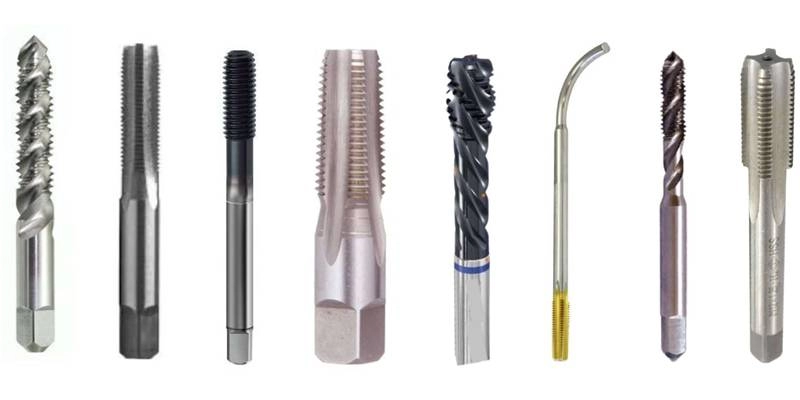
When picking taps for cutting threads, knowing the right type makes all the difference. Here’s a quick breakdown to help you choose the perfect match:
Hand Taps
- Taper taps: Start gradually to help guide the thread cutting, great for beginners or rough holes.
- Plug taps: Have a moderate taper and are the most common for general use.
- Bottoming taps: Cut threads all the way to the bottom of blind holes, perfect when you need full-depth threads.
cURL Too many subrequests.
- Spiral point taps (or gun taps): cURL Too many subrequests.
- cURL Too many subrequests. cURL Too many subrequests.
cURL Too many subrequests.
- cURL Too many subrequests. cURL Too many subrequests.
- cURL Too many subrequests. cURL Too many subrequests.
cURL Too many subrequests.
- cURL Too many subrequests. cURL Too many subrequests.
- cURL Too many subrequests. cURL Too many subrequests.
- cURL Too many subrequests. cURL Too many subrequests.
- cURL Too many subrequests. cURL Too many subrequests.
cURL Too many subrequests.
| cURL Too many subrequests. | Use Case | Hole Type | cURL Too many subrequests. | cURL Too many subrequests. |
|---|---|---|---|---|
| Taper Hand Tap | Starting threads | Blind/Through | Chips break easily | Beginners, soft metals |
| Plug Hand Tap | General threading | Blind/Through | Moderate | All-round threading |
| Bottoming Hand Tap | Thread full depth | Blind holes | Difficult chips | Blind hole finishing |
| Spiral Point Tap | Fast machine tapping | Through holes | Pushes chips out | Steel, through holes |
| Spiral Flute Tap | Clean threads | Blind holes | Pulls chips out | Aluminum, tough metals |
| Pipe Tap | Creating pipe threads | Through holes | Varies | Plumbing & gas lines |
| Adjustable Form Tap | Custom/repair threads | cURL Too many subrequests. | Varies | Repair, custom specs |
Pro Tip for Aluminum Frames
When working with aluminum frames, Vast spiral flute taps are a game-changer. Their chip-pulling action keeps threads clean, reduces sticking, and extends tap life—ideal for soft metals where chip buildup can be a hassle.
Choosing the right tap depends on your project’s metal type, hole depth, and threading needs. Knowing tap types saves you from costly mistakes and gets you solid threads every time.
Selecting the Right Tap Factors for Success in Your Workshop
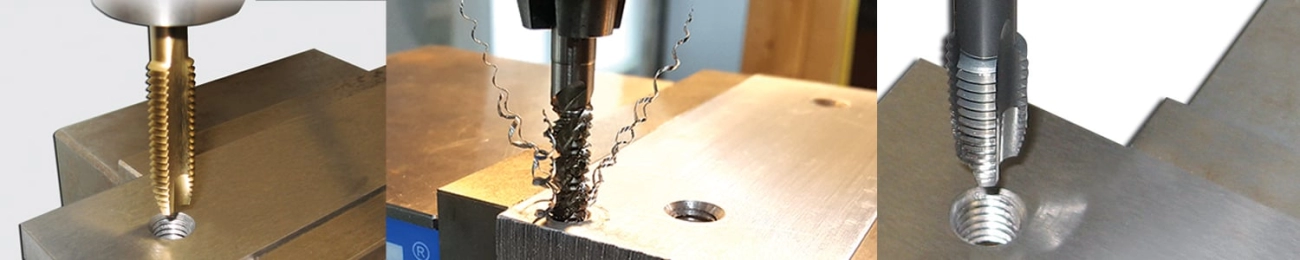
Choosing the right tap can make or break your threading job. Here’s what to keep in mind to get it right every time.
Material Compatibility
- Soft metals like aluminum or brass usually work best with spiral flute taps. They clear chips well and reduce binding.
- Hard metals like stainless steel or cast iron call for high-speed steel (HSS) or carbide taps. These stay sharp longer and handle tougher materials without breaking.
Hole Type and Depth
- Through holes (all the way through the material) allow chips to exit easily, so standard taps work fine.
- Blind holes (stopping before breaking through) need spiral point or spiral flute taps to help pull chips out of the cut and prevent clogging.
Thread Specs
- Always match your tap to the exact thread standard—metric or imperial. Use a tap drill chart to pick the right pilot hole size.
- Know the pitch and diameter required. Using the wrong size can lead to poor fits or cross-threading.
Tool Quality and Brands
- Trusted brands like Guhring, Dormer, or Irwin offer reliable taps with consistent sizing and durable coatings.
- cURL Too many subrequests.
cURL Too many subrequests.
- cURL Too many subrequests.
- cURL Too many subrequests.
cURL Too many subrequests.
- cURL Too many subrequests.
- cURL Too many subrequests.
- cURL Too many subrequests.
- cURL Too many subrequests.
cURL Too many subrequests.
cURL Too many subrequests.
cURL Too many subrequests.
Preparation
- Drill the pilot holecURL Too many subrequests.
- cURL Too many subrequests.cURL Too many subrequests.
- Secure the workpiececURL Too many subrequests.
cURL Too many subrequests.
- cURL Too many subrequests.cURL Too many subrequests.
- Use cutting fluid: Lubrication lowers friction and heat, making the cutting smoother and extending tap life.
- Turning technique: Turn the tap clockwise smoothly, then back it off every half to full turn to break chips and clear debris. Avoid forcing the tap; let it do the cutting.
Hand vs Machine Tapping
- Hand tapping is ideal for smaller jobs and beginners. Use a tap wrench, follow the turning technique, and stay patient.
- Machine tapping can be faster and more consistent, especially for multiple parts. Make sure your machine is set to the right speed and feed, and use tapping oil to prevent breakage.
Finishing
- Clean the threads: Blow out chips or use a thread cleaning brush.
- Test fit the bolt or fastener: This confirms thread quality and fit.
- Chase damaged threads: If threads have burrs or damage, a thread chaser (or a new tap used carefully) can fix minor issues.
Local Pro Tips for US Garages
- Spiral flute taps are great for aluminum frames, common in automotive repairs here, because they help clear chips away from the hole.
- Always have a selection of taper, plug, and bottoming taps on hand for different threading depths and finishes.
- When tapping blind holes typical in machinery repairs, be extra cautious to break chips often and prevent tap jams.
Following these steps will help you produce strong, accurate threads every time you use taps for cutting threads in your shop or garage.
Troubleshooting Common Tapping Issues Fixes from Vast Experts

When working with taps for cutting threads, some problems can pop up. Here’s how to handle the usual suspects and keep your projects moving smoothly.
Causes and Fixes for Breakage
- cURL Too many subrequests. happens mostly when the alignment is off or too much force is applied. Always use steady pressure and keep the tap straight.
- Use cutting fluid to reduce friction and heat buildup.
- If breaking keeps happening, switch to a higher-quality tap, like HSS or coated carbide.
Fixing Poor Threads and Cross-Threading
- Poor threads often come from a dull tap or improper hole size. Double-check your tap drill size using a tap drill chart.
- Cross-threading means you’re not starting the tap straight. Take your time to align it perfectly.
- Clean the hole before tapping to avoid debris causing thread damage.
Managing Chip Buildup
- Chips stuck in the flutes can cause jamming and poor cuts.
- Use spiral flute taps for through holes to clear chips away effectively.
- Stop regularly to back the tap out and clear chips if tapping blind holes.
Material-Specific Problems
- Wood: Soft material chips clog the tap fast. Use specialized wood-threading taps or clean often.
- Steel and Hard Metals: Need sharp taps, proper lubrication, and slow, steady turns.
- Avoid rushing; let the tap do the work.
FAQ on Common Tapping Questions
- Q: Why won’t the tap start in the hole?
A: cURL Too many subrequests. - Q: cURL Too many subrequests.
A: cURL Too many subrequests. - Q: cURL Too many subrequests.
A: cURL Too many subrequests.
cURL Too many subrequests.
cURL Too many subrequests.
cURL Too many subrequests.
cURL Too many subrequests.
- cURL Too many subrequests. cURL Too many subrequests.
- cURL Too many subrequests. cURL Too many subrequests.
- cURL Too many subrequests. cURL Too many subrequests.
cURL Too many subrequests.
- cURL Too many subrequests. cURL Too many subrequests.
- cURL Too many subrequests. cURL Too many subrequests.
Safety Guidelines for Home and Workshop Use
- Always wear eye protection to shield from metal chips.
- Use the right cutting fluid to reduce heat and wear.
- Don’t force a tap; back it out periodically to clear chips and avoid breakage.
- Secure your workpiece well before tapping to prevent slips and injury.
Sustainability Benefits of Reusable Taps
- Using durable taps and maintaining them prolongs their life, reducing waste and the need for frequent replacements.
- Proper care supports eco-friendly practices by cutting down tool consumption and material waste over time.
Following these solid maintenance steps will keep your taps cutting clean threads in any project for years.
 Spanish (Spain)
  English
  Spanish (Peru)
  German
  Korean
  Italian