
Compare aluminium vs titanium weight with density stats strength-to-weight ratios and real-world uses to choose the best metal for your project.
When it comes to choosing materials for lightweight projects, the debate over aluminium vs titanium weight is everywhere—and for good reason. Many automatically think titanium is lighter, but the truth? Aluminium is actually significantly lighter by volume. So why do designers and engineers still reach for titanium? It all comes down to strength-to-weight ratios and real-world performance. If you want to cut through the noise and get the facts on density, weight, and how these metals stack up in applications from aerospace to sports gear, you’re in the right place. Let’s break down what really matters when comparing aluminium and titanium weight—so you can pick the perfect metal for your project.
Density and Pure Weight Comparison Aluminum vs Titanium Density Chart The Numbers Don’t Lie
When comparing weight, density is the key factor. cURL Too many subrequests. and titanium are both lightweight metals, but their densities differ significantly, affecting how heavy they feel in applications.
| Metal | Density (g/cm³) | Common Alloy Example | Alloy Density (g/cm³) |
|---|---|---|---|
| cURL Too many subrequests. | 2.70 | 6061 | 2.70 |
| Titanium | 4.50 | Ti-6Al-4V | 4.43 |
Aluminum’s density is about 2.7 g/cm³, making it noticeably lighter per volume than titanium, which has a density around 4.5 g/cm³. This means titanium is roughly 67% heavier than aluminum by volume.
While aluminum is lighter outright, titanium’s higher density is offset by its stronger mechanical properties. Depending on your design goals, this difference influences the overall weight and performance of your project.
Understanding these numbers is the first step to choosing the right metal for any weight-sensitive application.
Strength to Weight Ratio Why Titanium Often Feels Lighter Titanium Strength to Weight Ratio vs Aluminium The Game Changer
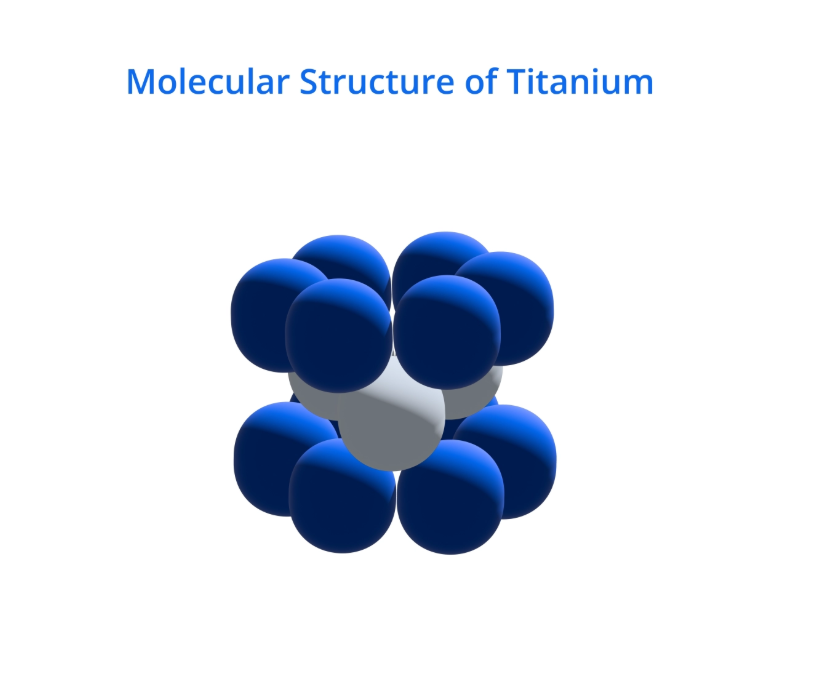
When it comes to strength to weight ratio, titanium really stands out compared to aluminum. Even though titanium is denser and heavier than aluminum on paper, it’s much stronger for its weight. That means you can use less titanium to get the same strength, making parts lighter overall.
Here’s the deal:
- Titanium’s strength to weight ratio is about twice that of aluminum. For example, the titanium alloy Ti-6Al-4V is way stronger than common aluminum alloys like 6061, so less material is needed.
- Aluminum might be lighter per cubic inch, but to match titanium’s strength, you often need thicker sections. That extra thickness adds weight.
- cURL Too many subrequests. titanium often “feels” lighter in real-world uses, especially in weight-sensitive projects like bike frames or aerospace parts where strength can’t be sacrificed.
- The better strength to weight ratio of titanium makes it a go-to choice when performance and durability matter more than raw weight.
So, even though titanium’s density vs aluminum shows it’s heavier, its impressive strength lets engineers design lighter, tougher solutions. That strength-weight balance is the game changer for many industries.
Pros and Cons of Each Metal for Weight Sensitive Projects
When choosing between aluminium and titanium for projects where weight matters, it helps to weigh the pros and cons of each metal.
Aluminium Pros
- Lightweight: Aluminium is much lighter than titanium by raw density, making it a go-to choice when cutting weight.
- Cost-effective: It’s generally cheaper and easier to source in the U.S., which helps keep projects on budget.
- Good machinability: Aluminium is easier to machine and shape, speeding up production.
- cURL Too many subrequests. It holds up well outdoors, especially with proper coatings.
Aluminium Cons
- Lower strength: Although light, aluminium isn’t as strong as titanium, which can mean thicker parts or reinforcements to meet strength needs.
- Fatigue resistance: cURL Too many subrequests.
cURL Too many subrequests.
- cURL Too many subrequests. cURL Too many subrequests.
- cURL Too many subrequests. cURL Too many subrequests.
- cURL Too many subrequests. cURL Too many subrequests.
cURL Too many subrequests.
- cURL Too many subrequests. cURL Too many subrequests.
- cURL Too many subrequests. cURL Too many subrequests.
- cURL Too many subrequests. cURL Too many subrequests.
cURL Too many subrequests.
cURL Too many subrequests.

cURL Too many subrequests.
cURL Too many subrequests.
cURL Too many subrequests.
Key impacts in aerospace weight reduction:
- Aluminum offers lightweight structure but can require more material thickness for strength.
- Titanium’s higher strength lets designers use less material overall, reducing total weight.
- Using titanium reduces maintenance costs due to its higher corrosion resistance.
- Combining both metals optimizes weight, cost, and performance in aircraft design.
In , aerospace applications benefit from balanced use of aluminum and titanium—aluminum cuts bulk, titanium saves weight by offering superior strength in critical areas. This smart mix improves fuel efficiency and durability, which matter big time for aviation in the U.S. market.
Cost Machinability and Sustainability Considerations
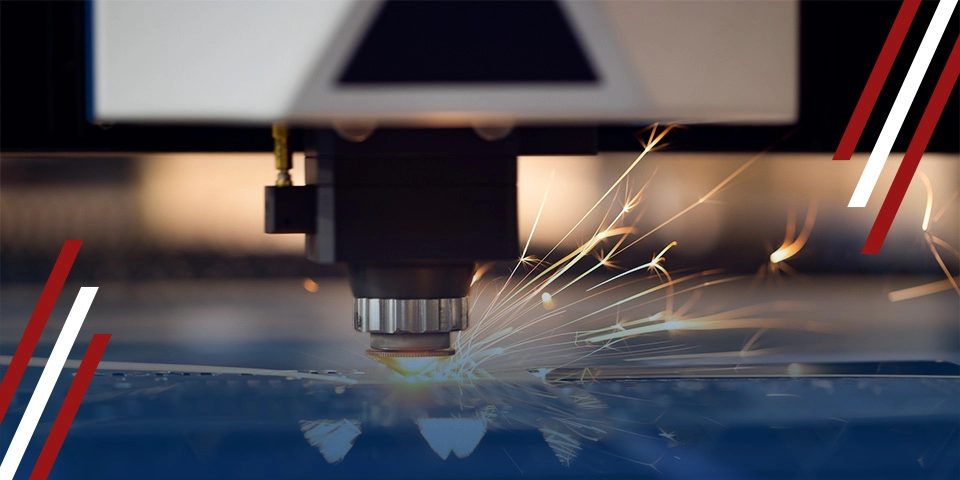
When choosing between aluminum and titanium, cost is a big factor. Aluminum is usually much cheaper, both in raw material price and machining. It’s easier to cut, shape, and weld, which makes it a favorite for projects with tight budgets or fast turnaround times.
Titanium, on the other hand, costs more upfront. It’s tougher to machine and requires special tools and skills. But its durability and corrosion resistance can save money over time by reducing maintenance and replacement.
From a sustainability view, aluminum is highly recyclable and uses less energy during processing. Titanium also recycles well, but producing it takes more energy and resources. If you’re aiming for eco-friendly options, aluminum might have the edge based on current manufacturing processes.
Key points to consider:
- Aluminum is budget-friendly and easy to work with
- Titanium costs more and needs advanced machining
- Aluminum has a smaller environmental footprint in production
- Titanium offers longer service life, potentially balancing out costs
For weight-sensitive U.S.-based projects, balance cost, machinability, and sustainability to find the best fit.
Choosing Between Aluminium and Titanium for Weight
When deciding between aluminium and titanium for weight-sensitive projects, it really comes down to what matters most in your application. Aluminium is lighter overall, with a density around 2.7 g/cm³ compared to titanium’s 4.5 g/cm³, so if pure weight is your top concern and cost is a factor, aluminium often wins. It’s also easier to machine and more budget-friendly for most projects in the U.S.
However, titanium’s strength to weight ratio is a game changer. It’s stronger and more durable per pound, making it feel lighter under stress despite being heavier on the scale. For applications like aerospace parts, high performance bike frames, or where corrosion resistance and long-term durability are critical, titanium might deliver more value despite the initial weight trade-off.
Here’s how you can think about it:
- Choose aluminium if:
- Cost efficiency is important
- You need a lightweight metal for general use
- Machinability and ease of fabrication matter
- Corrosion resistance is not the highest priority
- Choose titanium if:
- Strength to weight ratio is crucial
- The project demands high durability and corrosion resistance
- Weight savings under load and long-term performance are key
- Budget allows for a higher upfront cost
Ultimately, balancing weight, strength, cost, and project needs will steer your choice between aluminium and titanium. Understanding their trade-offs helps you pick the right metal for the job, especially here in the U.S. where aerospace and performance applications make this decision common.
 Spanish (Spain)
  English
  Spanish (Peru)
  German
  Korean
  Italian