
Discover ceramic CNC machining with expert tips on processes, challenges, and precision parts for aerospace electronics and advanced industries.
Understanding Ceramic Materials Properties and Why CNC Machining Matters
Ceramic materials are known for their unique combination of properties that make them ideal for demanding applications. They offer exceptional hardness, excellent thermal and chemical resistance, and are well-suited for extreme environments. However, their inherent brittleness makes them prone to cracking and chipping during manufacturing, which is why precise and controlled machining methods are essential.
When it comes to CNC machining ceramics, several common types stand out:
| Ceramic Type | Key Property | Typical Application |
|---|---|---|
| Alumina | Electrical insulation | Electronics substrates, insulators |
| Zirconia | High toughness | Structural components, implants |
| Silicon Carbide | Wear resistance | Seals, cutting tools, automotive |
Non-CNC methods like manual grinding often lead to inconsistency with surface finish and dimensions, causing higher scrap rates and longer production times. CNC machining enables repeatability, precision, and efficient processing of these brittle materials, reducing risk of cracks or fractures.
Selecting the right ceramic material for CNC machining depends on your application needs—balancing toughness, wear resistance, and thermal requirements. CNC technology unlocks the potential of ceramics by delivering tight tolerances and smooth finishes that manual methods struggle to achieve.
The Ceramic CNC Machining Process Step by Step Breakdown
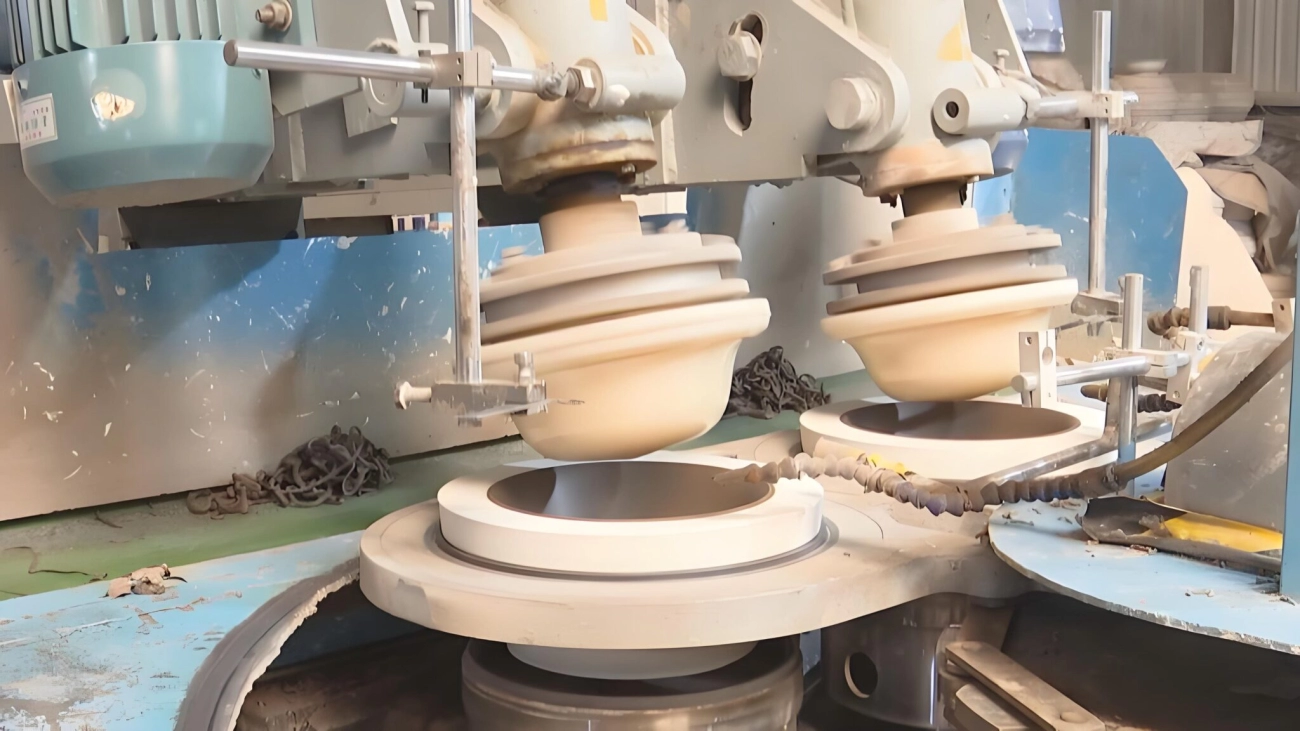
When it comes to ceramic CNC machining, the process starts with preparation. We begin by creating detailed CAD models of the part, then use CAM software to program precise toolpaths. This helps ensure every cut is accurate. A key step here is working with the ceramic in its “green” or bisque state—this means the material is partially fired but still softer. Machining at this stage reduces the risk of cracking after the final sintering process.
Next is execution. We use multi-axis CNC machines for milling and turning, often equipped with diamond-coated tools built for cutting hard ceramics like alumina and silicon carbide. Critical parameters like spindle speed and feed rates get carefully adjusted to keep vibrations low. Controlling vibration is essential because ceramics are brittle and can crack if stressed too much during machining.
Finally, the finishing stage involves grinding, lapping, and polishing to reach sub-micron tolerances. This step ensures the ceramic surface is smooth and fits tight specs. Coolant plays a big role here by managing heat and clearing debris away from the cutting area, protecting both the tool and the material.
Here’s a simple flow to visualize the process:
- CAD Modeling → 2. CAM Toolpath Programming → 3. Green State CNC Machining → 4. Sintering → 5. Grinding and Polishing → 6. Final Inspection
This step-by-step approach keeps precision ceramic components consistent, efficient, and ready for their toughest applications.
Tools Equipment and Best Practices for Success
When it comes to ceramic CNC machining, having the right tools and setup is key to getting top results. Diamond-coated endmills are essential since ceramics are super hard and wear down regular tools quickly. A rigid CNC machine, ideally with 4 or 5 axes, helps handle complex shapes without stressing the material, reducing the chance of cracks.
Here are some must-know tips and parameters for smooth machining:
- cURL Too many subrequests. is vital; even minor shaking can cause chipping or tool wear. Using balanced toolholders and steady feeds helps.
- Tool dressing keeps diamond tools sharp and effective. Proper dressing intervals extend tool life dramatically.
- Integrate your machining program carefully to avoid microcracks by controlling spindle speeds and feed rates.
- Follow this quick checklist before each run:
- Check tool sharpness
- Confirm vibration dampening
- Ensure coolant delivery is optimal
- Review CNC program for adaptive paths
Common pitfalls include overheating—too much heat damages both the tool and the ceramic—and tool wear from abrasive ceramic dust. Using slurry coolant helps manage debris and cool the cutting area. Also, synchronized tapping and peck drilling reduce tool stress.
A pro tip: integrating an in-house Coordinate Measuring Machine (CMM), like we do at Vast, supports real-time quality assurance and traceability. This means every part meets your tight tolerances before moving forward, cutting down waste and rework.
Having the right equipment, attention to detail, and good practices ensures success with ceramic CNC machining for any project.
Challenges in Ceramic CNC Machining and Proven Solutions
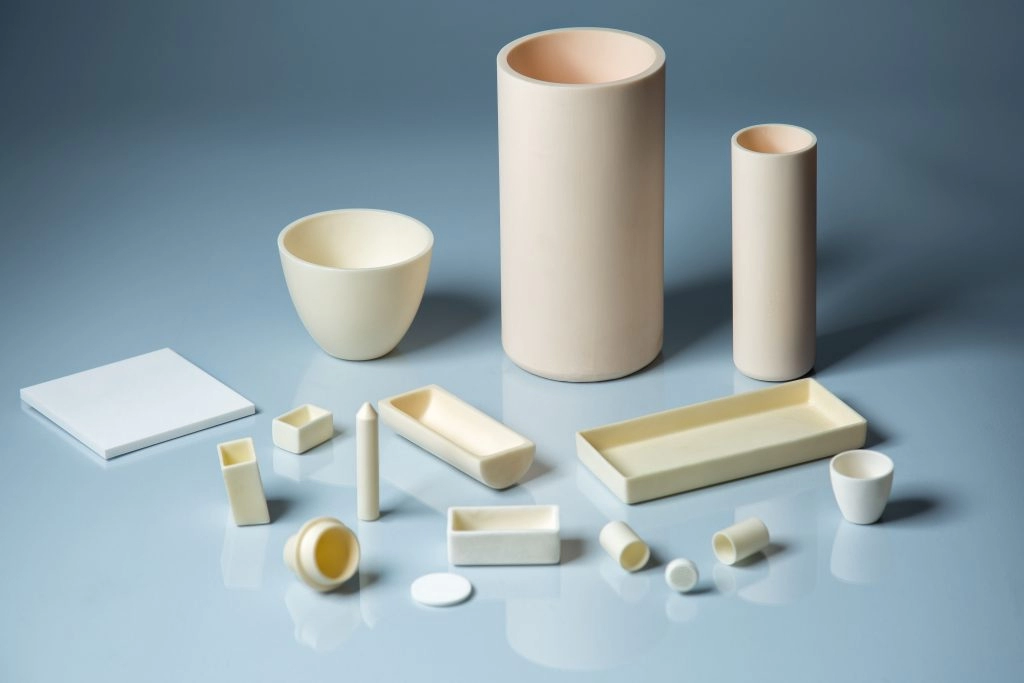
Ceramic CNC machining comes with its own set of tough challenges. The biggest hurdle is the material’s brittleness, which can easily cause chipping or cracking during cutting. Tooling costs are generally higher than metals, and the tough ceramic dust is a hazard that requires strict safety controls. Plus, tool life is shorter because ceramics are so hard and abrasive, leading to frequent tool wear and replacement.
To tackle these issues, many shops use pre-sinter machining, cURL Too many subrequests.
cURL Too many subrequests.
cURL Too many subrequests.
cURL Too many subrequests.
cURL Too many subrequests.
Aerospace and Defense
cURL Too many subrequests.
Electronics and Medical
cURL Too many subrequests.
cURL Too many subrequests.
cURL Too many subrequests.
Future Trends
cURL Too many subrequests.
cURL Too many subrequests.
| Ceramic Type | Key Benefit | cURL Too many subrequests. |
|---|---|---|
| Alumina | Electrical insulation | cURL Too many subrequests. |
| Zirconia | cURL Too many subrequests. | cURL Too many subrequests. |
| Silicon Carbide | cURL Too many subrequests. | cURL Too many subrequests. |
cURL Too many subrequests.
cURL Too many subrequests.
For more details on precision ceramic components and CNC grinding ceramics, feel free to reach out for a consultation.
Advantages of Partnering with Vast for Ceramic CNC Machining
When it comes to ceramic CNC machining, Vast stands out as a trusted partner in the U.S. With over 30,000 square feet of state-of-the-art facility space and ISO certification, we bring unmatched expertise in machining advanced ceramics like alumina and silicon carbide (SiC). Whether you need a quick prototype or full production scale, we have the capability and experience to deliver.
Our clients benefit from:
- Cost Savings through optimized machining processes and efficient CNC grinding ceramics
- Rapid Turnaround so you can keep your projects on schedule
- Custom Solutions tailored to your unique ceramic component needs, from zirconia CNC milling to precision ceramic parts
We focus on accuracy, reliability, and quality to ensure your ceramic parts perform exactly as required. Ready to improve your ceramic manufacturing process? Contact us for a free consultation and see how Vast can help.
 Spanish (Spain)
  English
  Spanish (Peru)
  German
  Korean
  Italian