
Discover expert insights on die casting parts including processes materials design tips and applications for precision manufacturing in automotive and more.
The Die Casting Process: From Molten Metal to Finished Component
Die casting transforms molten metal into precise, high-quality parts through a streamlined, efficient process. It starts by melting metal alloys—commonly aluminum, zinc, or magnesium—in a furnace, preparing the liquid metal for high-pressure injection. This molten metal is then forced into a steel mold (or die) under intense pressure, ensuring every detail of the mold cavity is filled quickly and accurately.
Hot-Chamber vs. Cold-Chamber Methods
Two primary die casting techniques dominate the industry:
- Hot-Chamber Die Casting: The injection mechanism is submerged in molten metal, making it ideal for low-melting-point alloys like zinc and magnesium. It’s fast and efficient but limited to certain metals.
- Cold-Chamber Die Casting: Metal is melted separately and then ladled into a cold injection chamber before being forced into the die. This method suits higher melting point metals, such as aluminum and brass, offering versatility but with slightly longer cycle times.
Choosing between these methods depends on the alloy, part size, and production volume needs.
Step-by-Step Die Casting Breakdown
- Mold Preparation: Dies are cleaned and coated with a release agent to ensure smooth ejection.
- Injection: Molten metal is injected at high pressure into the closed die cavity.
- Cooling and Solidification: The metal cools rapidly, solidifying into the precise shape of the part.
- Ejection: Once solid, the die opens, and ejector pins push the freshly cast part out.
- Trimming: Excess metal flash and runners are trimmed away, leaving a clean finished component.
Vast’s Proprietary Cooling Techniques
One game-changer in die casting is managing cooling time without sacrificing quality. At Vast, advanced cooling channel designs and temperature control systems reduce cycle times dramatically, speeding production while maintaining tight tolerances. This means faster turnaround and better throughput for customers demanding volume and precision.
In , the die casting process combines precise mechanical steps with smart material handling—whether using hot- or cold-chamber equipment—backed by innovations that keep production fast, reliable, and consistently high-quality.
Selecting the Right Materials for Die Casting Parts

Choosing the right material is key to getting the best die casting part for your needs. The most common alloys used are aluminum, zinc, magnesium, and brass/copper. Each has its strengths and fits different applications.
Common Alloys Explained:
- Aluminum: Lightweight, good strength, excellent corrosion resistance, and widely used in automotive and electronics.
- Zinc: Great for detailed parts because of its low melting point and high fluidity; it’s strong but heavier than aluminum.
- Magnesium: Even lighter than aluminum, with good strength and thermal conductivity; ideal for aerospace and automotive parts.
- Brass/Copper: Offers high corrosion resistance and good electrical conductivity but is less common due to cost.
What to Consider When Choosing an Alloy:
- Tensile Strength: How much load the part must carry.
- Ductility: Flexibility without breaking.
- Thermal Conductivity: Important for heat-sensitive applications.
- cURL Too many subrequests. Balancing performance vs. budget.
| Alloy | Strength | Weight | Thermal Conductivity | Cost | Best Use Cases |
|---|---|---|---|---|---|
| cURL Too many subrequests. | High | cURL Too many subrequests. | Good | Moderate | Automotive, electronics |
| cURL Too many subrequests. | cURL Too many subrequests. | Heavy | Moderate | cURL Too many subrequests. | cURL Too many subrequests. |
| cURL Too many subrequests. | cURL Too many subrequests. | cURL Too many subrequests. | cURL Too many subrequests. | cURL Too many subrequests. | cURL Too many subrequests. |
| cURL Too many subrequests. | cURL Too many subrequests. | Heavy | Very High | High | cURL Too many subrequests. |
cURL Too many subrequests. cURL Too many subrequests.
cURL Too many subrequests.
cURL Too many subrequests.
cURL Too many subrequests.
- cURL Too many subrequests. cURL Too many subrequests.
- cURL Too many subrequests. cURL Too many subrequests.
- cURL Too many subrequests. cURL Too many subrequests.
cURL Too many subrequests.
cURL Too many subrequests.
- Limit cURL Too many subrequests. or design with side actions to handle them efficiently.
- Use ribs and bosses to add strength without extra weight.
- Avoid sharp corners to reduce stress points and simplify mold design.
Tolerance and Finishing
- Standard die cast tolerances typically range from ±0.1 to ±0.25 mm, which suits most functional parts.
- Designing parts to require minimal secondary machining saves money and time.
- Consider built-in surface treatments and textures to reduce post-processing and enhance appearance.
Case Study: Gearbox Housing Redesign
We helped a client redesign a gearbox housing by optimizing wall thickness and adding strategic ribs. The result? They improved material efficiency by 15%, boosted impact resistance, and cut cycle time. This redesign struck a great balance between strength and cost, proving smart die cast part design pays off.
By following these guidelines, die casting parts come out strong, reliable, and cost-effective—just what U.S. manufacturers need to stay competitive.
Advantages and Limitations of Die Casting Parts
Die casting parts offer some clear benefits. They deliver high precision cURL Too many subrequests. cURL Too many subrequests. right out of the mold, which cuts down on costly secondary work. The process is highly scalable—meaning it’s ideal for both small runs and mass production, helping companies save on unit costs as volumes grow. Plus, the repeatability of die casting ensures tight tolerances, making it perfect for complex, detailed components.
That said, there are some downsides to keep in mind. The initial tooling costs for die casting molds can be steep, so it’s usually best suited for larger production runs. There are also size limits—very large parts often require different manufacturing methods. Porosity is another common issue with die cast parts, where tiny voids can affect strength. Thankfully, modern techniques and tools help manage this risk effectively.
When weighing the ROI of die casting versus other methods like sand casting or injection molding, it shines in scenarios needing high-volume, precise parts with good surface finish. For lower volumes or oversized components, other methods could be more cost-effective.
One of Vast’s key advantages is our use of simulation software that predicts defects before production starts. This technology helps reduce scrap and increase yield, delivering reliable quality while keeping costs down.
Real-World Applications: Where Die Casting Parts Drive Innovation
Die casting parts play a crucial role across many industries in the U.S., driving innovation with their precision and reliability.
Automotive Sector
From engine blocks and transmission cases to EV components, die cast parts help manufacturers deliver lightweight, strong, and heat-resistant solutions that meet strict standards for performance and safety.
cURL Too many subrequests.
Heat sinks, enclosures, and connectors are often made using die casting for their excellent thermal conductivity and tight tolerances — perfect for keeping devices cool and durable.
Aerospace and Medical
Precision valves and surgical tool housings require complex shapes and high-quality finishes. Die casting ensures these parts meet regulatory compliance while maintaining the needed strength and accuracy.
cURL Too many subrequests.
Die cast parts are found in toy mechanisms and furniture hardware, offering robust functionality with smooth, attractive finishes that appeal to consumers.
Industry Spotlight: Vast’s Impact
Vast has scaled production to over 1 million EV charger parts, showcasing our ability to support large-volume runs without compromising quality. Our experience demonstrates how die casting meets the growing demand for efficient, scalable, and cost-effective manufacturing in today’s fast-evolving markets.
Die Casting vs. Other Manufacturing Methods: Making the Smart Choice
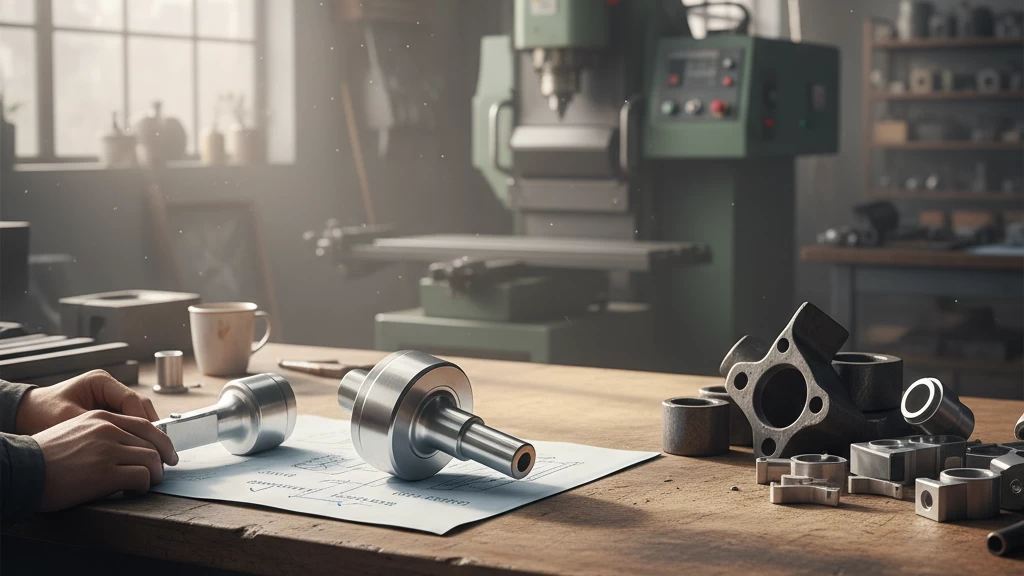
When it comes to choosing the right manufacturing method for your metal parts, understanding how die casting stacks up against alternatives is key.
cURL Too many subrequests.
- Investment casting cURL Too many subrequests.
- Sand casting cURL Too many subrequests.
- cURL Too many subrequests. cURL Too many subrequests.
cURL Too many subrequests.
- cURL Too many subrequests. cURL Too many subrequests.
- cURL Too many subrequests. cURL Too many subrequests.
- cURL Too many subrequests. cURL Too many subrequests.
- Budget: cURL Too many subrequests.
cURL Too many subrequests.
cURL Too many subrequests.
cURL Too many subrequests.
cURL Too many subrequests.
cURL Too many subrequests.
- cURL Too many subrequests. cURL Too many subrequests.
- cURL Too many subrequests. cURL Too many subrequests.
- Coordinate Measuring Machines (CMM) verify precise dimensions and tolerances.
Stopping defects before they happen is just as important. Our team digs into root causes—whether it’s mold wear, temperature swings, or alloy inconsistencies—and fixes them fast to keep production smooth.
On the sustainability front, we’re serious about green practices in die casting. We recycle aluminum scrap, minimize waste, and run low-emission furnaces to shrink our carbon footprint. Plus, our in-house labs certify alloy quality and track carbon emissions, so you get reliable parts made responsibly.
With Vast, you’re choosing top-notch quality control paired with a real commitment to sustainability—perfect for today’s demanding US market.
Partnering with Vast: Your Path to Superior Die Casting Solutions
With over 20 years in the industry, Vast brings unmatched experience and advanced high-pressure die casting presses to the table. We offer end-to-end service—from initial CAD review and prototyping to full-scale production—making your die casting part projects smooth and efficient.
Getting started is easy. Our team guides you through design validation, offers quick quotes, and supports scaling up production without sacrificing quality. Clients consistently report reduced lead times and low defect rates thanks to our rigorous quality control and process expertise.
Ready to improve your die casting parts? Download our free checklist and schedule a no-obligation audit to see how Vast can help you optimize costs and boost performance.
 Spanish (Spain)
  English
  Spanish (Peru)
  German
  Korean
  Italian