
Explore essential lathe components with detailed guides on parts, functions, maintenance, and practical tips for beginners and pros in machining.
The Foundation Understanding the Bed and Ways
Every lathe starts with a solid foundation—the bed and ways. Think of the bed as the backbone of the machine. It’s the long, sturdy base that holds everything in perfect alignment. Made from heavy-duty cast iron or steel, the bed absorbs vibrations and keeps your work precise. Without a rigid bed, your cuts would wobble, and accuracy would suffer.
The ways are the smooth, flat or V-shaped tracks along the bed. They guide the carriage and tailstock as they slide back and forth. These tracks must be perfectly straight and well-maintained because any wear or damage here throws off your tool positioning and messes with your final product.
Here’s what you need to keep in mind:
- High-quality bed ways reduce friction and wear.
- Proper lubrication keeps the carriage moving smoothly.
- Checking bed alignment regularly prevents costly mistakes down the line.
If you’re sourcing lathe components—whether from a custom lathe components factory in China or a local supplier—make sure the bed and ways uphold top standards. A good bed setup means less frustration and more confidence when you start machining. After all, no matter how advanced your lathe headstock or carriage is, it all rests on the bed’s foundation.
Powering the Spin Headstock and Spindle Essentials
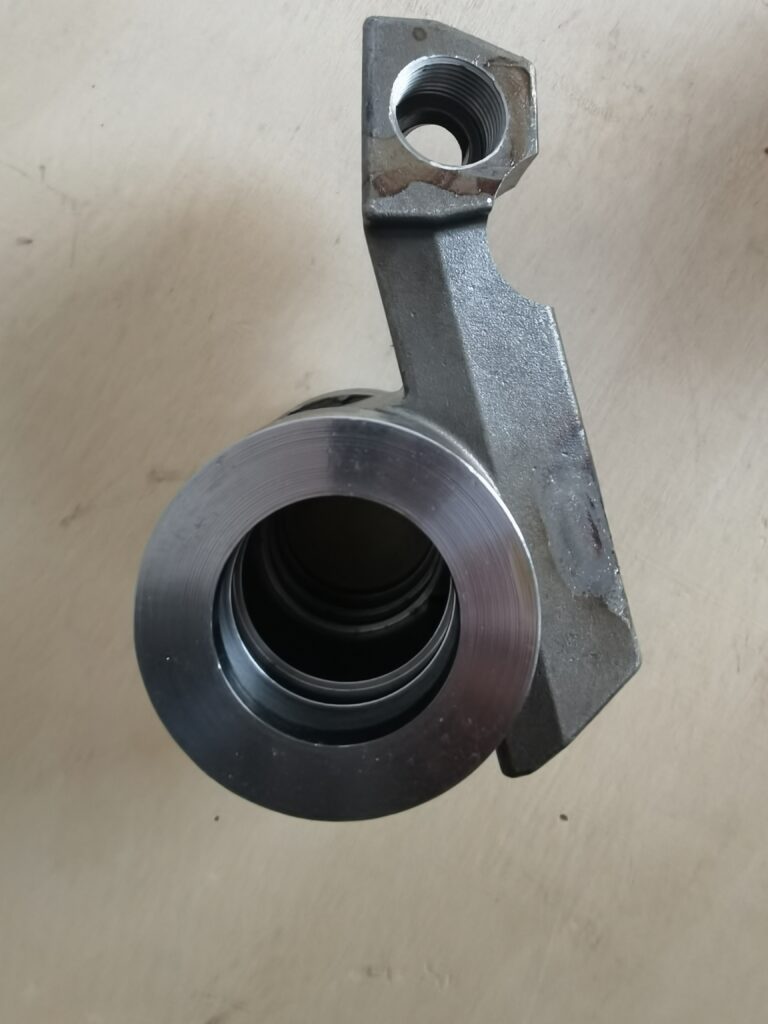
The headstock is the heart of your lathe—it holds everything that powers the spinning motion. Inside the headstock assembly, you’ll find the spindle, which is key to turning your workpiece. The spindle bore diameter matters because it limits the size of materials you can pass through. A sturdy headstock ensures stability and less vibration, which means better precision.
Most lathes in the US market feature reliable motors paired with durable spindle bearings, designed for smooth rotation and long life. Whether you’re working with custom or standard lathe components, knowing your headstock setup helps you choose the right speed and torque for the job.
If you’re looking at lathe components from China or a local factory, double-check that the spindle and headstock fit your needs—especially if you need specific spindle bore diameters or headstock assemblies designed for heavy-duty work. A well-designed headstock combined with the right spindle setup makes all the difference when turning precision parts.
Supporting the Workpiece Tailstock and Centers
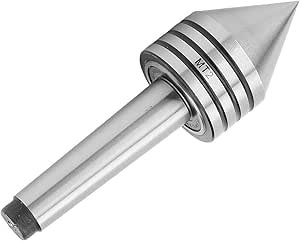
The tailstock is a key part of lathe components that helps support your workpiece during machining. Positioned opposite the headstock, the tailstock holds tools like drills or supports with centers to keep long or flexible pieces steady.
cURL Too many subrequests. tailstock quill slides in and out, allowing precise adjustments so you can apply just the right amount of pressure on the workpiece. Using centers—usually a live center or dead center—you get firm support that prevents wobbling or bending.
Here’s what you need to keep in mind:
- Tailstock quill should move smoothly without play for accuracy.
- Use the right center type based on your work: live centers rotate with the workpiece, dead centers stay still.
- Proper alignment of the tailstock with the lathe bed ways ensures consistent support.
- Adjusting the tailstock correctly helps avoid vibrations and extends tool life.
For those in the U.S. market looking for reliable and customizable options, lathe components from China or local factories often include tailstocks designed to match specific lathe builds and project demands. Whether you’re working on heavy-duty jobs or fine finishing, the tailstock and its centers make a huge difference in stability and quality.
Precision Control Carriage Cross Slide and Tool Post
When working with a lathe, controlling your cuts is all about the carriage, cross slide, and tool post. These components work together to give you smooth and accurate movements while shaping your workpiece.
- Carriage: This is the main part that moves along the lathe bed ways. It holds the cross slide and the tool post, allowing you to feed the cutting tool precisely along the length of your workpiece. Inside the carriage, the carriage apron contains the gears and controls that let you move the carriage manually or with power feed.
- Cross Slide: Mounted on top of the carriage, the cross slide moves at a right angle to the bed. This lets you adjust the cutting tool in and out, adding another layer of control for facing or turning operations.
- Tool Post: This is where you secure your cutting tools, whether it’s a turning tool, parting tool, or threading tool. Most lathes use a quick-change tool post, which makes swapping tools fast and keeps your work accurate. Adjusting the tool post correctly ensures the tool is at the right height and angle, which is key for clean cuts.
cURL Too many subrequests. cURL Too many subrequests. cURL Too many subrequests. cURL Too many subrequests., cURL Too many subrequests.
cURL Too many subrequests.
- cURL Too many subrequests.
- cURL Too many subrequests.
- cURL Too many subrequests.
cURL Too many subrequests.
cURL Too many subrequests.
cURL Too many subrequests.
cURL Too many subrequests. cURL Too many subrequests.
- cURL Too many subrequests. cURL Too many subrequests.
- cURL Too many subrequests. cURL Too many subrequests.
cURL Too many subrequests., collets are perfect. They provide a tight, uniform grip on small or delicate pieces, especially those with consistent diameters like rods or tubes.
Faceplates are less common but essential when you need to mount odd-shaped or large workpieces. They allow clamping or bolting directly to the faceplate’s surface, offering flexibility for custom jobs.
In the U.S. market, these workholding tools should be reliable, durable, and easy to swap out. Many custom lathe components from China or local factories offer tailored chuck types and collet sets compatible with popular lathe bed ways and headstock assemblies. This flexibility means you can upgrade or replace parts without hassle, keeping your shop efficient.
Key workholding pointers:
- Match the chuck or collet size with your spindle bore diameter.
- Use the right faceplate with secure bolts to avoid vibration.
- Regularly check chuck jaws and collet wear to maintain grip strength.
- Consider factory custom options if you deal with special materials or unique shapes.
Mastering these workholding lathe components makes your turning work smoother, safer, and more precise every time.
Drive Systems Apron Feed Rod and Lead Screw
When it comes to lathe components, the drive system is what keeps everything moving smoothly. The apron, feed rod, and lead screw work together to control the carriage and cross slide movement with precision.
cURL Too many subrequests. apron is attached to the carriage and houses the controls for feed engagement. It’s responsible for transmitting power from the drive mechanisms to move the tool along the workpiece. The feed rod provides consistent motion for the carriage and cross slide, especially during turning operations where precise, steady movement is needed.
cURL Too many subrequests. lead screw is crucial for threading. It connects directly to the spindle via gears and drives the carriage in sync with the workpiece’s rotation. This synchronization is vital when cutting threads, ensuring accuracy in pitch and depth.
For U.S. customers, especially those sourcing lathe components from local or China-based factories, understanding these elements helps in selecting or customizing parts that fit their specific needs—whether for manual or CNC lathes.
Key Points
- Apron controls carriage movement and feed engagement
- Feed rod supports smooth carriage and cross slide feed
- Lead screw is essential for precise threading operations
- Compatibility with headstock assembly and spindle bore diameter is important
- Factory-custom lathe components from China can be tailored for these drive parts
Knowing how the apron, feed rod, and lead screw work together gives you better control over your lathe’s performance and helps maintain consistent, high-quality machining results.
Advanced Add Ons From Steady Rests to CNC Integration
When you want to push your lathe’s capabilities further, advanced add ons are key. Steady rests are a classic upgrade, providing extra support for long or thin workpieces that might wobble during turning. They clamp onto the lathe bed ways and keep the material steady, helping ensure clean, accurate cuts every time.
On the techier side, CNC integration is a game changer. Adding CNC lathe parts lets you control the machine digitally, automating the cutting process for complex shapes and high precision jobs. This is perfect if you’re moving beyond basic manual work into more demanding or repeatable tasks.
Other add ons like follow rests, chip conveyors, and digital readouts can also make your lathe easier to operate and maintain precision. When shopping for custom or China-made lathe components, check compatibility with these advanced accessories to get the best out of your machine.
Upgrading with the right parts means better performance, less manual correction, and a smoother workflow—especially for shops in the U.S. aiming to boost productivity without replacing their entire lathe setup.
Lathe Components in Action Applications and Best Practices
Understanding how lathe components work together is key to getting the best results in your projects. Whether you’re turning a simple wooden dowel or machining a precision metal part, each part of the lathe plays a role.
- Headstock assembly and spindle: This is where the workpiece gets spun. Choosing the right spindle speed for your material ensures a smooth cut and longer tool life.
- Tailstock and centers: Use the tailstock quill to support longer workpieces, preventing wobble and ensuring accuracy.
- Carriage, cross slide, and tool post adjustmentscURL Too many subrequests.
- cURL Too many subrequests.cURL Too many subrequests.
- cURL Too many subrequests.cURL Too many subrequests.
- cURL Too many subrequests.cURL Too many subrequests.
cURL Too many subrequests.
cURL Too many subrequests.
cURL Too many subrequests.
cURL Too many subrequests.
cURL Too many subrequests.
- cURL Too many subrequests. cURL Too many subrequests.
- cURL Too many subrequests., cURL Too many subrequests.
- cURL Too many subrequests. cURL Too many subrequests.
- cURL Too many subrequests. parts like jaws and collets for wear or damage, replacing if needed.
- Tighten belts and gears in the drive system to maintain consistent power to the spindle.
- If you’re using CNC lathe parts or advanced add ons like steady rest support, follow the manufacturer’s guidelines for firmware and mechanical upkeep.
Upgrading your lathe with better parts or custom lathe components from a reliable China factory can boost precision and efficiency. Always pick components that fit your specific model and meet U.S. safety standards.
By doing these simple maintenance steps and timely upgrades, you can keep your lathe running smoothly and extend its operational life. This lowers downtime and makes your work more consistent and reliable every day.
 Spanish (Spain)
  English
  Spanish (Peru)
  German
  Korean
  Italian