
Discover high-temperature alloys with superior strength oxidation resistance and thermal stability for aerospace energy and industrial applications.
Core Properties What Makes High-Temperature Alloys Indispensable
High-temperature alloys are engineered to perform reliably in environments where ordinary metals would fail. Their core properties make them indispensable across demanding industries like aerospace, power generation, and chemical processing.
Mechanical Strength and Creep Resistance
One of the standout features of high-temperature alloys is their exceptional mechanical strength even at elevated temperatures. These materials resist deformation under long-term stresses—a property known as creep resistance. This ensures components retain their shape and function in settings such as gas turbines, where sustained stress and heat are common.
Oxidation and Corrosion Resistance
In high-heat environments, metals typically oxidize or corrode rapidly. High-temperature alloys, especially nickel-based and oxidation-resistant alloys, are formulated with elements like chromium and aluminum. These create protective oxide layers that minimize surface degradation, significantly enhancing lifespan and reliability.
Thermal Stability and Fatigue Resistance
Thermal stability means the alloy maintains its mechanical properties despite rapid temperature changes or prolonged heat exposure. High-temperature alloys also resist thermal fatigue, preventing cracks from forming due to repeated heating and cooling cycles. This stability is vital in applications like aerospace superalloys, where safety and performance are critical under fluctuating thermal conditions.
Together, these core properties enable high-temperature alloys to excel where strength, durability, and resistance to harsh environments intersect—making them an essential choice for critical, high-performance applications.
Types of High-Temperature Alloys A Comprehensive Breakdown
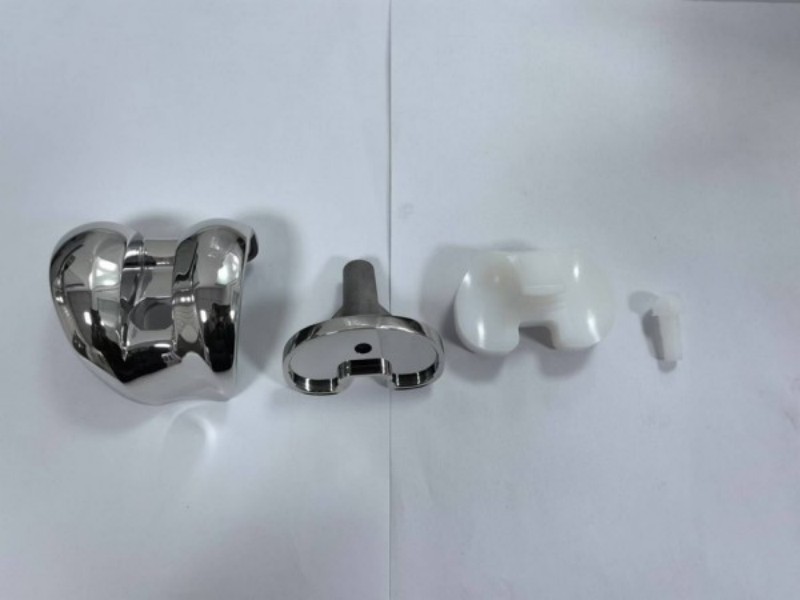
Nickel-Based Superalloys The Industry Workhorses
Nickel-based superalloys are the most widely used high-temperature alloys. They stand out for their excellent mechanical strength, creep resistance, and ability to maintain performance even at extreme temperatures. These alloys are the backbone of aerospace superalloys and gas turbine materials, thanks to their durability and oxidation-resistant properties. Popular examples like Inconel alloys are a go-to choice in many U.S. manufacturing sectors where reliability under heat is a must.
Cobalt-Based Alloys For Extreme Wear and Heat
Cobalt-based alloys shine when it comes to resisting wear and maintaining strength in environments with severe heat exposure. They offer excellent thermal stability and corrosion resistance, making them ideal for components exposed to both high temperatures and harsh atmospheres. In industries like chemical processing and high-end power generation, cobalt alloys provide a trusted alternative for parts that require long-lasting performance under extreme conditions.
Iron-Based and Emerging Alloys Cost-Effective Alternatives
Iron-based alloys and newer high-entropy alloys are gaining ground as more affordable options for high-temperature applications. While they may not match the extreme performance of nickel or cobalt counterparts, these alloys still offer good heat resistance and mechanical strength for less demanding projects. For many manufacturing needs in the U.S., these cost-effective alternatives strike the right balance between quality and budget, especially when tailored through processes like forging or additive manufacturing.
Applications Where High-Temperature Alloys Shine in Real-World Scenarios
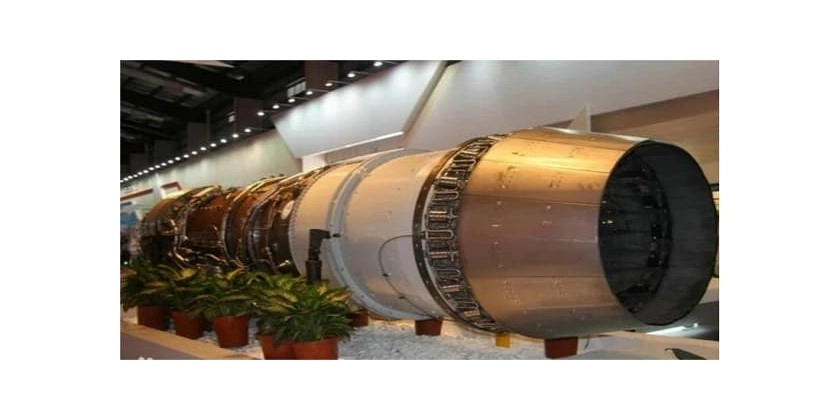
High-temperature alloys are essential in several industries across the United States, thanks to their reliability under extreme conditions. Here’s a look at where these materials truly stand out.
Aerospace and Gas Turbines
In aerospace, nickel-based alloys and aerospace superalloys are crucial. They handle intense heat and stress inside jet engines and gas turbines. These alloys maintain strong mechanical performance and resist creep, helping turbines run efficiently and safely for longer periods. Companies relying on Inconel alloys can expect durability that keeps flights smooth and powered.
Power Generation and Industrial Furnaces
Power plants and industrial furnaces demand materials that withstand constant high temperatures and thermal fatigue. High-temperature alloys, especially iron-based and cobalt-based types, offer excellent oxidation resistance and thermal stability. This means turbines, boilers, and burners work with better efficiency and less downtime due to alloy degradation.
Chemical Processing and Emerging Uses
Chemical plants use heat-resistant metals to tackle aggressive environments involving corrosive fluids and high heat. Oxidation-resistant alloys reduce maintenance costs and avoid production interruptions. Plus, emerging uses like additive manufacturing allow custom high-temperature alloy parts, increasing flexibility and innovation for factories focused on specialized projects.
In short, whether it’s aerospace, power generation, or chemicals, high-temperature alloys ensure performance, safety, and cost-effectiveness in critical applications.
Manufacturing and Selection Guide Choosing the Right Alloy for Your Project
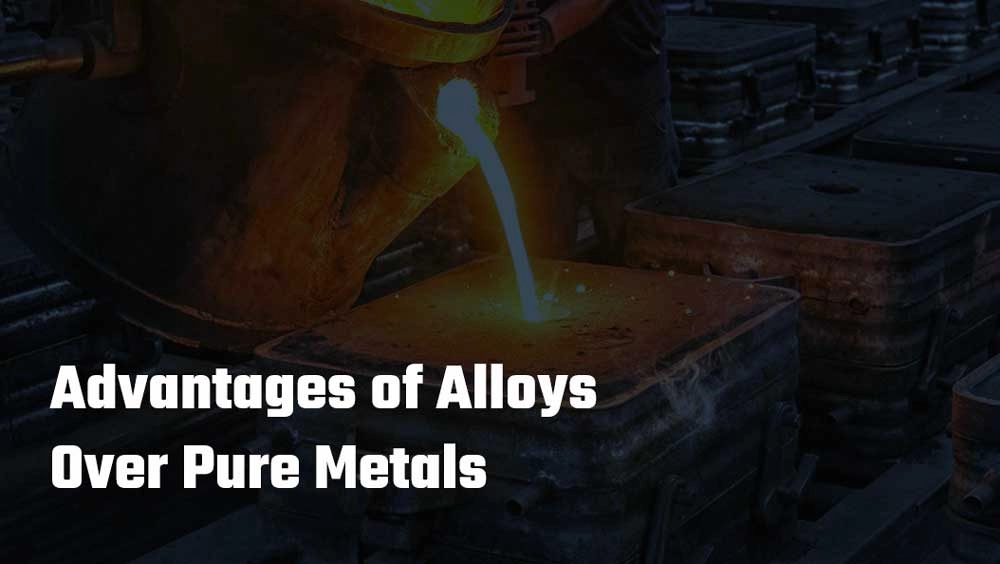
When working with high-temperature alloys, picking the right material and manufacturing method is key. Here’s a quick guide to help you make smart choices for your project.
Key Processes Casting Forging Additive Manufacturing
- Casting: Great for complex shapes and larger parts. It’s cost-effective but may have some limits on strength compared to forged pieces. Common for components like turbine blades.
- Forging: Offers better mechanical strength and creep resistance. Ideal when durability under stress is a must, such as in aerospace or power generation parts.
- cURL Too many subrequests. Also called 3D printing, it’s gaining traction for custom or low-volume runs. Allows for intricate designs and material savings. Perfect for prototypes or specialized heat-resistant metals.
cURL Too many subrequests.
- cURL Too many subrequests. cURL Too many subrequests.
- cURL Too many subrequests. cURL Too many subrequests.
- cURL Too many subrequests. cURL Too many subrequests.
- cURL Too many subrequests. cURL Too many subrequests.
- cURL Too many subrequests. cURL Too many subrequests.
cURL Too many subrequests.
- cURL Too many subrequests. cURL Too many subrequests.
- cURL Too many subrequests. cURL Too many subrequests.
- cURL Too many subrequests. cURL Too many subrequests.
- cURL Too many subrequests. Explore emerging high-entropy alloys for cost-effective alternatives without sacrificing quality.
By understanding these key points, you can confidently select the right high-temperature alloy and manufacturing path to fit your specific project needs.
Innovations and Future Trends in High-Temperature Alloys
Advances in Alloy Design
High-temperature alloys are evolving fast thanks to breakthroughs in alloy design. New materials like high-entropy alloys combine multiple elements to boost strength, creep resistance, and oxidation resistance all at once. These advances help alloys perform better under extreme heat and stress, making them ideal for aerospace, power plants, and chemical processing industries. Researchers are also experimenting with nano-structured coatings and modified grain boundaries to extend the life of these heat-resistant metals.
Vast’s Role in Pushing Boundaries
At Vast, we’re at the forefront of these innovations. By leveraging cutting-edge additive manufacturing and custom alloy formulation, we tailor high-temperature alloys to meet specific U.S. market needs—whether it’s aerospace superalloys or heat-resistant metals for industrial furnaces. Our factory focuses on combining mechanical strength with thermal stability for top-notch performance, helping customers reduce downtime and maintenance costs. With Vast, you get more than a supplier; you get a partner pushing the limits of what heat-resistant materials can do.
 Spanish (Spain)
  English
  Spanish (Peru)
  German
  Korean
  Italian