
Learn how to strip chrome plating safely at home with step-by-step DIY methods for tools cars and more using chemical and mechanical techniques.
Understanding Chrome Plating Types and When to Strip It
Wondering how to strip chrome but not sure if you really need to? The first step is understanding the two main types of chrome plating: decorative and hard chrome. Decorative chrome gives that shiny, mirror-like finish you see on car bumpers and household fixtures. It’s mostly for looks and protection against rust. Hard chrome, on the other hand, is much thicker and tougher. It’s used on industrial parts like pistons, tools, and machinery where wear resistance matters.
Knowing the difference helps you decide if stripping is necessary or if a simple polish will do. So, when should you strip chrome? Common signs include peeling, flaking, deep pitting, or corrosion beneath the surface. If the chrome is damaged beyond repair or you want to refinish the base material, stripping becomes a must.
Speaking of the base, it really matters. Chrome plating is usually applied on steel, aluminum, or plastic. Some stripping methods are better suited for certain materials. For example, acid stripping works well on steel but can harm aluminum if not done carefully. Always factor in what lies beneath the chrome before choosing your method.
By spotting these signs and knowing the type of chrome you’re dealing with, you can pick the right approach and get your parts looking great again.
Essential Safety Precautions Before Stripping Chrome
Stripping chrome can be tricky and even dangerous if you don’t take the right precautions. Before you dive into any chrome stripping method, it’s important to gear up like a pro to protect yourself.
Gear Up Properly
- Wear chemical-resistant gloves to protect your skin from harsh acids or alkaline solutions.
- Use safety goggles or a full face shield to guard your eyes against splashes.
- Work in a well-ventilated area or outdoors to avoid inhaling toxic fumes.
- Consider wearing a respirator if you’re working with strong chemicals like hydrochloric or muriatic acid.
- Use long sleeves and closed-toe shoes to minimize skin exposure.
Workspace and Disposal Tips
- Cover your work surface with plastic or disposable materials to catch drips and spills.
- Have a neutralizing agent handy, such as baking soda for acid spills.
- Dispose of used chemicals and contaminated materials properly—never pour hazardous liquids down the drain. Check local regulations for hazardous waste disposal.
- Keep a fire extinguisher nearby, especially if working with flammable materials or sanding near dust.
Understand the Risks
- Chemical stripping involves corrosive substances that can cause burns or respiratory issues.
- Mechanical methods like sandblasting generate dust that can harm your lungs if you don’t wear the right mask.
- Electrochemical stripping requires careful handling of electricity and chemicals; improper setup can cause shocks.
Taking these safety steps seriously will help you strip chrome confidently and without surprises. Safety first means a smoother, cleaner process from start to finish.
Method 1 Chemical Stripping Fast and Accessible for Most DIYers
Chemical stripping is one of the quickest and easiest ways to remove chrome plating, especially if you’re tackling a small project at home. This method uses strong chemicals to break down the chrome layer, letting you cleanly strip it away without heavy tools.
Acid Based Soak Hydrochloric Muriatic Acid
One common chemical used is hydrochloric acid, often found as muriatic acid in hardware stores. It’s powerful and effective at dissolving chrome plating but comes with safety risks. Always wear gloves, goggles, and work in a well-ventilated area. You soak the chrome piece in a diluted muriatic acid solution until the plating loosens. Keep an eye on the part to avoid damage to the base metal underneath.
Alkaline Options Sodium Hydroxide or Bleach
If acids feel too harsh, alkaline solutions like sodium hydroxide (lye) or even concentrated bleach can work too. These chemicals eat away the chrome layer over time, though not as fast as acids. Sodium hydroxide is common in drain cleaners, but handle it with care since it’s still very caustic. These options are good for tougher chrome jobs where you want more control or safer handling.
Household Hacks
For smaller or less stubborn chrome spots, some DIYers use household items like vinegar and baking soda baths to weaken the chrome layer. While not as strong as acid or alkaline solutions, they’re safer and easier when you just need to strip thin or spotty chrome. These methods take longer but are worth a try if you want to avoid harsh chemicals.
Chemical stripping is a solid choice if you want quick results and don’t mind handling strong chemicals. Just remember proper safety gear and disposal of your chemical waste to protect yourself and the environment.
Method 2 Mechanical Stripping For Precision Without Chemicals

Mechanical stripping is a great option if you want to remove chrome without using harsh chemicals. It’s especially useful when working on delicate parts or when you need more control over the removal process.
Abrasive Blasting Sandblasting
Sandblasting uses high-pressure air to shoot abrasive materials like sand or glass beads at the chrome surface. This blasts away the plating quickly and evenly. It’s fast and effective for large or stubborn chrome areas, but you’ll want to protect nearby parts and wear safety gear to avoid inhaling dust.
Sanding and Polishing
For smaller jobs or finer detail work, sanding and polishing work well. Use sandpaper starting with coarse grit and move to finer grits to gradually strip off the chrome. After sanding, polishing helps smooth the surface and prep it for refinishing. This method takes more time but offers great precision, especially on curved or uneven surfaces.
When to Choose Mechanical
- You want to avoid chemicals due to health or environmental concerns
- The item has intricate details or sensitive base materials
- You prefer more control over how much chrome to remove
- You have access to the right tools like sandblasters or sanding equipment
Mechanical stripping can be a clean, eco-friendly way to remove chrome plating, especially if you take the time to do it carefully. Just remember to wear protective gear and work in a well-ventilated space.
Method 3 Electrochemical Stripping Advanced Reversal for Clean Results
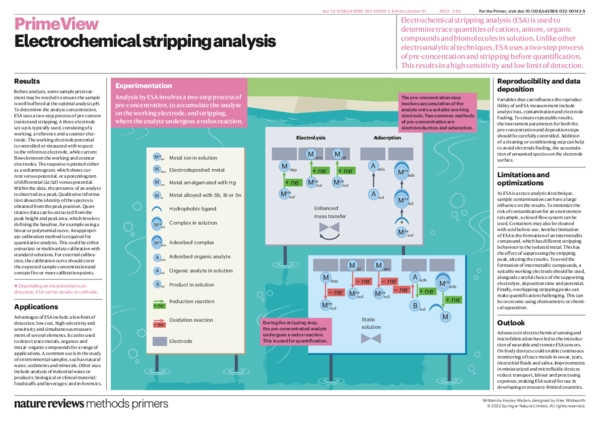
Electrochemical stripping, also called reverse electroplating, is a more advanced way to remove chrome plating. Instead of harsh chemicals or sanding, it reverses the plating process by using an electrical current to lift the chrome off the part. This method can give you clean results without damaging the base material.
Reverse Electroplating Basics
In reverse electroplating, the chrome-plated part acts as an anode (positive terminal), and a stainless steel or similar metal piece acts as the cathode (negative terminal). Both go into a special electrolyte solution. When electricity passes through, the chrome layer breaks down and comes off, naturally depositing onto the cathode or into the solution.
Step by Step Setup and Execution
- Prepare your workspace: Make sure you have a well-ventilated area and use protective gear like gloves and goggles.
- Build the setup: Connect your chrome part to the positive terminal and the metal cathode to the negative.
- Immerse in electrolyte: Use a commercial solution designed for reverse electroplating, or make one at home with salt and water for small jobs.
- Run the current: Use a DC power supply set to low voltage (commonly 3-12 volts). The duration varies with size and thickness, usually 20 minutes to a few hours.
- Monitor progress: Check periodically to avoid over-stripping or damage to the base.
- Remove and clean: When the chrome is gone, rinse the part thoroughly and dry.
DIY vs Pro
While DIY electrochemical stripping is possible, it requires careful setup and safety measures to avoid electrical hazards or chemical burns. Pros have specialized equipment and stronger, safer solutions for fast and effective stripping without metal damage. If the part is valuable or complex, hiring a professional might be your best bet. For smaller or less critical jobs, this method is a clean, effective alternative to chemical or mechanical stripping.
Post Removal Finishing and Refinishing Your Stripped Parts
After you strip chrome, the job isn’t finished until you clean, inspect, and refinish the parts properly. Here’s what to focus on to get the best results:
Cleaning and Inspection
- Thorough Cleaning: Use warm soapy water or a degreaser to remove any leftover chemicals or debris. Make sure the surface is completely dry before moving on.
- Check for Damage: Look closely for pitting, rust, or uneven surfaces. Chrome stripping can sometimes reveal flaws in the base metal that need addressing before refinishing.
Refinishing Options
- Polishing: For small imperfections and a smooth finish, sanding and polishing can restore shine without re-plating.
- Re-Chroming: If you want that classic chrome look back, professional re-chroming or plating services are the way to go.
- Alternate Coatings: Consider powder coating, painting, or clear coats if you want something different or more durable than chrome.
Solución de problemas comunes
- Surface Roughness: If the metal feels rough or etched, try finer grit sanding or buffing before refinishing.
- Remaining Residue: Persistent chemical residue can cause discoloration; a second cleaning or mild acid rinse might help.
- Rust Spots: Treat rust immediately with rust converters or primer to stop it from spreading under new finishes.
Taking time on the finishing steps will protect your parts and make sure your chrome removal project lasts longer and looks great.
FAQs Quick Answers to Stripping Chrome Queries
How do I remove chrome plating safely at home?
Use chemical stripping with proper safety gear like gloves and goggles, and work in a well-ventilated area. Mechanical methods like sanding or sandblasting are also safer options if you want to avoid harsh chemicals.
Can I strip chrome from steel parts myself?
Yes, many DIYers strip chrome from steel using chemical solutions or mechanical methods. Just know the base material first to choose the right process and avoid damage.
Is acid stripping chrome dangerous?
It can be if you don’t take safety steps. Always use gloves, eye protection, and work outside or in a ventilated space. Avoid breathing fumes and dispose of chemicals properly.
When should I choose mechanical stripping?
Pick mechanical stripping if you want precision and control or if you’re removing chrome from delicate parts. Sanding or sandblasting works great when you want to avoid chemicals.
What is reverse electroplating for chrome removal?
Reverse electroplating uses electricity to strip chrome in a controlled way. It’s cleaner but more advanced—usually better for pros or those with electrochemical experience.
How do I refinish parts after stripping chrome?
After stripping, clean and inspect the surface thoroughly. You can repaint, replate, or polish depending on the part and your goal.
Are there household products that remove chrome?
Yes, some strong alkaline cleaners and bleach may help, but they’re slower and less reliable than commercial chrome stripping products.
Can I reuse chrome plating after stripping?
You can’t reuse removed chrome plating, but you can refinish or replate the base material for a fresh chrome layer.
 Spanish (Spain)
  Chinese
  English
  Spanish (Peru)
  German
  Korean
  Italian