
Discover expert CNC fixturing tips and techniques to improve machining accuracy efficiency and repeatability with Vast’s modular solutions.
The Fundamentals of CNC Fixturing What It Is and Why It Matters
CNC fixturing is the process of securely holding a workpiece in place during machining with a computer numerical control (CNC) machine. Think of it as the foundation that keeps parts steady so the machine can cut, drill, or shape them with precision. Without proper fixturing, even the most advanced CNC machines can produce inconsistent or faulty parts.
Why does it matter? Because fixturing directly impacts precision part repeatability, efficiency, and overall quality. A stable fixture minimizes movement and vibration, helping you hit tight tolerances every time. It also speeds up CNC setup optimization by reducing the need for constant adjustments, saving both time and money. Whether you’re running a small shop or a high-volume production line, investing in the right workholding solutions is key to consistent success.
In the U.S. manufacturing landscape, where competitiveness demands both speed and accuracy, mastering CNC fixturing offers a real edge. From modular tooling plates to custom machining fixtures and vacuum clamping systems, the right fixture adapts to your workflow and materials. Understanding the fundamentals of CNC fixturing helps operators and engineers make smarter decisions that boost productivity and reduce downtime.
Top 10 CNC Fixturing Types Choosing the Right One for Your Workflow
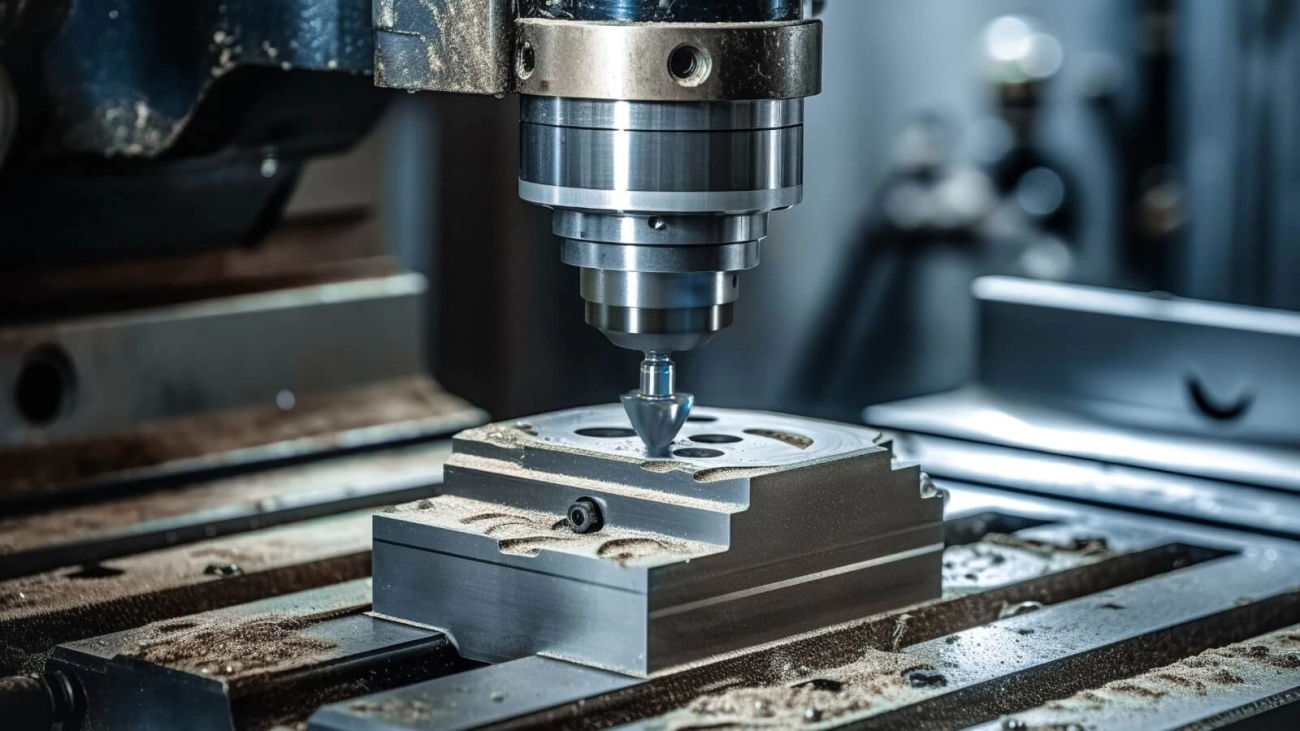
Picking the right CNC fixturing type can make all the difference in your shop’s efficiency and part quality. Here are the top 10 fixturing options you’ll see in the US manufacturing scene, helping you get the best fit for your setup:
- CNC VisesThe classic choice for workholding solutions. They’re easy to use and great for holding standard parts securely.
- Modular Tooling PlatesFlexible and customizable, these plates let you rearrange clamps and locators quickly for different jobs.
- Custom Machining FixturesMade for specific parts, these fixtures improve precision and repeatability when you need exact setups.
- Vacuum Clamping SystemsIdeal for thin or delicate materials, vacuum clamps hold parts firmly without causing damage.
- Pallet Fixtures with Automated Pallet ChangersPerfect for automated or high-volume shops; these improve CNC setup optimization by reducing downtime.
- Magnetic Clamping FixturesUsed mainly on ferrous materials, they provide quick and reliable workholding with minimal setup.
- Soft Jaws and Custom InsertsAdapt standard vises to irregular shapes, boosting accuracy without needing full custom fixtures.
- Toggle Clamps and Manual ClampsGood for small shops or manual operations, offering fast and simple part securing.
- Fixture Plates with LocatorsUse pins, bushings, or other locators for precise part positioning, essential for repeatability.
- Jig FixturesWhile technically different from fixtures, jigs guide tools and can be part of combined setups for complex work.
Choosing the right type hinges on your part size, material, production volume, and budget. For US shops, focusing on fixturing that speeds up CNC setup optimization while boosting precision is key. Also, working with reliable CNC fixturing manufacturers, including those offering customization and factory-direct shipping from China, can give you a competitive edge without compromising quality.
CNC Fixture Design Principles Building for Accuracy and Efficiency
When designing CNC fixturing, accuracy and efficiency are the top priorities. The goal is to hold your workpieces securely and precisely, making sure each part is machined exactly the same way every time. Here are the key principles to keep in mind:
- Repeatability: Use fixture elements like precision locating pins and CNC vise types that guarantee the part fits consistently in the same spot. This helps maintain precision part repeatability across all runs.
- Stability: The fixture must firmly hold the part to prevent any movement or vibration during machining. Incorporate workholding solutions like modular tooling plates or custom machining fixtures designed to match the part’s shape.
- Accessibility: Design the fixture so your cutting tools have full access to all necessary surfaces without obstruction. This avoids extra setups and keeps the process efficient.
- Ease of Use: Quick loading and unloading improve CNC setup optimization. Consider using automated pallet changers or quick-release clamps to reduce downtime, especially in production lines.
- Material Consideration: Fixtures should be made from durable materials that resist wear but also avoid damaging the part. Aluminum and steel are common choices depending on the application.
- Balance and Weight Distribution: Proper weight balance in the fixture helps minimize vibrations, improving the finish quality and tool life.
By focusing on these fixture design principles, you’ll build setups that boost your machining accuracy and overall workflow efficiency. Whether you run a small shop or a large production line, paying attention to design details makes a big difference in output quality and cost savings.
Pro Tips for CNC Fixturing Success From Small Shops to Production Lines
Whether you’re running a small shop or managing a full production line, getting your CNC fixturing right saves time and boosts quality. Here are some straightforward tips to help you succeed:
1. Start with the right workholding solution
Choose fixturing that fits your parts and workflow. Modular tooling plates and CNC vise types offer flexibility, while custom machining fixtures provide a precise fit for unique jobs.
2. Prioritize precision part repeatability
Your fixtures should hold parts firmly but gently—repeatability is key to cutting errors and scrap. Use vacuum clamping systems or automated pallet changers when possible to speed up setups without losing accuracy.
3. Simplify CNC setup optimization
cURL Too many subrequests.
cURL Too many subrequests.
cURL Too many subrequests.
cURL Too many subrequests.
cURL Too many subrequests.
cURL Too many subrequests.
 Spanish (Spain)
  English
  Spanish (Peru)
  German
  Korean
  Italian