
Learn what metal plating is its types benefits and applications in industry and DIY projects with expert tips on electroplating and surface preparation.
The Fundamentals: What Exactly Is Metal Plating?
Metal plating is the process of depositing a thin layer of metal onto the surface of a different metal or material, known as the substrate. This creates a protective or decorative coating that enhances the substrate’s properties without altering its core structure. The substrate could be steel, copper, plastic, or other metals, while the plating metal might be gold, nickel, chrome, or zinc, depending on the desired finish and function.
Historically, metal plating dates back thousands of years, beginning with simple gilding techniques in ancient civilizations. Over time, the evolution of industrial methods like electroplating in the 19th century revolutionized how we apply metals, enabling stronger adhesion, precision, and versatility in coatings.
The key to effective metal plating lies in surface preparation and bonding. Before plating, substrates undergo thorough cleaning and sometimes etching to remove contaminants like grease or rust. This ensures the plating metal adheres firmly and uniformly. Proper surface prep sets the foundation for durable, corrosion-resistant coatings that perform well in real-world applications.
Understanding these fundamentals guides you toward selecting the right plating process and metals for your project, balancing aesthetics, protection, and functionality.
How Metal Plating Works: A Step-by-Step Breakdown
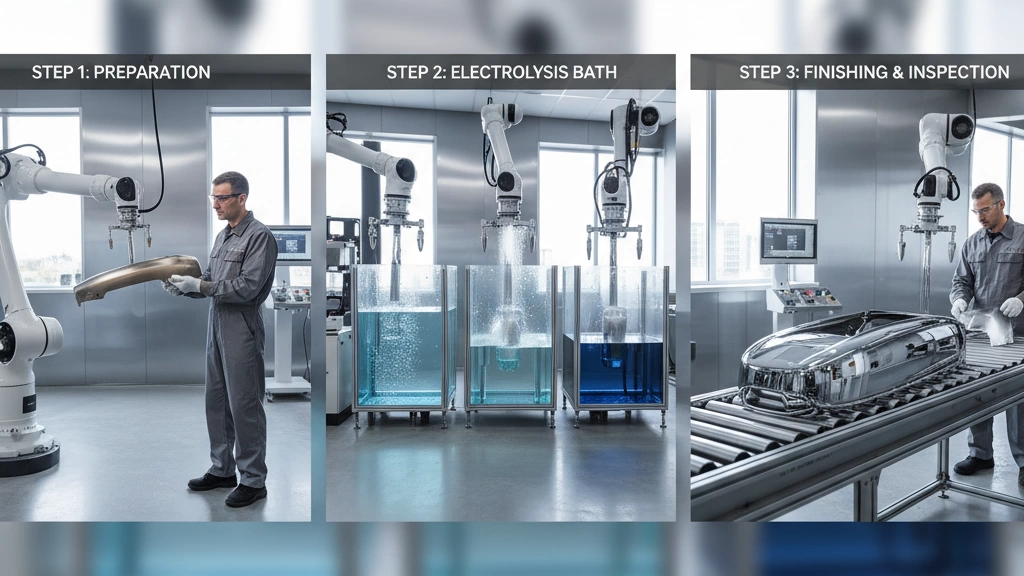
Metal plating mainly uses two methods: electroplating and electroless plating. Both add a thin layer of metal onto a surface, but they work differently.
Electroplating Process
Electroplating uses electricity to deposit metal onto a conductive surface. Here’s how it typically works:
- Surface Preparation: Clean and polish the metal substrate to remove dirt, oils, and rust. Proper surface prep is key for adhesion.
- Setup: The item is dipped into a solution (called an electrolyte) containing metal ions.
- Electric Current Application: A direct current runs through the item (cathode) and a metal anode. Metal ions from the solution plate onto the item.
- Deposition: Over time, these metal ions form a smooth, even layer on the item.
- Rinsing and Drying: Finally, the plated piece is rinsed and dried to remove any leftover chemicals.
Electroless Plating
Unlike electroplating, electroless plating doesn’t need electricity. It uses a chemical reaction to deposit metal, making it great for non-conductive surfaces like plastics.
- This method grows metal layer evenly, even in hard-to-reach areas.
- Commonly used for electroless nickel deposition, which provides corrosion resistance and durability.
Factors Influencing Plating Quality
Several things can affect how good the final metal plating looks and lasts:
- Surface cleanliness: Any residue can cause poor adhesion.
- Solution concentration: The right chemical balance is necessary.
- Temperature and time: Both impact how thick and even the plating gets.
- Electrical current (for electroplating): Too much or too little current causes defects.
Troubleshooting Common Issues
- Uneven plating or blotches: Usually from dirty surfaces or improper current.
- cURL Too many subrequests. cURL Too many subrequests.
- cURL Too many subrequests. cURL Too many subrequests.
cURL Too many subrequests.
cURL Too many subrequests.
cURL Too many subrequests. cURL Too many subrequests. and cURL Too many subrequests.. cURL Too many subrequests.
cURL Too many subrequests.
cURL Too many subrequests.
cURL Too many subrequests.
cURL Too many subrequests.
cURL Too many subrequests.
cURL Too many subrequests.
cURL Too many subrequests.
cURL Too many subrequests.
cURL Too many subrequests.
Zinc plating, often called galvanization, is a top choice for protecting steel fasteners and outdoor metal parts from rust. It’s cost-effective and reliable for corrosion resistance but generally offers a less shiny finish compared to decorative metals.
Emerging Plating Options
New techniques like alloy plating and Physical Vapor Deposition (PVD) are gaining traction. Alloy plating mixes different metals for enhanced qualities, while PVD provides ultra-thin, durable coatings with precise control over thickness and color. These options often balance performance and eco-friendliness, making them attractive for high-tech and luxury markets.
In sum, selecting the right plating depends on whether you need a protective, functional coat or a polished, decorative finish—matching the metal type and its intended use is key.
Benefits and Applications: Real-World Impact of Metal Plating
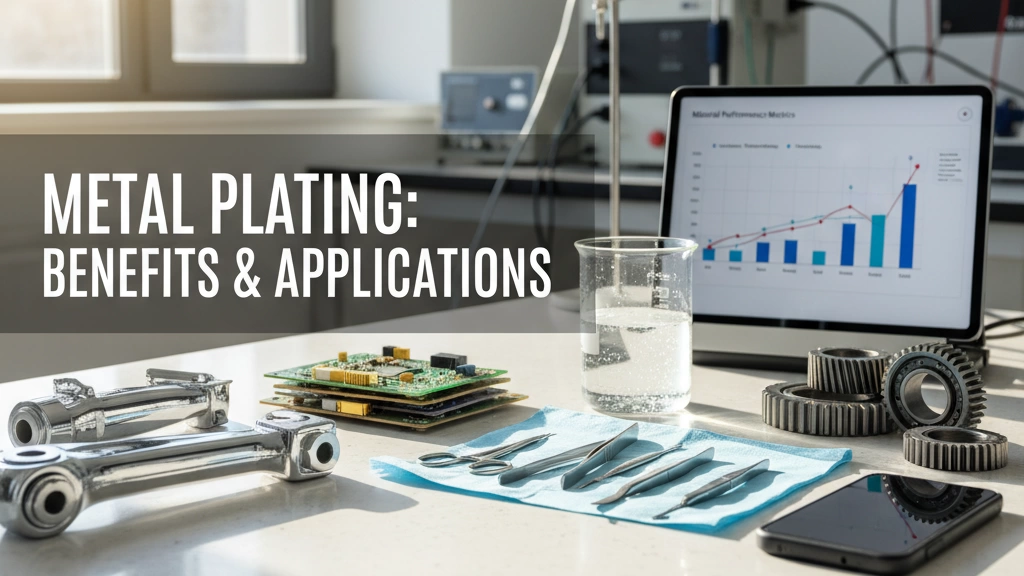
Metal plating offers many real benefits, from making products last longer to improving how they look and work. Here’s a quick look at why metal plating is a go-to solution across industries in the U.S.
Key Benefits of Metal Plating
| cURL Too many subrequests. | What It Means |
|---|---|
| Corrosion Resistance | Protects metal parts from rust and wear, boosting durability. Perfect for outdoor gear and automotive parts. |
| Durability | Adds hardness to surfaces, reducing scratches and damage over time. |
| Aesthetic Enhancements | Provides custom finishes, from shiny chrome to rich gold, improving product appeal. |
| Electrical & Thermal Properties | Enhances conductivity and heat dissipation, important in electronics and aerospace. |
| Cost-Efficiency & ROI | Extends product life, lowering replacement costs and improving long-term value. |
Where Metal Plating Shines: Industry Uses
- Automotive: Nickel and chrome plating protect engine parts and add sleek finishes.
- Electronics: Gold and silver plating improve circuit connections and reduce signal loss.
- Medical: Precise plating ensures bio-compatibility and corrosion resistance in implants and instruments.
- cURL Too many subrequests. Durable coatings on fasteners and components withstand extreme conditions and stress.
- Consumer Goods: Everyday items like watches, jewelry, and kitchen tools benefit from decorative and protective plating.
Case Study: Precision Plating for Aerospace Fasteners
In aerospace, fasteners face harsh environments and high stress. Using specialized nickel and chrome plating, manufacturers improve corrosion resistance and strength. This precision plating extends the service life of critical parts and ensures safety in flight.
Metal plating isn’t just about looks—its protective and functional qualities make it a smart, cost-effective choice for U.S. industries aiming for quality and performance.
Challenges and Best Practices: Navigating Metal Plating Pitfalls
Metal plating isn’t without its challenges, especially when it comes to environmental and regulatory concerns. Many traditional plating methods use chemicals that can be harmful if not handled or disposed of properly. In the U.S., strict regulations from agencies like the EPA mean businesses must adopt cleaner practices or face fines and penalties.
Common Environmental and Regulatory Challenges
- Toxic waste disposal requirements
- Air and water pollution controls
- Compliance with hazardous material handling rules
Sustainable Plating Alternatives and Certifications
Luckily, greener options are making waves. Sustainable plating methods use less harmful chemicals or recyclable materials, reducing environmental impact. Certifications like ISO 14001 or RoHS compliance help companies prove their plating processes meet eco-friendly standards.
DIY Plating Tips vs. Professional Outsourcing
If you’re thinking about DIY plating, keep in mind that quality and safety can be tricky. Proper surface preparation, chemical handling, and plating thickness controls require skill and equipment. For consistent, durable results, professional plating services are usually the best bet, especially for critical parts where performance matters.
Emerging Trends: Nano-Plating and Green Chemistry
The metal plating industry is evolving with innovations like nano-plating, which applies ultra-thin, uniform coatings for added durability and performance. Green chemistry approaches focus on safer chemicals and processes that offer strong plating without the usual environmental drawbacks.
cURL Too many subrequests.
cURL Too many subrequests.
cURL Too many subrequests.
| Question | Answer |
|---|---|
| cURL Too many subrequests. | cURL Too many subrequests. |
| cURL Too many subrequests. | cURL Too many subrequests. |
| cURL Too many subrequests. | cURL Too many subrequests. |
| cURL Too many subrequests. | cURL Too many subrequests. |
| cURL Too many subrequests. | cURL Too many subrequests. |
| cURL Too many subrequests. | cURL Too many subrequests. |
- cURL Too many subrequests.
- cURL Too many subrequests.
cURL Too many subrequests.
 Spanish (Spain)
  English
  Spanish (Peru)
  German
  Korean
  Italian