
Learn about titanium knee implants benefits durability cost and recovery to make informed decisions for knee replacement surgery with vast。
If you’re thinking about knee replacement surgery, understanding your options is critical — especially when it comes to titanium knee implants. Known for their strength, durability, and excellent compatibility with the body, these implants are becoming a top choice for patients and surgeons alike. In this guide, you’ll get all the essential insights on why titanium stands out, what to expect from surgery, and how to find the right provider near you. Ready to make an informed decision about your knee health? Let’s get started.
What Are Titanium Knee Implants
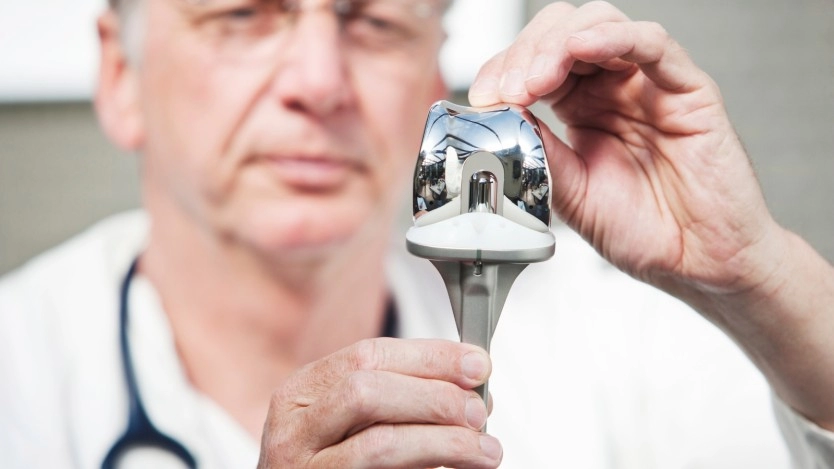
Titanium knee implants are medical devices used to replace damaged or worn parts of the knee joint. They are made primarily from titanium, a strong, lightweight metal known for its excellent biocompatibility—meaning it is well tolerated by the body and rarely causes allergic reactions or tissue rejection.
Unlike other common knee implant materials such as cobalt chrome, ceramic, and plastic, titanium stands out because of its unique combination of strength and flexibility. Cobalt chrome implants are very hard and durable but heavier, while ceramics offer smooth surfaces but can be brittle. Plastic components, often made from polyethylene, provide cushioning but aren’t suitable for the structural parts of the implant. Titanium offers a balanced alternative, being both durable and lighter than cobalt chrome.
Benefits of Titanium Knee Implants
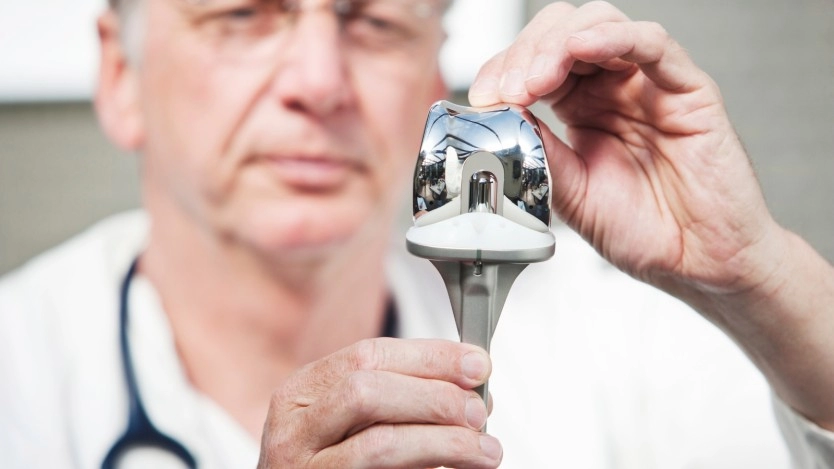
Titanium knee implants offer several advantages that make them a popular choice in knee replacement surgery, especially here in the U.S.
High Biocompatibility
Titanium is well-known for being friendly to the body. It causes fewer allergic reactions and lowers the risk of tissue rejection compared to other materials like cobalt chrome or plastic. This means less inflammation and a smoother recovery for most patients.
Lightweight and Strong
Titanium is both lightweight and very strong. This combination helps improve patient comfort and mobility after surgery. You’ll notice less added weight in your knee, making daily movements easier and reducing fatigue.
Longevity and Durability
When it comes to how long implants last, titanium stands out. On average, titanium implants can last 15-20 years or more — often longer than ceramic or plastic options. This means fewer replacement surgeries over your lifetime.
| Implant Material | Expected Lifespan |
|---|---|
| Titanium | 15-20+ years |
| Cobalt Chrome | 10-15 years |
| Ceramic | 10-15 years |
| Plastic | 8-12 years |
Corrosion Resistance
Titanium resists corrosion from body fluids better than most metals. This reduces metal ion release into the body, which can sometimes cause complications with other metal implants.
Enhanced Osseointegration
One of titanium’s biggest benefits is how well it supports bone growth. The surface of titanium implants encourages your bone to grow right onto it, improving stability and helping the implant feel more natural over time.
Together, these benefits make titanium knee implants a strong option for people looking for a durable and comfortable knee replacement in the U.S.
Drawbacks and Considerations of Titanium Knee Implants
While titanium knee implants offer many benefits, there are some drawbacks to keep in mind:
- Cost: Titanium implants tend to be more expensive than alternatives like cobalt chrome or ceramic. This can affect overall knee replacement surgery cost depending on your location and provider.
- MRI Compatibility: Titanium is generally MRI-safe, but certain implant designs may cause mild image distortion. Always check with your surgeon if MRI scans are expected in the future.
- Wear and Tear: Compared to materials like cobalt chrome, titanium is softer and may show more wear over time, especially in highly active patients.
- Suitability:
- Age: Younger, active patients might wear out titanium implants faster due to higher demands.
- Activity Level: For heavy athletes, other materials sometimes offer better durability.
- Metal Allergies: Titanium is highly biocompatible but rare allergies can occur; discuss your history with your doctor.
Wear and Tear Comparison
| Material | cURL Too many subrequests. | Best For | cURL Too many subrequests. |
|---|---|---|---|
| Titanium | cURL Too many subrequests. | Most patients, lightweight | Good osseointegration |
| Cobalt Chrome | High | cURL Too many subrequests. | cURL Too many subrequests. |
| Ceramic | High | cURL Too many subrequests. | cURL Too many subrequests. |
| cURL Too many subrequests. | cURL Too many subrequests. | cURL Too many subrequests. | cURL Too many subrequests. |
cURL Too many subrequests.
cURL Too many subrequests.
cURL Too many subrequests.
cURL Too many subrequests.
cURL Too many subrequests.
cURL Too many subrequests.
cURL Too many subrequests.
- LocationcURL Too many subrequests.
- cURL Too many subrequests.cURL Too many subrequests.
- cURL Too many subrequests.cURL Too many subrequests.
- Implant Brand: High-quality titanium implants or newer models may cost more upfront.
Insurance and Financing
Most health insurance plans, including Medicare, cover knee replacement surgery, which helps reduce out-of-pocket costs. However, coverage depends on policy details, and you might still face deductibles or co-pays.
Many hospitals and clinics offer financing options or payment plans to make the procedure more affordable over time.
Cost Effectiveness Over Time
While titanium implants may have a higher initial cost compared to some cobalt chrome or plastic options, their durability often means fewer revision surgeries. This long lifespan can make them more cost-effective overall, especially for younger or more active patients who need an implant that lasts.
In short, investing in a titanium knee replacement can pay off by reducing future medical bills and improving quality of life.
How to Choose the Right Titanium Knee Implant Provider Locally

Finding the right orthopedic surgeon for your titanium knee implant is key to a successful knee replacement. Here’s how to make the best choice nearby:
Find Certified Orthopedic Surgeons Near You
- Look for board-certified orthopedic surgeons who specialize in knee replacements.
- Check their experience specifically with titanium knee replacement surgery.
- Use online directories or ask your primary care doctor for local recommendations.
Check Hospital Accreditations and Patient Reviews
- Choose hospitals accredited by recognized bodies like The Joint Commission.
- Read patient reviews to understand others’ experiences with both the surgeon and hospital.
- Consider facilities known for orthopedic care and advanced surgical technology.
Questions to Ask Your Surgeon About Titanium Implants
- What brand and type of titanium implant do you recommend and why?
- How many titanium knee replacements have you performed?
- What is the typical recovery time and rehab process with titanium implants?
- Are there any specific risks or complications I should know about?
- How does titanium compare to other materials for my age and activity level?
Recommended Guidelines and Partner Clinics
- Choose providers who follow up-to-date joint replacement guidelines.
- Some surgeons work with partner rehab clinics to support recovery—ask if that service is available locally.
- Verify if the provider offers pre-surgery education sessions to help you prepare.
| Factor | What to Look For |
|---|---|
| Surgeon Certification | Board-certified in orthopedic surgery |
| Experience | Specializes in titanium knee implants |
| Hospital Accreditation | Accredited by recognized organizations |
| Patient Reviews | Positive feedback on care and results |
| Follow-up Care | Access to rehab and support services |
Following these steps will help you find a trusted local surgeon and hospital for your titanium knee replacement, making your journey smoother and safer.
Patient Testimonials and Success Stories
Many patients who chose titanium knee implants share positive experiences that highlight their effectiveness. People often mention faster recovery times and less discomfort after surgery compared to other materials. The lightweight nature of titanium helps improve mobility, making everyday activities like walking and climbing stairs easier.
Several have noted significant improvements in quality of life, especially those who were active before surgery. They report feeling more confident in their knee’s stability and strength, allowing them to return to hobbies such as hiking, biking, or even light sports.
Patients also appreciate the reduced risk of allergic reactions, which is common with other metals like cobalt chrome. Many say that knowing their implant is made from a biocompatible material like titanium gives them peace of mind.
cURL Too many subrequests.
cURL Too many subrequests.
cURL Too many subrequests.
cURL Too many subrequests.
cURL Too many subrequests.
cURL Too many subrequests.
cURL Too many subrequests.
cURL Too many subrequests.
cURL Too many subrequests.
cURL Too many subrequests.
cURL Too many subrequests.
cURL Too many subrequests.
cURL Too many subrequests.
cURL Too many subrequests.
cURL Too many subrequests.
cURL Too many subrequests.
cURL Too many subrequests.
cURL Too many subrequests.
cURL Too many subrequests.
 Italian
  English
  Spanish (Peru)
  German
  Korean
  Spanish (Spain)