
Discover how automated casting enhances metal manufacturing with robotics AI and smart foundry solutions for higher efficiency quality and cost savings
Understanding Automated Casting
Automated casting is the use of technology to perform casting processes with minimal human intervention. It combines robotics, sensors, AI, and CNC machines to streamline metal casting operations, improving precision and efficiency. The goal is to automate repetitive or hazardous tasks like mold handling, pouring molten metal, and finishing castings, resulting in faster production and better quality control.
Several types of casting benefit from automation, including:
- Sand casting: Automated molding and core making help increase consistency and cycle times.
- Die casting: High-pressure machines paired with robotic handling ensure precise metal injection and rapid cooling.
- Investment casting: Automation in wax pattern creation and shell building improves accuracy and reduces labor.
Key technologies in automated casting systems include:
- cURL Too many subrequests. that handle molds, pour metal, and remove finished parts.
- Sensors that monitor temperature, flow, and mold conditions in real time.
- Artificial intelligence (AI) that optimizes processes by predicting defects and adjusting parameters automatically.
- CNC machines that precisely shape molds and cores essential to casting quality.
Benefits of Automated Casting
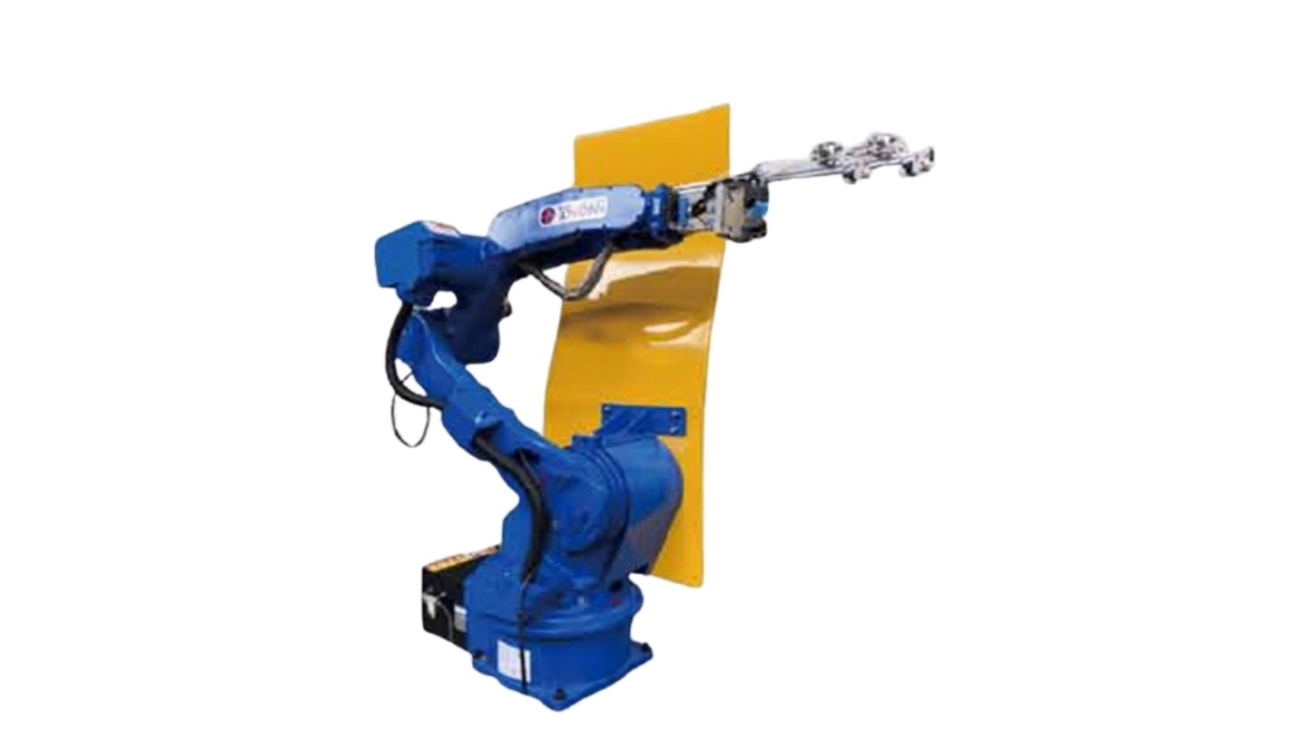
Automated casting brings solid advantages that can really change how foundries operate. Here’s what you can expect:
Increased production efficiency and throughput
Automation speeds up processes like pouring, molding, and finishing. This means you get more parts done in less time without sacrificing quality.
Improved product quality and consistency
Robots and AI keep each casting consistent, reducing defects caused by human error. The result is uniform parts that meet tight specs every time.
Reduction in labor costs and human errors
By automating repetitive or risky tasks, you lower labor expenses and minimize mistakes, saving money and boosting reliability.
Enhanced safety in foundry environments
Automation handles dangerous steps, protecting workers from heat, fumes, and heavy machinery, which creates a safer workplace.
Environmental benefits due to precision and waste reduction
Smart foundry automation reduces material waste by controlling pouring and molding precisely. This limits scraps and lowers your environmental impact.
| Benefit | How It Helps Your Foundry |
|---|---|
| Production Efficiency | Faster cycle times and higher output |
| Product Quality & Consistency | Fewer defects, meeting tight tolerances |
| Labor Cost Reduction | Less manual work, fewer errors |
| Safety | Protects workers from hazards |
| Environmental Impact | Less waste, better resource use |
Automated casting solutions blend robotics, sensors, and AI to make metal casting smarter and leaner. This boosts not just your output but also your facility’s overall safety and sustainability.
Technologies Driving Automated Casting
Automated casting is powered by several key technologies that work together to boost efficiency and quality. Robotics and mechanization handle repetitive tasks like pouring, molding, and finishing, reducing human error and speeding up production. AI and machine learning take it further by analyzing data to optimize the casting process, predicting issues, and adjusting parameters in real time for better results.
Sensors play a critical role by monitoring temperature, pressure, and other variables during casting. This real-time feedback lets systems make quick changes to maintain consistency and catch defects early. These technologies are often integrated into Industry 4.0 setups, connecting machines, data, and software to create smart foundries. This makes it easier to track performance, plan maintenance, and continuously improve operations.
Together, robotics, AI, sensors, and smart factory integration form the backbone of modern metal casting automation technology, helping U.S. manufacturers stay competitive and efficient.
Challenges and Considerations in Implementing Automated Casting
cURL Too many subrequests. cURL Too many subrequests.. cURL Too many subrequests.
Next is cURL Too many subrequests.. cURL Too many subrequests.
cURL Too many subrequests. cURL Too many subrequests.
cURL Too many subrequests. cURL Too many subrequests.. cURL Too many subrequests.
cURL Too many subrequests.
cURL Too many subrequests.
cURL Too many subrequests.
cURL Too many subrequests.
cURL Too many subrequests.
cURL Too many subrequests.
cURL Too many subrequests.
cURL Too many subrequests.
cURL Too many subrequests.
How to Get Started with Automated Casting at Your Facility
Getting started with automated casting doesn’t have to be overwhelming. Here’s a straightforward approach to help you move forward smoothly:
Evaluate Your Current Casting Process
- Look closely at your existing workflow to spot repetitive tasks or bottlenecks that can benefit from automation.
- Identify which types of casting (like automated sand casting or die casting automation solutions) are most common and suitable for upgrading.
- Consider your foundry’s size, production volume, and quality demands to determine readiness.
Assess Costs and Benefits
- Calculate upfront investment, including equipment like robotic casting systems and necessary software.
- Weigh this against potential gains such as reduced labor costs, improved consistency, and faster turnaround times.
- Think about long-term savings from less waste and improved safety.
Partner with Vast for Consultation and Implementation
- Vast offers tailored automated foundry solutions designed to fit your operation’s size and needs.
- Their expertise in robot integrator services and automatic wax machines ensures smooth integration with your existing setup.
- Let their team handle installation, training, and ongoing support to reduce your workload.
Steps for a Successful Transition
- Start with a pilot project in a controlled part of your operation.
- Train your team on new systems and encourage feedback for adjustments.
- Use data from real-time monitoring to refine processes continuously.
- Expand automation gradually as confidence and experience grow.
By following these clear steps, you can bring the benefits of metal casting automation technology into your facility without disruption — boosting efficiency and quality while keeping costs manageable.
 Italian
  English
  Spanish (Peru)
  German
  Korean
  Spanish (Spain)