
Discover Inconel 718 UNS N07718 a high-strength precipitation-hardening nickel alloy known for corrosion resistance and extreme temperature performance.
If you’re working in aerospace, oil and gas, or any industry demanding top-notch materials, you’ve probably heard of Inconel 718 (UNS N07718) — a powerhouse precipitation-hardening nickel-based alloy built for extreme conditions. What makes this superalloy stand out? Its unmatched combination of strength, corrosion resistance, and temperature stability that keeps mission-critical components performing when failure isn’t an option. Stick around to uncover why Inconel 718 is the trusted choice and what you need to know about its composition, heat treatments, and real-world applications.
What is Inconel 718 Composition and Characteristics
Inconel 718 (UNS N07718) is a nickel-based superalloy known for its exceptional strength and corrosion resistance at high temperatures. It’s widely used where durability and performance under extreme conditions are critical. But what exactly makes this alloy so special?
Chemical Composition
Inconel 718’s unique properties come from its carefully balanced chemical makeup:
- Nickel (50-55%): The base metal providing excellent corrosion resistance and toughness.
- Chromium (17-21%): Adds oxidation resistance and boosts strength.
- Iron (Balance): Complements the mix for strength and durability.
- Niobium (4.75-5.5%): Key element for precipitation hardening.
- Molybdenum (2.8-3.3%): Enhances creep and corrosion resistance.
- Cobalt, Aluminum, Titanium, Manganese, Silicon, and trace elements fine-tune mechanical properties and corrosion resistance.
Key Properties
What sets Inconel 718 apart? Here’s a quick look:
- High strength at temperatures up to 1300°F (700°C).
- Outstanding corrosion resistance in harsh environments.
- Excellent fatigue and creep-rupture strength, making it stable under long-term stress.
- Good weldability and fabricability for complex parts.
- Retains mechanical properties under oxidizing and mildly reducing environments.
Precipitation Hardening Explained
Unlike some alloys that gain strength only by cold working or heat treatment, Inconel 718 is strengthened through precipitation hardening. This process forms tiny particles called gamma prime (γ’) and gamma double prime (γ”) precipitates within the metal matrix.
- These precipitates obstruct dislocation movement, which is a primary way metals deform under stress.
- The result is a significant boost in strength and creep resistance.
- Heat treatment carefully controls the size and amount of these precipitates, fine-tuning the alloy’s performance.
In short, Inconel 718 combines a smart chemical mix and advanced heat treatment techniques to deliver a nickel-based superalloy with impressive strength and corrosion resistance, ideal for demanding applications.
Heat Treatment Processes for Inconel 718
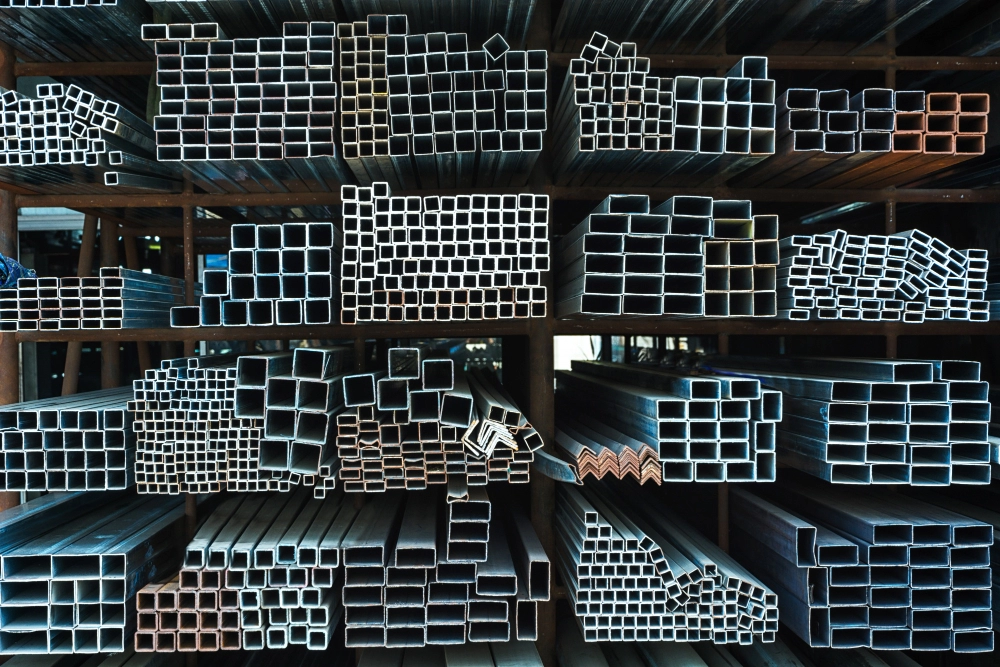
Heat treatment plays a vital role in tuning the mechanical properties of Inconel 718 (UNS N07718). The most common standards used in the U.S. industry include AMS 5662 and AMS 5664, which provide guidelines for solution annealing and aging treatments. Additionally, NACE MR0175 covers requirements for resistance against sulfide stress cracking, crucial for oil and gas applications.
Standard Heat Treatments
- Solution Annealing: Typically done around 1,800°F (980°C), this step dissolves unwanted phases and prepares the alloy for aging.
- Aging: Performed in two stages, around 1,300°F (705°C) and 1,600°F (870°C), to precipitate gamma prime and gamma double prime phases. These precipitates give Inconel 718 its precipitation hardening strength.
Following these heat treatments ensures the alloy reaches its peak strength, corrosion resistance, and creep-rupture capabilities.
Impact on Mechanical Properties
Proper heat treatment enhances:
- Tensile strength and yield strength
- Fatigue resistance
- Creep and rupture resistance at high temperatures
- Improved hardness without sacrificing ductility
This balance makes Inconel 718 a top choice for high-stress environments.
Thermomechanical Processing
Thermomechanical processes like forging and rolling before aging can further refine grain size and improve mechanical properties. This helps manufacturers tailor the alloy to specific aerospace, energy, or manufacturing needs where extra toughness or flexibility may be required.
By following the right heat treatment and processing steps, Inconel 718 consistently delivers reliable performance in the demanding sectors across the United States.
Applications of Inconel 718 Across Industries
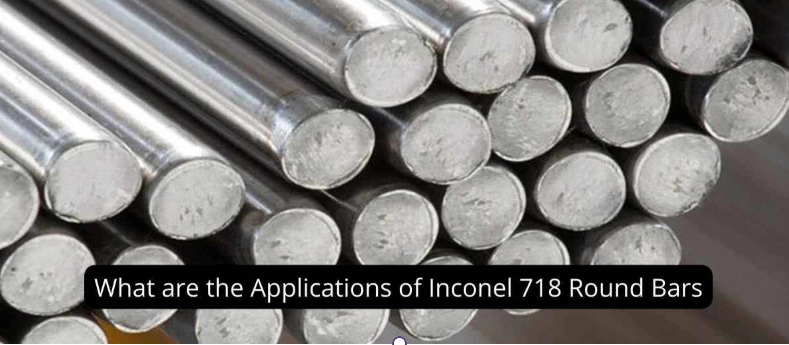
Inconel 718 is a go-to nickel-based superalloy known for its outstanding strength, corrosion resistance, and ability to perform well in extreme temperatures. This makes it a versatile choice across multiple industries in the U.S.
Aerospace
In aerospace, Inconel 718 is widely used for critical components like jet engine parts, turbine disks, and exhaust systems. Its ability to withstand high temperatures and mechanical stress makes it ideal for aircraft engine components where reliability and safety are key.
Oil and Gas
For the oil and gas industry, Inconel 718 offers excellent resistance to corrosion and cracking in harsh environments. It’s commonly found in valves, pumps, and downhole tubing, especially in offshore and deep-well drilling operations, where materials must endure high pressure and corrosive fluids.
Energy and Manufacturing
In energy production and manufacturing, Inconel 718 supports steam turbines, nuclear reactors, and heat exchangers. It handles thermal cycling and creep-rupture strength demands, which helps prolong equipment life and efficiency.
Other Applications
Beyond these, Inconel 718 is also used in automotive turbochargers, chemical processing equipment, and even medical devices due to its strength and corrosion resistance. The alloy’s versatility means it continues to find new roles where robust, high-performance materials are needed.
If you’re interested in specific Inconel 718 types or custom options, check out our Inconel 718 UNS N07718 custom solutions to match your project needs.
Advantages of Inconel 718 Over Other Alloys
Inconel 718 stands out among nickel-based superalloys thanks to several key advantages that make it a top choice in demanding environments. Here’s why it often outperforms other alloys:
- High Strength and ToughnessInconel 718’s precipitation hardening process boosts its strength significantly, especially at high temperatures. This means it maintains toughness where many other alloys weaken.
- Excellent Corrosion and Oxidation ResistanceIts unique composition provides outstanding resistance to corrosion and oxidation, making it ideal for harsh chemical environments and exposure to extreme heat.
- Outstanding Creep-Rupture StrengthWhen exposed to long-term high temperatures and stress, Inconel 718 resists deformation and failure better than many competing alloys.
- Versatile Heat Treatment OptionsThe alloy responds well to various heat treatments and thermomechanical processes, allowing customization of mechanical properties to suit different applications.
- Good Fabrication and WeldabilityCompared to other high-strength alloys, Inconel 718 is easier to machine and weld, which translates into lower fabrication costs and fewer production hurdles.
- Wide Application RangeIts balance of strength, corrosion resistance, and manufacturability allows it to be used in aerospace, oil and gas, energy, and more — a versatility many other alloys don’t offer.
In short, Inconel 718 offers a unique combination of toughness, durability, and corrosion resistance that sets it apart and makes it the go-to nickel-based superalloy for critical, high-performance parts in the US market.
Challenges and Considerations in Using Inconel 718
Machining and Fabrication
Inconel 718, being a nickel-based superalloy, is tough to machine and fabricate. Its high strength and work-hardening tendency mean standard cutting tools wear out faster, leading to longer production times and higher costs. To get the best results, manufacturers often rely on specialized tooling, slower machining speeds, and precise cooling methods. Welding this alloy also requires care, as improper technique can cause cracking or weaken the material. Pre- and post-weld heat treatments are usually necessary to maintain its mechanical properties.
Cost and Sustainability
Cost is another factor when working with Inconel 718. The alloy contains expensive elements like nickel, niobium, and molybdenum, making it pricier than many other alloys. This affects both raw material costs and machining expenses. For companies focused on sustainability, sourcing this alloy requires a balance between performance benefits and environmental impact, especially given the energy-intensive processing and recycling challenges. However, its long service life and resistance to corrosion and high temperatures often justify the initial investment by reducing maintenance and replacement needs.
Understanding these challenges helps you plan better when choosing Inconel 718 for your projects, ensuring you make the most out of this high-performance alloy.
Why Choose Vast for Inconel 718 Solutions
When it comes to sourcing Inconel 718 (UNS N07718) in the U.S., Vast stands out as a trusted partner. We specialize in delivering high-quality, precipitation-hardening nickel-based superalloys tailored to your specific requirements. Here’s why Vast is your go-to choice for Inconel 718:
- Reliable Supply from China Factory: We work directly with top manufacturers in China, ensuring consistent availability and competitive pricing for both standard stock and custom Inconel 718 products.
- Custom Solutions: Whether you need special dimensions, heat treatments, or specific mechanical properties, Vast offers flexible options to meet your project needs.
- Certified Quality and Compliance: We strictly follow standards like AMS 5662, AMS 5664, and NACE MR0175, ensuring our Inconel 718 matches the high-performance expectations of aerospace, oil and gas, and energy industries.
- Expertise in Heat Treatment and Processing: Vast understands the importance of precipitation hardening in enhancing Inconel 718 properties. We help guide or provide treated material ready for demanding applications.
- U.S.-Based Customer Support: Our team is located locally to assist you promptly with technical questions, order tracking, and after-sales support — making communication smooth and hassle-free.
- Cost-Effective Purchasing: By connecting you with efficient manufacturers, we lower costs without sacrificing quality or delivery times, which fits well with the budget and timelines of American businesses.
If you’re looking for a dependable supplier of Inconel 718 that combines quality, flexibility, and strong local support, Vast is the name you can trust.
Future of Inconel 718 Trends and Innovations
Inconel 718 (UNS N07718) continues to evolve as industries demand better performance from high-temperature, corrosion-resistant alloys. The future of this nickel-based superalloy lies in innovation that enhances its already impressive properties while addressing cost and sustainability concerns.
Emerging Trends
- Advanced Heat Treatment TechniquesNew heat treatment methods are being developed to optimize the precipitation hardening process. These improvements aim to refine gamma prime precipitates for better creep-rupture strength and overall durability.
- Additive Manufacturing3D printing with Inconel 718 is gaining traction, particularly for aerospace and energy sectors in the U.S. This technology allows for more complex shapes, faster prototyping, and waste reduction, making custom parts more accessible.
- Improved Corrosion ResistanceResearch is ongoing to tweak the chemistry and heat treatment processes to boost the alloy’s resistance to harsh environments, especially for oil and gas applications prone to sour gas and saltwater exposure.
- Cost-Effective ProductionManufacturers are focusing on reducing waste and energy use during production while maintaining the alloy’s high standards. This makes Inconel 718 more competitive and sustainable for U.S. industries.
Innovations to Watch
- Nano-Scale Precipitation ControlFine-tuning the size and distribution of strengthening phases at a nano-level is on the rise. It promises better fatigue life and mechanical properties, ideal for aerospace alloys that face extreme conditions.
- Hybrid MaterialsCombining Inconel 718 with other materials or coatings could open new doors for performance improvements, especially where weight savings and heat resistance are critical.
Overall, the future of Inconel 718 is bright, driven by technological advances and the growing demand from industries across America that need reliable, high-performance nickel-based superalloys. Whether it’s for aerospace engines, power plants, or oilfield equipment, Inconel 718 will keep adapting to meet tough challenges.
 Italian
  Chinese
  English
  Spanish (Peru)
  German
  Korean
  Spanish (Spain)