
Learn how to polish aluminum to a mirror finish with easy DIY steps, top tools, and tips for lasting shine on rims and more.
Why Polish Aluminum Benefits and Common Applications
Polishing aluminum offers many benefits that go beyond just improving its appearance. A smooth, high-gloss finish not only enhances the metal’s natural shine but also protects it from oxidation and corrosion. When you alu polieren, you remove surface imperfections like scratches and dull spots, restoring the metal’s original brilliance. This process is especially important because aluminum oxidizes quickly when exposed to air, leading to a dull, uneven surface that can further degrade if left untreated.
Common applications for polished aluminum include automotive parts such as Alu Felgen polieren (aluminum rims polishing), household items, kitchen utensils, and decorative metals. In industries like aerospace and electronics, a polished finish improves both aesthetics and performance by reducing surface friction and making cleaning easier. Whether you’re restoring vintage car parts or maintaining aluminum surfaces in your home, polishing aluminum creates a durable, eye-catching surface that lasts longer and resists wear.
In short, polishing aluminum is not just about looks—it’s about protecting and prolonging the life of your metal surfaces while achieving a sleek, mirror-like finish that stands out.
Essential Tools and Materials for Aluminum Polishing

To polish aluminum effectively, having the right tools and materials is key. Here’s what you’ll need to get a smooth and shiny finish on your aluminum surface:
Basic Tools
- Orbital or rotary polisher (can be a drill with a polishing attachment for smaller jobs)
- Sanding blocks or sandpaper (grits ranging from 400 to 2000 for smoothing out scratches)
- Buffing pads (foam or wool pads work well for different stages of polishing)
Materials and Supplies
- Polish or polishing compound for aluminum (Polierpaste Aluminium is great for removing oxidation and getting a high gloss polish)
- Cleaner for oxidized aluminum (helps prep the surface before sanding and buffing)
- Microfiber cloths (for wiping and final buffing steps without scratching)
- Masking tape (to protect areas you don’t want to polish, especially on Alu Felgen polieren or customized pieces)
- Protective sealant or surface finish (to keep the polished aluminum shiny longer by Aluminum Oberfläche versiegeln)
Optional Household Alternatives
- Some people use household remedies like toothpaste or baking soda to shine aluminum, but these usually work best on light oxidation or small spots.
Having these tools ready makes the entire process smoother. Whether you’re polishing aluminum wheels, custom aluminum parts, or just cleaning oxidized aluminum, these essentials will help you get professional results at home.
Step-by-Step Guide How to Polish Aluminum Safely and Effectively
Step 1 Preparation and Cleaning
Start by cleaning the aluminum surface thoroughly. Remove any dirt, grease, or oxidation using a mild detergent or a special cleaner made for oxidized aluminum (oxidiertes Aluminium reinigen). This step ensures you don’t grind in any contaminants during polishing. Rinse well and dry completely to avoid water spots.
Step 2 Sanding for a Smooth Base
If your aluminum has scratches or rough spots, sanding is essential (aluminium schleifen). Begin with a coarse grit sandpaper (around 400 grit) and move gradually to finer grits like 800 and 1200. Sand in even, circular motions until the surface feels smooth. This step helps remove surface imperfections and prepares the metal for a mirror finish (spiegelglanz aluminium).
Step 3 Buffing and Polishing to High Gloss
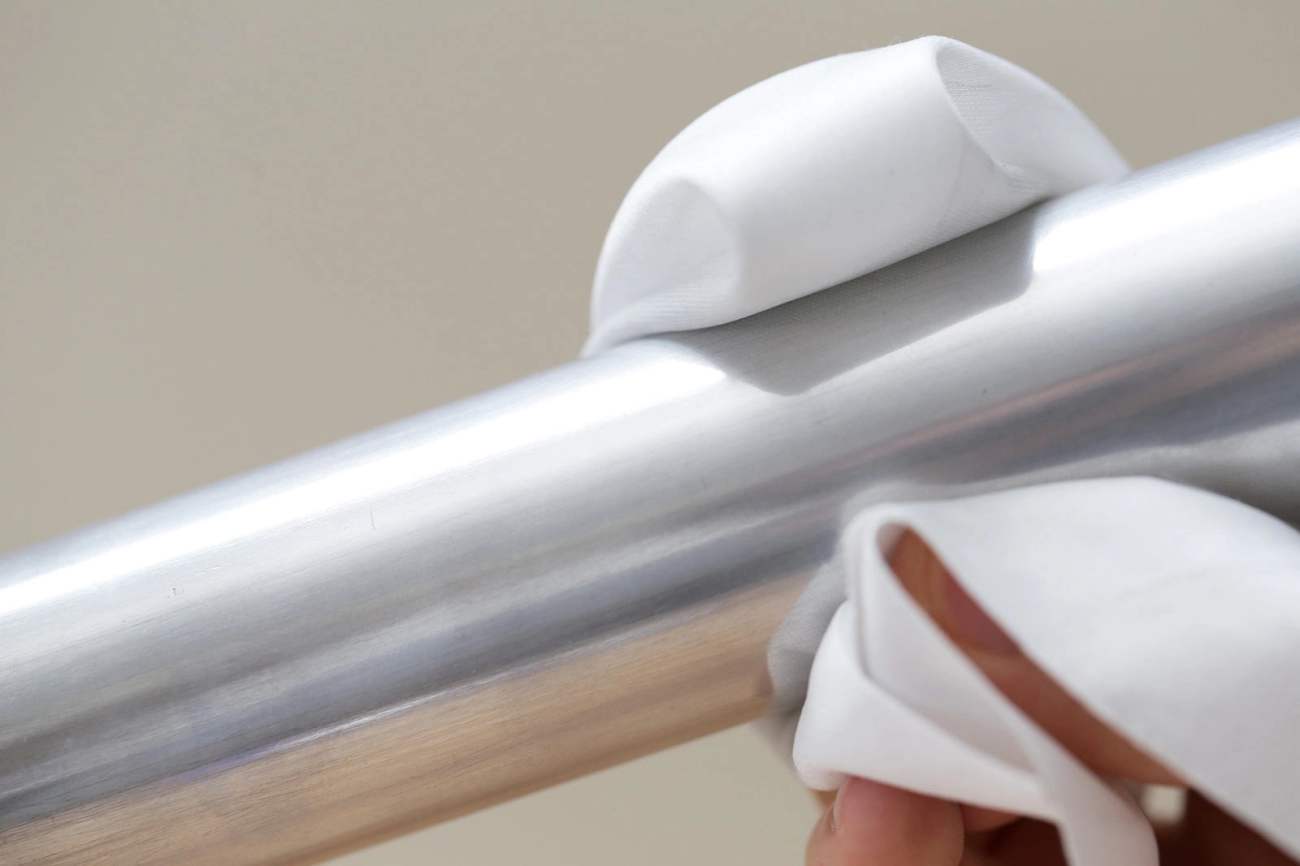
Now use a buffing wheel or a drill attachment paired with a polishing compound or polierpaste aluminium designed for aluminum. Apply the polish evenly and buff the surface in slow, controlled motions to build that high gloss shine (hochglanz polieren). Be sure to keep the tool moving to avoid overheating the aluminum.
Step 4 Final Shine and Protection
cURL Too many subrequests.
cURL Too many subrequests.
cURL Too many subrequests.
cURL Too many subrequests. alu polieren cURL Too many subrequests.
cURL Too many subrequests.
- cURL Too many subrequests.
- cURL Too many subrequests.
cURL Too many subrequests.
- cURL Too many subrequests.
- cURL Too many subrequests.
cURL Too many subrequests.
- cURL Too many subrequests. cURL Too many subrequests. cURL Too many subrequests.
- cURL Too many subrequests.
cURL Too many subrequests.
- cURL Too many subrequests.
- cURL Too many subrequests. Hochglanz polieren (high gloss polish). Avoid rushing the final steps.
5. Remaining Small Scratches or Imperfections
- Cause: Skipping sanding or uneven polishing.
- Fix: Go back to sanding with a finer grit sandpaper to remove minor scratches, then polish again carefully.
6. Polishing Creates Heat and Warps Surface
- Cause: Polishing too fast or pressing too hard with a drill or buffer.
- Fix: Use light pressure and keep the tool moving constantly. Take breaks to avoid overheating the aluminum.
Understanding and fixing these problems will help you get that perfect mirror finish. If you want to learn how to protect your aluminum surface after polishing, check out tips on Aluminium Oberfläche versiegeln to keep it looking great longer.
Maintenance Tips Keep Your Aluminum Looking New Longer
To keep your polished aluminum shining like new, regular care is key. Here are some simple maintenance tips to help your aluminum stay bright and scratch-free longer:
- Clean regularly with mild soap and water: Avoid harsh chemicals that can damage the finish or cause oxidation. Use a soft cloth to wipe down surfaces to remove dirt and grime.
- Use a protective sealant: After polishing, apply an Aluminium Oberfläche versiegeln (aluminum surface sealant) product to create a barrier against moisture and dirt. This slows down oxidation and keeps the shine intact.
- Avoid abrasive tools: Never use steel wool or rough brushes which can scratch the surface. Instead, go for a microfiber cloth or a soft sponge.
- Buff lightly between major polishes: Use a clean, dry cloth or a microfiber polishing pad to gently restore the mirror shine without wearing down the surface.
- Store items properly: Keep polished aluminum away from damp or salty environments when possible. For things like Alu Felgen polieren (aluminum rims), washing off road salt promptly during winter is essential.
- Remove scratches quickly: Address small scratches by sanding lightly and repolishing with a good cURL Too many subrequests. (aluminum polishing paste) before they worsen.
Following these steps will help you enjoy that smooth, high-gloss finish without frequent re-polishing sessions. Regular attention makes all the difference in keeping your aluminum parts or accessories looking their best for years.
Frequently Asked Questions FAQ
How often should I polish aluminum?
It depends on the use and exposure. For items like Alu Felgen polieren (aluminum rims), polishing every few months helps keep them shiny and prevents corrosion. Indoor decorative pieces may only need polishing once or twice a year.
Can I use household products to polish aluminum?
Yes, some Hausmittel Aluminium glänzen (home remedies for shining aluminum) like vinegar or baking soda can help clean oxidized aluminum. However, for a true Hochglanz polieren (high gloss polish), a proper cURL Too many subrequests. (aluminum polishing paste) and tools are best.
What tools do I need to polish aluminum with a drill?
A Metall polieren Bohrmaschine (metal polishing drill attachment) like a buffing wheel combined with polishing compound makes the job faster and easier. Just make sure to start slow to avoid damage.
cURL Too many subrequests.
cURL Too many subrequests. cURL Too many subrequests. cURL Too many subrequests.
cURL Too many subrequests.
cURL Too many subrequests. Aluminium Oberfläche versiegeln cURL Too many subrequests.
cURL Too many subrequests.
cURL Too many subrequests. cURL Too many subrequests. cURL Too many subrequests.
cURL Too many subrequests.
cURL Too many subrequests.
cURL Too many subrequests. alu polieren, cURL Too many subrequests.
 Italian
  English
  Spanish (Peru)
  German
  Korean
  Spanish (Spain)