
Discover anodizing basics, types, and benefits for durable corrosion-resistant aluminum finishes with expert insights and local service options.
What Is Anodizing A Simple Breakdown for Beginners
Anodizing is a popular metal surface treatment widely used to enhance the durability and appearance of aluminum and other metals. In simple terms, it’s an electrochemical process that creates a protective aluminum oxide layer on the surface of the metal. This layer is hard, corrosion-resistant, and can be dyed in various colors, making anodizing both functional and decorative.
The Science Behind Anodizing
At its core, anodizing uses electricity to thicken the natural oxide layer on aluminum. When the metal is submerged in an acid electrolyte bath and an electric current runs through it, oxygen ions combine with aluminum atoms to form a thick, stable aluminum oxide coating. This coating is porous initially, which allows for dyeing or sealing, but once sealed, it becomes a tough, corrosion-resistant barrier.
This process differs from other coatings like paint or plating because the anodized layer is part of the metal itself. That means it won’t chip, peel, or flake, giving you a long-lasting, abrasion-resistant finish.
Why Anodizing Matters in 2025
With growing focus on sustainability and durability in manufacturing, anodizing is more relevant than ever in 2025. It offers:
- Long-lasting protection against rust and wear, reducing the need for frequent replacements.
- Eco-friendly properties since it’s non-toxic and creates less waste than many coating methods.
- Versatility for industries like aerospace, automotive, and architecture that demand both strength and style.
Whether you’re a DIY enthusiast or a professional, understanding anodizing now can help you make smarter choices about metal finishing that last well into the future.
Types of Anodizing Choosing the Right Finish for Your Needs
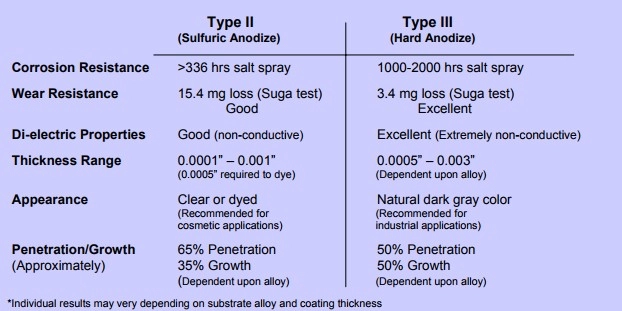
Anodizing comes in different types, each offering unique benefits depending on what you need. Whether you want better corrosion resistance, a smooth finish, or extra toughness, picking the right anodizing process matters.
Type I Chromic Acid Anodizing
This uses chromic acid to create a thin, corrosion-resistant aluminum oxide layer. It’s great for delicate parts and applications where minimal color change and surface alteration are important. Often chosen for aerospace and military uses thanks to its lightweight finish.
Type II Sulfuric Acid Anodizing
The most common type, using sulfuric acid, produces a thicker oxide layer that’s perfect for general-purpose corrosion resistance and easy dyeing. Many consumer products and architectural anodizing projects rely on this method for both protection and appearance.
Type III Hardcoat Anodizing
Also called hardcoat anodizing, this technique delivers a thick, super durable surface with excellent abrasion resistance. It’s ideal for automotive parts, industrial machinery, and electronics that face tough wear and tear. The hardcoat is much tougher than the usual anodizing finish.
Emerging Variations
New anodizing methods are coming up, including eco-friendly processes and enhanced coatings with better color stability or conductivity. These variations can provide tailored solutions depending on your project’s demands.
DIY vs Professional Anodizing
You can try small anodizing projects yourself with basic kits, especially for Type II finishes. But for consistent quality and especially for Type III hardcoat anodizing, professional services ensure the right process, safety, and best results. Choosing a trusted anodizing expert near you helps avoid common mistakes and ensures your metal parts last longer.
The Step-by-Step Anodizing Process From Prep to Perfection
Anodizing aluminum is a straightforward electrochemical finishing process, but getting great results means following each step carefully. Here’s a simple breakdown to help you understand what goes into producing that tough, corrosion-resistant coating.
Pre-Treatment Essentials
Before anodizing, the aluminum surface must be clean and ready. This usually means:
- Cleaning and Degreasing: Removing oils, dirt, and grease to ensure the coating sticks properly.
- Etching: Lightly roughening the surface to improve adhesion and uniformity.
- Desmutting: Clearing any leftover particles or residue from etching for a smooth finish.
Preparing your metal right is key, especially with Type II sulfuric acid anodizing, where surface quality really impacts the final look and durability.
Core Electrochemical Steps
Once the surface is prepped, the actual anodizing starts:
- Electrolyte Bath: The aluminum part is submerged in an acid bath, often sulfuric acid for Type II anodizing or chromic acid for Type I.
- Electric Current Application: An electric current passes through the bath, causing the aluminum surface to oxidize.
- Aluminum Oxide Layer FormscURL Too many subrequests.
cURL Too many subrequests.
cURL Too many subrequests.
cURL Too many subrequests.
- Rinse and SealcURL Too many subrequests.
- cURL Too many subrequests.cURL Too many subrequests.
- InspectioncURL Too many subrequests.
cURL Too many subrequests.
cURL Too many subrequests.
cURL Too many subrequests.
cURL Too many subrequests.
cURL Too many subrequests.
cURL Too many subrequests.
cURL Too many subrequests.
cURL Too many subrequests.
cURL Too many subrequests.
cURL Too many subrequests.
cURL Too many subrequests.
Industrial Uses
- Aerospace: Aerospace parts get a tough aluminum oxide layer that resists corrosion and wear, which is crucial for safety and performance.
- Automotive: Car makers use anodizing to keep components abrasion-resistant and corrosion-free, especially in engines and trim.
- cURL Too many subrequests.: It protects delicate metal surfaces on gadgets and connectors while allowing for dyeing aluminum parts in various colors.
Consumer and Architectural Applications
- Consumer goods: From cookware to sporting equipment, anodizing boosts durability and gives a clean, attractive finish.
- Architectural anodizing: Aluminum panels, window frames, and curtain walls often get this treatment for long-lasting protection and a sleek look that can withstand weather and wear.
Niche Opportunities for Small-Scale Users
- DIY enthusiasts and small businesses use anodizing to customize projects with color finishes or add corrosion resistance.
- It’s ideal for makers crafting metal jewelry, bike parts, or art pieces, who want a professional, durable finish without huge costs.
Anodizing offers flexible solutions whether you’re in a big factory or a local shop, making metal treatment accessible and practical across the board.
Common Challenges and How to Overcome Them
Anodizing isn’t always smooth sailing. Whether you’re working on a small project or a larger industrial job, a few common challenges can come up. Knowing how to handle them helps you get the best results without wasting time or money.
cURL Too many subrequests.
- Cause: Inconsistent electrical current or poor surface preparation.
- Fix: Make sure the metal surface is clean and free of oils or dirt before anodizing. Use a steady, well-controlled power supply during electrochemical finishing.
2. Poor Adhesion of the Aluminum Oxide Layer
- Cause: Contamination or improper pre-treatment.
- Fix: Thoroughly clean parts with the right chemicals, and follow proper pre-treatment steps. Rinse parts fully to avoid residue.
3. Color Fading or Inconsistent Dyeing
- Cause: Type II sulfuric acid anodize requires careful dyeing; uneven absorption causes issues.
- Fix: Use high-quality dyes and keep dye baths at consistent temperatures. Testing samples helps before full production.
4. Surface Pitting and Defects
- Cause: Impurities in the metal or bath, or incorrect bath chemistry.
- Fix: Use clean materials, regularly check bath composition, and remove particles promptly.
5. Increased Costs from Rework
- Cause: Mistakes in process control or inexperienced handling.
- Fix: Training and partnering with pro anodizing experts can save money in the long run.
By knowing these pitfalls, you can avoid common headaches and make your anodizing projects shine. When in doubt, reaching out to specialists ensures quality results every time.
Partner with Vast Your Trusted Anodizing Experts
When it comes to anodizing in the United States, Vast stands out as your reliable partner. We combine years of experience with advanced electrochemical finishing techniques to deliver top-quality anodized aluminum oxide layers that meet your exact needs. Whether you’re after hardcoat anodizing for added abrasion resistance or sulfuric acid anodize for a sleek, corrosion-resistant coating, Vast has you covered.
Why Choose Vast for Anodizing
- Local expertise: We’re based right here in the U.S., so we understand the unique demands of American industries and consumers.
- Customized solutions: From architectural anodizing to specialized metal surface treatment, we tailor every job to fit your project.
- Quality assurance: We perform rigorous post-process quality checks ensuring every finish looks great and lasts long.
- Advanced technology: Access to cutting-edge equipment means your parts get the best Type II or Type III anodizing processes available.
- Sustainable practices: We focus on eco-friendly methods, helping you reduce waste and lower costs without sacrificing quality.
Getting Started Locally
cURL Too many subrequests.
cURL Too many subrequests.
 Italian
  English
  Spanish (Peru)
  German
  Korean
  Spanish (Spain)