
Discover how mechanical shafts transfer power efficiently with expert insights on types materials design and industrial applications for optimal performance.
Mechanical shafts are the unsung heroes behind nearly every machine you rely on—from your car’s engine to industrial gearboxes powering factories. If you’ve ever wondered how rotary motion and torque travel seamlessly across complex machinery, it’s all thanks to these precision-engineered components. In this post, you’ll discover what makes a mechanical shaft essential, the different types designed for varied applications, and the critical design factors that ensure efficiency and durability. Whether you’re an engineer, a designer, or just mechanically curious, this guide will equip you with the insights to master mechanical shaft fundamentals and optimize your power transmission solutions. Let’s get started!
What Is a Mechanical Shaft Core Functions and Fundamentals
Have you ever wondered how power gets from a motor to the parts that actually do work? That’s exactly where a mechanical shaft comes in. Simply put, a mechanical shaft is a rotating machine element that transmits torque and rotational motion between different components in machinery. Whether it’s turning the wheels of a car or driving an industrial conveyor, shafts play a crucial role in delivering mechanical power smoothly and efficiently.
Definition and Key Functions
A mechanical shaft is a cylindrical rod designed to support rotating parts and transfer torque. Its core functions include:
- Transmitting torque from a power source to a driven machine element.
- Supporting rotating components such as gears, pulleys, and sprockets.
- Maintaining alignment between components to ensure smooth operation.
- Withstanding various types of stresses, including bending, torsion, and axial loads.
By reliably performing these functions, shafts ensure machines run efficiently without interruptions caused by misalignment, vibration, or mechanical fatigue failure.
Historical Context and Evolution
Mechanical shafts have been around since ancient times, evolving alongside advancements in engineering and materials. The earliest shafts appeared in simple machines like water wheels and mills, dating back thousands of years. As industrialization took off during the 18th and 19th centuries, the design of shafts became more sophisticated to handle higher loads and speeds in steam engines and machine tools.
With the rise of modern metallurgy and manufacturing techniques in the 20th century, mechanical shafts grew stronger and more precise. Today, shafts are tailored to specific applications using advanced materials such as alloy steel shafting and incorporate design improvements like hollow transmission shafts for weight reduction and flexible power shafts for specialized motion.
Understanding these fundamentals helps us appreciate how vital the mechanical shaft is as the backbone of countless machines that power industries and everyday life alike.
Types of Mechanical Shafts Matching Design to Application
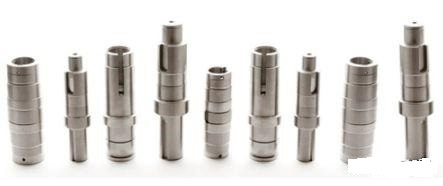
Mechanical shafts come in various types, each designed to suit specific tasks. Understanding these helps you pick the right shaft for the job.
Transmission Shafts and Their Sub-Types
Transmission shafts mainly transfer torque and rotation between parts. Common sub-types include:
- Hollow Transmission Shafts: Lightweight with good strength-to-weight ratio, often used where reducing inertia is key.
- Flexible Power Shafts: Designed to transmit torque between components that aren’t aligned perfectly.
- Splined Shafts: Have grooves that fit into matching grooves in gears or other parts, allowing torque transmission without slippage.
Machine Shafts and Characteristics
Machine shafts support rotating elements like gears, pulleys, or cams. They’re built for durability and precision, handling combined bending and torsional stresses. Key traits:
- Usually solid for maximum strength
- Subject to tight shaft alignment tolerances for smooth operation
- Can have keyways to secure mounted parts
Axle Shafts and How They Differ from Pure Shafts
Axle shafts support weight and transmit torque, but unlike pure transmission shafts, axles often carry heavy loads and deal with bending from the vehicle weight. The key difference is:
- cURL Too many subrequests. cURL Too many subrequests.
- cURL Too many subrequests. cURL Too many subrequests.
cURL Too many subrequests.
- cURL Too many subrequests.cURL Too many subrequests.
- cURL Too many subrequests.cURL Too many subrequests.
- cURL Too many subrequests.cURL Too many subrequests.
cURL Too many subrequests.
| cURL Too many subrequests. | cURL Too many subrequests. | cURL Too many subrequests. | Typical Use |
|---|---|---|---|
| cURL Too many subrequests. | cURL Too many subrequests. | cURL Too many subrequests. | cURL Too many subrequests. |
| cURL Too many subrequests. | cURL Too many subrequests. | Can be heavier and bulky | Industrial machines, conveyors |
| Axle Shaft | Handles heavy loads and torque | Subject to bending stress | Vehicles, trailers |
| Flexible Shaft | Allows misalignment | Lower torque capacity | Medical devices, tooling |
| Splined Shaft | Positive torque transfer | More complex manufacturing | Automotive, aerospace gears |
| Expanding Shaft | Adjustable fit | Limited to specific applications | Custom machinery fittings |
Knowing these types helps you choose the right mechanical shaft that matches your application’s workload, alignment needs, and torque requirements.
Materials for Mechanical Shafts Strength Durability and Selection Criteria
When picking materials for mechanical shafts, strength and durability are top priorities. Shafts need to handle torque, bending, and sometimes harsh environments, so choosing the right material is key to performance and longevity.
Common Materials Used for Mechanical Shafts
- Carbon Steel: Widely used due to good strength and cost-effectiveness. It offers decent machinability and wear resistance, suitable for general purpose shafts.
- Alloy Steel: Contains additional elements like chromium and molybdenum that improve toughness, strength, and fatigue resistance. Ideal for heavy-duty shafts under high stress.
- Stainless Steel: Best for corrosion resistance, especially in wet or chemical environments. It’s tougher to machine but lasts longer where corrosion is a problem.
- Aluminum: Lightweight and easy to machine but lower strength. Used for less demanding applications where weight savings matter.
- Titanium: High strength-to-weight ratio and corrosion resistance, but expensive. Common in aerospace and high-performance sectors.
Properties Breakdown
| Material | Tensile Strength (ksi) | cURL Too many subrequests. | Corrosion Resistance | Typical Use Cases |
|---|---|---|---|---|
| Carbon Steel | 60 – 90 | High | Low | General machinery shafts |
| Alloy Steel | 90 – 130 | cURL Too many subrequests. | cURL Too many subrequests. | Heavy equipment, drive shafts |
| Stainless Steel | 70 – 150 | cURL Too many subrequests. | High | Marine, chemical industry |
| Aluminum | 30 – 60 | High | cURL Too many subrequests. | Lightweight shafts |
| Titanium | cURL Too many subrequests. | Low | Very High | cURL Too many subrequests. |
cURL Too many subrequests.
- cURL Too many subrequests.cURL Too many subrequests.
- cURL Too many subrequests.cURL Too many subrequests.
- cURL Too many subrequests.cURL Too many subrequests.
- cURL Too many subrequests.cURL Too many subrequests.
- cURL Too many subrequests.cURL Too many subrequests.
cURL Too many subrequests.
cURL Too many subrequests.
- cURL Too many subrequests.,
- cURL Too many subrequests.,
- cURL Too many subrequests.
cURL Too many subrequests.
SEO Table of Top Materials Shaft Applications and Recommended Grades
| Material | Common Grades | Applications | Why Choose |
|---|---|---|---|
| Carbon Steel | AISI 1045, 1050 | General machinery, conveyor shafts | Good machinability and cost |
| Alloy Steel | AISI 4140, 4340 | Heavy loads, automotive crankshafts | High strength, fatigue resistance |
| Stainless | 304, 316 | Marine shafts, food processing | Corrosion resistance |
| Aluminum | 6061, 7075 | Lightweight shafts | Lightweight and easy to machine |
| Titanium | Grade 5 (Ti-6Al-4V) | Aerospace, performance shafts | High strength-to-weight, corrosion resistance |
Choosing the right material for your mechanical shaft means understanding the job it needs to do—whether that’s handling high torque, standing up to corrosion, or fitting into weight-sensitive designs common in the U.S. market. Using materials like alloy steel not only strengthens shafts but also reduces common problems like vibration and fatigue, helping machines run smoother and last longer.
Design Principles for Mechanical Shafts Calculations and Best Practices
When designing mechanical shafts, getting the basics right ensures long-lasting performance and safety. A big part of this involves stress analysis. Shafts face torsional stress from twisting forces and bending stress from loads acting sideways. Common formulas help calculate these stresses so you can size your shaft properly to avoid failures.
Critical Design Parameters
- Diameter sizing: This is key. Too small, and the shaft risks breaking under torsion or bending; too large, and it’s overbuilt and costly.
- Fatigue life: Since shafts often undergo repeated stress cycles, estimating fatigue life helps predict when cracks or failures might occur.
- Remember, the shaft’s shape and length also affect stress distribution.
Tools and Methods
- Use ASME codes as a guideline—they offer standards specifically for shaft design and safety factors.
- Finite Element Analysis (FEA) simulation helps visualize stress points and optimize the design before physical testing.
Alignment and Tolerances
Proper shaft alignment minimizes wear and vibration. Pay close attention to shaft alignment tolerances—even small misalignments cause problems down the line. Similarly, keyways (slots that connect the shaft to gears or pulleys) must be mounted precisely to avoid stress concentrations.
Bearings and Couplings Tips
- Choose bearings that match the shaft load and rotation speed for smooth operation.
- Couplings should allow slight misalignments but still transmit torque efficiently.
- Regular lubrication and checks help extend shaft life.
Following these design principles makes sure your mechanical shaft cURL Too many subrequests.
cURL Too many subrequests.
cURL Too many subrequests.
cURL Too many subrequests.
cURL Too many subrequests.
cURL Too many subrequests.
cURL Too many subrequests.
cURL Too many subrequests.
cURL Too many subrequests.
cURL Too many subrequests.
cURL Too many subrequests.
cURL Too many subrequests.
- cURL Too many subrequests. cURL Too many subrequests.
- Industrial: cURL Too many subrequests.
- cURL Too many subrequests. cURL Too many subrequests.
- cURL Too many subrequests. cURL Too many subrequests.
- Renewables: Shaft roles in wind turbines and solar trackers
Understanding these applications helps us pick the right mechanical shaft for the job, ensuring performance and durability across US industries.
Common Challenges and Solutions for Mechanical Shafts
Mechanical shafts face several common problems that can impact their performance and lifespan. The usual issues include vibration, wear, and fatigue cracking. These can result in unexpected downtime and costly repairs if not addressed early.
Typical Issues
- Vibration: Unbalanced shafts or misalignment cause excessive vibration, leading to noise and premature wear. It also puts extra stress on bearings and couplings.
- Wear: Continuous friction between the shaft and components like bearings or seals leads to surface wear and eventual failure.
- Fatigue cracking: Repeated stress cycles, particularly torsional stress, cause tiny cracks to form and gradually grow. This can end in catastrophic shaft failure.
Solutions to Improve Shaft Life
- Dynamic balancing to reduce vibration and improve smooth operation.
- Surface hardening methods like carburizing or nitriding to improve wear resistance.
- Proper shaft alignment following recommended shaft alignment tolerances to lower vibrations and uneven load distribution.
- Routine inspections for early signs of fatigue cracks or abnormal wear.
- Using high-quality alloy steel shafts designed to absorb vibration and resist fatigue better.
Troubleshooting Quick Guide
| Symptom | Possible Cause | Solution |
|---|---|---|
| Excessive vibration | Misalignment, unbalance | Realign, dynamically balance |
| Surface wear | Poor lubrication | Improve lubrication, harden surface |
| Unexpected shaft breaks | Fatigue cracking | Inspect regularly, use alloy steels |
Future Trends
Looking ahead, the shaft industry is embracing cURL Too many subrequests. cURL Too many subrequests., cURL Too many subrequests. cURL Too many subrequests.
cURL Too many subrequests.
 Italian
  English
  Spanish (Peru)
  German
  Korean
  Spanish (Spain)