
Discover expert techniques and tools to achieve the perfect brush finish metal for durable, stylish stainless steel and aluminum surfaces.
What Is a Brushed Metal Finish Understanding the Basics
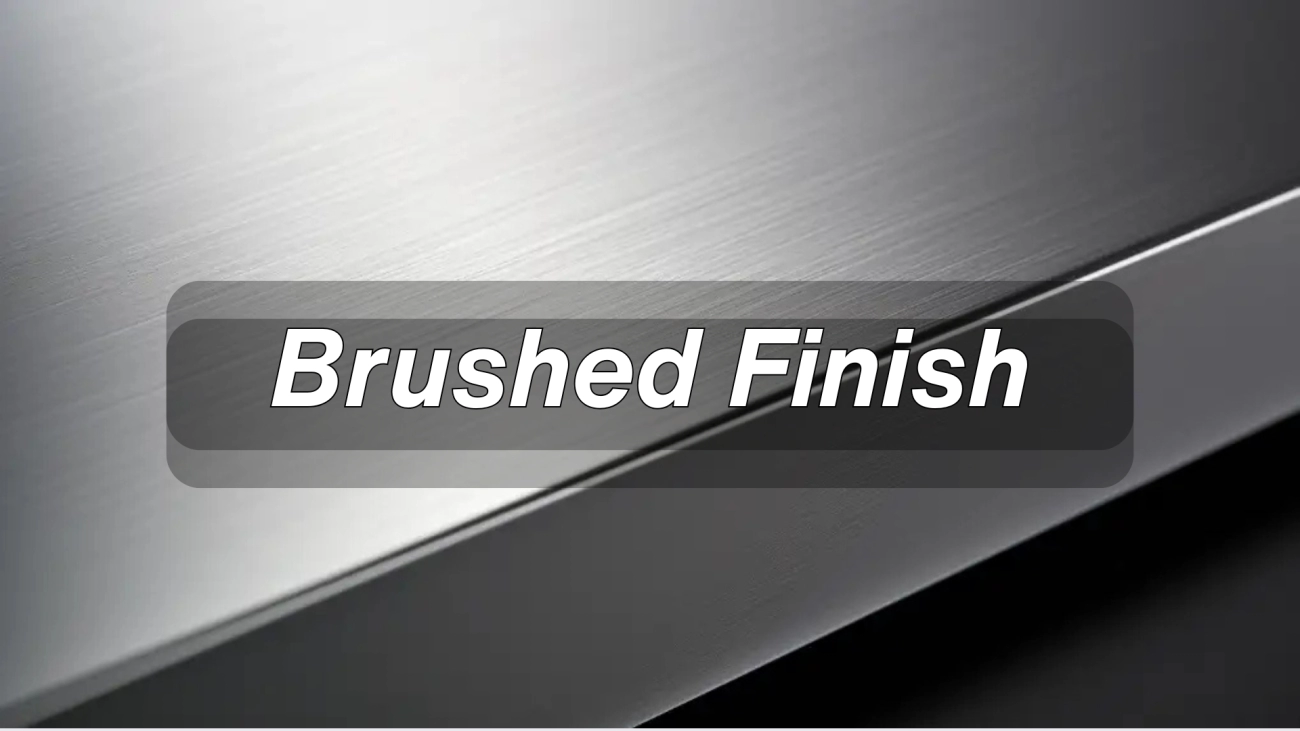
Ever noticed the smooth, slightly textured look on metal surfaces like kitchen appliances or car trim? That’s a brushed metal finish. It’s a surface treatment where fine abrasive brushes create tiny, consistent scratches or lines on the metal, giving it a unique directional texture. This finish isn’t just about looks—it helps hide minor scratches and fingerprints, making it practical and stylish.
The brushed metal finish dates back to industrial uses where durability and function were key. Over time, designers adopted it for its sleek, modern appeal in homes, gadgets, and vehicles. Unlike raw, untreated metal that can appear shiny or blotchy, brushed metal offers a soft, matte sheen with subtle linear patterns.
To visualize it, imagine comparing a polished stainless steel surface with a brushed stainless steel finish. The polished one reflects light clearly like a mirror and shows every mark, while the brushed one diffuses light softly, camouflaging scratches. This combination of beauty and utility makes brushed finishes a popular choice across the design and manufacturing world.
The Science Behind Brushed Finishes Materials and Compatibility
When it comes to a brush finish metal look, the type of metal you choose plays a big role in how the final finish turns out. The most popular metals for brushed finishes include stainless steel, aluminum, brass, bronze, and titanium. Each metal reacts differently to brushing because of its hardness and surface properties.
- Stainless steel is a top choice because it’s tough and resists corrosion well. It takes the #4 brushed finish particularly well, showing off a clean, satin metal polishing effect.
- Aluminum is softer, so it’s easier to brush but requires more care to avoid scratches. The surface prep usually involves finer grit levels for a smooth, unidirectional metal texture.
- Brass and bronze give a warm tone but need special attention because they’re softer and can develop uneven brushing marks if not handled carefully.
- Titanium is durable and corrosion-resistant but demands precise surface preparation to get consistent results.
Surface preparation is key regardless of the metal. Starting with the right grit sandpaper—from coarse to fine—ensures the abrasive brushing technique creates a uniform, scratch-hiding finish. The work environment also matters; a clean, dust-free workspace helps avoid blemishes.
If you’re picking an alloy, consider how it will behave under brushing and its corrosion resistance, especially for outdoor or industrial applications. This way, you get a brushed finish that’s both beautiful and long-lasting.
Step-by-Step Guide How to Achieve a Professional Brush Finish on Metal
Getting that perfect brush finish metal look takes some care, but with the right steps, you can do it yourself or know what to expect from a pro. Here’s a straightforward guide to help you through the process.
Preparation Phase
- Clean the Surface
Start with a clean metal surface. Use a mild detergent or degreaser to remove oils, dirt, and grease. Any residue can affect how the brushing turns out. - Sand the Metal
Sand lightly with fine grit sandpaper (around 220-320 grit) to even out the surface. This helps the brush finish stick better and look smoother. - Safety First
Wear gloves, eye protection, and a dust mask. The dust and metal particles aren’t good to breathe in, and gloves protect your hands from sharp edges.
Brushing Techniques and Tool Options
- Linear Brushing
This is the most common method. You create long, straight strokes with an abrasive pad or sandpaper. Use a firm, even pressure. - Circular Brushing
Less common but useful for rounded parts or blending edges. Use a circular motion with a wire brush or specialized abrasive wheel. - Tool Options
- Hand abrasives like Scotch-Brite pads or wire brushes for small jobs.
- Power tools like orbital sanders or angle grinders with wire wheels for bigger or tougher surfaces.
Detailed Execution
- Apply Even Pressure
Press evenly to create a consistent unidirectional metal texture without gouging the metal. - Timing Matters
Don’t over-brush one spot. Keep the tool moving steadily to maintain an even finish. - Post-Process Cleaning
Wipe down the metal with a clean cloth to remove dust and metal shavings. You can follow with a light protective coating or polish if desired.
Common Pitfalls and Troubleshooting
- Avoid Uneven Pressure
This causes inconsistent patterns or scratches that stand out. - Don’t Skip Surface Prep
cURL Too many subrequests. - cURL Too many subrequests.
cURL Too many subrequests. - cURL Too many subrequests.
cURL Too many subrequests.
cURL Too many subrequests.
cURL Too many subrequests.
cURL Too many subrequests.
cURL Too many subrequests.
- cURL Too many subrequests. cURL Too many subrequests.
- cURL Too many subrequests. cURL Too many subrequests.
Advanced Techniques
- cURL Too many subrequests. cURL Too many subrequests.
- cURL Too many subrequests. cURL Too many subrequests.
Local Sourcing Tips
- cURL Too many subrequests.
- cURL Too many subrequests.
- For specialized coatings or chemical etching supplies, industrial supply stores or online US distributors are your best bet.
Using the right gear and techniques not only speeds up your work but ensures your brushed finish metal looks sharp and lasts longer.
Types of Brushed Finishes From #3 to Custom Patterns

Brushed metal finishes come in different grades and styles, each suiting various looks and needs. The most common standard grades include:
- #3 Brushed Finish: Coarser texture with more visible scratches. Great for industrial looks but can show dirt easier.
- #4 Brushed Finish: The most popular satin finish. It has a smooth, even unidirectional metal texture that hides fingerprints well and looks clean in kitchens and appliances.
- #6 Brushed Finish: Finer, less shiny surface with a subtle texture. Often used when you want a softer, matte look.
Beyond these, you’ll find custom brushed patterns like:
- Non-directional brushing: Scratches go in multiple directions for a unique, less uniform texture.
- Selective masking: Parts of the surface are protected during brushing to create designs or logo highlights.
Companies like Vast offer tailored brushed finishes where they play with brush direction, pressure, and masking to match specific style requests, especially for architectural panels and high-end fixtures.
Each type has pros and cons:
| Finish Type | cURL Too many subrequests. | cURL Too many subrequests. |
|---|---|---|
| #3 Brushed Finish | Durable, rugged look | Shows scratches and dirt faster |
| #4 Brushed Finish | Clean satin look, hides marks | Slightly more reflective |
| #6 Brushed Finish | Matte, subtle texture | Can show fingerprints with time |
| Custom Patterns | Unique, tailored appearance | Usually higher cost and time |
Choosing the right brushed metal finish depends on your project’s style, usage, and maintenance preferences. Whether it’s for industrial brushed aluminum or sleek brushed stainless steel, understanding these types helps you get the perfect match.
Applications and Benefits Where Brushed Metal Shines
Brushed metal finishes are popular across several industries thanks to their unique look and practical benefits. You’ll find brushed stainless steel, aluminum, and other metals used in architecture, automotive design, home appliances, and electronics. The texture adds a sleek, modern vibe while hiding scratches and fingerprints better than polished or raw metal surfaces.
Industry Uses
- Architecture: Brushed metal panels and fixtures add style and durability to buildings.
- cURL Too many subrequests. It’s used inside car interiors and on trim pieces to give a premium feel.
- Appliances: Many kitchen gadgets and appliances feature a brushed stainless steel finish for a clean, polished look that resists smudges.
- Electronics: Devices like laptops and speakers often have a brushed aluminum finish to combine durability and aesthetics.
Advantages
- Glare Reduction: The matte texture minimizes reflections, making it easier on the eyes in bright settings.
- Fingerprint Resistance: cURL Too many subrequests.
- Corrosion Resistance: cURL Too many subrequests.
cURL Too many subrequests.
cURL Too many subrequests.
cURL Too many subrequests.
cURL Too many subrequests.
cURL Too many subrequests.
cURL Too many subrequests.
- cURL Too many subrequests.
- cURL Too many subrequests.
- cURL Too many subrequests.
cURL Too many subrequests.
cURL Too many subrequests.
- cURL Too many subrequests.
- cURL Too many subrequests.
- cURL Too many subrequests.
cURL Too many subrequests.
- cURL Too many subrequests.
- cURL Too many subrequests.
- Regular maintenance extends the finish life, reducing the need for replacements.
Following these tips helps your brush finish metal stay in top shape, saving you time and maintaining that sleek, corrosion-resistant metal finish for years.
 Italian
  English
  Spanish (Peru)
  German
  Korean
  Spanish (Spain)