
Discover the differences between bronze and copper including composition strength conductivity and key uses for manufacturing crafting and industry.
Core Compositions What Makes Bronze and Copper Unique
Copper is a pure metal known for its distinctive reddish color and excellent natural properties. It is 99.9% pure, often marked as 999 Cu, making it one of the few metals found in nature in a usable metallic form. Copper’s atomic number 29 places it firmly in the category of essential elements with unique electrical and thermal capabilities. This purity means copper delivers outstanding conductivity and malleability right from its natural state, setting it apart from many other metals and alloys. Its natural occurrence in veins and nuggets has made it a material of choice for thousands of years, valued for strength and easy workability.
Core Compositions What Makes Bronze and Copper Unique Bronze breakdown
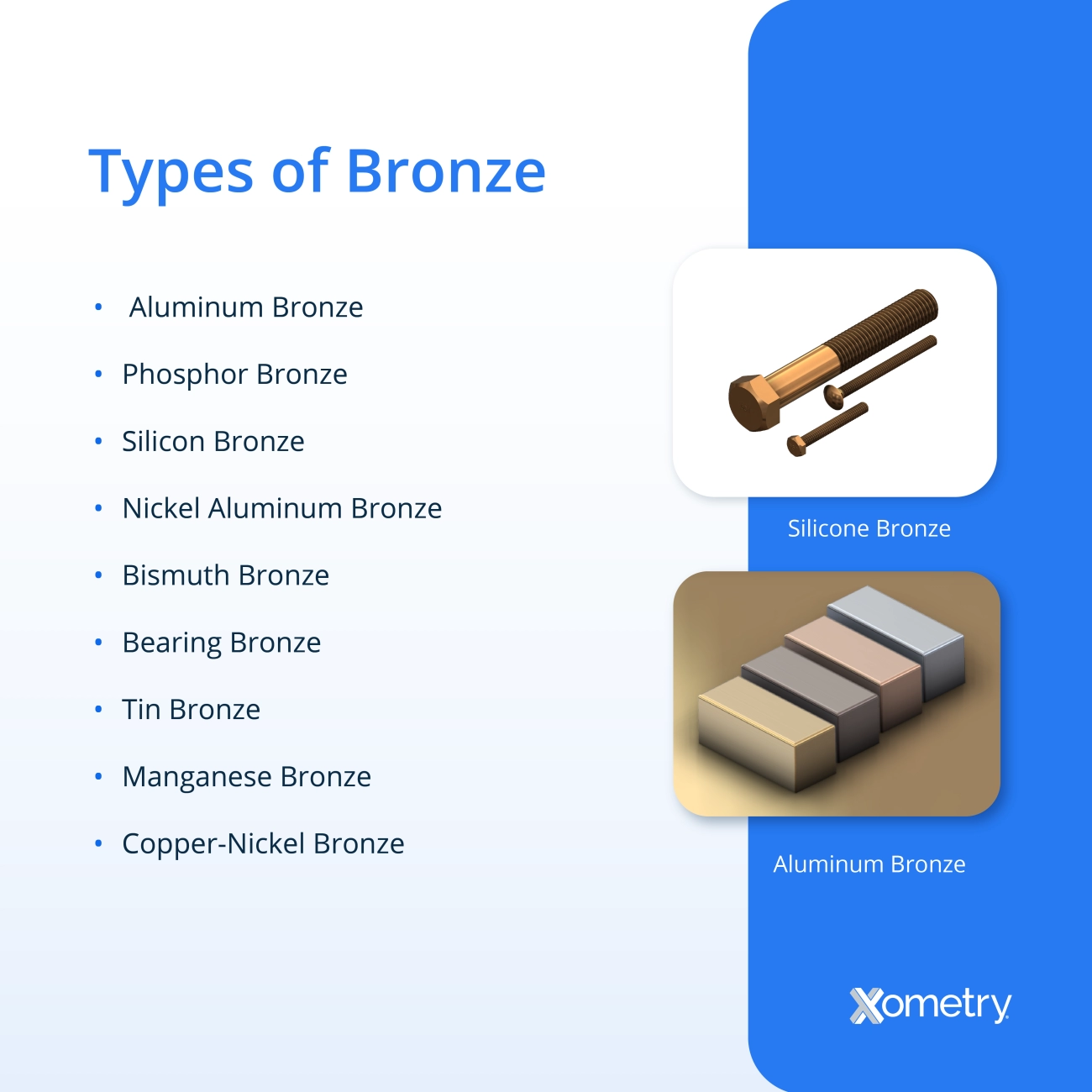
Bronze is mainly an alloy made up of about 88% copper and 12% tin. This mix gives bronze its strength and durability, setting it apart from pure copper. But bronze isn’t just one recipe—it comes in different variants where tin is swapped out or combined with metals like aluminum, silicon, or manganese. These types, such as aluminum bronze, silicon bronze, and manganese bronze, each bring unique properties like better corrosion resistance, higher strength, or improved wear resistance. This variety makes bronze a versatile choice across many industries, especially where tougher materials are needed compared to pure copper.
Key Properties Compared Strength Conductivity and Beyond
Physical Traits Density and Melting Points
When comparing bronze and copper, their physical traits are a good starting point. Pure copper has a density of about 8.96 g/cm³, making it slightly heavier than most bronze alloys, which typically fall between 8.7 and 9.0 g/cm³ depending on their exact tin and other element content.
In terms of melting points, copper melts at 1085°C, which is higher than bronze. The melting range for bronze varies based on its composition but generally falls between 927°C and 1038°C. This lower melting point makes bronze slightly easier to cast and shape compared to pure copper.
These differences in density and melting temperature influence how each metal performs in manufacturing and end-use situations, such as in construction, marine applications, or electronics.
Performance Edges Electrical Thermal Conductivity and Corrosion Resistance
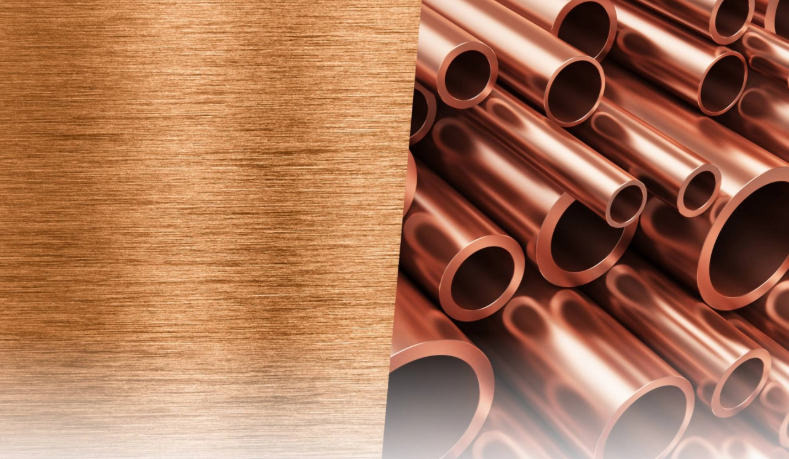
When it comes to performance, copper and bronze each have clear strengths. Copper is a powerhouse for electrical and thermal conductivity—making it the top choice for wiring and heat transfer applications. Its ability to carry electricity with minimal resistance is unmatched, which is why you’ll find pure copper in almost every electrical system.
On the other hand, bronze holds the edge in corrosion resistance, especially in harsh environments like marine settings. The tin and other alloying elements in bronze give it a tougher skin against saltwater and weathering than pure copper can handle. That’s why bronze is commonly used for ship fittings, bearings, and outdoor sculptures that need to stand the test of time.
Both copper and bronze have antibacterial properties, but copper tends to be stronger in this area. Copper surfaces can kill bacteria faster, which makes it a good option for medical tools and surfaces where hygiene is critical.
In short:
- Copper excels at electrical & thermal conductivity
- Bronze outperforms copper when it comes to corrosion resistance, especially in marine environments
- Both have antibacterial benefits, with copper generally offering stronger protection
Understanding these performance edges helps you pick the right metal based on your project’s needs.
Key Properties Compared Strength Conductivity and Beyond Durability factors Fatigue resistance machinability brass mention as foil for context
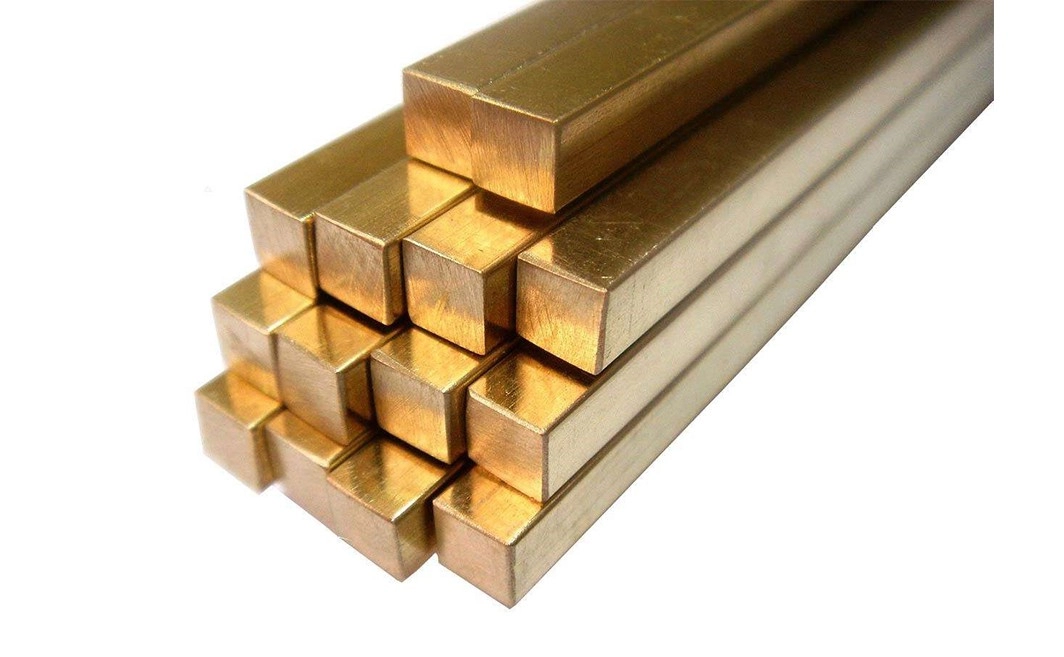
When it comes to durability, both bronze and copper bring strong qualities to the table, but they shine in different ways. Bronze, thanks to its tin content and other alloying elements like aluminum or manganese, offers better fatigue resistance. This means bronze holds up well under repeated stress, making it ideal for parts like bearings and marine applications where durability over time is key.
Copper, being a pure metal, is more machinable and easier to work with for detailed shaping and fine finishes. It’s softer than bronze but still strong enough for many electrical and artistic uses. That’s why copper is often preferred for wiring and custom-crafted pieces where precision matters.
It’s also helpful to mention brass here as a foil—it’s another copper alloy, usually with zinc, known for excellent machinability and moderate strength. Compared to brass, bronze generally outperforms in terms of wear and corrosion resistance, while copper beats both when it comes to electrical and thermal conductivity.
of durability traits:
- Bronze: Better fatigue resistance and wear durability
- Copper: Easier to machine, softer but strong enough for precise work
- cURL Too many subrequests.
cURL Too many subrequests.
cURL Too many subrequests.
cURL Too many subrequests.
cURL Too many subrequests.
cURL Too many subrequests.
cURL Too many subrequests.
cURL Too many subrequests.
cURL Too many subrequests.
cURL Too many subrequests.
cURL Too many subrequests.
cURL Too many subrequests.
cURL Too many subrequests.
cURL Too many subrequests.
cURL Too many subrequests.
cURL Too many subrequests.
cURL Too many subrequests.
In :
- cURL Too many subrequests. cURL Too many subrequests.
- cURL Too many subrequests. cURL Too many subrequests.
Both metals serve distinct but vital roles in industrial settings, combining performance with long-lasting reliability for U.S. manufacturers and consumers alike.
Practical Applications Where Bronze and Copper Shine Today Creative DIY Jewelry sculptures musical instruments copper ductility vs bronze patina

When it comes to creative projects like jewelry, sculptures, and musical instruments, both bronze and copper offer unique benefits. Copper is prized for its excellent ductility, meaning it can be easily shaped and stretched without breaking. This makes it a favorite for artisans crafting detailed, delicate jewelry or smooth, flexible musical instrument parts.
Bronze, on the other hand, develops a beautiful patina over time. This natural aging process adds character and depth to sculptures and decorative pieces. Its color shifts from warm gold and brown tones to deep greens, making it ideal for outdoor art or distinctive antique-style jewelry.
Both metals also bring durability to musical instruments like cymbals and brass instruments. Bronze’s toughness helps instruments hold their shape and tone, while copper’s workability allows fine tuning of components.
In short:
- cURL Too many subrequests.: Great for flexible, detailed work; easy to shape; bright reddish color.
- cURL Too many subrequests.: Offers rich patina; stronger and more corrosion-resistant; great for lasting art pieces.
Choosing between bronze and copper depends on whether you want workability and shine or long-lasting beauty and strength in your creative projects.
Practical Applications Where Bronze and Copper Shine Today Emerging trends Sustainable recycling 3D printing alloys Vast custom fabrication services

Both bronze and copper are stepping into the future with exciting new trends that focus on sustainability and innovation. In the U.S., we’re seeing a strong push toward recycling these metals, reducing waste while keeping the quality intact. Both metals can be melted down and reused without losing their core properties, making them favorites in eco-friendly manufacturing.
Another big trend is 3D printing with bronze and copper alloys. This tech allows for creating complex, custom parts quickly — perfect for industries like aerospace, automotive, and medical devices here at home. The ability to print detailed components from these metals opens up new possibilities for design and performance that traditional casting can’t always match.
Finally, custom fabrication services in the U.S. have grown significantly. Whether you need precision bronze bearings or tailored copper wiring, there are plenty of local shops that specialize in machining, shaping, and finishing these metals to exact specs. This customized approach helps businesses across sectors get the material they need, when they need it — combining traditional metalworking with cutting-edge technology.
In short, sustainable recycling, 3D printing alloys, and advanced fabrication services are making bronze and copper more relevant than ever for American manufacturers and creators.
Bronze vs Copper A Quick Decision Guide for Buyers Comparison matrix Table cost availability environmental impact
When deciding between bronze and copper, here’s a quick comparison to help buyers in the US market:
| Feature | cURL Too many subrequests. | cURL Too many subrequests. |
|---|---|---|
| Cost | Generally lower, widely available | Slightly higher due to alloying elements like tin |
| Availability | Extremely common, easy to source | Common but less abundant than pure copper |
| Environmental Impact | Recyclable, eco-friendly mining with established practices | Also recyclable but alloying can complicate recycling |
| cURL Too many subrequests. | Softer, more malleable | Stronger, better for heavy-duty use |
| Corrosion Resistance | Good but prone to tarnish and green patina | Superior, especially in marine and outdoor environments |
| Electrical Conductivity | Excellent, preferred for wiring and electronics | Lower conductivity due to alloying metals |
| Appearance | Bright, shiny reddish tone | Darker, with a warm, sometimes green or brown patina over time |
Buying bronze tends to make sense when durability and corrosion resistance are priorities, especially for marine or industrial use. Copper works best when electrical conductivity or pure metal qualities are needed, like in wiring or DIY projects. Understanding these differences ensures you pick the right metal for your specific needs.
Bronze vs Copper Common Pitfalls Misidentifying Alloys and Bronze Fakes with High Zinc
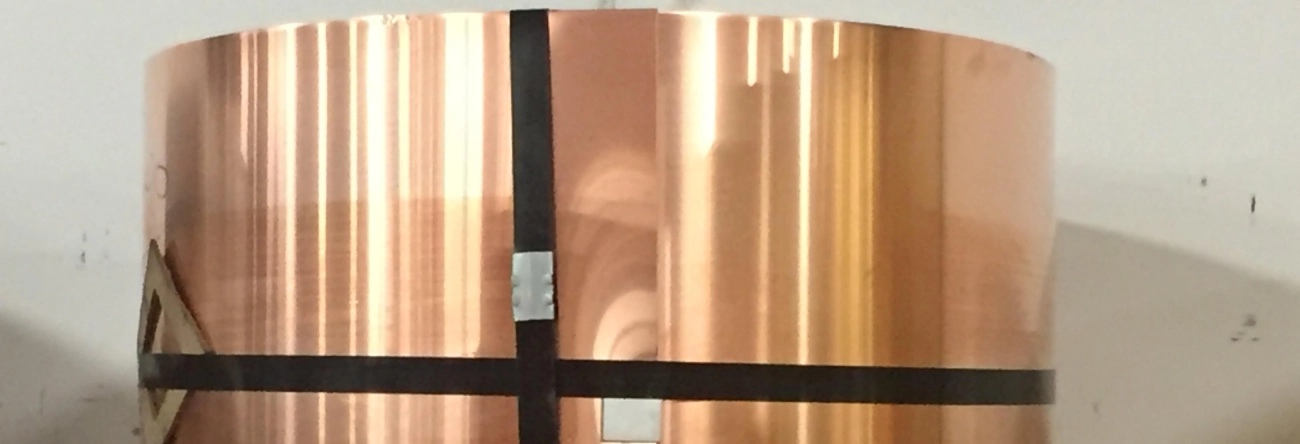
When deciding between bronze and copper, one common pitfall is mixing up the alloys. Bronze is mainly a copper tin alloy, but some cheaper versions sneak in extra zinc or other metals to cut costs. These fakes can look like bronze but don’t offer the same strength or corrosion resistance.
Here’s what to watch for:
- cURL Too many subrequests. cURL Too many subrequests.
- cURL Too many subrequests. cURL Too many subrequests.
- cURL Too many subrequests. cURL Too many subrequests.
cURL Too many subrequests.
cURL Too many subrequests.
cURL Too many subrequests.
cURL Too many subrequests.
cURL Too many subrequests.
 Italian
  English
  Spanish (Peru)
  German
  Korean
  Spanish (Spain)