
Explore comprehensive material test methods and importance for quality control across industries with expert insights and standards guidance.
What Is Material Testing Core Concepts and Objectives
Material testing is the process of evaluating the physical and mechanical properties of materials to ensure they meet required standards and perform safely under intended conditions. It covers a broad scope, including both destructive testing, where the material is purposely stressed to failure, and non-destructive testing (NDT), which inspects for defects without altering the material’s usability.
Key properties measured during material tests include:
- cURL Too many subrequests.: The ability of a material to withstand applied forces without breaking.
- Ductility: How much a material can deform before failure, indicating flexibility.
- Hardness: Resistance to indentation or surface deformation.
These tests serve several critical objectives:
- Quality Control: Verifying materials meet design and safety specifications.
- Research and Development (R&D): Exploring new materials or improving existing ones.
- Regulatory Compliance: Meeting industry and government standards, such as the widely recognized ASTM E8 standard for tension testing of metals.
In real-world applications, material testing is essential for preventing catastrophic failures—whether it’s ensuring bridge components withstand heavy loads, aircraft parts resist fatigue during flight, or consumer products maintain durability through daily use. Understanding the right test types and interpreting results accurately allows engineers to design safer, longer-lasting materials.
(Visual infographic comparing destructive vs non-destructive testing methods would be placed here to illustrate the differences clearly and enhance comprehension.)
The Importance of Material Testing Across Key Industries
Material testing plays a crucial role in keeping industries safe, efficient, and cost-effective here in the U.S. Let’s break down how it impacts some major sectors:
cURL Too many subrequests.
- Ensures concrete meets compressive strength requirements
- Critical for building skyscrapers that can withstand seismic activity common in areas like California
Manufacturing and Aerospace
- Uses fatigue testing on metals to meet strict FAA safety standards
- Prevents metal failures that could endanger aircraft safety
Automotive and Biomedical
- Impact testing confirms vehicle parts meet crash safety standards
- Tests biocompatibility of materials used in implants and medical devices
Benefits of Material Testing
- Cost savings: Catching flaws early prevents costly recalls and repairs
- Early detection: Spot weaknesses before they cause failures
- cURL Too many subrequests. Validates eco-friendly materials and supports recycling initiatives
- Risk reduction: Helps companies stay compliant with regulations and avoid dangers
Case Study Highlight
An engineer at Vast shared, “cURL Too many subrequests.”
| Industry | cURL Too many subrequests. | cURL Too many subrequests. | Benefit |
|---|---|---|---|
| cURL Too many subrequests. | cURL Too many subrequests. | cURL Too many subrequests. | cURL Too many subrequests. |
| Aerospace | cURL Too many subrequests. | cURL Too many subrequests. | cURL Too many subrequests. |
| Automotive | cURL Too many subrequests. | cURL Too many subrequests. | cURL Too many subrequests. |
| cURL Too many subrequests. | cURL Too many subrequests. | cURL Too many subrequests. | cURL Too many subrequests. |
cURL Too many subrequests.
cURL Too many subrequests.
cURL Too many subrequests.
Mechanical Testing
This includes tests like tensile and compression testing, where you measure yield strength, elongation, and ductility. For example, ASTM D638 is a common standard for tensile testing plastics, showing how much stress material can take before breaking. Fatigue and impact tests simulate real-world conditions, checking how materials hold up under repeated stress or sudden force.
Non-Destructive Testing (NDT)
NDT lets you inspect materials without causing damage. Ultrasonic testing uses sound waves to find internal flaws, while radiography (X-rays) reveals hidden cracks or voids inside components. Magnetic particle testing is great for spotting surface and near-surface cracks in ferrous metals.
Chemical and Thermal Testing
These tests focus on how materials behave under chemical exposure or temperature extremes. Corrosion resistance checks how metals and polymers hold up against rust or chemical degradation, and thermal tests measure heat tolerance, crucial for polymers used in harsh environments.
Field vs Lab Testing
Field tests take place on-site, like soil compaction tests in construction, giving quick results under real conditions. Lab testing offers controlled environments for more detailed analysis, often using specialized equipment.
| Type | Purpose | cURL Too many subrequests. | cURL Too many subrequests. | Standards |
|---|---|---|---|---|
| Mechanical Testing | Measure strength, elongation | Detailed, standardized data | Destructive to samples | ASTM D638, ASTM E8 |
| Non-Destructive Testing | Detect flaws without damage | Preserves material integrity | Equipment can be costly | ASTM E1444, ASTM E164 |
| Chemical/Thermal | Assess corrosion and heat tolerance | Simulates real conditions | Requires specialized setup | ASTM G31, ASTM D5949 |
| Field Testing | Quick, on-site assessment | Fast results, practical | Less precise than lab testing | Varies by application |
These testing methods cover key material properties needed for reliable quality control, research, and safety assurance. For local US industries, complying with ASTM and ISO standards ensures your materials meet required regulations and performance benchmarks.
Step-by-Step Guide How to Conduct Material Testing Effectively
Preparation
Start by selecting the right sample that truly represents your material batch. Make sure it meets size and shape standards for tests like tensile or compression. Calibration of your equipment, such as universal testing machines, is crucial before every test. This helps avoid inaccurate results and keeps your process ISO compliant.
Execution
Follow the specific protocol for each test type: tensile, compression, fatigue, or impact. Always keep safety in mind. Wear protective gear and follow machine operation guidelines closely. Consistency during test execution ensures reliable data.
Analysis
Once testing is done, analyze the data carefully. Interpreting stress-strain curves helps you understand material properties like yield strength and ductility. Prepare clear reports following Mill Test Report (MTR) formats to communicate results effectively.
Tools Spotlight
Using advanced tools like Vast’s ISO-certified testing equipment ensures accuracy and repeatability. These machines streamline the process and help you meet ASTM material standards and local regulations with ease.
Checklist
Download our free 5-step checklist to make sure you don’t miss any phase in your material test—from sample prep to final report. This simple guide helps keep your process smooth and compliant, saving time and reducing errors.
Common Challenges in Material Testing and How to Overcome Them
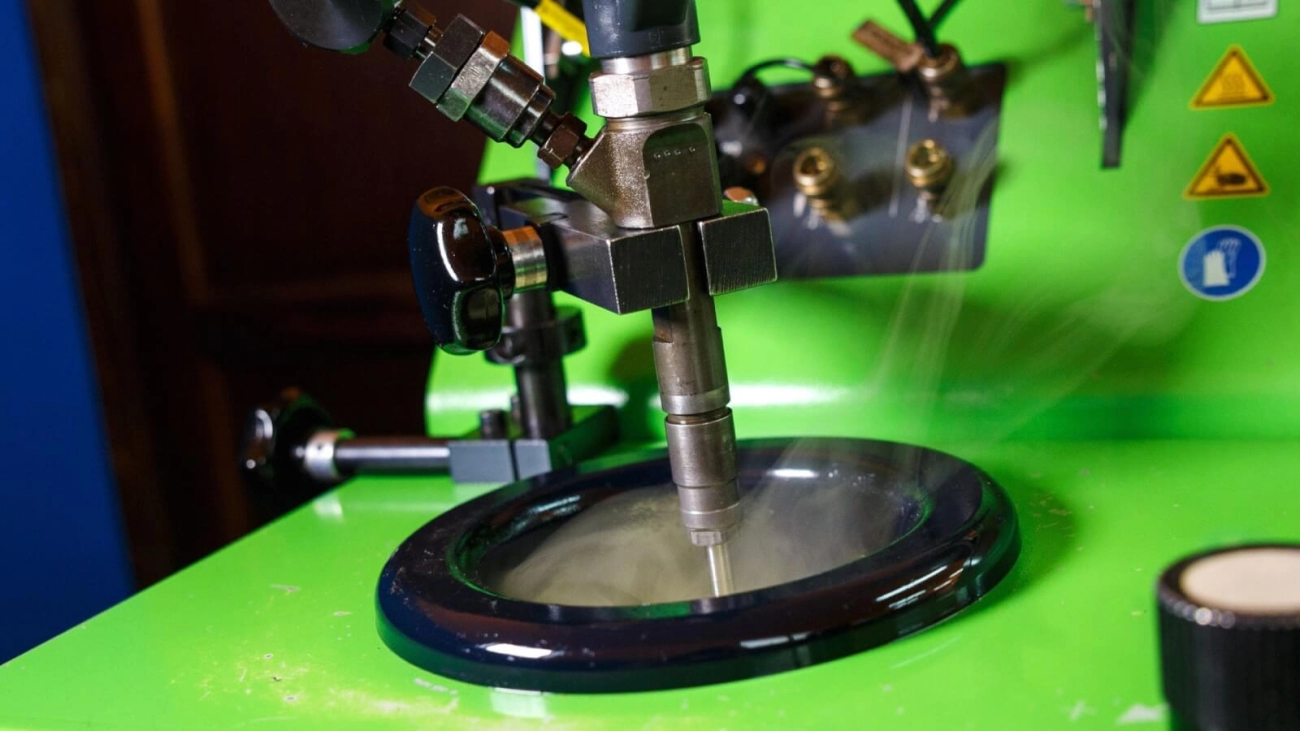
Material testing isn’t always straightforward. One big challenge is variability in test results. Even slight differences in sample prep or testing conditions can cause inconsistent data. That’s why following ISO guidelines strictly for standardization is key—it helps keep results reliable and repeatable.
Another hurdle is cost and time. Testing can be expensive and sometimes slow, especially with complex methods. Using automated testing tools can speed things up and reduce labor costs without sacrificing accuracy.
Regulatory compliance is another tricky area. Every state or sector, like infrastructure overseen by the US DOT, has its own rules and approvals. Knowing and navigating local codes is essential to avoid delays or fines.
cURL Too many subrequests.
cURL Too many subrequests.
cURL Too many subrequests.
- cURL Too many subrequests.
- cURL Too many subrequests.
- cURL Too many subrequests.
cURL Too many subrequests.
 Italian
  English
  Spanish (Peru)
  German
  Korean
  Spanish (Spain)