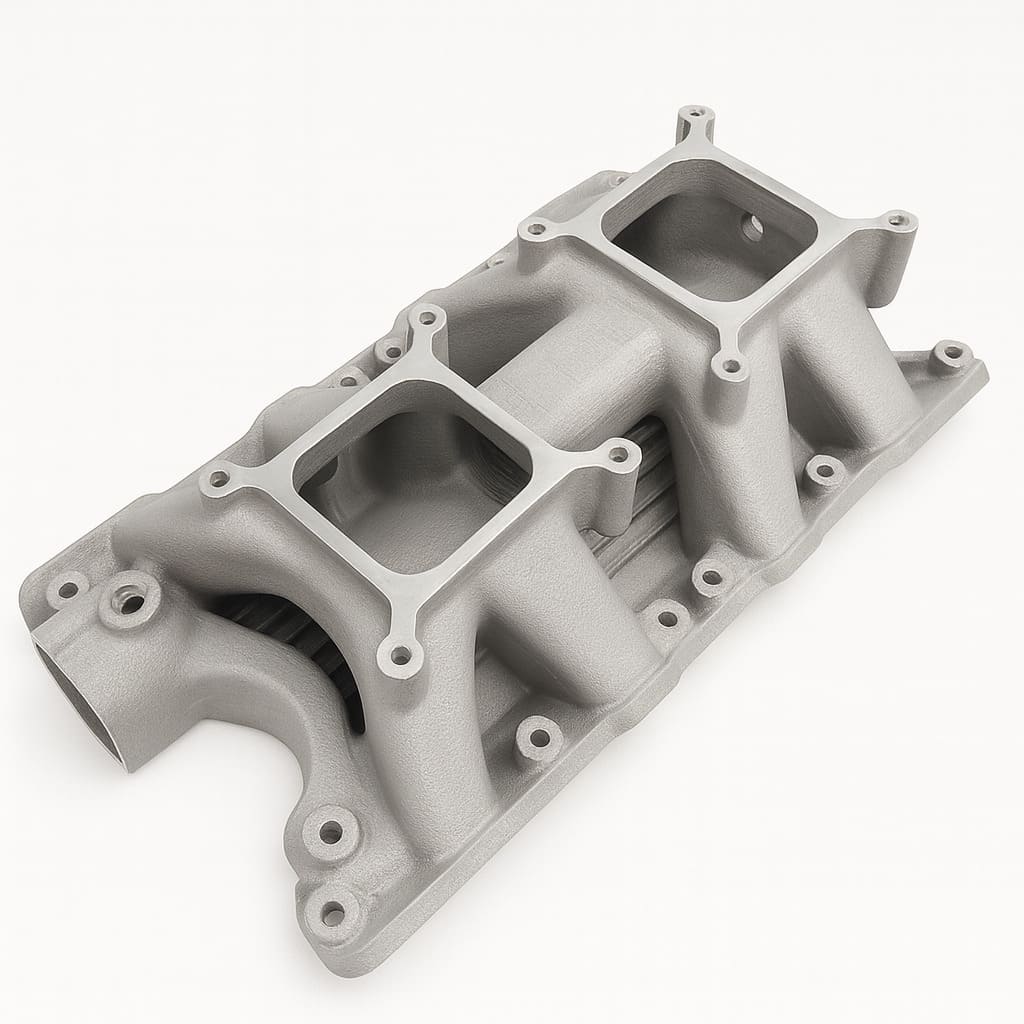
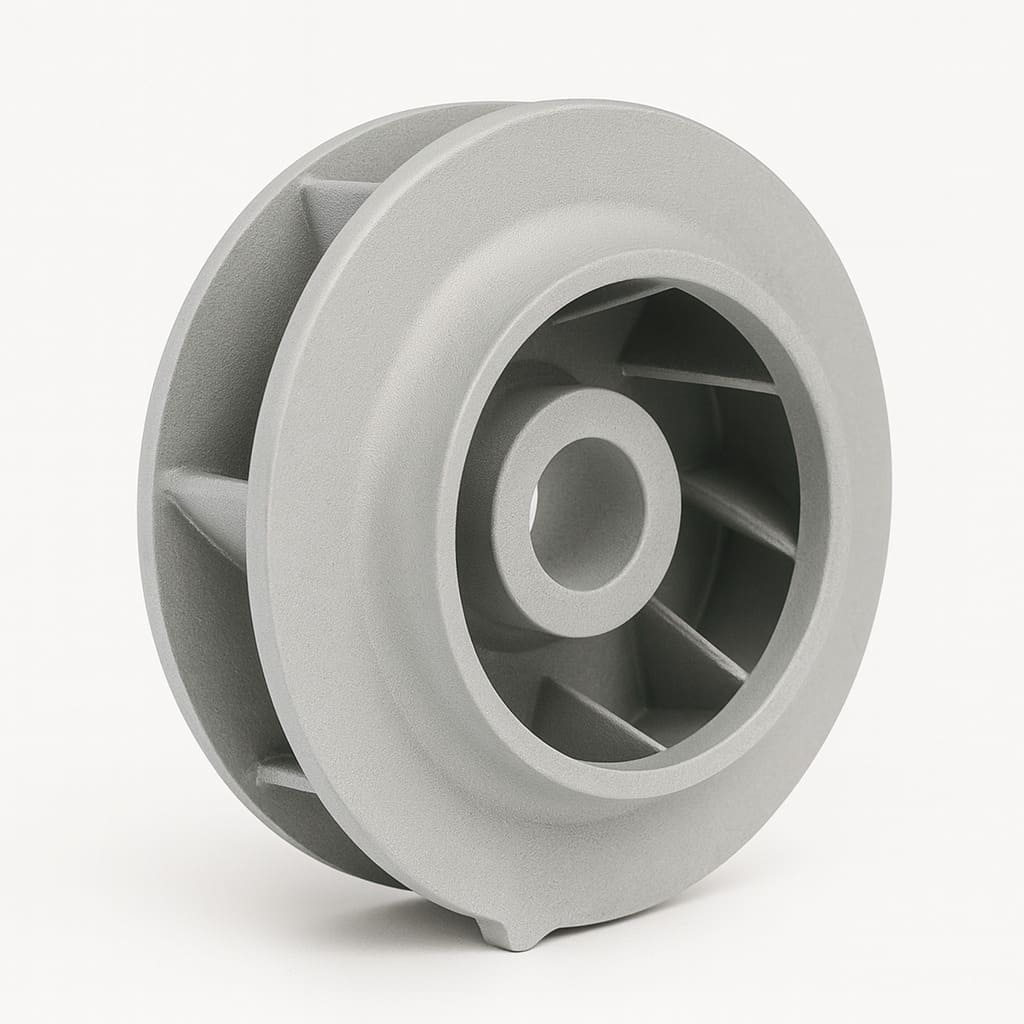
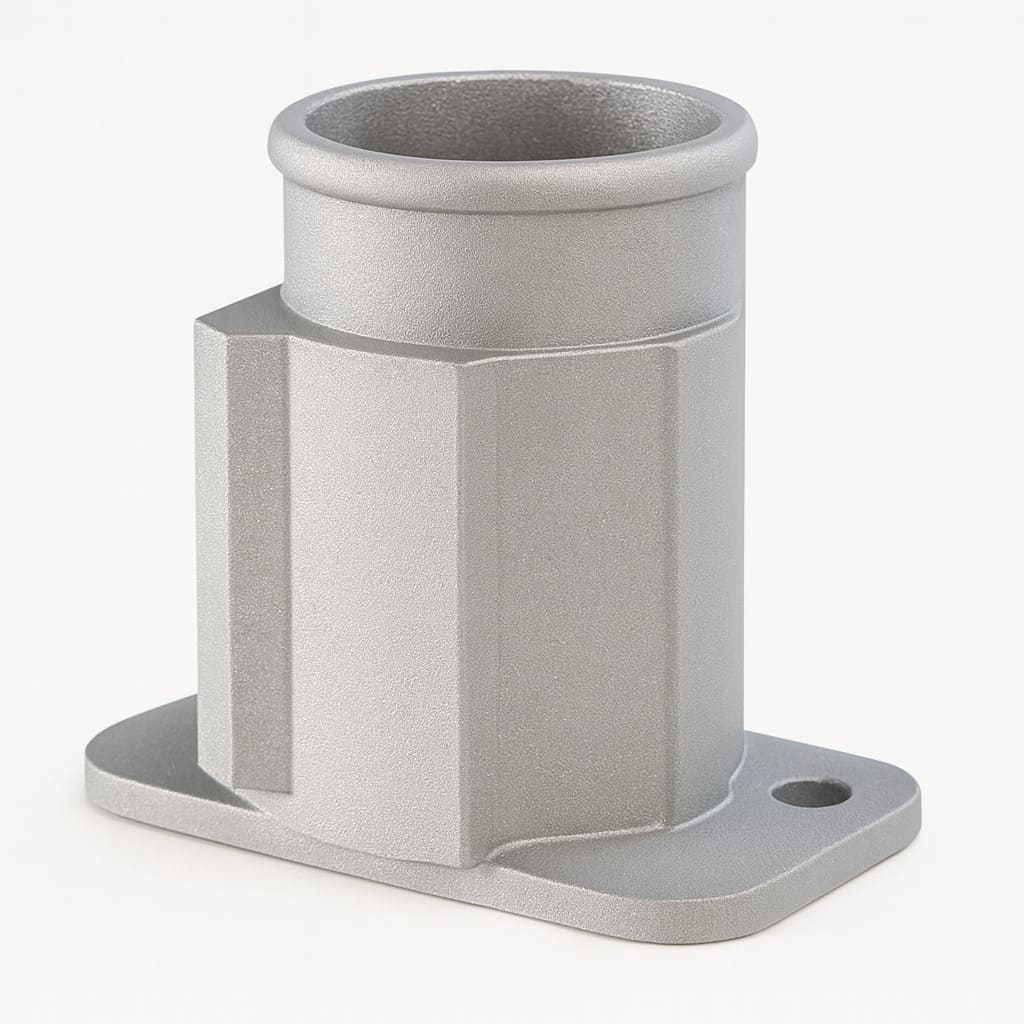
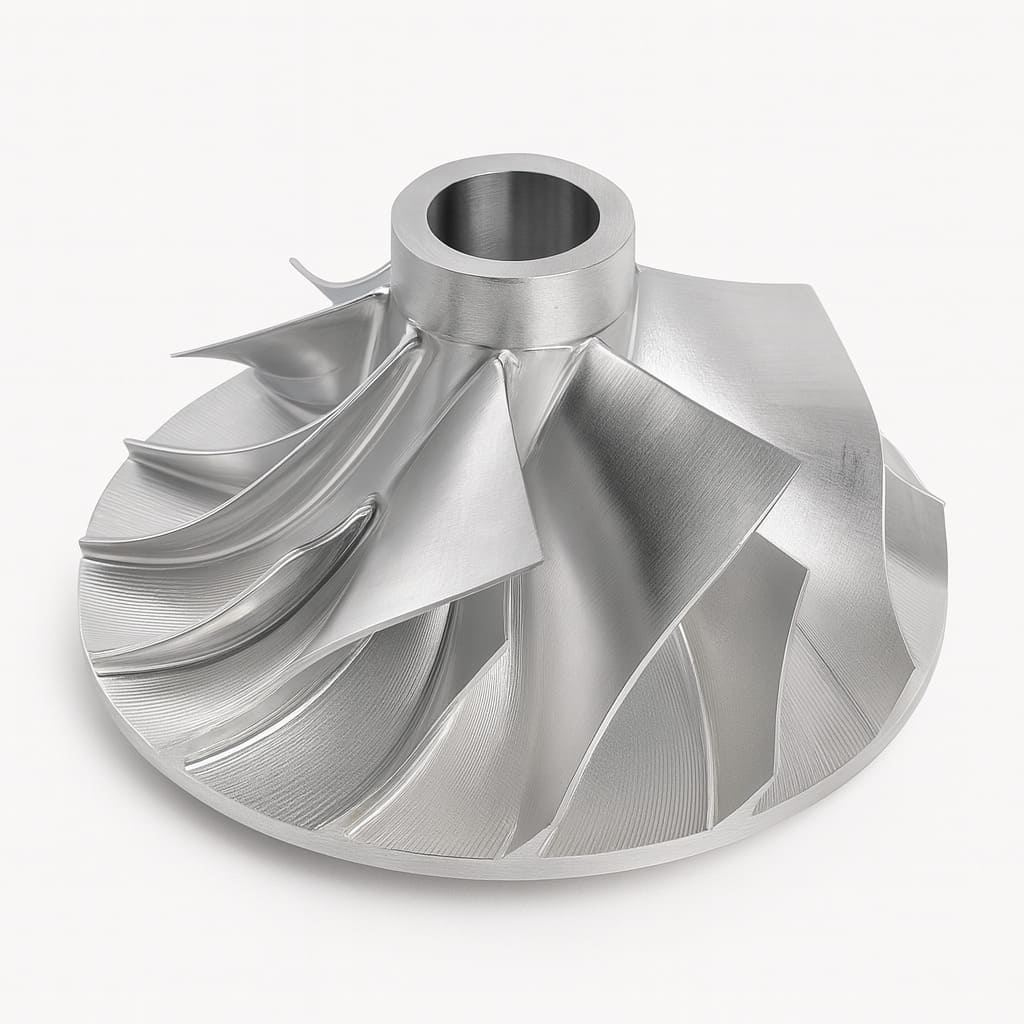
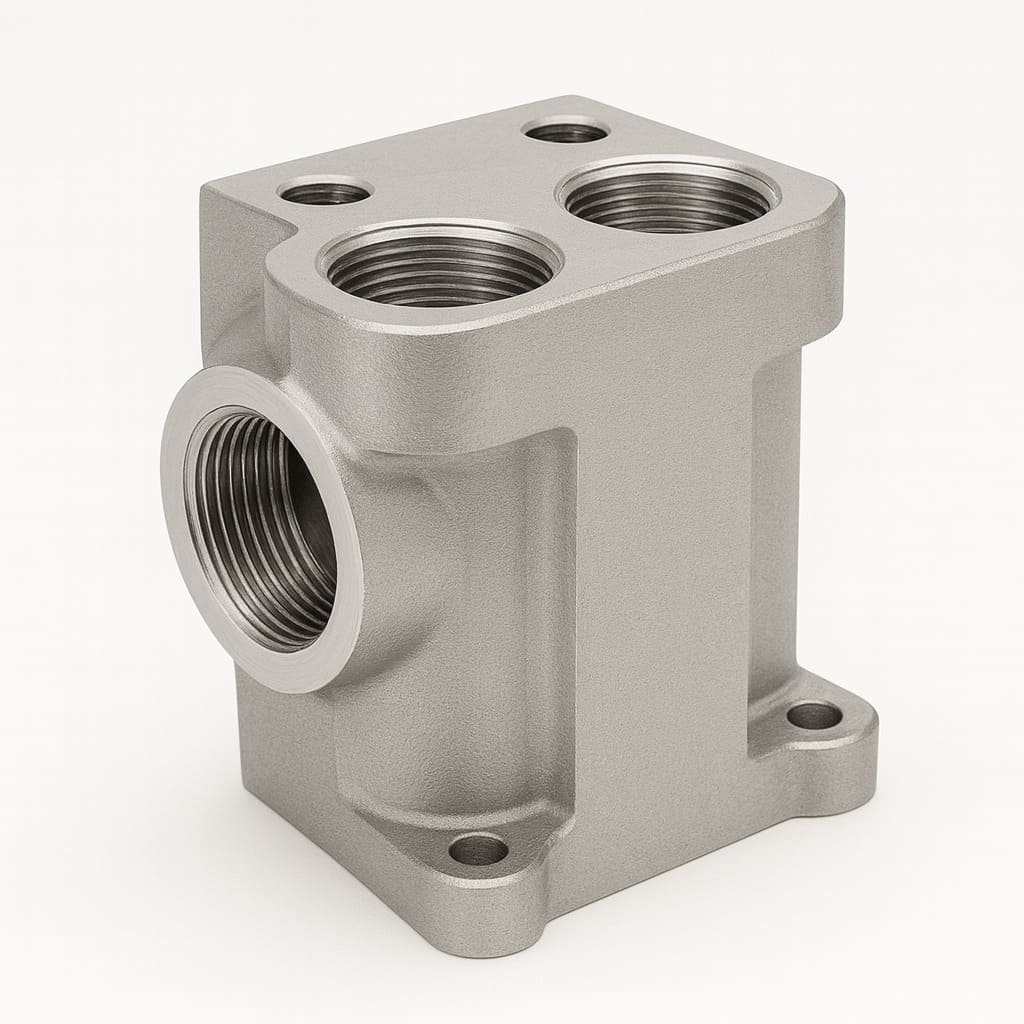
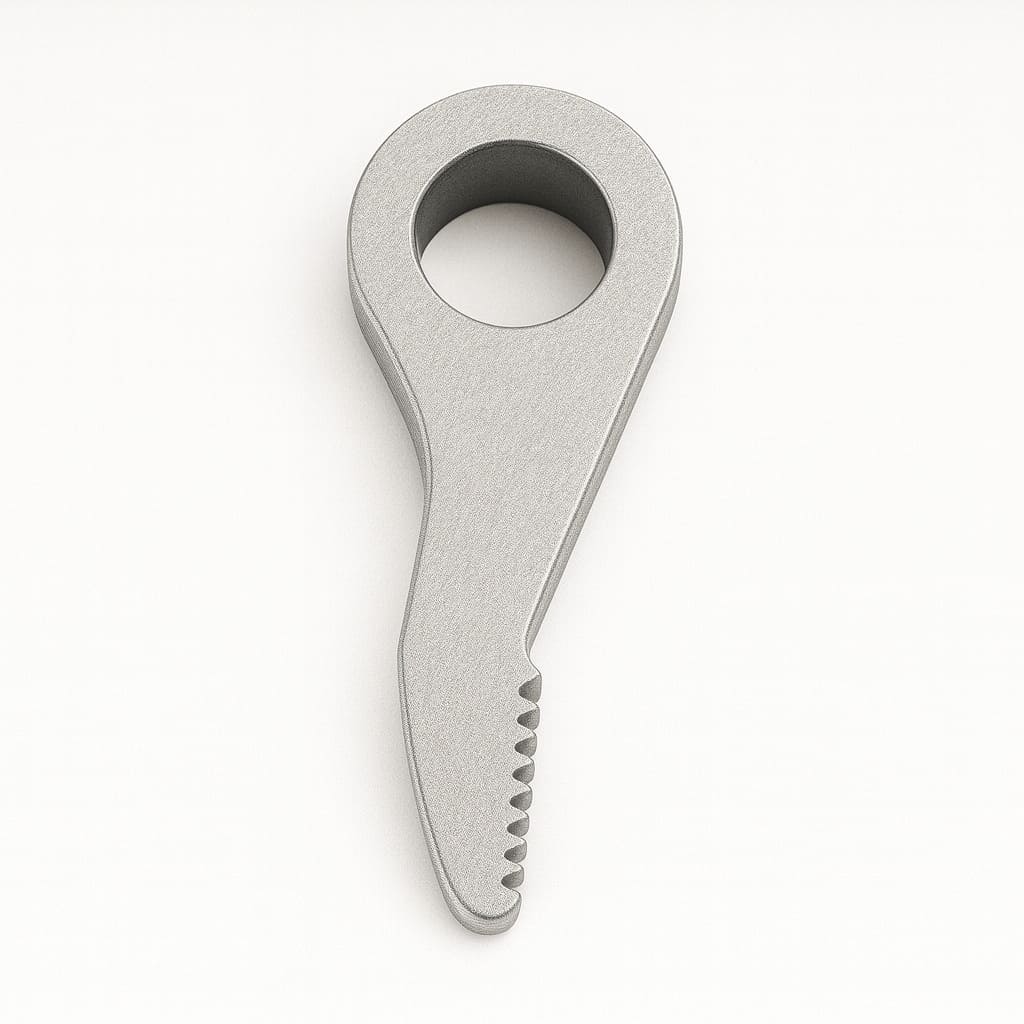
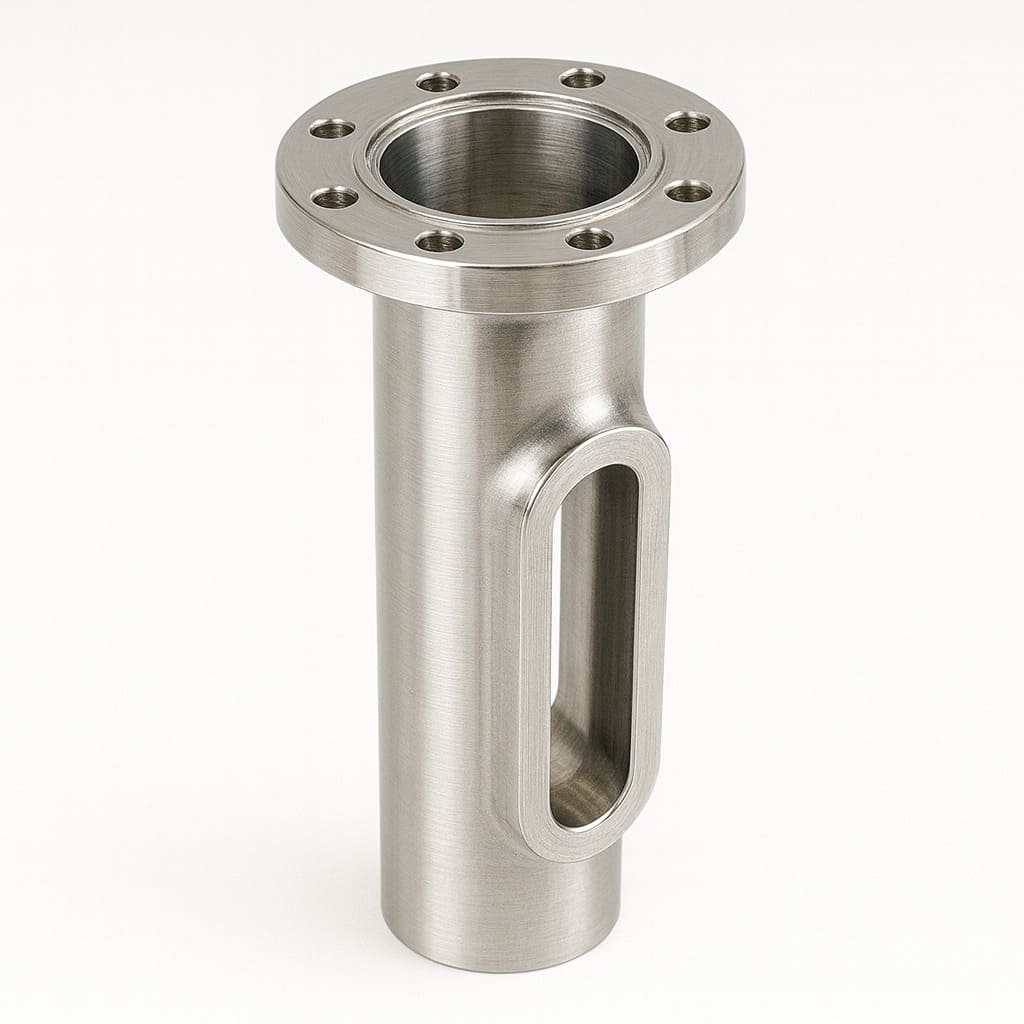
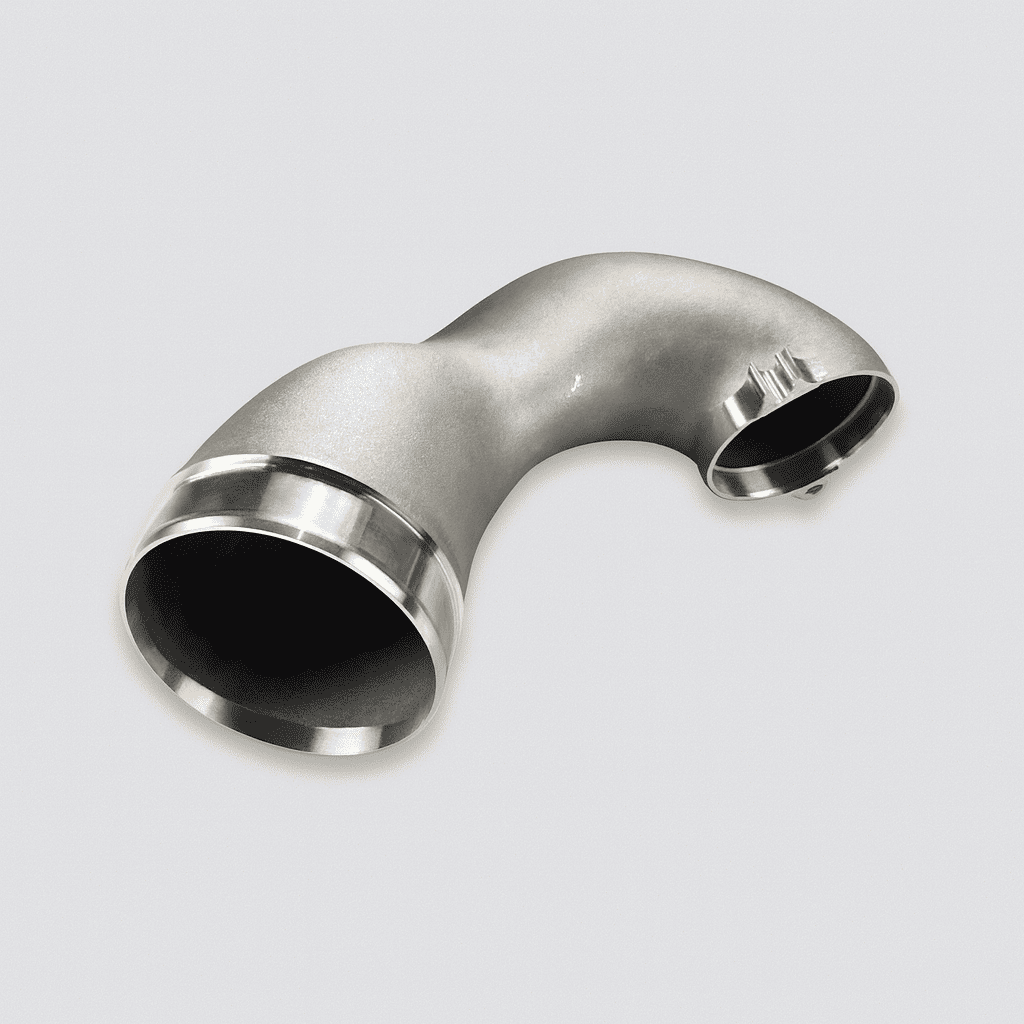
Aluminum Alloy Casting
High-Performance Aluminum Alloy Casting & Precision Machining | Vast
Vast is a premier manufacturer specializing in aluminum alloy investment casting and high-precision CNC machining. We deliver lightweight, high-strength components engineered for superior corrosion resistance and durability in demanding environments.
By integrating advanced silica sol investment casting with state-of-the-art machining, we provide “near-net-shape” solutions that reduce material waste and significantly lower production costs.
Why Choose Aluminum Alloy Casting from Vast?
Our aluminum components are favored by global industries for their unique balance of performance and efficiency:
Lightweight Performance: Ideal for weight-critical applications without sacrificing structural integrity.
Superior Corrosion Resistance: Naturally forms a protective oxide layer, perfect for harsh industrial environments.
High Dimensional Accuracy: Achieving tight tolerances and complex geometries through advanced CNC machining.
Customized Solutions: From prototype to mass production, we tailor every component to your specific engineering requirements.
Key Applications & Industries
Vast’s precision aluminum castings are the backbone of modern engineering across several sectors:
cURL Too many subrequests. Engine components, transmission housings, and lightweight chassis parts.
cURL Too many subrequests. High-strength, weight-reduced brackets and structural fittings.
Construction Machinery: Durable hydraulic components and specialized hardware.
Industrial Equipment: Precision-engineered parts for pumps, valves, and robotics.
Advanced Manufacturing Processes
We ensure consistent quality and international compliance by utilizing:
Investment Casting (Lost Wax Process): Captures intricate details and smooth surface finishes.
Precision CNC Machining: Guarantees exact specifications for value-added finishing.
Rigorous Quality Control: Every part undergoes strict inspection to meet cURL Too many subrequests. standards.
- Precision Investment Casting
- Flexible Weight Range: from 0.02 kg up to 120 kg.
- Custom Solutions: meet the requirements of diverse industries
- Home
- »
- Aluminum Alloy Casting
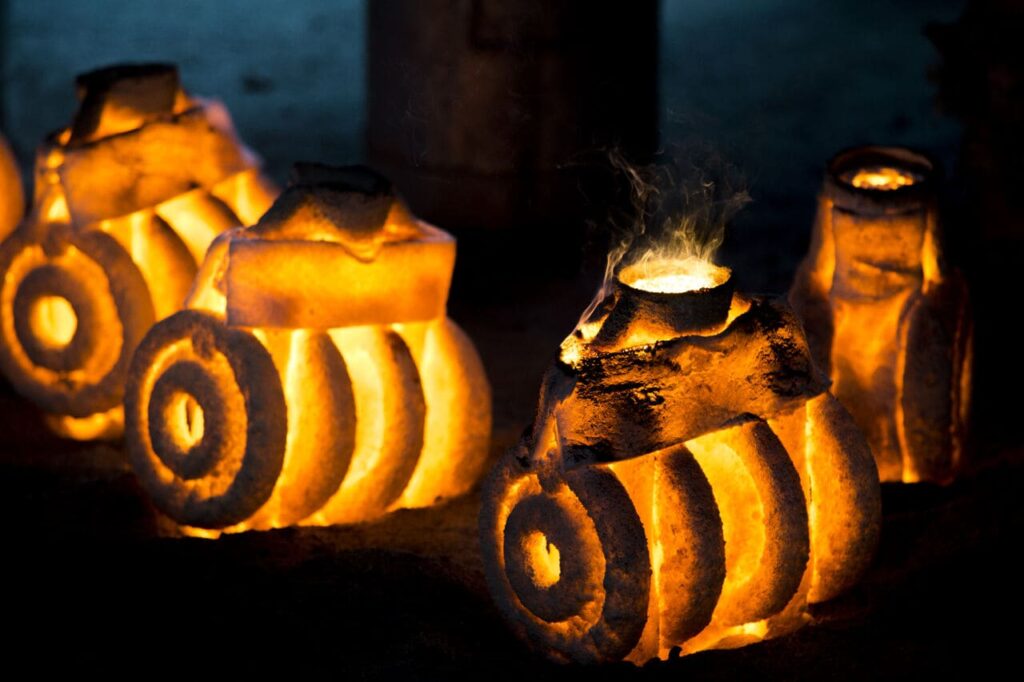
What is Aluminum Alloy Casting?
What is Aluminum Casting? | Precision Manufacturing & Process Overview
Aluminum casting is a high-efficiency manufacturing process that involves melting aluminum alloys and pouring the molten metal into a precision-engineered mold. Once cooled, the metal solidifies into a specific, high-strength component. The materials used in this process are specifically categorized as casting aluminum alloys, known for their excellent fluidity and thermal properties.
The Aluminum Casting Process: Step-by-Step
To ensure the highest quality for industrial applications, the casting process follows a rigorous technical workflow:
-
Alloy Preparation: Pure aluminum or aluminum ingots are blended according to precise standard composition ratios cURL Too many subrequests.
-
cURL Too many subrequests. cURL Too many subrequests. cURL Too many subrequests. cURL Too many subrequests.
-
cURL Too many subrequests. cURL Too many subrequests. cURL Too many subrequests. cURL Too many subrequests.
-
cURL Too many subrequests. cURL Too many subrequests. cURL Too many subrequests. cURL Too many subrequests.
cURL Too many subrequests.
cURL Too many subrequests.
-
Complex Geometries: cURL Too many subrequests.
-
cURL Too many subrequests. cURL Too many subrequests. cURL Too many subrequests..
-
Corrosion Resistance: Naturally durable against harsh environmental factors.
-
Cost-Effective Mass Production: High repeatability and minimal material waste (near-net-shape).
Advantages of Aluminum Alloy Casting
Lightweight with High Strength
Aluminum alloy castings offer an excellent strength-to-weight ratio, making them ideal for applications where reducing weight without compromising strength is critical, such as automotive and aerospace.
Corrosion & Oxidation Resistance
With natural oxide layers and alloying elements, aluminum castings provide outstanding resistance to rust, oxidation, and environmental exposure, extending component life in demanding conditions.
Excellent Thermal & Electrical Conductivity
Aluminum alloys deliver superior heat dissipation and electrical conductivity, making them well-suited for applications in energy, electronics, and automotive cooling systems.
Versatility in Applications
Aluminum alloy castings can be tailored for a wide range of industries — from automotive, aerospace, and construction to electronics and industrial equipment — providing both design flexibility and cost efficiency.
Aluminum Alloy Casting Material Table
Alloy Grades | Alloy code | Major elements (mass fraction) (%) | ||||||
Si | Cu | Mg | Zn | Mn | Ti | Al | ||
ZAlSi7Mg | ZL101 | 6.5~7.5 | 0.25~0.45 | Residuals | ||||
ZAlSi7MgA | ZL101A | 6.5~7.5 | 0.25~0.45 | 0.08~0.20 | Residuals | |||
ZAlSi12 | ZL102 | 10.0~13.0 |
| Residuals | ||||
ZAlSi9Mg | ZL104 | 8.0~10.5 | 0.17~0.35 | 0.2~0.5 | Residuals | |||
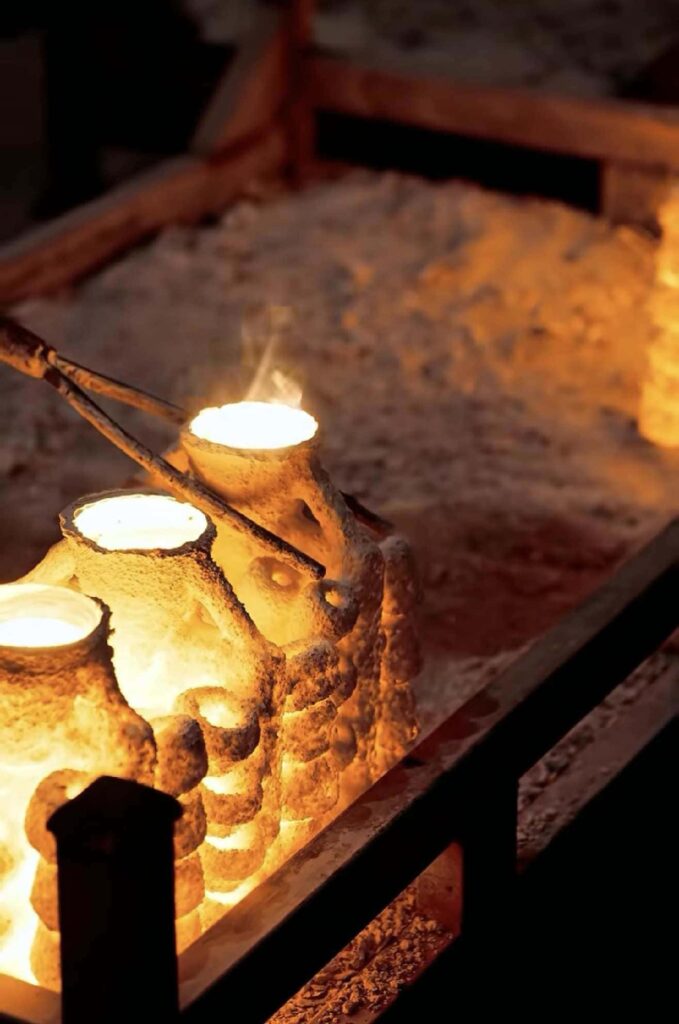
Our Value-Added Services Beyond Aluminum Alloy Casting
cURL Too many subrequests.
🛠 cURL Too many subrequests.
cURL Too many subrequests.✨ cURL Too many subrequests.
cURL Too many subrequests.🎨 cURL Too many subrequests.
cURL Too many subrequests.🔥 Heat Treatment
cURL Too many subrequests.
cURL Too many subrequests.
cURL Too many subrequests.
cURL Too many subrequests. cURL Too many subrequests., cURL Too many subrequests.
cURL Too many subrequests. cURL Too many subrequests., aerospace (aircraft components), electronics (housings and heat sinks), construction machinery, and industrial equipment where weight reduction and corrosion resistance are critical.
We offer a wide range of finishing and machining options, including CNC machining, anodizing, powder coating, polishing, and heat treatment. These processes enhance surface quality, durability, and overall performance of the final component.
 Italian
  English
  Spanish (Peru)
  German
  Korean
  Spanish (Spain)