
Learn how bead blasting creates smooth satin finishes on metal parts with step-by-step tips and expert surface preparation techniques.
If you’ve ever wrestled with uneven, dull finishes on your metal parts, then bead blasting might just be your new best friend. This surface finishing technique uses tiny glass or ceramic beads to clean, smooth, and prep metals—delivering sleek, satin finishes that don’t compromise tolerances. Whether you’re a hobbyist polishing aluminum or a small shop striving for consistent quality, understanding bead blasting will save you time, cut costs, and elevate your parts to pro levels. Ready to blast through the basics and see how Vast’s precision services can sharpen your results? Let’s get started.
What Is Bead Blasting and Why Does It Matter in Modern Manufacturing?
Ever wonder how manufacturers achieve smooth, clean, and consistent surfaces on metal or plastic parts? That’s where bead blasting comes into play. Bead blasting is a surface finishing technique that uses tiny spherical beads, usually glass or ceramic, propelled at high speed to clean, polish, or texture surfaces. It’s like pressure washing, but much gentler and more precise.
The Fundamentals of Bead Blasting
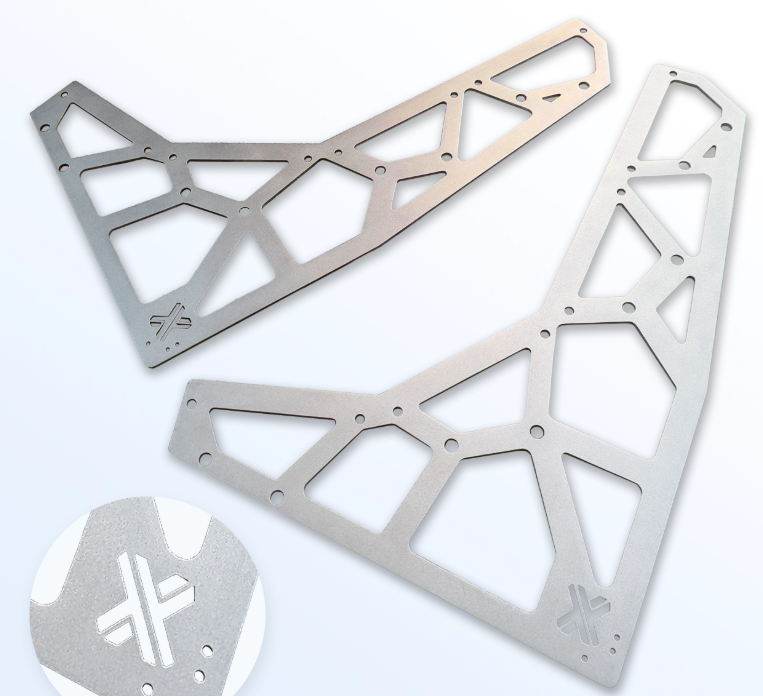
Bead blasting uses fine abrasive media—often glass beads—to remove surface contaminants, smooth rough edges, and create a satin or matte finish. This process is especially popular in metal deburring and post-machining surface refinement. Unlike harsher methods like sandblasting, bead blasting provides a uniform finish without damaging the material underneath.
| Feature | Bead Blasting | Sandblasting |
|---|---|---|
| Abrasive Media | Glass or ceramic beads | Sand or crushed minerals |
| Surface Finish | Smooth satin/matte finish | Rougher surface texture |
| Material Impact | Minimal | Can be aggressive |
| Common Usage | Precision parts, aluminum matte finish | Heavy-duty cleaning, rust removal |
Key Benefits Over Traditional Methods
Bead blasting shines because it delivers:
- Consistent finishes: Perfect for CNC parts requiring uniformity.
- Gentle surface treatment: Minimizes substrate damage.
- Environmentally friendly options: Glass beads can be recycled, reducing waste.
- Corrosion removal: Efficiently cleans without harsh chemicals.
- Versatility: Works on metals, plastics, and more.
Common Applications Across Industries
This method isn’t just for one niche. You’ll see bead blasting used in:
- Automotive part cleaning: Removing dirt, grease, and prepping surfaces.
- Industrial surface texturing: Creating controlled finishes for better paint adhesion.
- Aerospace and defense: Refining precision parts.
- cURL Too many subrequests.: Cleaning delicate components without scratching.
- Architectural aluminumcURL Too many subrequests.
cURL Too many subrequests.
cURL Too many subrequests.
cURL Too many subrequests.
cURL Too many subrequests.
- cURL Too many subrequests.cURL Too many subrequests.
- cURL Too many subrequests.cURL Too many subrequests.
- cURL Too many subrequests.cURL Too many subrequests.
- cURL Too many subrequests.cURL Too many subrequests.
cURL Too many subrequests.
cURL Too many subrequests.
cURL Too many subrequests.
- cURL Too many subrequests. cURL Too many subrequests.
- cURL Too many subrequests., seal it, and switch on the compressor.
- Aim the nozzle and trigger the bead media to blast across the surface.
- The fine beads smooth out rough edges or remove coatings like rust, leaving a uniform matte finish.
- Inspect the part periodically until you get the desired result—usually a clean, satin surface finish that’s ideal for further processing or painting.
This method is excellent for precision machining finishes and preparation techniques, such as metal deburring and corrosion removal methods, without damaging the base material.
cURL Too many subrequests.
Starting with bead blasting? Keep these in mind:
- Start with low pressure; you can always increase if the finish isn’t strong enough.
- Test on scrap material first to dial in media type and blasting angle.
- Use the right media size—glass bead blasting media varies, so smaller beads give a finer finish.
- Keep the nozzle moving steadily to avoid creating spots or uneven textures.
- Wear eye protection and a respirator—even inside a blast cabinet, dust can escape.
For those working with aluminum or looking for a matte finish aluminum surface, bead blasting strikes a perfect balance of cleaning and surface texturing without harsh abrasiveness.
If you want to explore precision metal parts with tight tolerances and finishing that bead blasting can help achieve, check out our detailed guide on precision investment casting services.
Choosing the Right Materials and Parameters for Optimal Results
Selecting the right abrasive media and fine-tuning your bead blasting settings are key for getting the best finish. Different materials and projects demand different approaches.
Media Types and Their Ideal Uses
| Media Type | Best For | Surface Finish | cURL Too many subrequests. |
|---|---|---|---|
| Glass Beads | Satin surface treatment, metal deburring | Smooth, matte | Eco-friendly, reusable |
| Aluminum Oxide | Metal deburring, heavy-duty cleaning | Rougher texture | Aggressive, good for tough jobs |
| Plastic Beads | Delicate surfaces, electronics | Gentle cleaning | Less abrasive, protects parts |
| Steel Grit | Corrosion removal, industrial steel | Sharp texture | High impact, fast material removal |
| Baking Soda | Paint stripping, automotive cleaning | cURL Too many subrequests. | cURL Too many subrequests. |
cURL Too many subrequests.
cURL Too many subrequests.
cURL Too many subrequests.
cURL Too many subrequests.
- cURL Too many subrequests.
- cURL Too many subrequests.
- cURL Too many subrequests.
- cURL Too many subrequests.
cURL Too many subrequests.
cURL Too many subrequests. cURL Too many subrequests. cURL Too many subrequests. cURL Too many subrequests..
cURL Too many subrequests.
cURL Too many subrequests.
cURL Too many subrequests.
cURL Too many subrequests.
- cURL Too many subrequests. Bead blasting isn’t great for heavy-duty cleaning or fast material removal. For thick rust or paint stripping, alternative methods may be quicker.
- Media Breakage: Glass beads can shatter, creating sharp fragments. Proper ventilation and PPE protect operators from inhalation risks.
- Equipment Cost: Blast cabinet setups and maintenance can be pricey upfront but save costs long term through reduced part damage.
Mitigation involves choosing the right media type and settings for your substrate, and maintaining equipment regularly to avoid downtime.
Alternatives Comparison
| cURL Too many subrequests. | Use Case | cURL Too many subrequests. | cURL Too many subrequests. |
|---|---|---|---|
| Bead Blasting | Surface finishing, light deburring | Gentle, smooth finish, eco-friendly media | Not for aggressive removal |
| Sandblasting | Heavy rust/paint removal | Fast material removal | Rough finish, dust issues |
| Shot Peening | Strengthening metal parts | Improves fatigue resistance | Surface roughness varies |
| Chemical Etching | Precision surface texturing | No dust, fine detail possible | Uses harsh chemicals, disposal issues |
Choosing bead blasting depends on your project’s surface finish needs and substrate sensitivity. For delicate parts and consistent matte surfaces, bead blasting is often the best choice.
For more on surface prep tricks and finishing techniques, check out our guide on surface treatment.
Safety, Maintenance, and Best Practices for Long-Term Success
Prioritizing Operator Safety
Bead blasting involves abrasive media shooting at high speeds, so protecting operators is critical. Always wear safety goggles, gloves, and a respirator to guard against dust and debris. Proper ventilation or a dust collection system helps keep the workspace air clean. Training operators on handling equipment and emergency procedures reduces accidents. Following OSHA guidelines and local safety regulations is a must to ensure a safe work environment.
Equipment Care and Troubleshooting
Regular maintenance keeps your blast cabinet and media delivery system running smoothly. Check hoses, nozzles, and filters for wear or blockages, replacing parts as needed. Clean out old abrasive media to prevent clogging and maintain consistent blasting performance. Troubleshoot problems like uneven blasting or reduced media flow by inspecting seals and air pressure settings. Routine care not only extends equipment life but also improves the quality of your surface preparation techniques.
Scaling Up: From DIY to Industrial
If you’re moving from small DIY setups to larger industrial bead blasting, scaling up means investing in bigger blast cabinets, automated media recycling systems, and more powerful compressors. Industrial applications often require tighter control over media type and blasting parameters for precision machining finishes. Consider integrating bead blasting with other post-machining surface refinement methods for best results. For advice on creating precise mechanical setups alongside blasting, check out our guide on achieving reliable friction-fit mechanical connections.
 Italian
  English
  Spanish (Peru)
  German
  Korean
  Spanish (Spain)