
Explore the top applications of precision casting molds in industry and discover how Vast delivers high-accuracy, customized casting solutions.
Applications of Precision Casting Molds in Industry Benefits and Uses
Explore the top applications of precision casting molds in industry and discover how Vast delivers high-accuracy, customized casting solutions.
What are Precision Casting Molds
Precision casting molds are specialized tools used in manufacturing to create highly accurate metal parts with smooth finishes and complex shapes. These molds form the backbone of the precision casting process, also known as investment casting or lost wax casting. The core idea is to produce a detailed wax pattern, coat it with a refractory ceramic material, then melt out the wax to leave a precise ceramic mold ready for metal pouring.
Types of Precision Casting Molds
- Investment Casting Molds: Made using a wax pattern coated with ceramic, perfect for fine details and smooth surfaces.
- Lost Wax Molds: A subset of investment casting where the wax model is entirely consumed, leaving a cavity for metal casting.
- Ceramic Molds: Use heat-resistant ceramic materials to withstand high pouring temperatures, commonly used in casting alloys for aerospace or automotive parts.
- Medium-Temperature Wax Precision Molds: Designed for casting metals that melt at lower temperatures, balancing detail and durability.
Material Considerations and Mold Design Features
Designing precision casting molds involves choosing materials that can withstand thermal stress and maintain dimensional accuracy. Important factors include:
- Ceramic Material Quality: Silica sol and other refractory materials ensure mold strength and surface finish.
- Thermal Expansion: Mold materials must match or compensate for metal shrinkage to avoid defects.
- Durability: The mold should resist cracking and erosion during repeated cycles.
- Complex Geometry Support: Molds are designed with fine channels and cavities to replicate detailed parts accurately.
- Surface Finish: Smooth mold interiors reduce post-processing and improve casting quality.
Understanding these elements helps industries achieve precise, reliable parts with minimal waste and rework, making precision casting molds indispensable in modern manufacturing.
Key Advantages of Precision Casting Molds in Industry
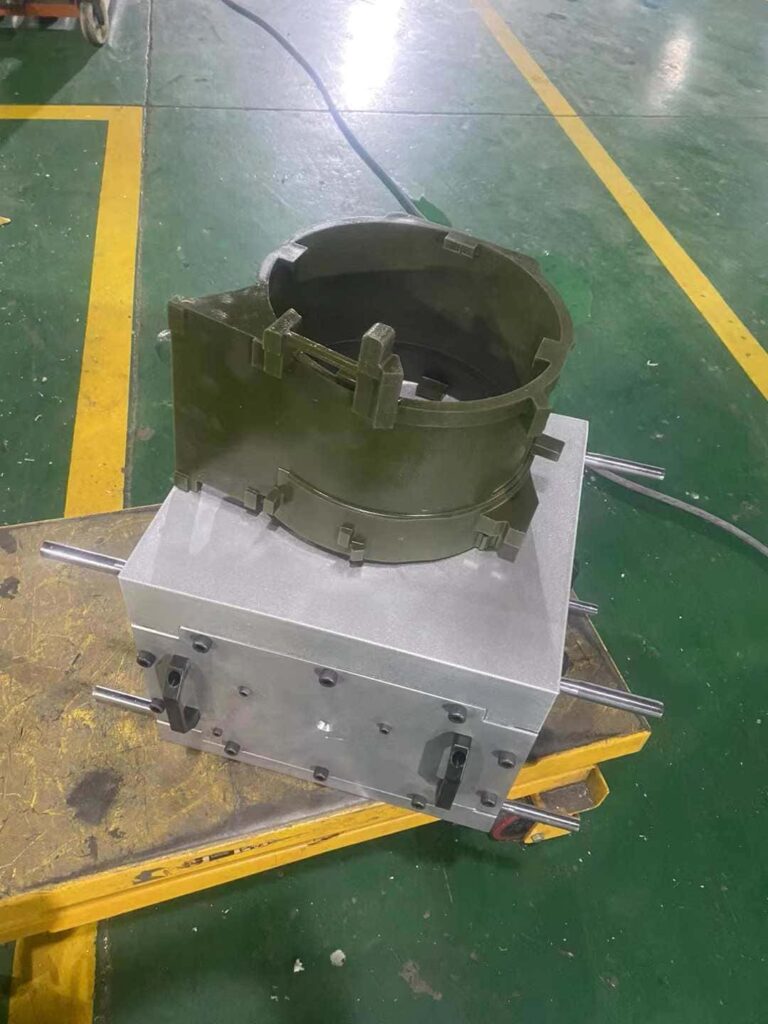
Precision casting molds offer several clear benefits that make them a go-to choice across many industries. Here’s why they stand out:
Major Industrial Applications of Precision Casting Molds
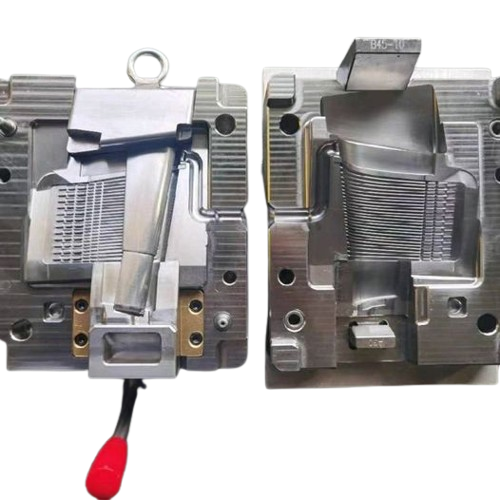
Aerospace Industry
Precision casting molds are crucial in aerospace for making turbine blades and engine components. These parts demand high accuracy and materials that can withstand extreme heat, ensuring engine performance and safety.
Industria Automobilistica
In the automotive sector, precision casting molds help produce engine parts and transmission components. They enable weight reduction and improve overall vehicle performance while maintaining durability.
Industria Medica
Medical applications rely on precision casting molds for surgical instruments, orthopedic implants, and other detailed parts. These molds support strict biocompatibility and quality standards essential for patient safety.
Electronics Industry
Precision casting molds are used to create housings, connectors, and other complex structural parts in electronics. The ability to produce intricate designs with tight tolerances is key for reliable device assembly.
Energy Industry
Components for oil and gas equipment, wind turbines, and power generation often come from precision casting molds. These parts must endure harsh environments, making accurate casting and material choice vital.
Consumer Goods and Industrial Equipment
From household appliances to tools and machinery parts, precision casting molds support manufacturing with high-quality, precise components that improve product longevity and function.
Local Industry Trends and User Search Habits
Precision casting molds play a crucial role across various regional industries in the United States. Key automotive hubs like Detroit and Ohio rely heavily on precision casting for engine and transmission parts to keep up with the demand for lightweight, high-performance vehicles. Aerospace manufacturing zones in states such as Washington and California are major users, focusing on turbine blades and heat-resistant components that require exact mold specifications.
In addition, medical device manufacturing clusters in states like Minnesota and Florida benefit from precision molds for producing surgical instruments and implants that meet strict quality standards. Energy sectors, including oil, gas, and renewable power equipment manufacturers in Texas and the Gulf Coast, also depend on these molds for durable, complex parts.
Local supply chains often involve tight timelines and high standards, making reliable partnerships essential. That’s where Vast steps in, offering customized precision casting mold services designed to meet regional demands quickly and efficiently. Vast’s ability to tailor solutions helps companies stay competitive by reducing lead times and ensuring consistent quality in their casting processes.
Challenges and Considerations in Using Precision Casting Molds
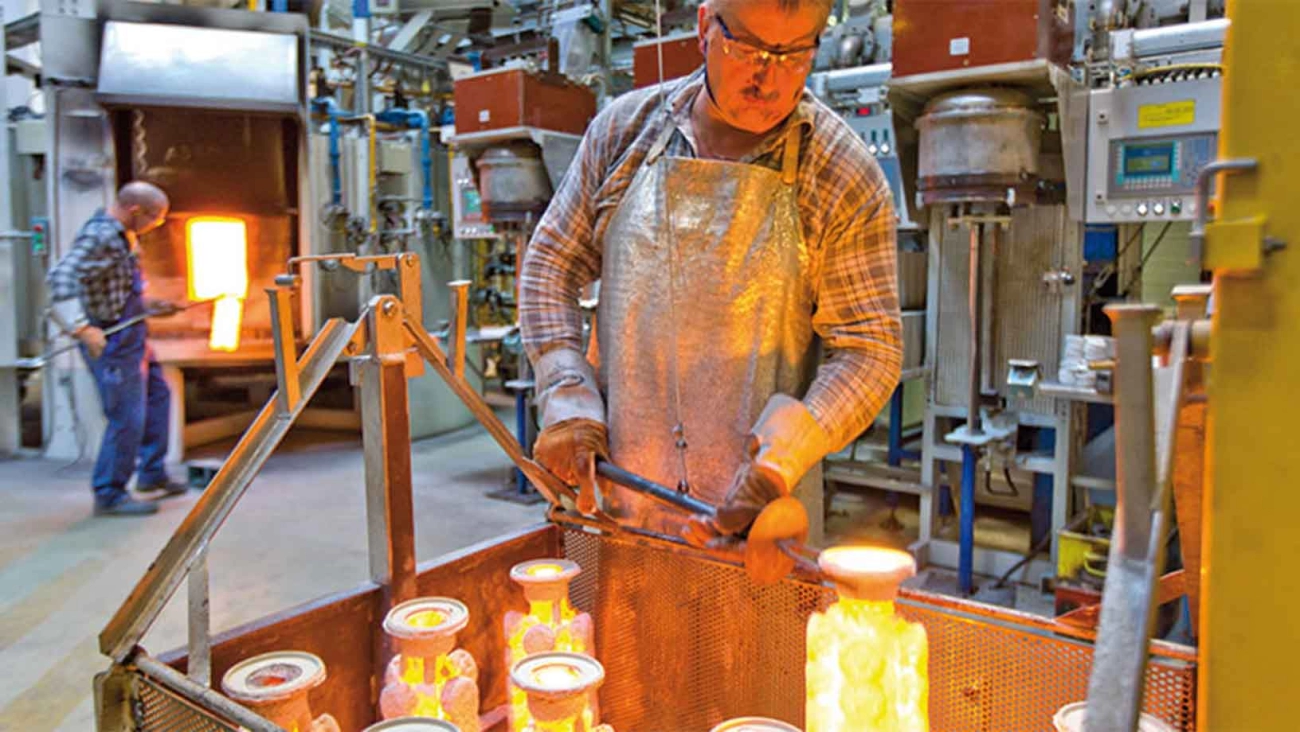
Using precision casting molds comes with its own set of challenges that industries need to manage carefully. One common technical issue is porosity—tiny holes or voids in the cast parts—that can affect strength and surface quality. Mold wear is another concern, especially when working with abrasive materials or repeated production runs, which can reduce mold life and impact the casting’s accuracy. Choosing the right material for the mold is critical to balance durability, heat resistance, and cost.
From a cost and time perspective, fabricating precision casting molds isn’t cheap or fast. Creating high-quality molds requires precise design, skilled workmanship, and sometimes expensive materials, which can stretch budgets and timelines, especially for small batches or prototypes.
Quality control plays a big role throughout the process. Thorough inspection and testing—like X-ray, dimensional checks, and surface analysis—ensure the final parts meet industry standards and function as intended. Skipping or rushing these steps risks defects slipping through, causing issues down the line in critical sectors like aerospace or medical devices.
How Vast Supports Precision Casting Mold Needs

Vast provides advanced technology and tailored services to meet the unique demands of precision casting molds. Their expertise covers everything from initial design to final production, ensuring molds deliver high accuracy and durability. By leveraging cutting-edge tools and industry know-how, Vast helps clients reduce turnaround time and improve mold quality.
Customization is at the core of Vast’s approach. They work closely with customers to develop molds that fit specific material requirements and complex geometries. This flexibility supports diverse industries, whether aerospace, automotive, or medical, enabling manufacturers to produce parts with tight tolerances and excellent surface finish.
Several success stories highlight Vast’s impact, demonstrating improvements in production efficiency and mold lifespan. These case studies show how their innovative solutions have enabled clients to overcome challenges like porosity and wear, securing consistent quality and cost savings.
With Vast, companies investing in precision casting molds gain not only advanced manufacturing capabilities but also a partner focused on driving innovation and reliability throughout the casting process.
Future Trends in Precision Casting Mold Applications
Precision casting molds are evolving fast to meet the changing needs of today’s industries. One big shift is in mold materials and coatings. New materials are making molds more durable, heat-resistant, and precise, which helps reduce wear and improve the quality of cast parts. Advanced coatings also play a role by extending mold life and speeding up the casting process.
Another major trend is the integration of Industry 4.0 technologies with precision casting. Smart sensors and real-time monitoring allow manufacturers to track mold performance and detect defects early. This tech also supports automation and better data analysis, increasing efficiency and reducing downtime. Plus, additive manufacturing (3D printing) is increasingly used to produce complex mold components faster and with less waste.
We’re also seeing exciting growth opportunities in emerging industries like electric vehicles, renewable energy, and medical devices. These sectors demand high-precision, lightweight, and often custom parts—perfect for precision casting molds. As these markets expand, so does the need for more advanced, adaptable mold solutions tailored to specific industrial requirements here in the U.S.
 Italian
  Chinese
  English
  Spanish (Peru)
  German
  Korean
  Spanish (Spain)