
Explore durable lightweight automotive plastic parts made with top materials and advanced manufacturing for superior performance and repair ease.
Why Automotive Plastic Parts Are Revolutionizing the Industry
Have you ever wondered why so many car makers are switching to automotive plastic parts? The answer is simple: these parts bring huge benefits that are changing the game.
Weight Reduction Benefits
One of the biggest advantages of using plastics in car manufacturing is weight reduction. Lightweight automotive polymers help lower the overall weight of a vehicle, which improves fuel efficiency and reduces emissions. This means you get better mileage and a greener ride without sacrificing performance.
Cost Efficiency Advantages
Plastic parts are also more cost-effective than traditional metal components. They are cheaper to produce, easier to mold into complex shapes, and can be made faster with injection molded car components. Plus, the reduced weight lowers transportation and fuel expenses, saving money over the vehicle’s lifetime.
Durability and Safety Features
Don’t think plastic means fragile. Automotive plastics like ABS plastic bumpers and polypropylene interior trim are designed for durability, resisting impacts and harsh weather better than some metals. They also contribute to safety by absorbing energy in crashes and reducing overall vehicle weight, which can improve handling.
Metal vs Plastic Automotive Parts Comparison
| Feature | Metal Parts | Plastic Parts |
|---|---|---|
| Weight | Heavy | Lightweight |
| Cost | More expensive | Cost-effective |
| cURL Too many subrequests. | Strong but prone to corrosion | Impact-resistant and corrosion-free |
| cURL Too many subrequests. | Limited shapes | Highly moldable |
| Fuel Efficiency | Less efficient due to weight | Improves fuel economy |
Switching to automotive plastic parts is more than a trend—it’s a smart move toward lighter, safer, and more affordable vehicles. Interested in how these parts can upgrade your vehicle or production line? Keep reading to discover the common types of plastics used and where they fit in your car’s design.
Common Types of Plastics Used in Automotive Parts
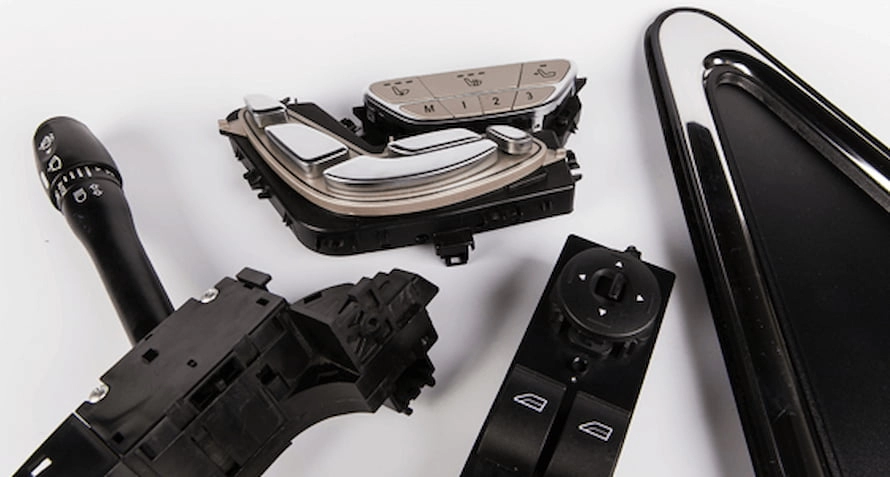
When it comes to auto pleastic parts, several types of plastics stand out for their unique properties and uses in vehicles across the U.S. market.
cURL Too many subrequests.
PP is lightweight, chemical resistant, and flexible, making it perfect for interior trim like door panels and consoles. It’s also commonly found in bumpers, thanks to its impact resistance and ease of molding.
Polyvinyl Chloride (PVC)
PVC is durable and weather-resistant. You’ll often see it in dashboards and door trims, where it provides a smooth finish and resists cracking or fading over time.
Acrylonitrile Butadiene Styrene (ABS)
ABS is tough and rigid, ideal for parts needing strength and durability. It’s widely used in exterior components like ABS plastic bumpers and grilles. Plus, it handles impact well, which adds safety to the vehicle.
Polyurethane (PU)
PU is valued for cushioning and vibration damping. It’s commonly used in seat foam, armrests, and other comfort-related parts inside the car, improving ride quality.
Polycarbonate (PC)
PC stands out for its transparency and high strength. You’ll find it in headlamp lenses and other parts requiring clarity and toughness.
These plastics give manufacturers options tailored to specific demands, from lightweight automotive polymers to durable exterior parts. Understanding their features helps when choosing the right material for your auto pleastic part needs.
Key Applications Where You’ll Find Automotive Plastic Parts
Automotive plastic parts are everywhere in your vehicle, thanks to their versatility and performance. Here are the main spots you’ll find them:
Interior components
- Dashboards
- Door trims
- Consoles
These parts often use lightweight automotive polymers like polypropylene (PP) and PVC to keep the cabin stylish and durable without adding weight.
Exterior components
- cURL Too many subrequests.
- cURL Too many subrequests.
- cURL Too many subrequests.
cURL Too many subrequests.
cURL Too many subrequests.
- cURL Too many subrequests.
- cURL Too many subrequests.
cURL Too many subrequests.
cURL Too many subrequests.
cURL Too many subrequests.
- cURL Too many subrequests.
- cURL Too many subrequests.
- cURL Too many subrequests.
cURL Too many subrequests.
cURL Too many subrequests.
cURL Too many subrequests.
cURL Too many subrequests.
cURL Too many subrequests.
cURL Too many subrequests.
By combining advanced design, proven molding techniques, and responsible manufacturing, automotive plastic part factories deliver reliable, cost-effective solutions tailored for today’s vehicle needs.
Repairing and Maintaining Automotive Plastic Parts DIY Tips and Pro Advice
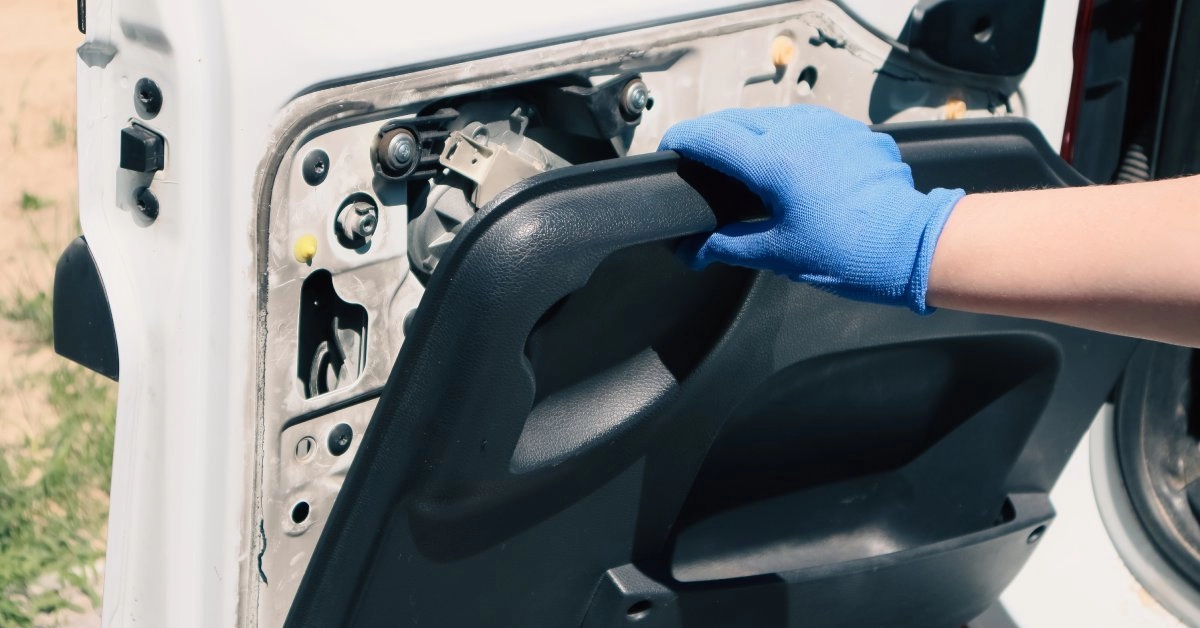
Automotive plastic parts like dashboards, bumpers, and interior trims can face common problems like cracks, fading, or scratches over time. Here’s how to keep them in good shape:
Common issues to watch for
- Cracks from impacts or stress
- Fading due to sun exposure
- Surface scratches and scuffs
Fixing cracks and breaks
- Use plastic-specific adhesives designed for auto plastic parts to ensure a strong bond.
- Avoid general glues as they may not hold or could damage the plastic further.
Painting and surface care
- Clean the surface thoroughly before painting.
- Use paint meant for automotive plastics for proper adhesion and finish.
- Lightly sand the area to create a smooth base.
When to call in professionals
- For large cracks or deep damage that affects part safety or fit.
- If repainting requires color matching or complex textures.
- When you want an OEM-quality finish without risk.
Vast repair kits availability
- Vast offers easy-to-use automotive plastic repair kits tailored for polypropylene, ABS plastic bumpers, and other common materials.
- Kits include adhesives, fillers, and detailed instructions for quick DIY fixes at home or on the go.
Keeping your automotive plastic parts in good repair extends their life and keeps your vehicle looking sharp while saving on costly replacements.
Future Trends in Automotive Plastic Parts Sustainability and Innovation
The future of automotive plastic parts is bright, especially when it comes to sustainability and innovation. We’re seeing a big push toward bio-based plastics—materials made from renewable resources instead of fossil fuels. These plastics reduce environmental impact and align well with increasing green regulations across the U.S.
Another game-changer is 3D-printed prototypes. This tech speeds up design cycles and allows for quick adjustments without expensive tooling. It’s perfect for custom parts, small runs, and testing new ideas in a fast, cost-effective way.
Electric vehicles (EVs) are driving innovation too. Lightweighting is key for better battery range and overall efficiency. We’re developing EV-specific lightweight polymers and advanced composites that cut weight without sacrificing strength or safety.
At Vast, we’re leading the way with recycled composites and pushing toward zero-waste manufacturing. Our custom auto pleastic part factory focuses on using sustainable materials and processes that reduce waste, helping our customers meet tough environmental goals without losing performance or durability.
Partner with Vast for Premium Auto Pleastic Parts
When you need reliable, custom auto pleastic parts, Vast is your go-to factory. We deliver durable solutions built to last, whether it’s injection molded car components or lightweight automotive polymers. Our team works closely with you to create parts that fit perfectly and perform beyond expectations, all while scaling to meet your volume needs.
cURL Too many subrequests.
- Custom solutions at scale: From polycarbonate panels to ABS plastic bumpers, we tailor every part to your exact specs.
- cURL Too many subrequests.cURL Too many subrequests.
- cURL Too many subrequests.cURL Too many subrequests.
cURL Too many subrequests.
“cURL Too many subrequests.”
cURL Too many subrequests.
“cURL Too many subrequests.”
cURL Too many subrequests.
cURL Too many subrequests.
cURL Too many subrequests.
cURL Too many subrequests.
 Italian
  English
  Spanish (Peru)
  German
  Korean
  Spanish (Spain)