
Learn the complete black anodising process for aluminum including Type II and III parameters dyeing sealing and quality control for durable black finishes.
What Is Black Anodizing Exactly?
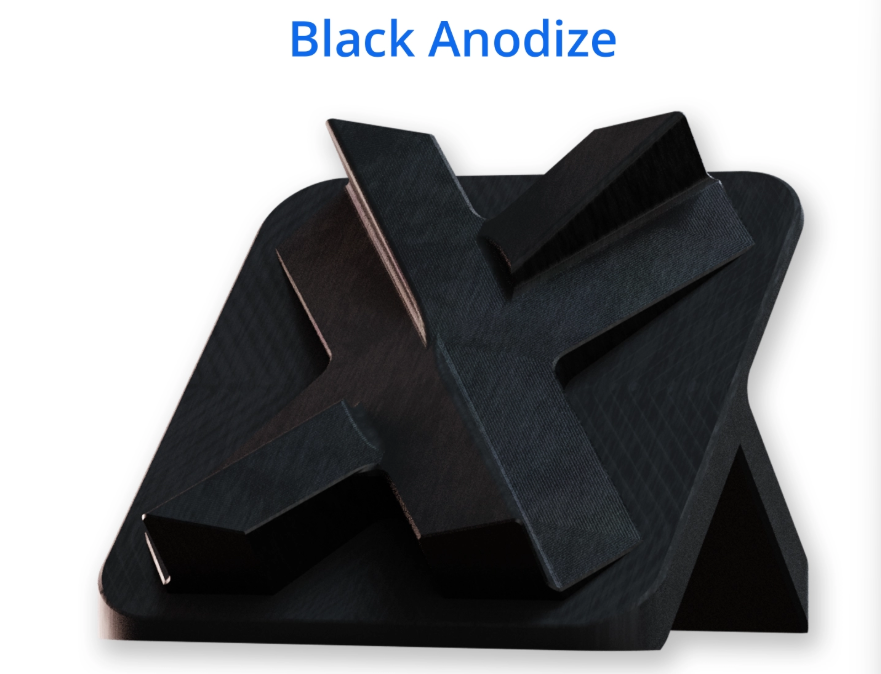
Black anodizing is a specialized aluminum finishing process that results in a durable, corrosion-resistant, and visually striking black surface. At its core, anodizing is an electrochemical conversion coating method where the aluminum surface converts into a tough layer of aluminum oxide. This oxide layer is porous initially, allowing it to absorb dyes or undergo electrolytic coloring to achieve the desired black hue.
Anodizing Basics Recap
- Electrochemical process: Aluminum parts act as the anode in an acid electrolyte bath, usually sulfuric acid.
- Formation of oxide layer: The surface oxide grows from the metal itself, tightly bonded and part of the aluminum substrate.
- Porous surface: This microscopic porosity enables the oxide layer to soak up dyes or metals to add color.
- Sealing: After coloring, sealing closes the pores, locking in the color and improving corrosion resistance.
How Black Color Is Achieved
There are two primary routes to get that deep, consistent black anodized finish:
- Organic Dyeing
- The porous anodic coating soaks up a black organic dye bath.
- The dye penetrates the pores, imparting color before sealing.
- This method offers excellent color uniformity and is common for Type II anodizing.
- Two-Step Electrolytic Coloring
- Also called “integral color” anodizing, this uses a second electrolytic step with tin or cobalt salts to color the oxide.
- The coloring is part of the oxide itself, creating very wear-resistant, fade-resistant black.
- Mostly used in Type III hardcoat anodizing due to thicker coatings.
Type II Class 2 vs Type III Class 2 Black: Key Differences
| Feature | Type II Class 2 Black | Type III Class 2 Black |
|---|---|---|
| cURL Too many subrequests. | 12–25 µm | 25–75 µm |
| Process Temperature | 18–22 °C | 0–5 °C |
| Color Method | Organic Dyeing | Two-Step Electrolytic Coloring (or Dye) |
| Wear & Abrasion Resistance | cURL Too many subrequests. | Very High |
| Corrosion Resistance | Good | Superior |
| Typical Uses | Decorative and moderate protection | Hard-use parts needing max wear |
Understanding these basics sets the foundation for mastering the black anodizing process, ensuring your parts meet both cosmetic and performance expectations.
Step-by-Step Black Anodizing Process
Black anodizing involves precise steps to ensure a durable, consistent finish. Here’s a straightforward breakdown of the key process stages:
Material Selection & Alloy Considerations
- Common alloys: 6061, 7075, 5052, and castings
- cURL Too many subrequests.
- cURL Too many subrequests.
- cURL Too many subrequests.
- cURL Too many subrequests.
- cURL Too many subrequests.
cURL Too many subrequests.
cURL Too many subrequests.
- cURL Too many subrequests.
- cURL Too many subrequests.
- cURL Too many subrequests.
cURL Too many subrequests. cURL Too many subrequests..
cURL Too many subrequests.
cURL Too many subrequests.
- cURL Too many subrequests.
- cURL Too many subrequests.
- cURL Too many subrequests.
cURL Too many subrequests.
- cURL Too many subrequests.
- Etch depth must be controlled to avoid uneven black shades.
Anodizing Tank Parameters
| Parameter | Type II (Standard) | Type III (Hardcoat) |
|---|---|---|
| Sulfuric Acid Conc. | 180–200 g/L | 180–200 g/L |
| Temperature | 18–22 °C | 0–5 °C |
| Current Density | Moderate, ramped for control | High, carefully controlled |
| cURL Too many subrequests. | 12–25 µm | 25–75 µm |
Cold Rinse & Desmut After Anodizing
Post-anodize cold rinsing and desmutting are essential. They prepare the porous surface for optimal black dye uptake, preventing patchiness.
Dyeing Process
- Organic black dye: Usually at 55–60 °C, concentrations vary based on depth desired.
- Immersion time: Longer times yield deeper blacks but watch for uneven absorption.
- Lightfastness: Not all organic dyes are equal; UV resistance varies.
- Alternative method: 2-step electrolytic coloring using tin or cobalt salts produces a true black hard anodize with excellent durability.
Sealing
Final sealing locks in color and corrosion resistance:
- Hot DI water seal: 96–100 °C, commonly with nickel acetate (can be nickel-free).
- Mid-temp seals: Offer faster turnaround but may sacrifice some durability.
- Cold seals: Usually unsuitable for black parts exposed outdoors due to poor UV and weather resistance.
Final Inspection & Quality Control
Before shipment, parts undergo:
- Colorimetry tests for consistent black shade.
- Thickness checks to meet specs.
- Salt spray tests for corrosion resistance.
- Dye bleed tests to ensure no dye loss during sealing.
Following this carefully controlled process ensures strong, attractive black anodized finishes that meet US market standards.
Critical Parameters That Affect Black Color Consistency
Achieving a consistent black anodizing color depends on tight control of several key factors. Small changes can cause uneven shades, patchiness, or fading over time. Here are the main parameters to watch:
| Parameter | Impact on Black Color | Best Practice |
|---|---|---|
| Temperature during Dyeing | Fluctuations cause uneven dye absorption, leading to streaks or lighter areas | Keep dye bath steady at 55–60 °C |
| Alloy Silicon Content & Etch Control | cURL Too many subrequests. | cURL Too many subrequests. |
| cURL Too many subrequests. | cURL Too many subrequests. | cURL Too many subrequests. |
| cURL Too many subrequests. | cURL Too many subrequests. | cURL Too many subrequests. |
cURL Too many subrequests.
cURL Too many subrequests. cURL Too many subrequests. cURL Too many subrequests.
cURL Too many subrequests. cURL Too many subrequests..
cURL Too many subrequests.
cURL Too many subrequests.
- cURL Too many subrequests.
- cURL Too many subrequests.
- cURL Too many subrequests.
- Bronze or Purple Tint on 7xxx Series AlloysHigh silicon in 7xxx alloys can alter anodize color, leading to unwanted bronze or purple shades. Adjusting etch time, rinse steps, and dye immersion can minimize this effect, or consider alloys like 6061 for better color consistency.
- Rack Marks and ShadowingImproper racking causes uneven current flow, leading to dark marks or spots where dye doesn’t penetrate well. Using well-designed racks, ensuring good contact, and controlling current distribution during anodizing avoids these issues.
By controlling these variables in the black anodizing process, you get consistent, high-quality black finishes that stand up to the demands of both looks and corrosion resistance. For more insights into alloy behavior and surface prep, check our complete guide to cURL Too many subrequests..
Hardcoat Black Anodizing (Type III) – Special Considerations
Hardcoat black anodizing (Type III) is a tougher, thicker finish compared to standard Type II black anodizing, but it comes with some unique challenges. One key issue is lower dye absorption—the thicker, denser oxide layer doesn’t soak up organic black dyes as easily, which can make achieving a deep, consistent black color harder. Because of this, many opt for electrolytic 2-step coloring (using tin or cobalt salts) instead of dyeing for Type III black finishes.
Thickness and Wear Resistance
Type III coatings typically range from 25 to 75 microns thick, which is significantly thicker than the 12–25 microns common for Type II anodizing. This extra thickness delivers much better wear resistance, corrosion protection, and surface hardness—ideal for high-friction or industrial applications.
| Feature | Type II Black Anodizing | Type III Hardcoat Black Anodizing |
|---|---|---|
| cURL Too many subrequests. | 12–25 µm | 25–75 µm |
| Wear Resistance | cURL Too many subrequests. | High |
| Dye Absorption | Good (organic dye) | Poor (often requires electrolytic) |
| Typical Uses | Cosmetic, light wear | Heavy wear, industrial parts |
When to Choose Hard Black vs Standard Black
Pick hard black anodizing when you need:
- Maximum surface durability or wear resistance
- Superior corrosion protection in harsh environments
- A thicker coating that can withstand mechanical stress
Choose standard black anodizing for:
- Cosmetic or architectural parts needing consistent color
- Applications with light wear and easier dye absorption
- Projects requiring lower cost and faster turnaround
For parts needing both color consistency and durability, coordinating the anodizing with precise mechanical pre-treatment and careful sealing is key. For a deeper dive into anodizing controls, check out our guide on pump housing materials and treatments to see how alloy choice impacts finishing outcomes.
Specifications & Standards You Should Know
When it comes to black anodising, following industry specifications ensures your parts meet performance and quality expectations. Here are the key standards to keep in mind:
| Specification | Description | Application |
|---|---|---|
| MIL-A-8625F | Military spec covering Type II & III anodizing, including Class 2 (black) coatings | Aerospace, defense, high-durability needs |
| ISO 7599 | cURL Too many subrequests. | cURL Too many subrequests. |
| AMS 2469 | cURL Too many subrequests. | cURL Too many subrequests. |
| cURL Too many subrequests. | cURL Too many subrequests. | cURL Too many subrequests. |
cURL Too many subrequests.
cURL Too many subrequests. cURL Too many subrequests. cURL Too many subrequests. REACH cURL Too many subrequests.
- cURL Too many subrequests. cURL Too many subrequests.
- REACH cURL Too many subrequests.
cURL Too many subrequests.
cURL Too many subrequests. cURL Too many subrequests. cURL Too many subrequests.
cURL Too many subrequests.
When budgeting for black anodizing, several cost factors come into play. One major consideration is the choice between rack vs bulk processing. Rack anodizing offers precise control and is ideal for smaller batches or high-value parts, but it usually comes at a higher per-piece cost than bulk processing, which handles large volumes efficiently and reduces overall expenses.
Masking requirements also affect price. If parts need selective anodizing, masking off areas to prevent coating adds labor and materials, impacting turnaround times and costs. The complexity of masking often depends on part geometry and tight tolerances.
At Vast, we understand the importance of cost efficiency for U.S. manufacturers. We offer volume discounts and fast turnaround times tailored to your project size, making it easier to scale production without breaking the bank.
Choosing Vast means working with a black anodizing partner who balances quality, speed, and cost effectively—whether you need custom masking or high-volume bulk runs. For precision engineering projects requiring reliable surface finishing, check out our detailed guides on mechanical shaft design and materials to align your anodizing needs with part design.
Why Choose Vast for Your Black Anodizing Needs
When it comes to black anodizing, Vast offers unmatched quality and service tailored to the U.S. market. Here’s why we stand out:
| Feature | Benefit |
|---|---|
| State-of-the-art automated line | 40 ft anodizing tanks with full process control ensure consistent, high-quality black anodic coatings on aluminum parts of all sizes. |
| In-house color matching lab | We guarantee a color match within ΔE < 1.0 — perfect if your project demands precise black anodizing shades. |
| Fast turnaround & free sample program | Speedy production means your deadlines are met without compromise. Try before you buy with no added costs. |
| Case studies & before-after gallery | Transparent results showcase our proven track record in delivering durable, uniform black anodized finishes. |
Our cutting-edge process and strict quality controls address the common challenges in black color consistency, coating thickness, and corrosion resistance. Whether you need standard Type II black anodizing or hardcoat Type III black anodize, Vast’s expertise ensures your parts perform and look their best.
If you’re working with cast aluminum components, check our guide on casting molds for tips on material handling to optimize your anodizing results.
Choosing Vast means choosing precision, reliability, and American-made quality for your black anodizing needs.
 Italian
  English
  Spanish (Peru)
  German
  Korean
  Spanish (Spain)