
Discover versatile casting molds for resin, metal, and plaster projects with expert tips on types, techniques, and easy DIY crafting.
Understanding the Basics What Are Casting Molds and How Do They Work
Casting molds are the forms or containers you use to shape materials like resin, metal, or plaster into specific shapes. Think of them as the blueprint for your final piece. When you pour a liquid material into a mold, it hardens and takes on the mold’s shape. It’s a simple but powerful way to create everything from art to industrial parts.
The Casting Process Made Simple
Here’s how casting typically works:
- Preparation: Clean your mold and apply a release agent to prevent sticking. This is crucial for easy removal later.
- Pouring: Carefully pour your chosen liquid—like epoxy resin or molten metal—into the mold.
- Curing: Let the material harden. This can take minutes to hours depending on your material.
- Demolding: Once cured, gently remove your piece. If done right, your casting comes out clean and detailed.
What Molds Are Made Of and Why It Matters
Casting molds come in various materials, each suited for different uses and materials:
- Silicone: Flexible, great for resin casting.
- Plaster: Affordable and ideal for slip casting ceramics.
- Metal and Graphite: Durable for heat and precision, perfect for metal casting.
Using the right release agent is key to protect both your mold and cast. Also, always prioritize safety—wear gloves and work in a ventilated space, especially when handling resins or molten materials.
Busting Common Mold Myths
- Molds are indestructible: Not true. Every mold has a lifespan and improper use or cleaning can shorten it.
- All molds work with any material: Compatibility matters a lot. For example, silicone molds aren’t the best for high-temp metal casting.
- Release agents harm mold details: When used properly, they protect molds without affecting surface quality.
Trends in Resin Casting Molds for Home Decor
Resin crafting is booming, especially for home decor projects. Local makers are loving:
- Flexible silicone molds for intricate coasters, trays, and tabletop designs.
- Modular tray molds that allow mixing colors and embedding objects.
- Custom molds via 3D printing for personalized decor pieces.
Want to give resin casting a try around your house? Start with easy silicone molds and experiment with colors and inclusions. Ready to explore more? What kind of projects are you thinking about?
Types of Casting Molds
Temporary Molds One-Off Use
Silicone Molds
Silicone molds are popular for resin and wax casting because they’re flexible, easy to use, and capture fine details. The big plus is they work well for one-time or short runs. But they can wear out fast if you push them too hard or use harsh chemicals. Perfect for DIY resin projects and home decor where you want crisp, smooth results without investing in heavy equipment.
Plaster Molds
Plaster molds are a budget-friendly choice, especially for beginners interested in slip casting ceramics. They absorb moisture, making them great for certain types of clay and resin blends like Vast eco-friendly options. While not as flexible as silicone, plaster molds are solid for one-off projects or small batches, especially if you want a natural, earthy finish.
Permanent Molds Reusable for Production
Metal Molds
cURL Too many subrequests.
cURL Too many subrequests.
cURL Too many subrequests.
cURL Too many subrequests.
cURL Too many subrequests.
cURL Too many subrequests.
cURL Too many subrequests.
cURL Too many subrequests.
cURL Too many subrequests.
| cURL Too many subrequests. | Material | Compatibility | Cost | cURL Too many subrequests. | cURL Too many subrequests. |
|---|---|---|---|---|---|
| Silicone | cURL Too many subrequests. | cURL Too many subrequests. | cURL Too many subrequests. | Low to Medium | cURL Too many subrequests. |
| Plaster | Plaster | cURL Too many subrequests. | Low | Low | cURL Too many subrequests. |
| cURL Too many subrequests. | cURL Too many subrequests. | cURL Too many subrequests. | High | High | cURL Too many subrequests. |
| cURL Too many subrequests. | cURL Too many subrequests. | Non-ferrous metals | cURL Too many subrequests. | cURL Too many subrequests. | Small-medium metal runs |
| Tray and Block | Flexible plastics | Resin | cURL Too many subrequests. | cURL Too many subrequests. | Flat-bottom resin pieces |
| Custom | Various | Resin, wax, metals | Variable | High | Specialized casting projects |
This breakdown helps you pick the right mold for your needs, whether you’re a hobbyist or stepping up to production work in the U.S. resin casting market.
Step-by-Step Guide DIY Mold-Making for Beginners
Starting with DIY mold-making doesn’t have to be expensive or complicated. You only need a few basic materials to get going:
Materials list
- Silicone mold rubber or plaster
- Mold release agent
- Mixing containers and sticks
- Measuring scale
- Safety gloves and mask
- Your model or object to copy
Budget tips
- Silicone kits range from $20 to $50 depending on size
- Plaster is cheaper but less flexible and durable
- Buying from local craft stores or online US suppliers saves time and shipping
Basic steps
- Prepare your model and workspace with mold release spray.
- Mix silicone or plaster following the instructions, keeping air bubbles minimal.
- Pour the mixture over your model in a container.
- Let the mold cure—silicone takes 6-24 hours, plaster dries quicker but is brittle.
- Carefully remove your model once cured.
Advanced Techniques for Professional Results
Once you’re comfortable with basic molds, try:
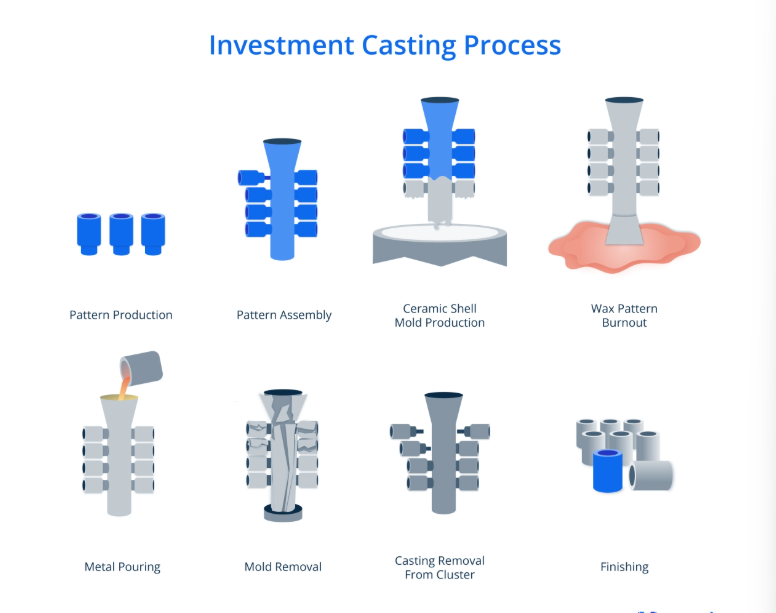
- Lost Wax Casting: Ideal for metal projects. You create a wax model, surround it with a ceramic shell, then melt the wax and fill the cavity with molten metal. Requires special tools and safety gear.
- Vacuum and Pressure Casting: Removes air bubbles and ensures smoother finishes. Using vacuum chambers and pressure pots can boost your mold quality but involves extra equipment and caution.
Scaling Up from Hobby to Production with Vast Molds
If you want to move from hobby casting to small production runs, consider:
- Reusable molds made with premium silicone or custom metal molds from trusted suppliers.
- Vast molds offer consistent quality and are designed for durability and efficiency.
- Invest in vacuum or pressure setups to improve output and reduce defects.
cURL Too many subrequests.
- cURL Too many subrequests.
- cURL Too many subrequests.
- cURL Too many subrequests.
- cURL Too many subrequests.
cURL Too many subrequests.
- cURL Too many subrequests.
- cURL Too many subrequests.
- cURL Too many subrequests.
- cURL Too many subrequests.
cURL Too many subrequests.
cURL Too many subrequests.
cURL Too many subrequests.
cURL Too many subrequests.
- cURL Too many subrequests.cURL Too many subrequests.
- cURL Too many subrequests.cURL Too many subrequests.
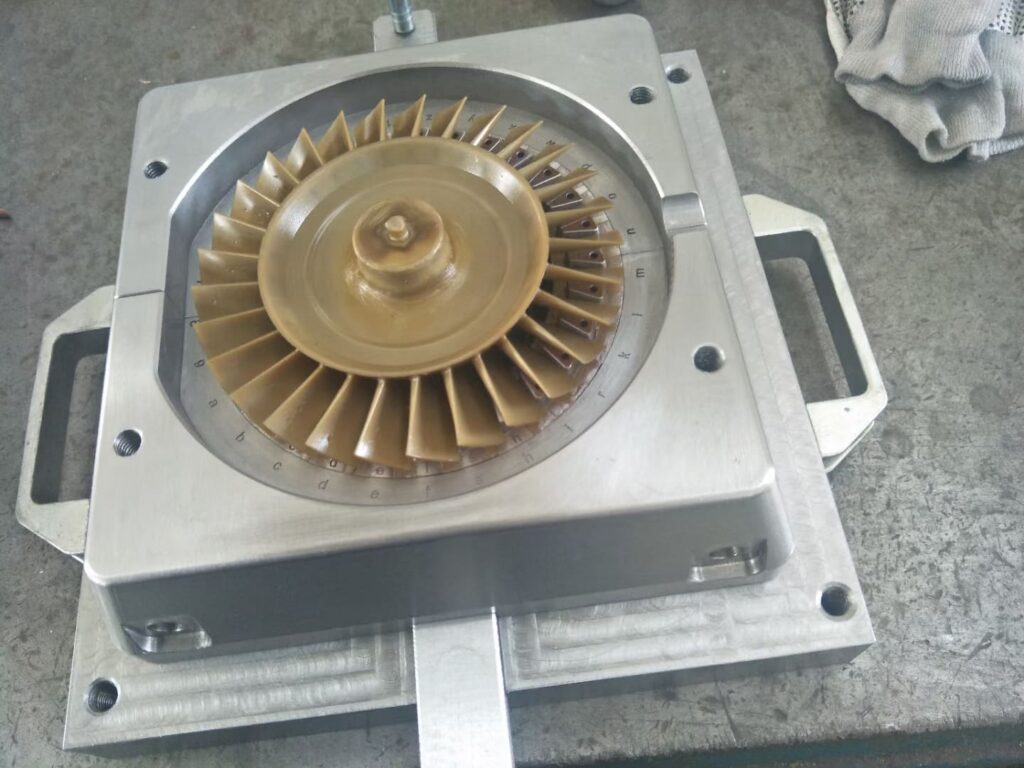
- cURL Too many subrequests.: Used for metals like aluminum or brass, ideal in permanent mold casting requiring heat resistance and durability.
- Graphite molds: Perfect for non-ferrous metal casting. They resist heat, are reusable, and produce precise results.
Pros and Cons Matrix
| cURL Too many subrequests. | Compatible Materials | cURL Too many subrequests. | cURL Too many subrequests. |
|---|---|---|---|
| Silicone | Epoxy resin, wax, polyester | Flexible, reusable | Not for high-temp metals |
| Plaster | Ceramics, low-temp resin | Cheap, easy to make | Fragile, absorbs water |
| cURL Too many subrequests. | Aluminum, brass | Durable, heat resistant | Expensive, heavy |
| cURL Too many subrequests. | Non-ferrous metals | Reusable, precise | Costly, brittle |
Sustainability Tips with Eco-Friendly Molds
If you’re environmentally conscious—as many U.S. hobbyists and creators are—consider molds that reduce waste:
- Opt for reusable molds like silicone or graphite to lower landfill impact.
- Use biodegradable release agents and avoid harmful chemicals.
- Recycle or properly dispose of plaster molds after use.
- Explore eco-friendly silicone options available from select suppliers.
Case Study Improved Production with Vast Molds
Locally, we’ve seen small businesses in the U.S. boost productivity by switching to Vast’s high-quality casting molds. With their durable silicone and custom options, they cut down cast failures by 30% and sped up turnover times, especially in resin casting for home decor. Vast’s molds also last longer, saving money on replacements and enabling consistent quality for both hobbyists and professionals.
Choosing the right mold material tailored to your casting project is a smart step toward efficiency, quality, and sustainability.
Sourcing and Maintenance Where to Buy Casting Molds and Keep Them Lasting
Finding the right casting molds starts with knowing where to buy them. In the U.S., reliable sources include specialized suppliers and custom casting molds China factories that offer direct shipping and competitive prices. Vast warehouse options stand out by providing a wide range of molds — from silicone to metal — with consistent quality and fast delivery, making them a top choice for both hobbyists and small manufacturers.
When choosing a supplier, look for:
- Material variety: Do they stock molds for resin casting, metal casting, and specialty uses?
- Customer support: Are they helpful with technical questions and returns?
- Shipping speed: Quick delivery matters, especially for time-sensitive projects.
- Reviews: Real user feedback can reveal product durability and service reliability.
Caring for your molds is just as important as buying quality ones. To extend mold lifespan:
- Clean molds immediately after use with warm water and mild soap.
- Avoid harsh chemicals that can degrade silicone or plaster.
- Store molds flat cURL Too many subrequests.
- Use cURL Too many subrequests. cURL Too many subrequests.
- cURL Too many subrequests.
cURL Too many subrequests.
cURL Too many subrequests.
 Italian
  English
  Spanish (Peru)
  German
  Korean
  Spanish (Spain)