
Discover the essential guide to metallic materials covering properties, types, alloy selection, and industry-specific tips for engineering success.
Metallic materials carry more than 90% of the world’s critical loads—but nearly 20% of metal components fail due to wrong choices. If you’re specifying metals, ignoring the basics is a costly risk. Whether you’re an engineer on a tight deadline or a student hunting for solid facts, you need a clear, no-fluff guide to the properties, types, and smart selection of metallic materials.
This post cuts through the noise with expert-backed insights, quick decision tools, and future-facing trends you won’t find anywhere else—so you can pick, specify, and trust the right metal every time. Ready to master metallic materials in minutes? Let’s get started.
What Are Metallic Materials?
Metallic materials are solids made primarily of metal atoms bonded by metallic bonds. These bonds give metals their distinctive properties: conductivity, malleability, and strength. Simply put, metallic materials are the backbone of modern engineering and manufacturing.
Ferrous vs Non-Ferrous Metals
Understanding the difference helps you choose the right metal fast. Use this decision tree to decide:
- Ferrous Metals contain iron. Examples: carbon steel, stainless steel, cast iron.
- Non-Ferrous Metals don’t contain iron. Examples: aluminum, copper, titanium, magnesium.
Why it matters:
- Ferrous metals are generally magnetic and prone to rust.
- Non-ferrous metals resist corrosion better and are lighter.
Need fast access? Vast stocks a wide range of ferrous and non-ferrous metals with 48-hour lead times, ready to support your next project.
Check our infographic below for a quick visual.
Atomic Structure & Why Metals Behave Like Metals

Understanding metallic materials starts at the atomic level. Here’s a quick physics primer on why metals act the way they do:
- Metallic Bonding: Atoms in metals share a “sea” of free electrons that move easily, allowing metals to conduct electricity and heat efficiently.
- Dislocation Glide: When stress is applied, layers of atoms slide past each other along dislocations, which helps metals deform without breaking.
- Grain-Boundary Slip: Boundaries between tiny crystals (grains) in metals can also shift or slip, affecting strength and toughness.
- Crystal Structures: Most metals form one of three main lattices—Body-Centered Cubic (BCC), Face-Centered Cubic (FCC), or Hexagonal Close-Packed (HCP)—which affects properties like strength, ductility, and temperature resistance.
Crystal Structure Table for 2025 Common Alloys
| Structure | Example Metals | Key Traits | Typical Uses |
|---|---|---|---|
| BCC | Steel (ferritic), Chromium | Strong but less ductile at low temps | Structural steel, tools |
| FCC | Aluminum, Austenitic Stainless Steel | High ductility, corrosion resistant | Aerospace, food processing |
| cURL Too many subrequests. | cURL Too many subrequests. | cURL Too many subrequests. | cURL Too many subrequests. |

cURL Too many subrequests.
cURL Too many subrequests.
cURL Too many subrequests.
- cURL Too many subrequests. cURL Too many subrequests.
- Tensile Strength: cURL Too many subrequests.
- Hardness: cURL Too many subrequests.
- Ductility: cURL Too many subrequests.
- Thermal Conductivity: cURL Too many subrequests.
- Density: cURL Too many subrequests.
- Corrosion Resistance: cURL Too many subrequests.
- cURL Too many subrequests. cURL Too many subrequests.
| Property | cURL Too many subrequests. | cURL Too many subrequests. | Vast Pick Example |
|---|---|---|---|
| Yield Strength | cURL Too many subrequests. | Higher for tool steels, lower for aluminum | Carbon steel grades |
| Tensile Strength | cURL Too many subrequests. | Directly relates to load capacity | Stainless steels |
| Hardness | HV (Vickers) | Higher means better wear resistance | Tool steels, titanium |
| Ductility | % elongation | More ductile = easier forming | Annealed copper |
| Thermal Conductivity | W/m·K | Metals > nonmetals generally | Aluminum alloys |
| Density | g/cm³ | Lower density suits aerospace/auto | Titanium, magnesium |
| Corrosion Resistance | Qualitative | Stainless > carbon steel | Austenitic stainless steel |
| Electrical Conductivity | % IACS | Copper is top choice for conductivity | Pure copper alloys |
Try our interactive slider that shows how changing carbon content affects steel’s yield strength and hardness—boosting strength but reducing ductility. This helps you balance performance with formability based on your needs.
Master these basics, and you’re on your way to choosing better metallic materials for any U.S.-based application, whether it’s automotive, aerospace, or construction.
Ferrous Metals: Steels & Cast Irons
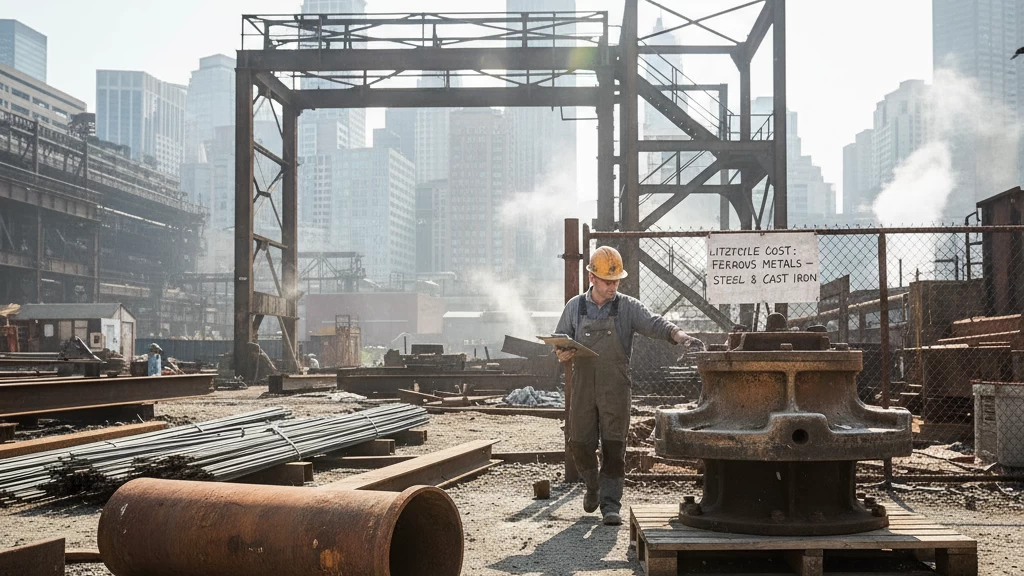
Ferrous metals are primarily iron-based, covering a wide range of steels and cast irons used across industries. Here’s a quick navigator to guide your choices:
- Carbon Steels:
- Mild steel (low carbon) is easy to weld and shape—great for construction and automotive frames.
- Medium carbon balances strength and toughness—ideal for gears and shafts.
- cURL Too many subrequests. are high carbon, hardened for cutting and wear resistance—perfect for molds and blades.
- Stainless Steels:
- Austenitic (300 series) offers excellent corrosion resistance and good formability, widely used in kitchenware and chemical plants.
- Duplex steels combine austenitic and ferritic properties, giving higher strength and better corrosion resistance—often seen in marine and oil industries.
- Precipitation Hardened (PH) stainless steels deliver high strength with good corrosion resistance—favored for aerospace and medical devices.
- cURL Too many subrequests. cURL Too many subrequests.
cURL Too many subrequests. cURL Too many subrequests. cURL Too many subrequests.
cURL Too many subrequests.
cURL Too many subrequests. cURL Too many subrequests. cURL Too many subrequests. cURL Too many subrequests. cURL Too many subrequests. cURL Too many subrequests. cURL Too many subrequests.
cURL Too many subrequests. Grade 2 cURL Too many subrequests. cURL Too many subrequests. cURL Too many subrequests. Grade 23 cURL Too many subrequests.
cURL Too many subrequests.
Each non-ferrous metal offers specific perks for U.S. industries focused on performance, weight, and durability—helping you pick the best fit for your next project.
Emerging & Sustainable Alloys
The world of metallic materials is shifting toward sustainability and innovation with emerging alloys that deliver strength, durability, and eco-friendliness. Here’s what’s trending:
- High-entropy alloys: These complex blends mix five or more metals in near-equal amounts, creating ultra-strong, wear-resistant materials perfect for extreme conditions.
- Metallic glasses: Amorphous metals with disordered atomic structures offer superior strength and corrosion resistance, ideal for lightweight, durable parts.
- Biodegradable magnesium: Used mostly in medical implants, this metal safely dissolves in the body, reducing the need for surgeries to remove hardware.
Looking ahead to 2025, keep an eye on these sustainable favorites:
- Recycled 7075 aluminum: High strength meets green production, cutting energy use and repurposing old materials without losing performance.
- Hydrogen-resistant 316L stainless steel: Designed to resist embrittlement in hydrogen-rich environments, this alloy is critical for clean energy infrastructure.
Thanks to advances like closed-loop supply chains, some companies are slashing CO₂ emissions by up to 37%—a huge leap toward greener metal production. Embracing these alloys means smarter choices for both performance and the planet.
Industry-Specific Playbooks
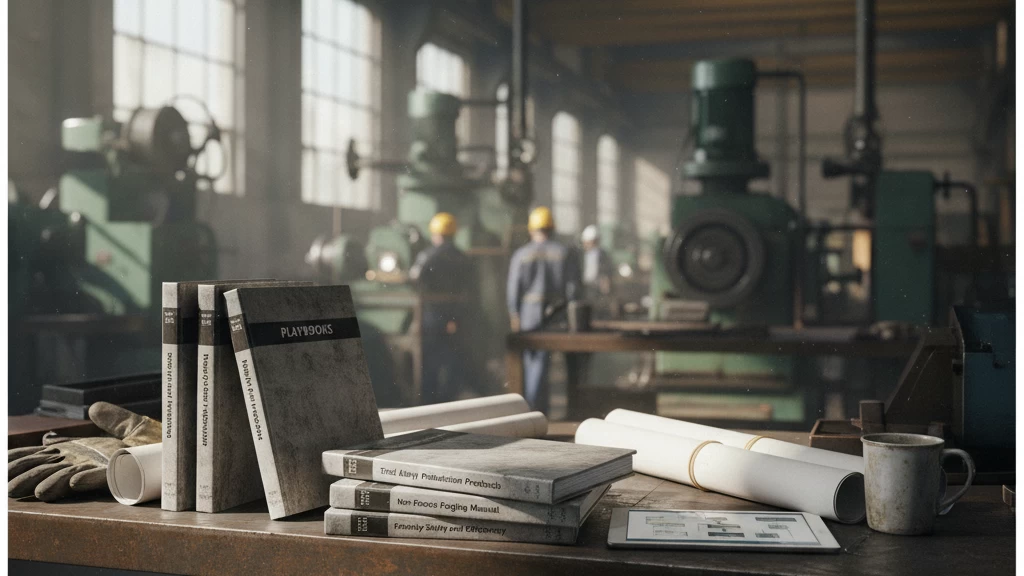
When working with metallic materials, every industry has its own set of priorities and challenges. Here’s a quick look at tailored guides to help you pick right:
- cURL Too many subrequests. Use our fatigue checklists to track critical stress points and improve lifespan under cyclic loading.
- Medical: Access the ISO 10993 fast-track table for biocompatibility standards, speeding regulatory approval.
- cURL Too many subrequests. Review crash-energy absorption curves to choose metals that keep safety high and weight low.
Each playbook finishes with a vast material match lead form so you can get personalized recommendations based on your project’s exact needs—cutting down time and risk. Whether you’re building planes, implants, or cars, these tools help you select metallic materials that fit your performance and budget goals.
Selection Cheat Sheet: Find Your Perfect Metallic Material
Need to pick the right metallic material fast? Try our 60-second quiz to get a personalized PDF guide tailored to your project. It helps you zero in on the best choices based on your needs—whether that’s strength, weight, corrosion resistance, or cost.
Quick Highlights:
- Easy quiz: Answer a few simple questions about your application and environment.
- Custom report: Download a detailed PDF with material recommendations and key specs.
- Ashby charts included: Visualize strength vs density so you can compare metals side-by-side.
- Vast Blue branding: Trusted data straight from Vast’s extensive material database.
cURL Too many subrequests.
cURL Too many subrequests.
cURL Too many subrequests.
cURL Too many subrequests.
- cURL Too many subrequests.
- cURL Too many subrequests.
- cURL Too many subrequests.
- cURL Too many subrequests.
- cURL Too many subrequests.
- cURL Too many subrequests.
- cURL Too many subrequests.
- cURL Too many subrequests.
- cURL Too many subrequests.
- cURL Too many subrequests.
- cURL Too many subrequests.
- cURL Too many subrequests.
cURL Too many subrequests.
- Annealing
- cURL Too many subrequests.
- cURL Too many subrequests.
- cURL Too many subrequests.
- Rapid cooling (usually in water, oil, or air) to lock in a hard, brittle structure.
- Used to raise hardness and strength, especially in steels.
- cURL Too many subrequests.
- Reheating quenched metal to a lower temperature.
- Reduces brittleness while maintaining strength for a balanced performance.
Each step is a tool for tuning properties—know when and how to apply them is key to getting the best out of your metallic materials. For U.S. manufacturers, this means choosing the right process based on the part’s end-use, budget, and required lifespan.
Corrosion, Wear & Failure Prevention
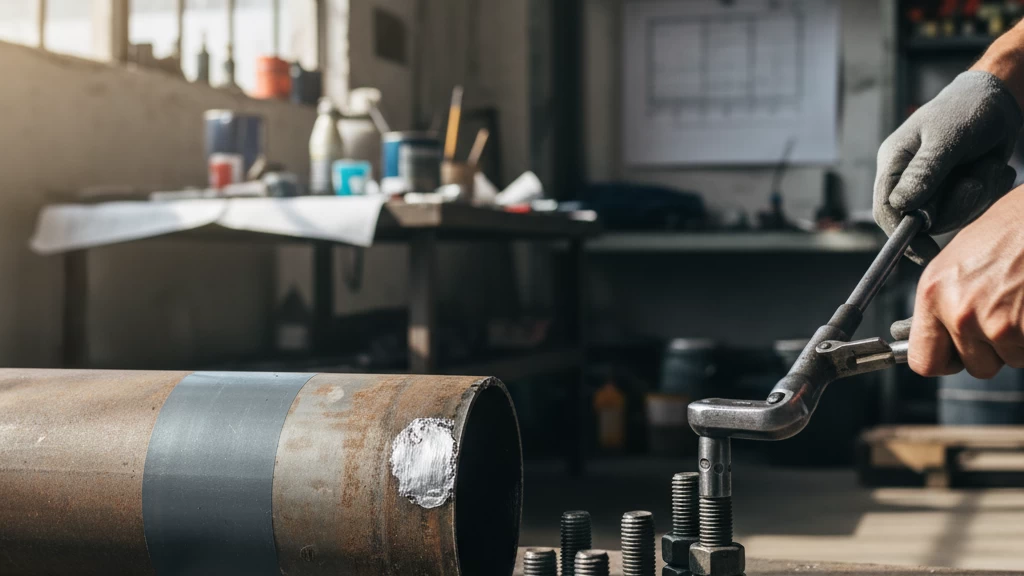
Preventing corrosion, wear, and failure is key to extending the life of metallic materials in demanding environments. Understanding how metals react when in contact with each other and their surroundings helps avoid costly repairs and downtime.
Galvanic Series Wallet Card
Keep this handy: the galvanic series wallet card shows which metals corrode faster when paired together. It’s a simple, practical tool for anyone working with metallic materials—especially useful on-site to quickly check compatibility and prevent galvanic corrosion.
Real-World Case Studies
- Bridge Cable: High-strength steel cables in suspension bridges face constant stress and moisture exposure. Protective coatings and regular inspections stop corrosion and fatigue cracks, ensuring safety and longevity.
- Hip Implant: Stainless steel and titanium alloys resist body fluids and wear, but selecting the right alloy and surface finish is critical to avoid metal ion release and implant loosening over time.
- Turbine Blade: Aerospace turbine blades operate under high temperatures and stress. Heat-resistant superalloys combined with protective coatings prevent oxidation and wear, helping maintain engine efficiency and prevent failure.
By focusing on proper material choice, protective treatments, and maintenance, you can dramatically reduce corrosion, wear, and failure risks in any metallic application.
Future-Proofing Your Metallic Materials Spec
Keeping your specs future-ready means staying ahead with smart tools and data. AI-driven alloy designers are here to help you find the perfect metal blend fast—whether you need higher strength, better corrosion resistance, or lighter weight. These tools analyze millions of combinations instantly, cutting guesswork and speeding your project from concept to reality.
Plus, vast APIs let you pull up reliable metal properties anytime, anywhere. Want yield strength, thermal conductivity, or corrosion resistance on the fly? Just query the database from your design software or mobile device and get real-time, location-specific data tailored to your needs.
In short:
- AI alloy design = faster, smarter material choices
- Vast API access = instant, accurate property lookup
- Stay competitive with up-to-date, verified metal info
This future-ready approach saves time and reduces costs — perfect for U.S. industries aiming to innovate while meeting local standards and sustainability goals.
 Italian
  English
  Spanish (Peru)
  German
  Korean
  Spanish (Spain)