
Discover the key differences between copper and bronze including composition, properties, uses, and which metal fits your project needs best.
What is Copper A Pure Elemental Powerhouse
Copper is a naturally occurring pure element known for its impressive versatility and usefulness. It holds the atomic number 29 on the periodic table and is recognized by the symbol Cu. This metal is valued for its excellent electrical and thermal conductivity, malleability, and resistance to corrosion.
Key traits of copper include:
- Reddish-orange color that develops a green patina over time
- Soft and ductile nature making it easy to shape and form
- High electrical conductivity, second only to silver
- Good thermal conductivity for heat transfer applications
Historically, copper is one of the first metals used by humans, dating back over 10,000 years. Ancient civilizations relied on copper tools, weapons, and ornaments before the widespread use of alloys. Its natural occurrence and easy workability made it a foundational metal through the ages—truly a pure elemental powerhouse in human history and industry.
What is Bronze The Ancient Alloy Innovation
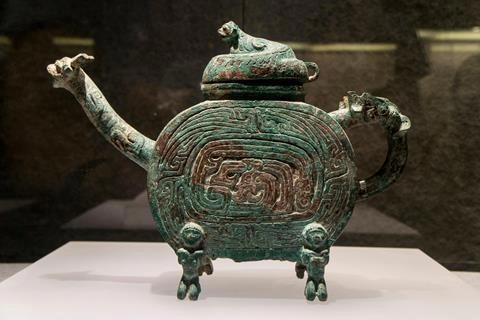
Bronze is one of the oldest known alloys, created when early metalworkers combined copper with tin. This mix gave rise to a material stronger and more durable than pure copper. Typically, bronze contains about 88% copper and 12% tin, though the exact composition can vary. Sometimes, small amounts of other metals like aluminum, phosphorus, or manganese are added to enhance specific properties.
Bronze’s key traits include increased hardness and better resistance to corrosion compared to copper. It also develops a unique patina over time, which is often sought after for art and decorative pieces. This alloy marked a significant innovation in human history, sparking what we now call the Bronze Age, a period where tools, weapons, and art saw major advancements thanks to bronze’s improved strength.
Over the years, different variants of bronze have emerged, each optimized for certain uses—naval bronze for marine environments, bell metal for sound quality, and aluminum bronze for extra durability.
Bronze’s rich history and versatile composition have made it a staple in both ancient civilizations and modern applications alike.
Head to Head Comparison Copper vs Bronze Properties
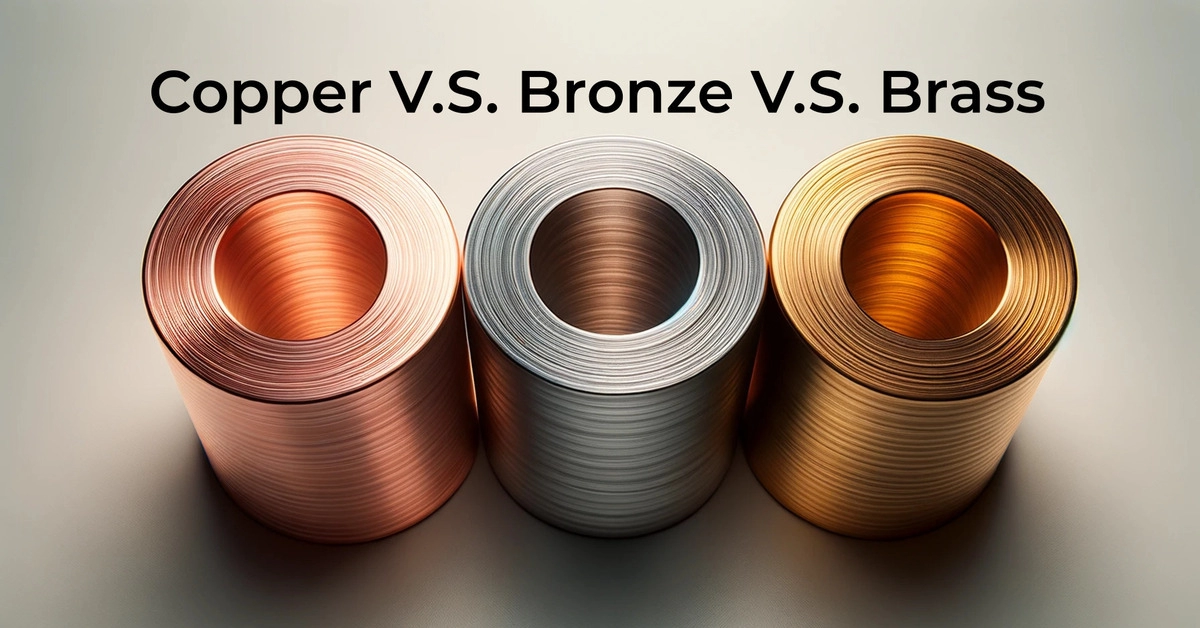
Here’s a clear breakdown of how copper and bronze stack up against each other across key properties:
| Property | cURL Too many subrequests. | cURL Too many subrequests. |
|---|---|---|
| Color | Reddish-orange | Brownish with a hint of red or gold |
| Hardness | Softer, around 3 on Mohs scale | Harder, typically 4-5 Mohs scale |
| Conductivity | Excellent, about 97% IACS (International Annealed Copper Standard) | Lower than copper due to alloy, around 15-30% IACS |
| Density | ~8.96 g/cm³ | Slightly denser, around 8.8–8.9 g/cm³ |
| Corrosion Resistance | Good, but patinas (green layer) with exposure | Better, resists corrosion and wear longer |
| cURL Too many subrequests. | Easy to work with, soft metal | More difficult due to hardness, but still workable |
| Cost | Generally more expensive as pure metal | Often less costly because it’s an alloy with tin and sometimes other metals |
- Copper shines in electrical and thermal conductivity, which is why it’s popular in wiring and electronics.
- Bronze’s strength and durability make it a go-to in tools, sculptures, and marine hardware where corrosion resistance matters.
- When deciding between copper alloy properties and bronze composition, consider the use case: conductivity vs. toughness.
This comparison helps you pick the right metal for your project based on performance and cost factors typical in the U.S. market.
Historical Evolution From Copper Age to Bronze Revolution
The story of copper and bronze is really the story of human progress. It all started in the Copper Age, roughly around 5000 BC, when early humans discovered copper as one of the first metals to be shaped and used. Copper’s natural softness made it easy to work with, which led to basic tools and ornaments. This marked a huge cultural leap, especially in what is now the United States and other parts of the world, where copper artifacts show up in ancient Native American cultures.
Then came the Bronze Age, around 3300 BC, which was a true game changer. Bronze, an alloy mainly made of copper and tin, was harder and more durable than pure copper. This meant stronger weapons, better tools, and more lasting art pieces. Civilizations around the world—from the Mesopotamians to the early settlers in North America—benefited from bronze’s improved strength and corrosion resistance. This shift didn’t just improve daily life; it accelerated technological advances and expanded trade routes, laying foundations for modern industry.
Today, the legacy of copper and bronze lives on. Copper is essential in electrical wiring and plumbing across American homes and industries, thanks to its excellent conductivity and flexibility. Bronze still thrives where durability and resistance to wear matter—think marine hardware, sculptures, and musical instruments. This historical evolution from copper to bronze shows how blending metals created new possibilities that powered advances then and continue to do so now.
Real World Applications Where Copper Shines and Bronze Endures
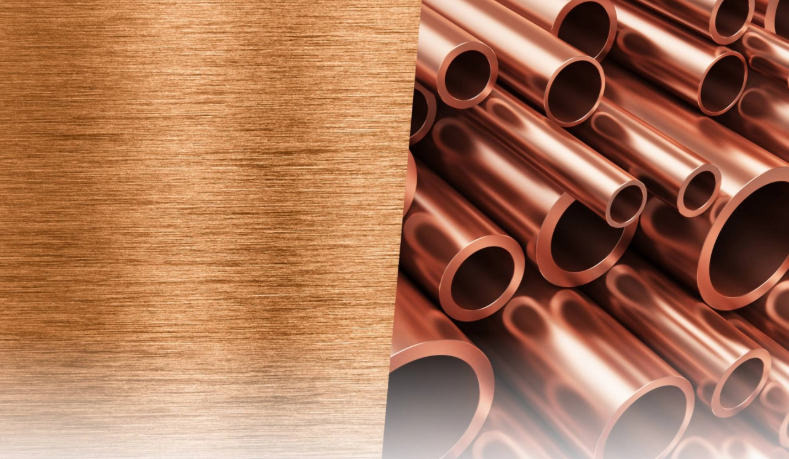
When it comes to real-world use, copper and bronze each have their own strengths that make them stand out in different areas.
cURL Too many subrequests.
- cURL Too many subrequests.cURL Too many subrequests.
- cURL Too many subrequests.cURL Too many subrequests.
- Industrial UsescURL Too many subrequests.
- cURL Too many subrequests.cURL Too many subrequests.
cURL Too many subrequests.
- cURL Too many subrequests.cURL Too many subrequests.
- cURL Too many subrequests.cURL Too many subrequests.
- Musical InstrumentscURL Too many subrequests.
- cURL Too many subrequests.cURL Too many subrequests.
cURL Too many subrequests.
- cURL Too many subrequests.
- cURL Too many subrequests.
- For heavy wear, marine exposure, or lasting outdoor art, bronze is often the smarter pick.
- Budget-wise, pure copper can be more expensive, but bronze’s blend often offers good long-term value due to durability.
In the U.S. market, knowing these strengths helps you pick the right metal for your project—whether it’s building, crafting, or industrial work.
Pros Cons and When to Choose Each
Here’s a straightforward look at the difference between copper and bronze when it comes to their pros, cons, and best uses. This will help you decide which metal fits your needs.
| cURL Too many subrequests. | cURL Too many subrequests. | cURL Too many subrequests. |
|---|---|---|
| Advantages | – Excellent electrical conductivity | – Stronger and harder than copper |
| – Highly corrosion-resistant in some environments | – Better corrosion resistance overall | |
| – Easy to machine and shape | – More wear-resistant | |
| – Naturally attractive reddish color | – Variety of alloys for different uses | |
| Disadvantages | – Softer, can scratch or dent easily | – Typically more expensive than copper |
| – Can tarnish quickly, needs care | – Slightly lower electrical conductivity | |
| – Less durable for heavy-duty use | – Harder to machine than copper | |
| Best Uses | – Electrical wiring and plumbing | – Bearings, bushings, and marine parts |
| – Decorative items and roofing | – Statues, tools, and weapons | |
| – Heat exchangers and cookware | – Industrial components requiring strength and corrosion resistance |
When to Choose Copper
Opt for copper if you need great electrical or thermal conductivity, easy shaping, and cost efficiency. Perfect for electrical wiring, plumbing, and decorative uses where softness and color matter.
When to Choose Bronze
Pick bronze when strength, durability, and corrosion resistance are a priority. It’s ideal for heavy-duty fittings, marine hardware, and applications where metal hardness matters.
Quick Decision Guide
- Need conductivity and formability? Go copper.
- Need strength and toughness? Choose bronze.
- On a budget but want appearance? Copper’s your pick.
- Need long-lasting wear and environment resistance? Bronze wins.
This simple comparison makes it easier to match the metal to your project needs, especially for customers across the U.S. looking for dependable, cost-effective materials.
Maintenance and Sustainability Tips
Taking care of copper and bronze is pretty straightforward, and a little effort goes a long way in keeping them looking great and lasting longer.
Care and Polishing
- cURL Too many subrequests. develops a natural greenish patina over time. If you like the shiny reddish look, clean it regularly with a soft cloth and mild polish. Avoid harsh chemicals to prevent damage.
- cURL Too many subrequests. tends to darken with age, forming a brown or greenish patina. Many people value this as a sign of authenticity. For a polished look, use a gentle bronze cleaner and a soft cloth.
cURL Too many subrequests.
- cURL Too many subrequests.
- cURL Too many subrequests.
cURL Too many subrequests.
- cURL Too many subrequests.
- cURL Too many subrequests.
- cURL Too many subrequests.
Quick Tips
- cURL Too many subrequests.
- cURL Too many subrequests.
- cURL Too many subrequests.
cURL Too many subrequests.
 Italian
  English
  Spanish (Peru)
  German
  Korean
  Spanish (Spain)