
Discover expandable casting techniques for precise metal castings with complex shapes reduced tooling costs and applications in automotive aerospace and more
If you’re exploring advanced manufacturing techniques, expandable casting is a game-changer you need to know about. This innovative process, using expandable foam patterns that vaporize during metal pouring, opens doors to creating complex, precise castings with less hassle and cost than traditional methods. Whether you’re an engineer, foundry expert, or industry enthusiast, understanding expandable casting could transform how you approach metal parts production. Ready to discover how this method delivers superior results and why it’s gaining traction across automotive, aerospace, and beyond? Let’s dive in.
Understanding Expandable Casting The Basics
Expandable casting, often known as lost foam casting, is a metal casting process where a foam pattern is used to shape molten metal. In this method, a foam model—typically made from expandable polystyrene—is coated with a refractory material and placed in a sand mold. When molten metal is poured, the foam pattern vaporizes, leaving behind a precise metal casting in its place.
This technique differs significantly from traditional casting methods like sand casting or investment casting. Unlike sand casting, which uses a separate pattern to create a mold cavity, expandable casting uses a foam pattern that becomes part of the mold during pouring. Compared to investment casting, which requires wax patterns and multiple coating steps, expandable casting simplifies the process by eliminating pattern removal and minimizing mold preparation time.
Key materials in expandable casting include:
- Expandable foam patterns: Usually made of polystyrene, shaped by molding or CNC cutting.
- Refractory coatings: Applied to foam to control surface finish and resist molten metal heat.
- cURL Too many subrequests.: Packed around the foam pattern to support it during pouring.
- Metals: Commonly cast metals include aluminum, iron, steel, and various alloys suited to application requirements.
The process has evolved since its origins in the 1950s, growing from a niche approach into an industry-standard option for complex metal parts. Innovations in foam materials and coating technology have improved surface quality and reduced defects, making expandable casting a preferred choice across automotive, aerospace, and heavy machinery sectors.
The Expandable Casting Process Explained

Expandable casting follows a clear, step-by-step process designed to produce precise metal parts using expandable foam patterns. Here’s how it works:
Pattern Creation
- A foam pattern is made using expandable foam, shaped exactly like the final part.
- These patterns are often created with CNC machining or molding to ensure accuracy.
Mold Preparation
- The foam pattern is placed in a flask or box and surrounded by unbonded sand or other loose mold material.
- No binders are added, allowing the foam to evaporate cleanly during metal pouring.
Metal Pouring
- Molten metal is poured directly into the mold, where it replaces the foam pattern.
- The foam evaporates instantly when it contacts the hot metal, leaving behind the cast shape.
Cooling
- The metal cools while still inside the sand mold, solidifying into the final part.
- Cooling time depends on the metal type and part size, which are carefully controlled to avoid defects.
Finishing
- Once cooled, the sand is removed, and the casting undergoes cleaning and any necessary surface treatment.
- Additional machining or inspection may follow to meet specifications.
Key Parameters to Control
- Foam pattern density and shape precision for dimensional accuracy
- Sand grain size and packing density to support the pattern and allow gas to escape
- Pouring temperature to ensure full pattern evaporation without casting defects
- Cooling rate to minimize shrinkage and porosity issues
Controlling these factors is crucial to producing high-quality parts with smooth finishes and complex shapes using the expandable casting method, sometimes also known as the lost foam casting process.
Advantages of Expandable Casting
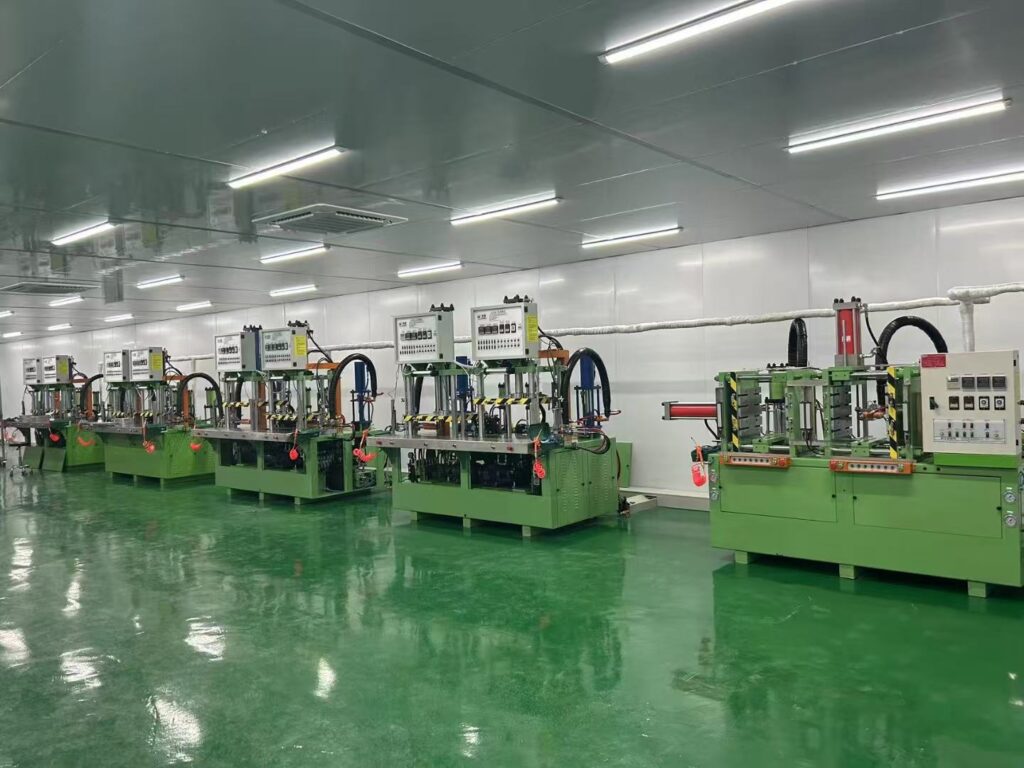
Expandable casting offers several clear benefits that make it a go-to choice for many foundries and manufacturers in the U.S. Here’s why it stands out:
Improved Dimensional Accuracy and Surface Finish
The expandable foam patterns used in this method allow for precise shaping, reducing the need for extra machining. This leads to tighter tolerances and smoother surfaces right out of the mold, saving time and cost during finishing.
Ability to Create Complex Intricate Shapes
Expandable casting excels at producing complex parts with intricate details that are tough to achieve with traditional sand casting or even investment casting. Because the pattern fully evaporates during metal pouring, undercuts and hollow sections come out flawlessly without special tooling.
Reduced Tooling Costs and Pattern Maintenance
cURL Too many subrequests.
cURL Too many subrequests.
cURL Too many subrequests.
cURL Too many subrequests.
cURL Too many subrequests.
cURL Too many subrequests.
cURL Too many subrequests.
cURL Too many subrequests.
cURL Too many subrequests.
cURL Too many subrequests.
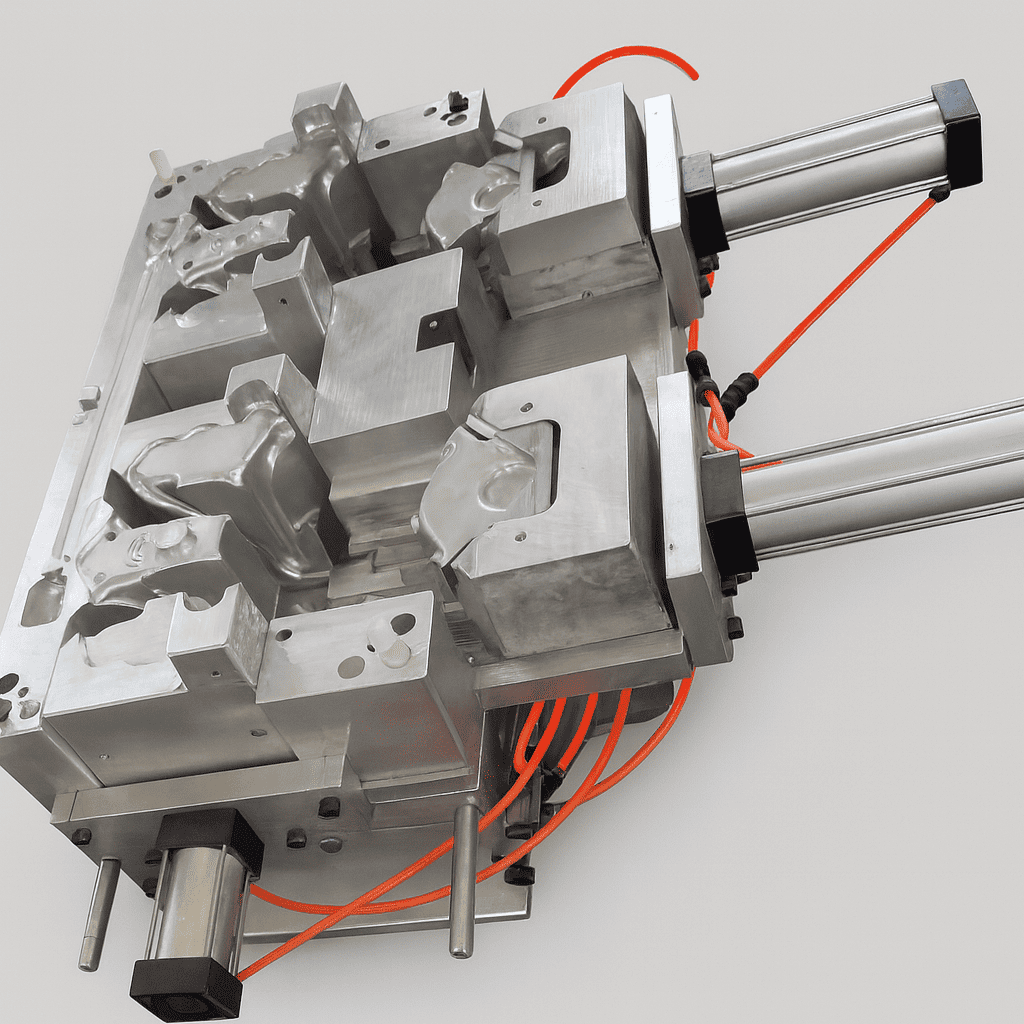
cURL Too many subrequests.
cURL Too many subrequests.
| cURL Too many subrequests. | cURL Too many subrequests. | cURL Too many subrequests. |
|---|---|---|
| cURL Too many subrequests. | cURL Too many subrequests. | cURL Too many subrequests. |
| Surface Finish | cURL Too many subrequests. | cURL Too many subrequests. |
| Complexity | cURL Too many subrequests. | Ideal for complex, intricate parts |
| cURL Too many subrequests. | Lower for small runs | Lower overall due to no cores or dies |
| Dimensional Accuracy | cURL Too many subrequests. | Higher accuracy |
Sand casting is great for larger, simpler parts but falls short when fine detail and surface quality matter. Expandable casting offers better finishes and can capture complex designs without extra tooling.
Investment Casting vs Expandable Casting
| Feature | Investment Casting | cURL Too many subrequests. |
|---|---|---|
| Pattern Type | Wax patterns | Expandable foam patterns |
| Detail Level | Extremely high | High but slightly less detailed |
| Cost Efficiency | Higher tooling and prep cost | Lower tooling, cost-effective |
| Production Volume | Best for small to medium runs | Scales well for medium to large runs |
| Waste | Wax reclaimed, less waste | Foam evaporates, minimal waste |
Investment casting nails precision but can be pricey and slow to set up. Expandable casting is a solid alternative when you want good detail with faster turnaround and less cost.
Lost Foam Casting and Expandable Casting
Lost foam casting is actually another name for expandable pattern casting. Both use foam patterns that evaporate when metal is poured. So, they’re basically the same process, often used interchangeably in the industry.
When to Choose Expandable Casting
- You need complex shapes with good accuracy and surface quality
- You want to cut down on tooling costs and pattern maintenance
- Your project benefits from environmentally friendly practices with less waste
- You’re producing medium to large runs where speed and repeatability matter
- You’re working with metals like aluminum, iron, or steel which suit this method
Expandable casting fits well when the goal is to balance cost, detail, and production speed — especially in automotive, aerospace, and heavy equipment markets common in the U.S.
Challenges and Limitations of Expandable Casting
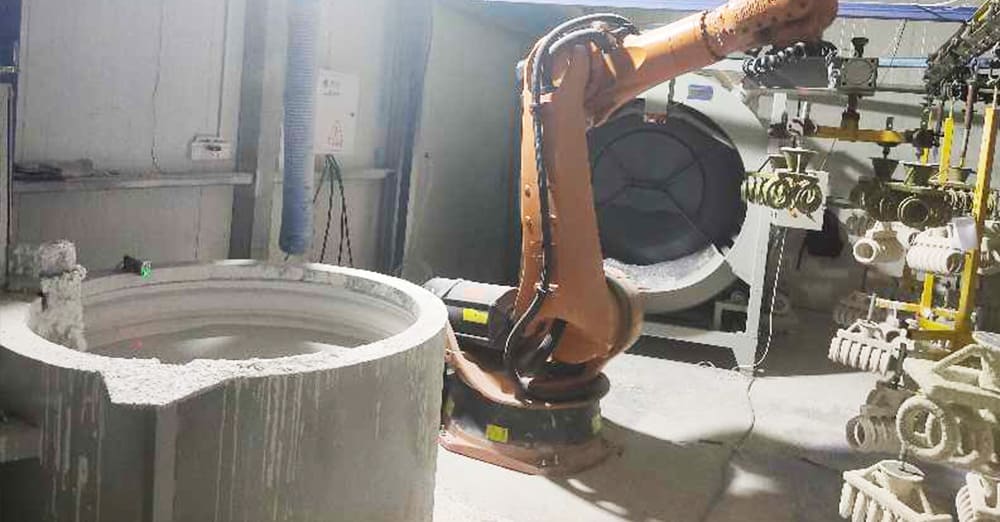
While expandable casting offers many benefits, it comes with some challenges you should consider:
- Material ConstraintsExpandable foam patterns are mostly limited to certain types of foams that work well under heat. This limits the variety of pattern materials compared to traditional casting, which can use wood, metal, or plastic molds.
- Quality Control IssuesGas porosity is one of the most common defects. When the foam burns out, it releases gas that can get trapped in the metal, causing small holes. Managing proper ventilation and using the right foam materials is critical to avoid this.
- Scale Limitations and Production RatesThis method is ideal for medium to large castings, but for very small parts, it might not be the best choice. Also, while the process can be fast, producing very high volumes may require extra steps or automation to keep pace.
- Costs Relative to VolumeThe initial tooling and pattern-making can be less expensive than other casting techniques, but if you need just a few units, costs per piece might be higher. For large runs, however, expandable casting becomes more cost-effective over time.
Understanding these limitations helps in deciding when to use expandable casting and ensures better results tailored to your project needs.
Innovations and Future Trends in Expandable Casting
cURL Too many subrequests.
cURL Too many subrequests.
cURL Too many subrequests.
cURL Too many subrequests.
cURL Too many subrequests.
cURL Too many subrequests.
cURL Too many subrequests.
cURL Too many subrequests.
 Italian
  English
  Spanish (Peru)
  German
  Korean
  Spanish (Spain)