
Explore expert sand casting processes, materials, and techniques with vast for quality metal casting solutions and industry insights.
Introduction to Sand Casting
Have you ever wondered how complex metal parts are made quickly and affordably? That’s exactly where sand casting comes in. Sand casting is a manufacturing process where molten metal is poured into a sand mold to create a shaped metal object. It’s one of the oldest and most versatile casting methods used around the world.
Sand casting dates back thousands of years, with evidence of its use in ancient civilizations like Egypt and China. Over time, this technique evolved with advances in mold materials and metal alloys, making it a staple in modern manufacturing. Today, sand casting remains popular because it’s cost-effective, flexible, and ideal for producing both small and large-scale parts.
In industries like automotive, aerospace, and industrial machinery, sand casting is a trusted method for making metal components quickly without the need for expensive tooling. Its importance in manufacturing stems from its ability to handle a wide variety of metals and complex designs, which keeps it relevant in the US market and beyond.
How Sand Casting Works The Process Explained
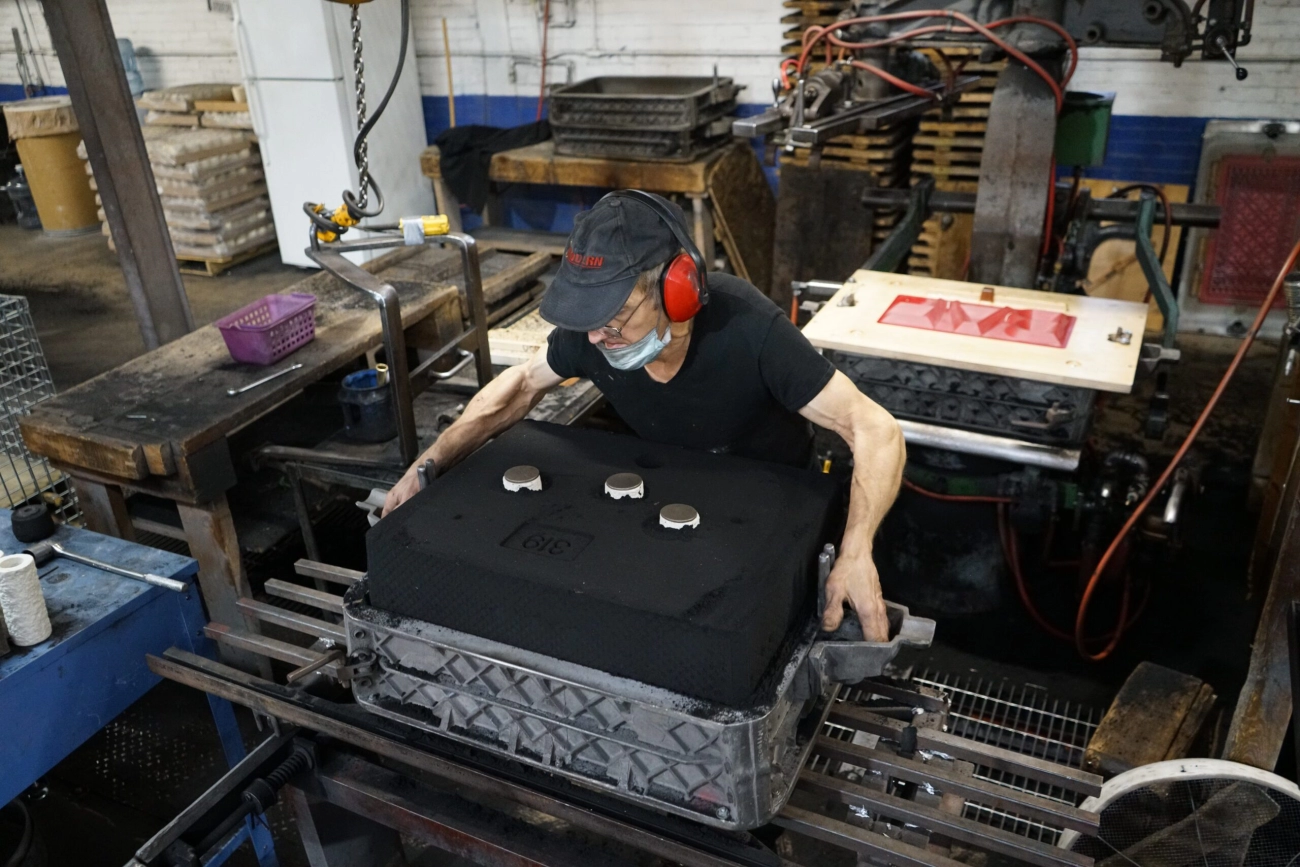
Sand casting starts with creating a pattern, which is basically a model of the part you want to make. This pattern is usually made from wood, metal, or plastic and helps form the mold cavity.
Next is mold preparation. Here, you choose the right sand—typically silica sand mixed with binders like bentonite clay—and pack it around the pattern to shape the mold. There are different types of molds like green sand molds (wet sand) or dry sand molds depending on the casting needs.
If your part has hollow sections or complex shapes, you’ll need core making. Cores are made from sand too and placed inside the mold to create these internal cavities.
After the mold and cores are ready, molten metal is poured into the cavity through a system of channels called sprues and runners. Metals like aluminum, iron, or bronze are heated until fully liquid.
Then comes cooling and solidification, where the metal hardens inside the mold. The cooling time depends on the metal type and the size of the casting.
Finally, the casting is removed from the mold in a step called shakeout. The sand breaks away, and the casting is cleaned to remove leftover sand and rough edges before any finishing work.
This step-by-step process is the heart of sand casting and is widely used because it’s flexible, cost-effective, and able to produce complex shapes reliably.
Types of Sand Casting Molds and Sand Materials
Sand casting uses different mold types and sand materials depending on the project’s needs. The two most common mold types are green sand casting and dry sand casting.
- cURL Too many subrequests. uses sand mixed with clay and water. It’s moist and flexible, making it easy to shape and reuse. This method is popular for its cost-effectiveness and quick turnaround.
- Dry sand casting molds are cured by baking or chemical binders, making them stronger and better for more detailed or larger castings where the mold must hold up to higher temperatures.
There’s also chemically bonded sand molds, where sand grains are glued together using resin or other binders. These molds offer precision and better surface finishes, often used for complex or high-quality castings.
The properties of molding sand greatly affect the casting quality. Typically, silica sand is used because of its heat resistance. Adding bentonite clay cURL Too many subrequests.
cURL Too many subrequests.
- cURL Too many subrequests.
- cURL Too many subrequests.
- Surface finish requirements
- cURL Too many subrequests.
cURL Too many subrequests.
cURL Too many subrequests.
cURL Too many subrequests.
- AluminumcURL Too many subrequests.
- IroncURL Too many subrequests.
- SteelcURL Too many subrequests.
- cURL Too many subrequests.cURL Too many subrequests.
- cURL Too many subrequests.cURL Too many subrequests.
- cURL Too many subrequests.cURL Too many subrequests.
cURL Too many subrequests.
cURL Too many subrequests.
cURL Too many subrequests.
cURL Too many subrequests.
Pros:
- Low cost for patterns and molds
- Flexibility in part size and design
- Suitable for various metals
- Good for small to medium production runs
Cons:
- cURL Too many subrequests.
- Lower dimensional accuracy
- Environmental impact from sand disposal
- Longer lead times compared to some modern methods
Understanding these pros and cons helps you decide when sand casting fits your manufacturing needs best.
Applications of Sand Casting in Various Industries
Sand casting is widely used across many industries in the United States due to its cost-effectiveness and flexibility. Here’s where you’ll often find it:
- Automotive: Many engine parts, brackets, and housings are made using sand casting. It’s ideal for producing durable, complex shapes in metals like aluminum and iron, common in car manufacturing.
- Aerospace: Sand casting helps create strong, heat-resistant components for aircraft engines and other critical parts where precision and material strength matter.
- Art and Sculpture: Artists and foundries use sand casting to create detailed metal sculptures and ornamental pieces. The process allows for custom designs and relatively low-cost production.
- Industrial Machinery: Heavy machinery parts like pumps, valves, and gear housings often come from sand casting because it handles large sizes and complex shapes well.
- Local Manufacturing: Many small businesses and local foundries across the U.S. rely on sand casting for custom metal parts, rapid prototyping, and short production runs. This keeps costs down while meeting specific local demands.
By fitting different metals and mold types, sand casting serves a broad range of needs, making it a go-to choice for manufacturers nationwide.
Quality Control and Defects in Sand Casting

In sand casting, maintaining quality is key to producing strong, reliable parts. Common defects include porosity (tiny holes caused by trapped gas), cracks from uneven cooling, and inclusions, which are unwanted materials trapped inside the casting. These flaws can affect the part’s strength and appearance.
To prevent defects:
- Use clean, properly mixed sand for the mold.
- Control the pouring temperature and speed carefully.
- Ensure the mold is packed tightly to avoid shifting.
- Use venting to let gases escape.
Detecting issues early involves visual checks, X-rays, or ultrasonic testing to find internal cracks or porosity before the part goes into use. Regular inspection and testing help catch defects, ensuring parts meet quality standards and reducing wasted materials and time. This is why a solid quality control process is a must in any sand casting foundry.
Innovations and Trends in Sand Casting Technology
Sand casting has come a long way with several exciting innovations shaping its future. Automation and robotics are increasingly common in foundries across the U.S., helping to speed up production while improving consistency and safety. Robots handle tasks like mold handling, pouring molten metal, and shakeout, reducing human error and exposure to heat and fumes.
Eco-friendly sand casting techniques are also gaining traction. Many foundries now use recycled sand and biodegradable binders to minimize waste and environmental impact. These green practices are especially important for companies looking to meet stricter U.S. environmental regulations and customer expectations.
3D printing is another game changer. It’s used to quickly produce complex sand casting patterns and cores, saving time and reducing costs compared to traditional pattern making. Hybrid processes that blend 3D printing with conventional sand casting optimize precision and open up new design possibilities, making sand casting more versatile than ever.
Together, these trends help keep sand casting relevant by improving efficiency, reducing environmental impact, and expanding its capabilities across various industries.
How to Start Sand Casting A Beginners Guide
If you’re new to sand casting, getting started can be simple with the right tools and safety habits. Here’s what you need and how to begin:
cURL Too many subrequests.
- cURL Too many subrequests.cURL Too many subrequests.
- cURL Too many subrequests.cURL Too many subrequests.
- cURL Too many subrequests.cURL Too many subrequests.
- cURL Too many subrequests.cURL Too many subrequests.
- cURL Too many subrequests.cURL Too many subrequests.
- cURL Too many subrequests.cURL Too many subrequests.
- cURL Too many subrequests.cURL Too many subrequests.
cURL Too many subrequests.
- cURL Too many subrequests.
- cURL Too many subrequests.
- cURL Too many subrequests.
- cURL Too many subrequests.
- Ensure your sandbox or mold box is dry; moisture can cause dangerous steam explosions when it hits molten metal.
Step-by-Step Beginner Project Overview
- Create your pattern: Start with a simple design like a small block or cylinder.
- Prepare your mold: Pack the green sand around your pattern in the mold box.
- Remove the pattern: Carefully take the pattern out to form the cavity.
- Add cores if needed: Place sand cores if you want hollow sections inside the casting.
- Assemble the mold halves: Put the top and bottom mold together tightly.
- Melt your metal: Use an appropriate furnace to melt aluminum or brass, both beginner-friendly metals.
- Pour metal into the mold: Slowly pour molten metal into the mold’s pouring basin.
- Cool and shakeout: Let the metal solidify, then break open the mold to remove your casting.
- Clean and finish: Cut off gates and sprues, and smooth rough edges.
Starting with these basics will help you understand the sand casting process. As you gain experience, you can try different metals, molds, and more complex shapes.
Choosing a Reliable Sand Casting Service Provider
Finding the right sand casting foundry can make all the difference in your project’s success. Here’s what to look for and questions to ask when choosing a local sand casting service.
What to Look for in a Sand Casting Foundry
- Experience and Reputation: Check how long they’ve been in business and look for reviews or customer testimonials.
- Capabilities and Equipment: Make sure they can handle the type of metal and size you need. Some foundries specialize in certain metals or casting sizes.
- Quality Control Standards: Ask about their inspection processes and how they prevent sand casting defects like porosity or cracks.
- cURL Too many subrequests.: Reliable service means meeting your deadlines consistently.
- Customer Service: Clear communication and willingness to answer questions are important.
- Local Knowledge: A local foundry understands regional regulations, sourcing, and logistics better, which can save time and money.
Questions to Ask Your Local Sand Casting Service
- What types of sand casting molds and sand materials do you work with?
- Can you provide examples of metals you cast regularly? (Aluminum, steel, bronze, etc.)
- How do you handle cURL Too many subrequests. cURL Too many subrequests. cURL Too many subrequests.?
- cURL Too many subrequests.
- cURL Too many subrequests. cURL Too many subrequests. cURL Too many subrequests.
- cURL Too many subrequests. cURL Too many subrequests. cURL Too many subrequests.
- cURL Too many subrequests.
- cURL Too many subrequests.
- cURL Too many subrequests.
cURL Too many subrequests.
cURL Too many subrequests.
cURL Too many subrequests.
 Italian
  English
  Spanish (Peru)
  German
  Korean
  Spanish (Spain)