
Discover expert custom metal fabrication services with precise cutting, forming, welding, and finishing tailored for your project’s unique needs.
Analysis and of the Keyword Custom Metal Fabrication Search Intent Analysis
When people search for custom metal fabrication, they typically have specific goals in mind. Most want to understand how tailored metal parts are designed and produced to meet unique requirements. The search intent often falls into three main categories:
- Informational: Users look for detailed explanations about what custom metal fabrication involves, including processes like CNC laser cutting, sheet metal forming, and metal welding techniques.
- Commercial: Potential buyers are seeking manufacturers or local metal fabricators who can provide bespoke metal components or precision metal bending services.
- Transactional: Some users aim to find suppliers or factories, including those overseas like custom metal fabrication manufacturers in China, to request quotes or place orders.
Understanding this intent helps both service providers and clients communicate better. Tailored content can address common questions like material options, production steps, and cost benefits, guiding users smoothly from learning to purchasing.
In , the keyword signals a strong need for reliable, precise, and customized metal parts, whether for residential, industrial, or commercial projects. The focus is on quality, capability, and local or global sourcing options.
Analysis and of the Keyword Custom Metal Fabrication
The keyword custom metal fabrication captures a broad interest from customers looking for tailored metalwork solutions. People searching this term usually want services that go beyond standard, off-the-shelf metal parts. They expect personalized designs, precise sheet metal forming, and expert metal welding techniques to meet specific needs.
In the United States, this keyword reflects demand in various industries like construction, automotive, and industrial manufacturing. Users often look for local metal fabricators who can deliver fast turnaround and quality metal finishing services. Terms like CNC laser cutting, stainless steel fabrication, and precision metal bending often pop up alongside, showing a preference for modern, accurate production methods.
For manufacturers, especially custom metal fabrication factories in China and local U.S. shops, this keyword emphasizes the importance of combining technology with craftsmanship. Overall, the term sums up a service focused on building custom metal parts that fit exact applications, with a strong emphasis on reliability, versatility, and local availability.
What Is Custom Metal Fabrication Demystifying the Basics Core Definition
Custom metal fabrication is the process of creating metal parts or structures that are tailor-made to fit specific needs. Unlike standard, off-the-shelf metal products, custom fabrication starts from scratch using detailed designs and precise measurements. It involves cutting, shaping, assembling, and finishing metal pieces—usually from materials like steel, aluminum, or stainless steel—to build parts you won’t find anywhere else.
This process is all about turning your unique ideas into real metal components that match your exact specifications. Whether it’s a small batch of prototypes or large industrial parts, custom metal fabrication ensures the final product fits perfectly and performs exactly as intended.
What Is Custom Metal Fabrication Demystifying the Basics Key Differences
Custom metal fabrication stands out because it’s all about making metal parts designed exactly for your needs — not something off the shelf. Unlike standard metal products that come in set sizes and shapes, custom fabrication means tailoring everything from the material type to the size, shape, and finish.
Here’s how custom metal fabrication differs from regular metalworking:
- Unique Designs: Each piece is made to fit a specific purpose or project, not mass-produced.
- Flexible Materials: You can work with a variety of metals like stainless steel, aluminum, or carbon steel depending on durability or visual appeal.
- Advanced Techniques: Custom jobs often use precision metal bending, CNC laser cutting, and metal welding techniques to meet exact specs.
- Local Touch: Many local metal fabricators offer quick turnaround and personal consultation, which isn’t common with big factories or off-the-shelf suppliers.
- Complex Shapes: Custom fabrication can tackle detailed or unusual shapes that standard sheet metal forming can’t easily handle.
Recognizing these differences helps you appreciate why custom metal fabrication is the go-to when standard parts just won’t cut it for your construction, automotive, or industrial projects.
What Is Custom Metal Fabrication Materials Spotlight
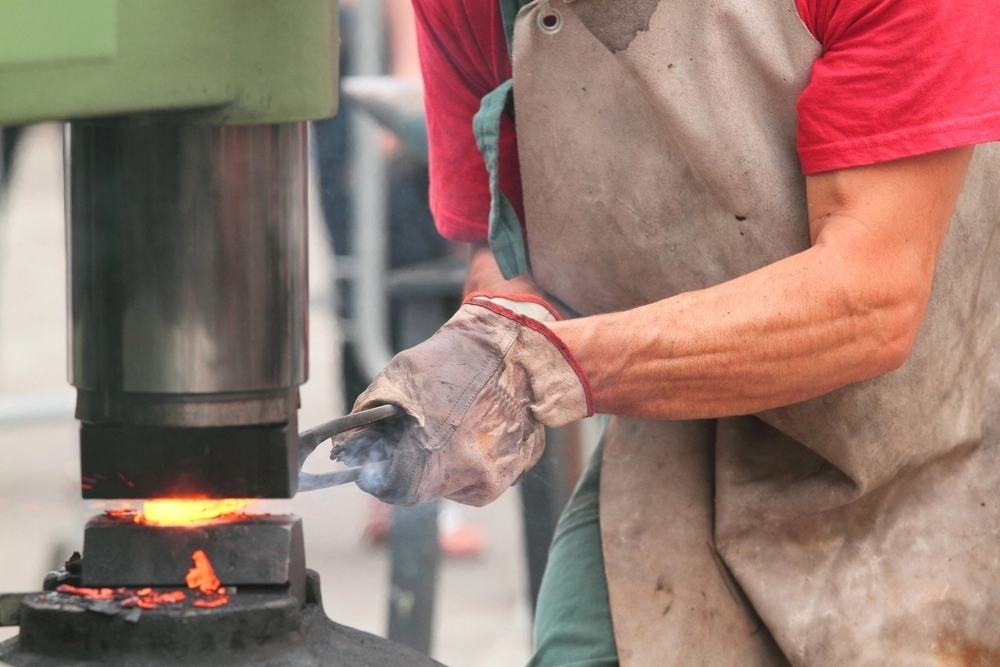
When it comes to custom metal fabrication, the materials you choose make all the difference. Most local metal fabricators here in the U.S. work with a few key metals because they balance strength, durability, and cost:
- Stainless Steel: Popular for its corrosion resistance and clean look. Great for everything from industrial metal parts to decorative pieces.
- Aluminum: Lightweight and easy to work with, aluminum is common in automotive and aerospace applications where weight matters.
- Carbon Steel: Strong and affordable, it’s a go-to for construction and heavy-duty projects.
- cURL Too many subrequests.cURL Too many subrequests.
cURL Too many subrequests.
cURL Too many subrequests.
cURL Too many subrequests.
cURL Too many subrequests.
cURL Too many subrequests.
cURL Too many subrequests.
cURL Too many subrequests.
cURL Too many subrequests.
cURL Too many subrequests.
cURL Too many subrequests.
cURL Too many subrequests.
cURL Too many subrequests.
cURL Too many subrequests.
cURL Too many subrequests.
cURL Too many subrequests.
cURL Too many subrequests.
cURL Too many subrequests.
- cURL Too many subrequests. Will the finished product face harsh weather or chemicals?
- Load and stress requirements: How strong and flexible does the metal need to be?
- Fabrication processes: Some materials handle bending, welding, or CNC laser cutting better than others.
Choosing the right metal early avoids costly changes down the line and makes sure the custom metal parts meet both performance and budget needs. At the same time, it’s common for local metal fabricators to advise on availability and lead times, ensuring materials can be sourced promptly to keep the project on schedule.
cURL Too many subrequests.
Step 3 Cutting Forming
Once the design and materials are set, the next step is cutting and forming the metal. This phase shapes raw metal into the parts needed for your project.
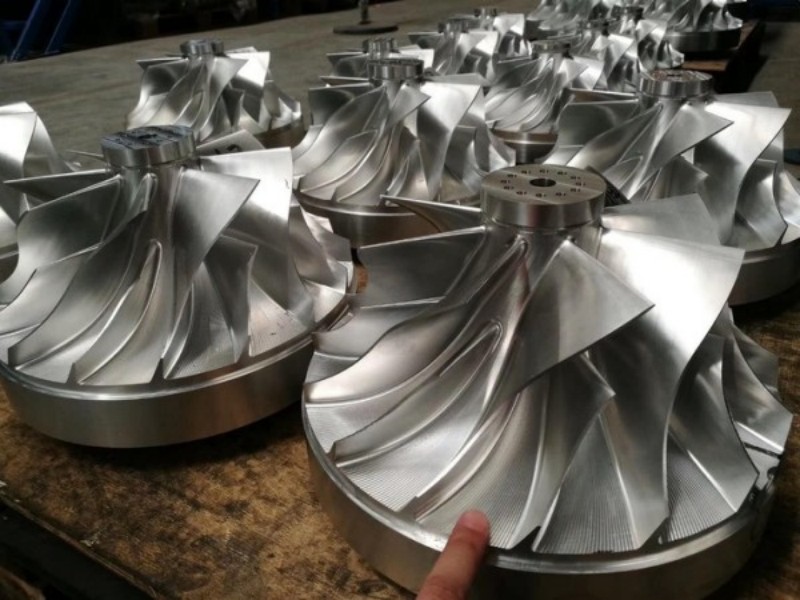
- Cutting: Precision cutting methods like CNC laser cutting and plasma cutting are used to trim metal sheets or plates to exact sizes and shapes. This approach offers clean edges and highly accurate dimensions.
- Forming: After cutting, the metal undergoes forming processes such as bending, rolling, or stamping. Precision metal bending tools help craft custom angles and curves specific to your design.
- Both cutting and forming ensure the metal components fit perfectly before assembly. These processes rely on skilled operators and modern machines to maintain tight tolerances and quality.
- Using techniques like sheet metal forming or stainless steel fabrication during this step ensures durability and precision for the final product.
This step is essential for transforming raw materials into bespoke metal components ready for joining and finishing in the next stages of custom metal fabrication.
The Custom Metal Fabrication Process Step 4 Assembly Joining
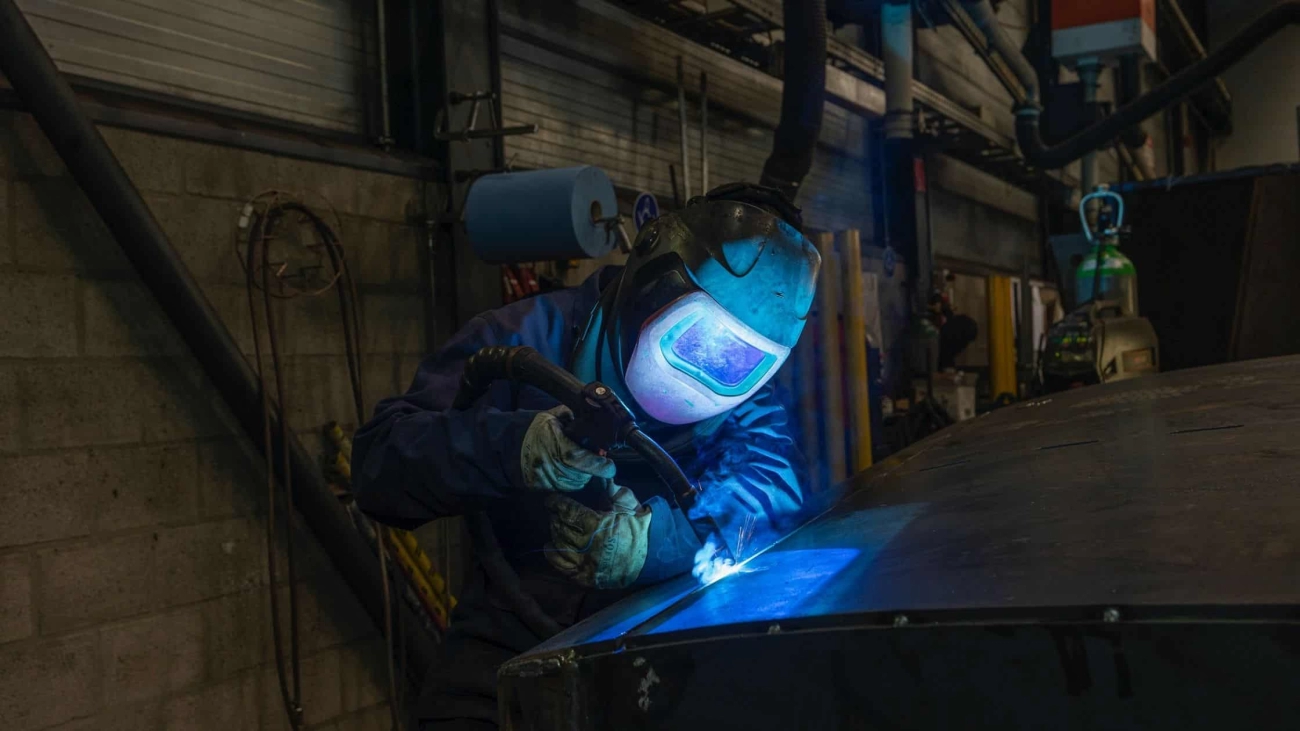
Step 4 in custom metal fabrication is all about putting everything together. Once the metal parts are cut and formed, they need to be assembled carefully to create the final product. This stage usually involves different metal welding techniques, fastening, or joining methods depending on the project needs.
Common joining methods include:
- Welding: Fusion welding like MIG, TIG, or spot welding is often used to create strong, permanent bonds between metal parts.
- Riveting: This mechanical fastening method works well for pieces that need to hold tight but might require disassembly later.
- Bolting and Screwing: Used for parts that may need maintenance or adjustments.
- Brazing and Soldering: Best for thinner metals or where a less intense heat application is needed.
Assembly is about precision to ensure each piece fits perfectly without gaps or misalignment. A solid join means the finished product will be durable, reliable, and up to spec.
Local metal fabricators often bring experience and craftsmanship to this step, ensuring your project meets high standards and fits your specific requirements.
The Custom Metal Fabrication Process Step by Step Breakdown Step 5 Finishing Quality Control
Once the metal parts are assembled, the next step is finishing and quality control. This phase makes sure each piece meets the specs and standards required for your project. Finishing includes smoothing edges, applying coatings, or painting to protect the metal and improve appearance. Common metal finishing services might involve powder coating, plating, or polishing.
Quality control checks are just as important. Fabricators inspect dimensions, welds, and overall fit to catch any defects early. This prevents costly rework or failures later on. For local metal fabricators serving U.S. customers, adhering to tight tolerances and industry standards is key. They use tools like precision measuring devices and sometimes even 3D scanning to ensure accuracy.
In short, finishing and quality control ensure that your custom metal parts are durable, visually up to par, and ready for use in your project. It’s the last step that guarantees the final product fits perfectly and stands the test of time.
The Custom Metal Fabrication Process Step-by-Step Breakdown Efficiency Tips
Efficiency in custom metal fabrication saves time, cuts costs, and improves overall quality. Here are practical tips to keep your project running smoothly:
- Clear Design SpecificationsProvide detailed drawings or CAD files upfront. This reduces guesswork and prevents costly revisions.
- Choose the Right Materials EarlyPicking the right metal type (like stainless steel or aluminum) before cutting starts avoids delays and extra machining.
- Leverage CNC Laser Cutting and Precision BendingUsing CNC laser cutting and precision metal bending tools speeds up production while maintaining tight tolerances.
- Streamline Communication with FabricatorsStay in close contact with your local metal fabricators to catch any issues early and keep the schedule on track.
- Standardize Components Where PossibleIncorporate standardized parts to cut down on custom work without sacrificing the tailored fit.
- Plan for Finishing Services EarlyDiscuss metal finishing services (like powder coating or polishing) early to slot them into the production timeline efficiently.
- Inspect RegularlyRegular quality checks during assembly prevent surprises at the final stage, ensuring a smooth finishing process.
By applying these tips, you’ll get better turnaround times and reliable results from your custom metal fabrication projects—all important for businesses across the U.S. looking for precision and speed.
The Custom Metal Fabrication Process Step-by-Step Breakdown Case Example
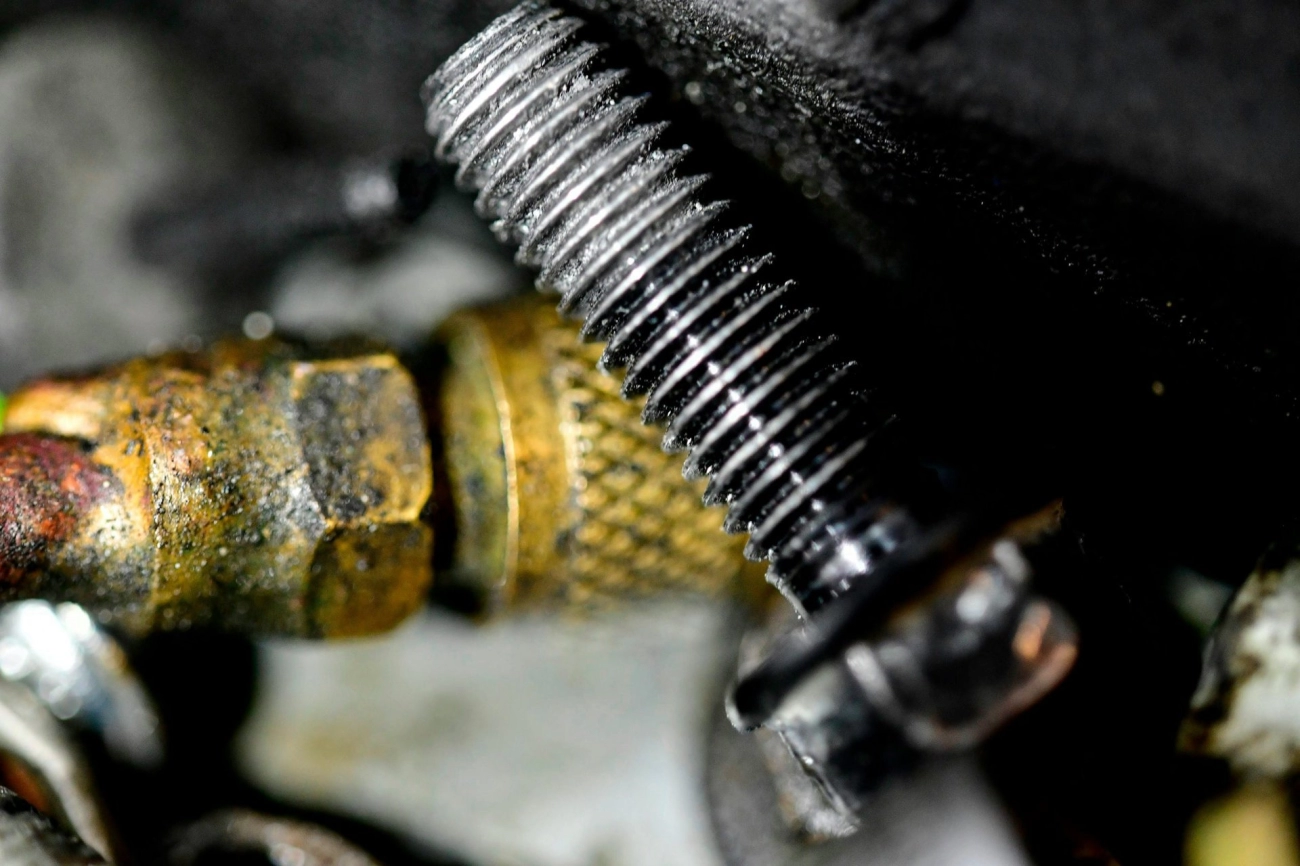
Let’s look at a real-world example to see how custom metal fabrication works from start to finish. Imagine a local construction company needs a set of durable, custom steel brackets to support a new building facade.
cURL Too many subrequests.
cURL Too many subrequests.
cURL Too many subrequests.
cURL Too many subrequests.
cURL Too many subrequests.
cURL Too many subrequests.
cURL Too many subrequests.
cURL Too many subrequests.
cURL Too many subrequests.
cURL Too many subrequests.
cURL Too many subrequests.
cURL Too many subrequests.
cURL Too many subrequests.
cURL Too many subrequests.
- cURL Too many subrequests. rapid prototyping cURL Too many subrequests.
- Using cURL Too many subrequests. and cURL Too many subrequests. cURL Too many subrequests.
- Emphasizing stainless steel fabrication due to demand in medical, food, and industrial sectors
- Preferring suppliers who can handle end-to-end services like design consultation, metal welding, assembly, and finishing within the state or region
- Valuing fabricators with strong local customer support and on-site visits
These habits keep projects efficient and reduce shipping costs and delays. Choosing a local custom metal fabricator often means better quality control and easier adjustments throughout the fabrication steps—from design through finishing and quality checks.
Understanding this local workflow makes a huge difference if you’re sourcing custom metal parts across industries like construction, automotive, or commercial manufacturing in the U.S.
Tailored Precision Fit
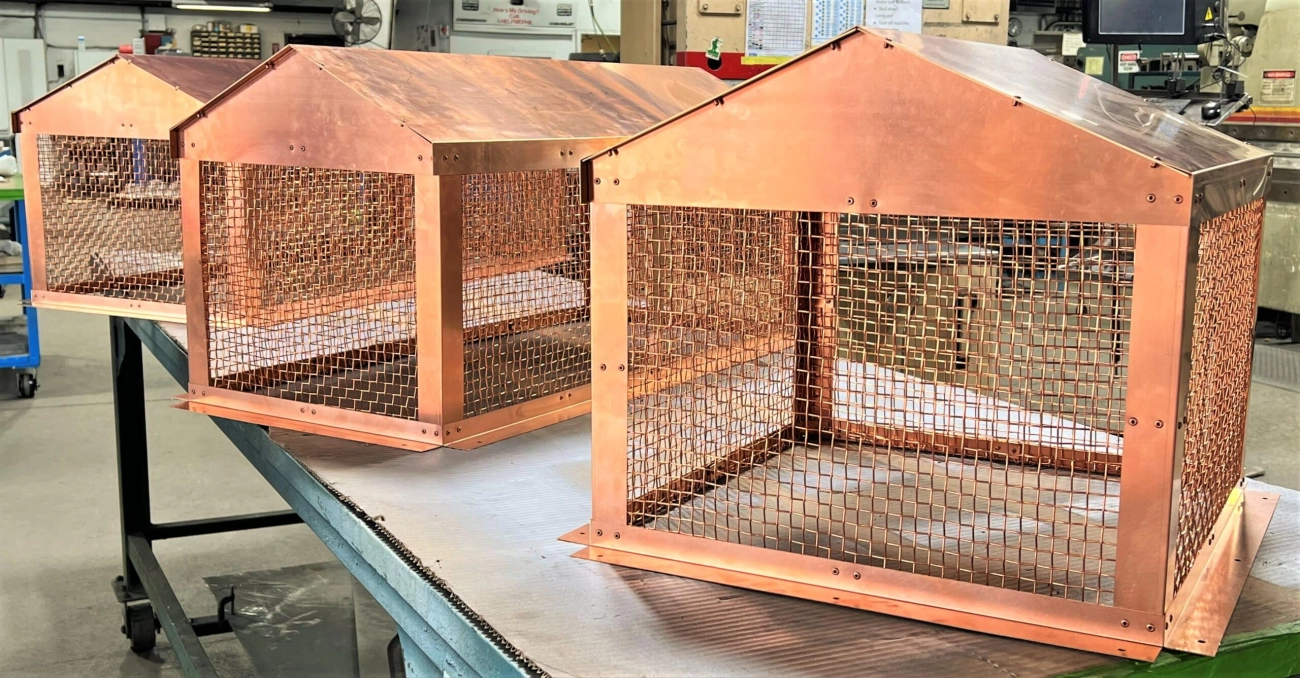
One big advantage of custom metal fabrication is the precision it offers. Unlike off-the-shelf metal parts that come in standard sizes and shapes, custom fabrication lets you get exactly what you need. This means every piece fits perfectly with your project, reducing errors and rework.
With techniques like CNC laser cutting and precision metal bending, local metal fabricators in the U.S. can shape materials down to tight tolerances. That’s especially important for industrial metal parts or bespoke metal components where even small deviations cause problems.
Custom fabrication also allows for flexibility in design, giving you control over dimensions, thickness, and material type—whether it’s stainless steel fabrication, sheet metal forming, or metal welding techniques. This tailored approach not only improves performance but also ensures your project meets both safety and quality standards right from the start.
Cost Effectiveness Long Term
Custom metal fabrication may seem like a bigger upfront investment compared to off-the-shelf metal parts. But when you look at the long-term picture, it often saves money. Here’s why:
- Reduced Waste: Custom fabricators work with exact measurements and needs, cutting down on scrap metal and unused materials. This lowers material costs over time.
- Fewer Replacements: Off-the-shelf parts might not fit perfectly, leading to quick wear or failure. Custom pieces are made to last longer and fit better, reducing the need for frequent repairs or replacements.
- Less Assembly Time: Custom parts arrive ready to install or require minimal adjustment. That means less labor and downtime, which saves money in big projects.
- Optimized Performance: When metal components fit just right, machinery and structures work more efficiently, cutting energy costs and maintenance bills.
- Bulk Savings with Local Fabricators: Working with local custom metal fabrication shops in the U.S. can trim shipping costs and lead times, adding to overall savings.
Investing in custom metal fabrication is about getting the right piece for the right job. It’s a smart move that pays off with lower ongoing expenses and better quality over time.
Enhanced Durability Versatility
Custom metal fabrication offers superior durability compared to off-the-shelf metal parts. Since these components are built to meet specific requirements, manufacturers use the right materials and construction methods that suit the job perfectly. This means your metal parts can withstand harsh conditions, heavy use, and last longer without failure.
Additionally, custom fabrication is incredibly versatile. Whether you need complex shapes, unusual sizes, or specialized finishes, custom metal fabrication can handle it all. This flexibility allows businesses in the U.S. to get parts tailored exactly to their needs—whether it’s precision metal bending for industrial machinery or stainless steel fabrication for outdoor environments. You’re not limited by standard designs, which often fall short in performance and aesthetic.
In short, customized parts provide a better fit and performance, improving the lifespan and functionality of your equipment or project. This versatility is especially valuable in industries like construction and automotive, where one-size-fits-all simply won’t work.
Sustainability Edge
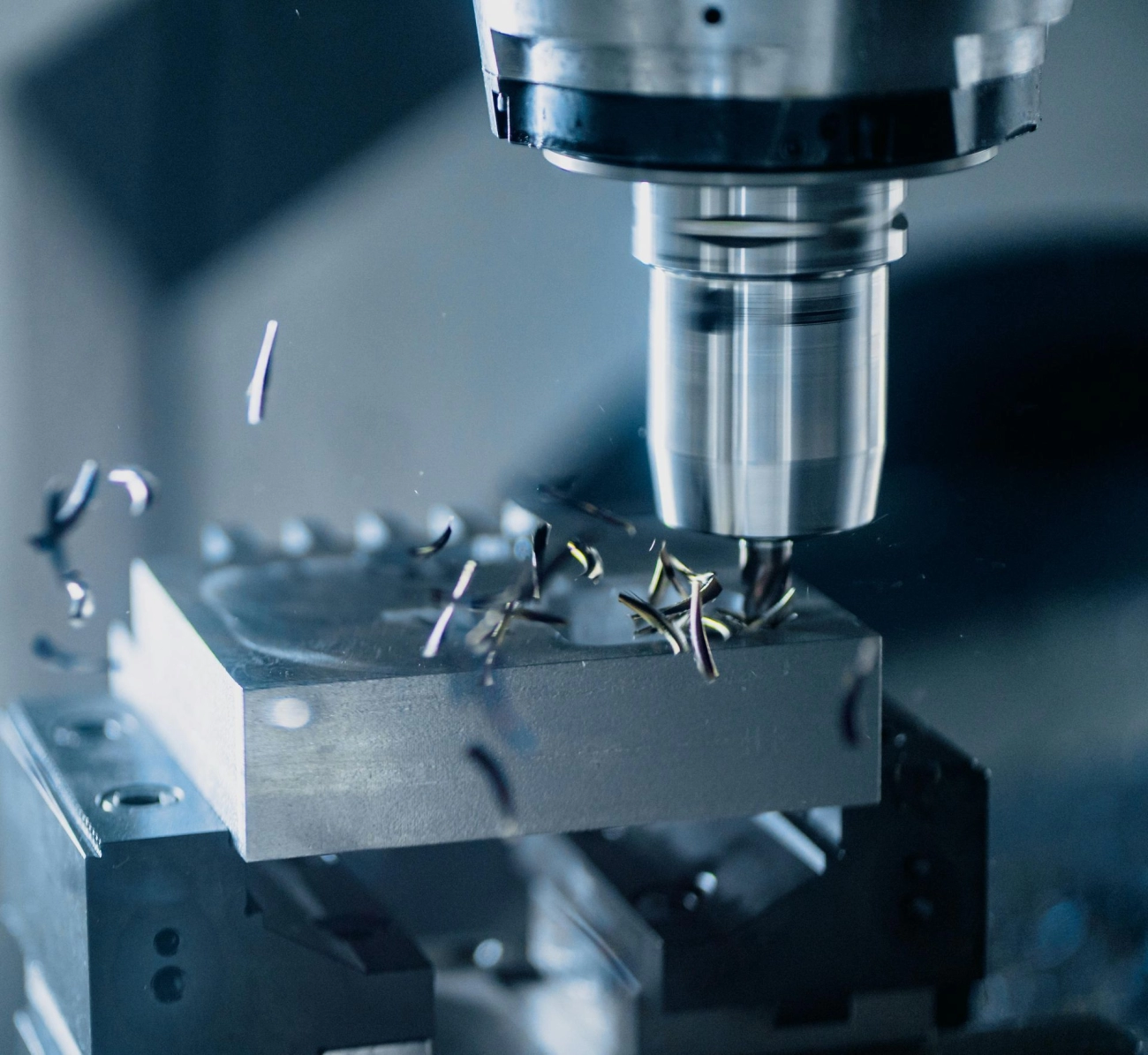
Custom metal fabrication offers a strong sustainability advantage compared to off-the-shelf metal parts. By creating exactly what’s needed, it minimizes material waste, reducing leftover scrap that often ends up in landfills. Local metal fabricators also help cut down on shipping emissions, since parts can be made closer to where they are used.
Using precision metal bending and CNC laser cutting, manufacturers optimize material usage, which leads to more efficient production. Plus, many custom metal fabricators use recyclable metals like stainless steel and aluminum, allowing parts to be reused or recycled at the end of their life cycle.
Choosing custom metal fabrication supports a more responsible approach to manufacturing—saving resources, cutting down on waste, and lowering your carbon footprint without compromising on quality or durability. This is a key selling point for businesses in the U.S. looking to meet sustainability goals while still benefiting from high-quality, bespoke metal components.
Key Benefits of Custom Metal Fabrication Beyond Off-the-Shelf Solutions Data Support
When it comes to custom metal fabrication, data consistently shows clear advantages over off-the-shelf metal parts. Studies and industry reports highlight that custom solutions provide better fit, function, and performance tailored to specific project needs. For example:
- Higher precision reduces the need for costly adjustments later on.
- Improved material usage leads to less waste, supporting cost savings.
- Enhanced durability rates mean longer service life, backed by performance testing metrics.
- Faster turnaround times cURL Too many subrequests.
cURL Too many subrequests.
cURL Too many subrequests.
cURL Too many subrequests.
cURL Too many subrequests.
cURL Too many subrequests.
cURL Too many subrequests.
cURL Too many subrequests.
cURL Too many subrequests.
cURL Too many subrequests.
- cURL Too many subrequests.cURL Too many subrequests.
- cURL Too many subrequests.cURL Too many subrequests.
- Architectural DetailscURL Too many subrequests.
- cURL Too many subrequests.cURL Too many subrequests.
- cURL Too many subrequests.cURL Too many subrequests.
Local metal fabricators across the U.S. offer quick turnaround and hands-on service, making it easier to get the right parts on time. Whether it’s a skyscraper in Chicago or a custom home in Texas, custom metal fabrication keeps projects on track with reliable, tailored metal solutions.
Real World Applications Industries Transformed by Custom Metal Parts Automotive Aerospace

Custom metal fabrication plays a huge role in the automotive and aerospace industries here in the U.S. These sectors rely heavily on precision metal parts tailored to exact specs to ensure safety, performance, and durability. From car frames and exhaust components to aircraft fuselage panels and landing gear parts, custom fabrication helps create strong, lightweight, and reliable components.
Key processes like CNC laser cutting, metal welding techniques, and precision metal bending allow manufacturers to meet strict industry standards. Using materials like stainless steel and aluminum, local metal fabricators deliver bespoke metal components that withstand extreme conditions and wear.
For automotive, custom metal fabrication supports everything from prototype builds to full-scale production runs, boosting innovation and efficiency. Aerospace demands tight tolerances and high-quality finishing services, which bespoke fabrication handles expertly.
In short, custom metal parts are critical for both industries to stay competitive, safe, and forward-moving. Local facilities that offer custom metal fabrication services ensure faster turnaround times and easier communication, making them an essential partner for automotive and aerospace projects in the U.S.
Industrial Commercial Applications Transformed by Custom Metal Parts
Custom metal fabrication plays a big role in industrial and commercial sectors across the U.S. Whether it’s manufacturing heavy machinery, building infrastructure, or outfitting commercial spaces, custom metal parts deliver the precise fit and strength these industries demand.
Key Uses
- Industrial Equipment: Custom metal components keep machines running smoothly and safely—from conveyor parts to structural supports.
- HVAC and Plumbing: Fabricated ductwork and piping made from stainless steel or aluminum ensure long-lasting, corrosion-resistant systems.
- Commercial Building: Metal frameworks, staircases, handrails, and decorative panels tailored to specific architectural needs add both function and style.
- Safety and Security: Custom metal barriers, grates, and enclosures provide protection and durability in commercial environments.
Why Industries Choose Custom Metal Fabrication
- Tailored Solutions: Off-the-shelf parts often don’t meet unique specs. Custom fabrication addresses exact size, shape, and durability requirements.
- Material Variety: Options like sheet metal forming, metal welding techniques, and CNC laser cutting let fabricators work with steel, aluminum, and other alloys suited for industrial use.
- Quality & Consistency: Precision metal bending and finishing services ensure every part fits perfectly and lasts longer.
In industrial-commercial settings, working with local metal fabricators familiar with regional code and climate conditions can improve efficiency and reduce turnaround times. This local advantage supports smoother project flows and better support when adjustments are needed on site.
Custom metal fabrication is not just about making parts—it’s about crafting reliable, durable solutions that keep industrial and commercial operations running safely and efficiently.
Real World Applications Industries Transformed by Custom Metal Parts Residential Artistic

Custom metal fabrication is making a big impact in residential and artistic spaces across the US. Homeowners and artists alike are turning to bespoke metal components to bring unique designs and durable structures to life. Whether it’s custom railings, staircases, gates, or furniture, precision metal bending and sheet metal forming allow for creative freedom without sacrificing strength.
Metal finishing services provide those smooth, polished looks that enhance the aesthetic appeal of residential projects. Plus, local metal fabricators often work closely with clients to produce pieces that fit specific style preferences and spatial requirements.
From intricate sculptures to functional yet eye-catching fixtures, the ability to create custom metal prototypes tailored to individual visions is transforming how we decorate and build at home. This blend of artistry and craftsmanship sets custom metal fabrication apart from off-the-shelf options, offering flexibility, durability, and a personal touch.
Real World Applications of Custom Metal Fabrication Cross Industry Table
Custom metal fabrication plays a key role across a variety of industries, offering tailored solutions that improve performance and durability. Here’s a simple table highlighting how different sectors use custom metal parts:
| Industry | Key Applications | Common Materials | Popular Processes |
|---|---|---|---|
| cURL Too many subrequests. | Structural supports, metal frameworks | Steel, aluminum, stainless steel | Sheet metal forming, welding |
| Automotive & Aerospace | Engine components, brackets, panels | Aluminum, titanium, steel | CNC laser cutting, precision bending |
| Industrial & Commercial | Machinery parts, custom enclosures | Carbon steel, stainless steel | cURL Too many subrequests. |
| cURL Too many subrequests. | cURL Too many subrequests. | cURL Too many subrequests. | cURL Too many subrequests. |
cURL Too many subrequests.
cURL Too many subrequests.
cURL Too many subrequests.
cURL Too many subrequests.
cURL Too many subrequests.
cURL Too many subrequests.
cURL Too many subrequests.
cURL Too many subrequests.
cURL Too many subrequests.
cURL Too many subrequests.
- cURL Too many subrequests.
- cURL Too many subrequests.
- cURL Too many subrequests.
cURL Too many subrequests.
How to Choose a Custom Metal Fabrication Partner Criteria Capabilities Tech
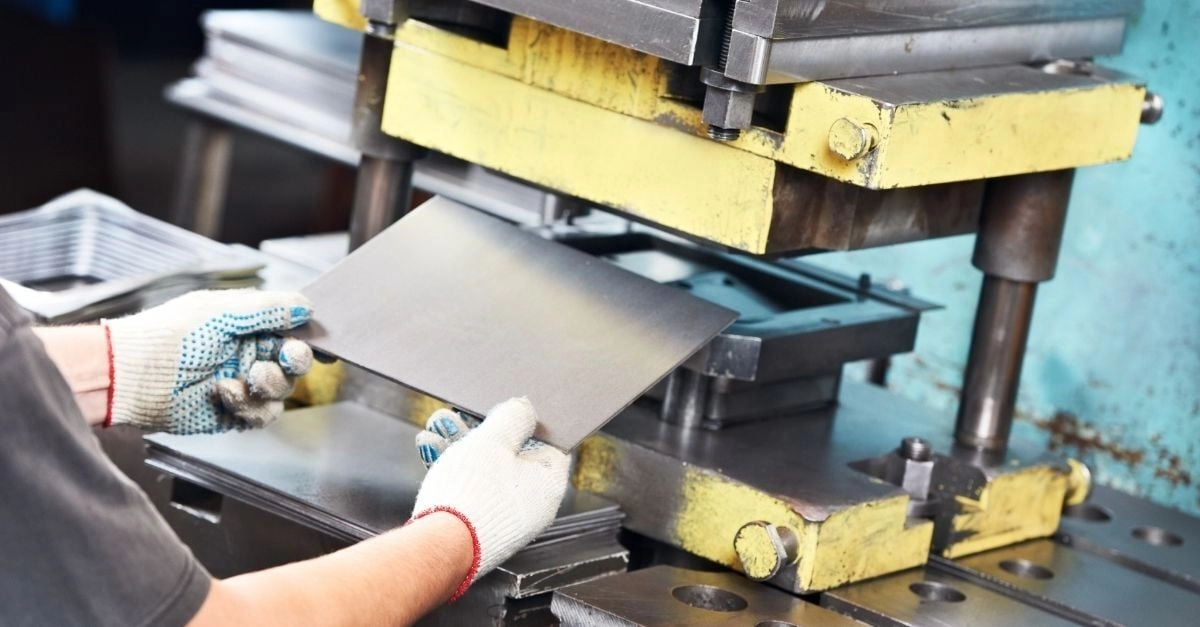
When picking a custom metal fabrication partner, capabilities and technology are key. You want a shop that handles everything from CNC laser cutting and precision metal bending to metal welding techniques efficiently. Here’s what to look for:
- Advanced Equipment: Make sure they use up-to-date machines like CNC laser cutters, press brakes, and robotic welders. This ensures accuracy and keeps turnaround times quick.
- Material Range: They should work with a wide variety of metals—stainless steel fabrication, aluminum, carbon steel, and specialty alloys. This flexibility lets you get exactly what you need.
- Custom Metal Prototypes: A good partner will offer prototype services so you can test designs before full production, reducing costly errors.
- cURL Too many subrequests.: Check if they provide finishing options such as powder coating, polishing, or plating to get the right look and durability.
- Technology Integration: Look for companies using CAD software, digital measuring tools, and real-time project tracking. These tech tools improve communication and quality control.
- Scalability: They should handle anything from small bespoke metal components to large industrial metal parts without losing quality.
Choosing a partner with strong capabilities and the right tech makes all the difference in custom metal fabrication projects, especially for businesses in the US looking for precision and local reliability.
How to Choose a Custom Metal Fabrication Partner Insider Tips from Vast Criteria Customer Centric Service

When looking for a custom metal fabrication partner, customer-centric service should be at the top of your list. A fabricator that puts your needs first makes the process smoother and more efficient. Here’s what to watch for:
- Clear Communication: They should keep you updated at every step, from design consultation to final delivery. No confusing jargon—just straightforward info.
- Responsive Support: Quick replies to inquiries and a willingness to solve problems show they value your time and project.
- Flexibility: Custom jobs often require changes or tweaks. Your partner should adapt without hassle and provide tailored solutions.
- Proactive Guidance: A good fabricator will offer suggestions to improve design, material choices, or processes that benefit your project’s cost and durability.
- After-Sales Service: The relationship doesn’t end once the parts are delivered. Check if they offer follow-up support or help with any future adjustments or repairs.
Choosing a partner focused on customer service means fewer headaches and a better final product designed exactly how you want it. Look for local metal fabricators that emphasize these qualities—they tend to understand regional needs better and offer faster turnaround times.
How to Choose a Custom Metal Fabrication Partner Insider Tips from Vast Red Flags
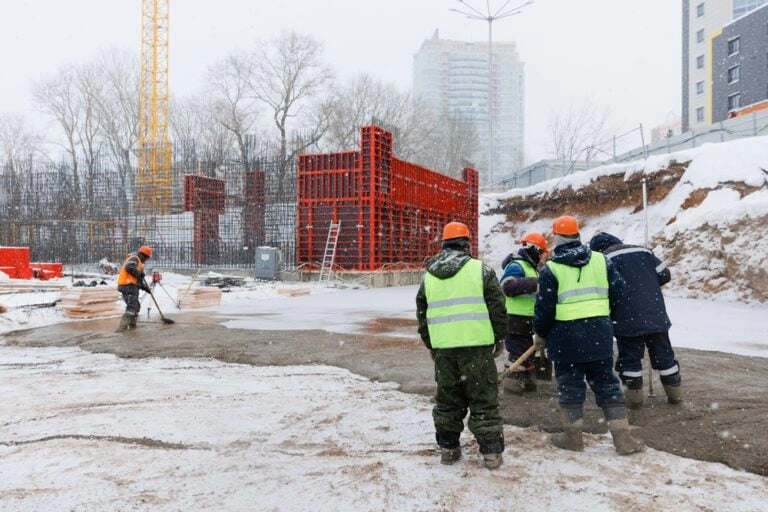
When looking for a custom metal fabrication partner, spotting red flags early can save you time and money. Here are some warning signs to watch for:
- Lack of Clear CommunicationIf your questions about sheet metal forming, CNC laser cutting, or metal finishing services aren’t answered promptly or clearly, it’s a bad sign. Transparent communication is key for a smooth project.
- No Certifications or Experience ProofBe cautious if the fabricator can’t show certifications or a solid track record in stainless steel fabrication or custom metal prototypes. Experience matters, especially for precision metal bending and complex jobs.
- Limited Capabilities or Outdated TechA partner relying solely on old machinery without modern CNC laser cutting or advanced metal welding techniques might not meet your quality or efficiency needs.
- No Local References or ReviewsSince local metal fabricators often understand the specific demands of U.S. markets better, lacking local testimonials or references can be a red flag.
- Avoids Discussing Material Options or Costs EarlyGood partners guide you through material selection preparation upfront to lock in cost-effective, durable solutions. Dodging these talks can lead to surprises later.
- Unwillingness to Provide Samples or PrototypesFor bespoke metal components, seeing or testing prototypes before full production is essential. If they can’t or won’t provide them, be careful.
- Poor Quality Control TransparencyWithout clear finishing and quality control processes, there’s a risk of inconsistent industrial metal parts delivered.
Watch for these red flags when choosing a partner. Trustworthy custom metal fabrication manufacturers and factories, especially those serving the U.S. market, will be open, clear, and ready to collaborate for the best results.
How to Choose a Custom Metal Fabrication Partner Decision Framework
Picking the right custom metal fabrication partner can make or break your project. Here’s a simple decision framework to help you choose wisely:
1. Define Your Project Needs
- What materials do you need (stainless steel, aluminum, etc.)?
- What level of precision or complexity is required?
- Is speed or budget your top priority?
2. Evaluate Capabilities
- cURL Too many subrequests.
- cURL Too many subrequests.
- cURL Too many subrequests.
cURL Too many subrequests.
- cURL Too many subrequests.
- cURL Too many subrequests.
cURL Too many subrequests.
- cURL Too many subrequests.
- cURL Too many subrequests.
- cURL Too many subrequests.
cURL Too many subrequests.
- cURL Too many subrequests.
- cURL Too many subrequests.
cURL Too many subrequests.
- cURL Too many subrequests.
- cURL Too many subrequests.
- cURL Too many subrequests.
cURL Too many subrequests.
 Italian
  English
  Spanish (Peru)
  German
  Korean
  Spanish (Spain)