
Discover custom fabricated aluminum solutions featuring lightweight strength, corrosion resistance, precision machining, and fast local delivery.
What is Fabricated Aluminum Definition Key Properties vs Other Metals
Fabricated aluminum refers to aluminum that has been custom shaped and assembled through various processes like cutting, bending, welding, and machining to create parts or structures. Unlike raw aluminum, fabricated aluminum is tailored to meet specific design and functional needs, making it a versatile choice across industries.
Key Properties of Fabricated Aluminum
- Lightweight: Aluminum weighs about one-third of steel, making it ideal when reducing weight is crucial.
- Strong and Durable: Certain alloys, like 6061 aluminum parts, offer excellent strength that competes with some steels.
- Corrosion Resistant: Naturally forms a protective oxide layer, and anodized aluminum finishes enhance longevity.
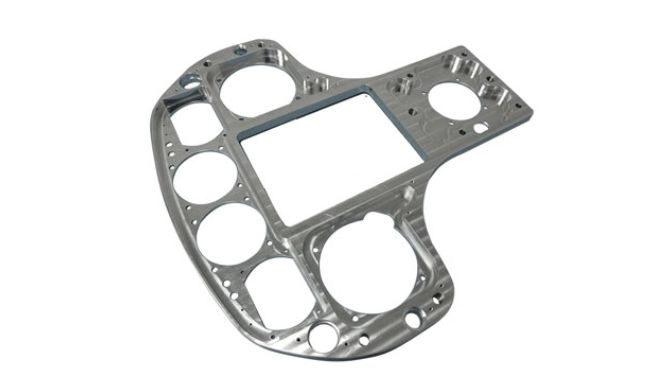
- Highly Machinable: Easy to process using CNC aluminum machining and precision aluminum prototypes.
- Flexible in Forming: Sheet metal aluminum bending and aluminum extrusion services allow a wide range of shapes.
- Thermal and Electrical Conductivity: Good conductor, useful in electronics and heat management.
Comparison with Other Metals
| Property | Fabricated Aluminum | Steel | cURL Too many subrequests. |
|---|---|---|---|
| Weight | Light (≈1/3 of steel) | Heavy | cURL Too many subrequests. |
| Corrosion Resistance | High | Moderate (prone to rust) | Very High |
| cURL Too many subrequests. | Good (alloy dependent) | Very High | cURL Too many subrequests. |
| Cost | cURL Too many subrequests. | cURL Too many subrequests. | High |
| cURL Too many subrequests. | Excellent | Good | Good |
| Versatility | Very High | cURL Too many subrequests. | Low |
In short, fabricated aluminum offers a unique mix of lightweight strength, corrosion resistance, and ease of fabrication that many metals can’t match. These properties explain why custom aluminum fabrication is a top choice for industries aiming to balance performance and cost while embracing innovation.
Imagine cutting production costs without sacrificing quality or design flexibility — that’s the power of fabricated aluminum.
Ready to explore how fabricated aluminum can transform your next project? Let’s dive into the fabrication process next.
The Fabricated Aluminum Process Step-by-Step Breakdown
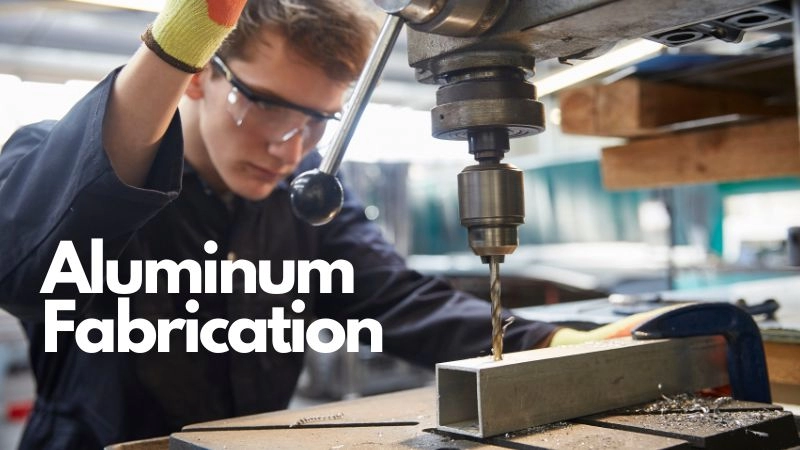
Fabricated aluminum starts with selecting the right material, often including popular grades like 6061 aluminum parts for their strength and versatility. Once the material is chosen, the first step is cutting. This can involve methods like CNC aluminum machining or aluminum extrusion services to get precise shapes and sizes.
Next comes forming, where the aluminum sheet metal is shaped using techniques such as sheet metal aluminum bending. This step is critical for achieving the desired structure without weakening the metal. Bending follows, often done with specialized equipment, to create curves or angles cleanly.
Joining is another key part of the process, using aluminum welding techniques or fasteners depending on the design. After this, machining refines the parts for tight tolerances, ensuring everything fits perfectly. Finally, assembly brings all the fabricated pieces together into a finished product, sometimes finished with anodized aluminum finishing for extra corrosion resistance and durability.
Throughout this process, precision aluminum prototypes might be created to test designs before full production, cutting down on time and cost. This step-by-step approach ensures each custom aluminum fabrication project meets quality and performance standards specific to your needs.
Top Benefits of Choosing Fabricated Aluminum
Fabricated aluminum stands out for many reasons, especially if you’re looking for a metal that’s easy to work with and built to last. Here’s why it’s a smart choice:
| Benefit | Why It Matters |
|---|---|
| Lightweight | Easier to handle and reduces transport costs |
| cURL Too many subrequests. | Strong enough for tough applications |
| Corrosion Resistance | Lasts longer without rust or damage |
| Cost Savings | Lower material and maintenance costs |
| Time Savings | Quick to fabricate with CNC machining and aluminum extrusion services |
| Sustainability | Recyclable and eco-friendly |
| Custom Versatility | Supports custom aluminum fabrication, sheet metal aluminum bending, anodized aluminum finishing, and more |
Whether you need 6061 aluminum parts for strength, anodized aluminum finishing for a sleek look, or precision aluminum prototypes for product testing, fabricated aluminum delivers a balance of performance and flexibility. It fits well across industries because it’s both reliable and efficient, saving you time and money on projects.
cURL Too many subrequests.
cURL Too many subrequests.
cURL Too many subrequests.
cURL Too many subrequests.
Automotive
cURL Too many subrequests.
Aerospace
cURL Too many subrequests.
cURL Too many subrequests.
cURL Too many subrequests.
cURL Too many subrequests.
cURL Too many subrequests.
cURL Too many subrequests.
cURL Too many subrequests.
Case Study
cURL Too many subrequests.
cURL Too many subrequests.
cURL Too many subrequests.
cURL Too many subrequests.
cURL Too many subrequests.
| cURL Too many subrequests. | cURL Too many subrequests. |
|---|---|
| No clear portfolio or references | May lack experience or quality |
| Poor communication | Could delay your project |
| Limited or no certifications | Might not meet industry standards |
| No custom aluminum fabrication options | Unable to tailor to your specs |
| Minimal CNC aluminum machining | Limits precision and complexity |
Checklist for Choosing a Partner
- Experience with 6061 aluminum parts and sheet metal aluminum bending – Make sure they handle the materials you want.
- Capabilities in aluminum extrusion services and aluminum welding techniques – More services mean smoother, faster projects.
- Use of anodized aluminum finishing or other corrosion-resistant aluminum processes – For better durability.
- Ability to produce precision aluminum prototypes – Helps you test designs before full production.
- Transparent pricing and timeline estimates – Avoid surprises down the road.
- Local presence or quick shipping to the US region – Saves time and lowers shipping costs.
- Good reviews from US-based clients – Proven track record matters.
Local Tips for US Customers
- Look for partners familiar with local building codes and regulations, especially for construction and industrial projects.
- Ask about their experience working with American automotive and aerospace standards.
- Consider companies that offer flexible minimum order quantities, useful for startups and small businesses.
- Prioritize partners who can advise on sustainable fabricated aluminum options since many US industries emphasize green practices.
Choosing the right fabricated aluminum partner makes all the difference. Use this checklist and keep an eye out for red flags to ensure your project runs smoothly, looks great, and lasts long.
 Italian
  English
  Spanish (Peru)
  German
  Korean
  Spanish (Spain)