
Explore expert techniques for fillet corners in CAD design and manufacturing to reduce stress, improve durability, and enhance part performance.
The Engineering Fundamentals of Fillet Corner
Stress Concentration Basics
In engineering, sharp corners are notorious for causing stress concentrations—localized areas where stress is significantly higher than the surrounding material. These stress risers can lead to cracks, fatigue, and ultimately failure. Introducing a fillet corner—a smooth, rounded junction between surfaces—helps distribute stress more evenly, reducing the risk of structural damage.
- Stress concentration factor (Kt): Measures how much stress increases at a corner. Fillets lower Kt values.
- Rounded corner design reduces micro-cracks and improves part longevity.
Fillet vs. Chamfer Deep Dive
Both fillets and chamfers modify corners, but they serve different purposes:
| Feature | Fillet | Chamfer |
|—————————–|———————————|——————————-|
| Shape | Rounded (concave or convex) | Straight angled cut |
| Function | Stress relief, smooth transitions| Edge breaking, assembly fit |
| Effect on stress | Reduces stress concentration | Can increase or slightly reduce stress |
| Common in | Mechanical parts, structural joints| Sheet metal, optical edges |
Pro tip: Choose fillets for stress relief and durability; use chamfers for ease of assembly or aesthetic edging.
Geometric Specifications
Defining the right fillet radius is crucial—too small, and stress concentration remains high; too large, and it may interfere with part function or assembly. Key geometric concepts include:
- Fillet radius: The radius of the rounded corner.
- Variable radius fillet: Radius changes along the edge to suit load or design needs.
- Concave vs. convex edges: Concave fillets typically minimize stress better than convex ones.
Material and Load Considerations
Material properties and loading conditions directly influence fillet design:
- Material toughness: Hard, brittle materials benefit more from larger fillets.
- Load type: Cyclic (fatigue) loads require smoother transitions to avoid cracks.
- Temperature effects: Thermal expansion can alter stress around corners; fillets accommodate this better than sharp edges.
Bottom line: Understanding the engineering basics behind fillet corners, from stress distribution to geometric variables, ensures smarter, safer part designs that last longer under real-world conditions.
Benefits of Strategic Fillet Corner Implementation

Enhanced Structural Performance
Using a fillet corner helps reduce stress concentration in parts where sharp edges typically cause cracks or failures. The rounded corner design distributes forces more evenly, which boosts durability and extends the life of mechanical components.
Manufacturing Advantages
Fillet corners simplify machining and finishing by allowing smoother tool paths, reducing the risk of tool wear or breakage. This also cuts down production time and costs, especially in CNC corner filleting processes.
Safety and Ergonomics
Smooth, rounded edges from fillet corners lower the chance of cuts and injuries during handling. This is particularly important in consumer products and workplace equipment, where comfort and safety go hand in hand.
Aesthetic and Functional Polish
Besides function, fillet corners improve the look of a product by eliminating harsh edges and enhancing the overall finish. This adds a professional touch while also aiding aerodynamic or fluid flow designs, where sharp corners cause turbulence.
| Benefit | Impact |
|---|---|
| cURL Too many subrequests. | cURL Too many subrequests. |
| Manufacturing | cURL Too many subrequests. |
| Safety | cURL Too many subrequests. |
| cURL Too many subrequests. | cURL Too many subrequests. |
cURL Too many subrequests.
cURL Too many subrequests.
cURL Too many subrequests.
cURL Too many subrequests.
cURL Too many subrequests.
cURL Too many subrequests.
cURL Too many subrequests.
cURL Too many subrequests.
- cURL Too many subrequests.cURL Too many subrequests.
- cURL Too many subrequests. cURL Too many subrequests.
- cURL Too many subrequests. to avoid conflicts or sharp corners.
- Test fillets with simulation tools to assess stress concentrations and part performance.
- Keep manufacturability in mind—some fillets are easier for CNC machining or additive processes.
Following these steps helps ensure your fillet corners not only look good but also improve durability and ease manufacturing.
Manufacturing Fillet Corners
cURL Too many subrequests.
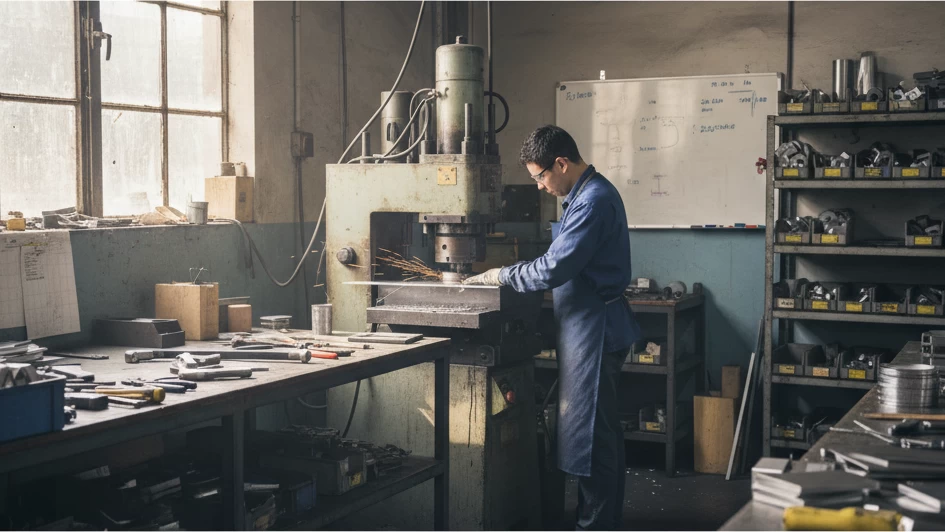
When it comes to creating fillet corners, machining is a reliable route. CNC machines excel at producing smooth, consistent rounded corner designs with high precision. Techniques like milling and grinding allow for exact fillet radius calculation to match design specs. Concave and convex edges can be controlled easily, which reduces stress concentration on mechanical parts. Proper tooling helps avoid sharp edges, making the part more durable and easier to handle.
Additive vs. Subtractive Processes
Additive manufacturing (3D printing) builds fillet corners layer by layer and is great for prototypes or complex shapes. It can include variable radius fillets that would be tough to machine. On the other hand, subtractive processes like CNC machining cut away material to form the fillet, offering tighter tolerances and smoother finishes. Choosing between them depends on your project’s material, load needs, and budget.
Quality Assurance and Measurement
Ensuring the fillet corner is correct involves precise measurement. Tools like coordinate measuring machines (CMMs) and optical scanners check the edge rounding and fillet radius. Consistent inspection helps catch deviations that could weaken the part or cause assembly issues. Staying on top of quality keeps manufacturing smooth and avoids costly rework later.
cURL Too many subrequests.
- Over-cutting: Removing too much material can weaken the corner. Use exact fillet radius specs and test-tool paths beforehand.
- Sharp transitions: Skipping the fillet or chamfer step can lead to stress risers. Always round edges to relieve stress.
- Tool wear: Dull tools create inconsistent fillets. Replace tooling regularly for consistent results.
- Inaccurate CAD data: Double-check your CAD edge rounding specs before manufacturing to avoid surprises.
By focusing on these areas, you’ll create durable fillet corners that perform well and look clean.
Niche Applications of Fillet Corners
Fillet corners show up in some pretty specific spots where their benefits go beyond just looking nice.
Fluid Dynamics and Aerodynamics
In these fields, a rounded corner design—like a smooth fillet—helps reduce drag and improve flow. Sharp edges cause turbulence, which slows things down. Applying the right fillet radius calculation here means better performance for things like airplane wings, car bodies, and even HVAC ducting.
Electronics and PCB Design
Fillets play a role in mechanical part rounding on circuit boards and component housings. They help with stress relief fillet points that prevent cracking during thermal expansion or mechanical stress. Rounded corners also aid in safer handling during assembly—no sharp edges to worry about.
Architectural and Furniture Elements
In architecture and furniture, fillet corners deliver both safety and style. They avoid sharp edges that could cause injury while offering a clean, smooth finish. Using variable radius fillets brings an aesthetic polish that fits well with modern designs and ergonomic needs.
Emerging Trends
Technology keeps pushing fillet corner use into new areas. Think 3D printing with additive processes allowing complex multi-radius fillets, or advanced CNC corner filleting that blends precision with efficiency. Even in consumer products, strategic fillet choices are enhancing durability, safety, and look—all tailored for the U.S. market’s demand for quality and usability.
Fillet corners aren’t just about rounding edges—they’re about smart design choices across plenty of industries.
 Italian
  English
  Spanish (Peru)
  German
  Korean
  Spanish (Spain)