
Discover the strength and durability of forged aluminum with insights on manufacturing, benefits, and top applications in automotive and aerospace.
The Forging Process How Forged Aluminum Achieves Unmatched Strength
Forged aluminum begins with careful material selection, often using alloys like 6061 or 7075 known for their excellent forgeability and mechanical properties. These alloys offer the perfect balance of strength, corrosion resistance, and versatility needed for high-performance components.
The process starts by heating the aluminum to a malleable state—hot enough to reshape but not melt. This critical step ensures the metal can be compressed and shaped effectively. There are two main forging methods: open-die forging, which allows for gradual shaping with repeated hammering, and closed-die forging, where the metal is pressed into precise shapes within custom dies. Both methods apply intense compressive forces, aligning the metal’s internal grain structure.
After forging, the aluminum undergoes heat treatment and machining to refine mechanical properties and achieve exact dimensions. Rigorous quality checks follow, focusing on grain alignment—a key factor for strength. During forging, the original coarse, cast grain structure transforms into tightly aligned grains. This metallurgical transformation significantly enhances tensile strength, fatigue resistance, and overall durability.
At Vast, our state-of-the-art forging facilities combine advanced equipment with expert knowledge to handle custom orders of any size. Whether it’s complex aerospace parts or high-performance automotive components, our process ensures unmatched strength and reliability in every forged aluminum piece.
Key Benefits of Forged Aluminum Strength Durability and Beyond
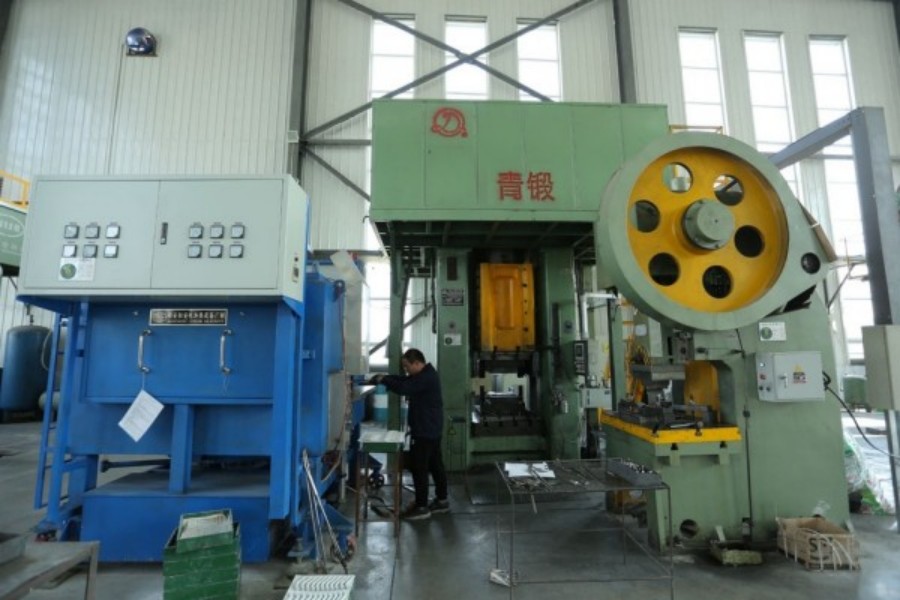
Forged aluminum stands out for its impressive strength and durability. Compared to cast aluminum, it offers 20–50% higher tensile strength and better fatigue resistance. That means it can handle stress and repeated use without cracking or breaking down.
Here’s what makes forged aluminum a top choice:
- Lightweight but tough: Perfect for applications where every pound counts, like aerospace and automotive parts.
- Natural corrosion resistance: Helps parts last longer, especially in harsh environments.
- cURL Too many subrequests.: This leads to more predictable performance and fewer weak spots.
- Cost-effective production: Less material waste and lower reject rates during high-volume runs save money.
Forged Aluminum vs Cast Aluminum Real World Numbers
| Property | Forged Aluminum | Cast Aluminum |
|---|---|---|
| Tensile Strength | 20–50% higher | cURL Too many subrequests. |
| cURL Too many subrequests. | Superior | cURL Too many subrequests. |
| Weight | Lighter due to uniformity | Slightly heavier |
| Corrosion Resistance | Natural and consistent | Varies by casting |
| Waste & Rejects | Lower in volume production | cURL Too many subrequests. |
Forged aluminum also addresses common failure problems seen with cast parts, like cracking under stress or impact. Its refined grain alignment reduces weak points, giving you parts that stand up to real-world use with less risk of failure.
Forged Aluminum vs Cast and Billet A Head-to-Head Comparison
Here’s a quick comparison of forged, cast, and billet aluminum to help you see which fits your project best:
| Feature | Forged Aluminum | Cast Aluminum | Billet Aluminum |
|---|---|---|---|
| cURL Too many subrequests. | Highest – 20–50% stronger, no voids | Medium – weaker, porosity issues | Very strong but less grain alignment |
| Cost | Moderate – tooling investment pays off with volume | Lowest – ideal for prototypes and small runs | Highest – expensive machining from solid block |
| Best Uses | Safety-critical parts, aerospace, automotive | Budget parts, prototypes, complex shapes | Custom high-performance parts, limited runs |
| cURL Too many subrequests. | Higher upfront cost, limited complex shapes | Weaker, prone to cracks under stress | cURL Too many subrequests. |
| cURL Too many subrequests. | cURL Too many subrequests. | cURL Too many subrequests. | cURL Too many subrequests. |
cURL Too many subrequests.
cURL Too many subrequests.
cURL Too many subrequests.
cURL Too many subrequests.
cURL Too many subrequests.
cURL Too many subrequests.
cURL Too many subrequests.
cURL Too many subrequests.
cURL Too many subrequests.
cURL Too many subrequests.
cURL Too many subrequests.
cURL Too many subrequests.
cURL Too many subrequests.
cURL Too many subrequests.
cURL Too many subrequests.
If you want dependable, custom forged aluminum, partner with Vast. We offer expert advice, tailored quotes, and top-notch quality backed by U.S.-based manufacturing and domestic alloy sourcing—helping you get the best forged aluminum for your needs.
 Italian
  English
  Spanish (Peru)
  German
  Korean
  Spanish (Spain)