
Discover high precision CNC machining with micron-level tolerances advanced multi-axis milling and trusted quality for aerospace and medical parts.
The Fundamentals of High Precision CNC Machining
High precision CNC machining is all about creating parts with extremely tight tolerance levels—meaning the finished components match exact specifications down to thousandths of an inch. But what exactly makes CNC capable of such accuracy?
At its core, CNC (Computer Numerical Control) machining uses computer-driven tools to shape materials with repeatable precision. The machine follows detailed digital instructions that control the tool’s movements in multiple axes, so every cut is consistent and exact. This digital control minimizes human error and allows for ultra-tight tolerances that would be impossible by manual machining.
Several key technologies drive this precision:
- Multi-axis machining controls: Many CNC machines operate on 3, 4, or 5 axes, allowing complex geometries to be cut smoothly without repositioning the part.
- High-quality tooling: Precision ground cutting tools maintain tight dimensions and extend tool life.
- Advanced feedback systems: Sensors and encoders provide real-time position data to keep the machine aligned perfectly.
- Stable machine frames: Rigid, vibration-dampening structures reduce tool deflection during cutting.
- Sophisticated software: CAM (Computer-Aided Manufacturing) programs optimize tool paths for smooth, efficient cuts and consistent spacing.
Together, these elements ensure CNC machining delivers parts with exceptionally tight surface finish standards and dimensional accuracy. Whether you need tight tolerance parts for aerospace or medical device machining, understanding these fundamentals helps you appreciate what goes into producing flawless, high-accuracy metal fabrication and plastic components.
Key Processes in High Precision CNC Machining
High precision CNC machining relies heavily on two core processes: CNC milling and turning. These methods are essential for creating parts with complex geometries and ultra-tight tolerances. CNC milling uses rotating cutters to remove material from a stationary workpiece, making it ideal for flat surfaces, slots, and intricate profiles. Precision CNC turning, on the other hand, spins the workpiece against a fixed cutting tool, perfect for cylindrical parts and features requiring smooth finishes.
To handle even more complex shapes and multi-dimensional parts, advanced techniques like 5-axis CNC machining come into play. This process allows the cutting tool to move in five directions simultaneously, offering unmatched flexibility and precision for aerospace and medical device components. Additionally, Electrical Discharge Machining (EDM) integration provides the ability to create extremely fine details and tight tolerances in hard materials that are tough to machine using traditional methods.
Together, these key processes ensure that high precision CNC machining meets the demands of industries requiring flawless accuracy and quality.
Materials and Their Role in Achieving Precision Outcomes
Choosing the right materials is key to getting the best results in high precision CNC machining. Metals and alloys are often the top picks for demanding applications because they offer strength, durability, and consistent machinability. Common choices include stainless steel, titanium, aluminum, and various tool steels. Each has its own balance of hardness and malleability, affecting how tightly we can hold CNC milling tolerances and achieve smooth CNC surface finish standards.
On the other hand, plastics and composites are gaining traction for lightweight parts that still require high accuracy. Materials like PEEK, UHMW, and carbon fiber composites work well when weight reduction and resistance to corrosion or chemicals are priorities. These materials also allow for tight tolerance parts but often need specialized tooling and machining strategies to avoid deformation or warping.
When selecting materials, we consider the end-use environment, mechanical properties, and machining behavior to deliver parts that meet both precision and functionality needs. This material knowledge ensures every part — whether a precision CNC turning job or a complex 5-axis machining project — meets strict quality standards for your specific industry.
Real-World Applications Industries Transformed by High Precision CNC
High precision CNC machining plays a huge role in industries where every tiny detail matters. In aerospace and automotive, tight tolerance parts are key to safety and performance. Think of aircraft engines or brake systems — these components need exact machining to meet strict standards and ensure reliability in tough conditions.
Medical device machining is another area transformed by precision CNC. From surgical instruments to implants, accuracy is non-negotiable to guarantee patient safety and device effectiveness. Plus, electronics benefit greatly too. As devices get smaller, CNC’s ability to handle miniaturization while maintaining sharp CNC surface finish standards ensures reliable, high-quality products.
These industries rely on multi-axis machining and precision CNC turning to push the limits of what’s possible, producing components that meet tight specs and high demands every single time.
Navigating Local Search Habits Finding High Precision CNC Services Near You
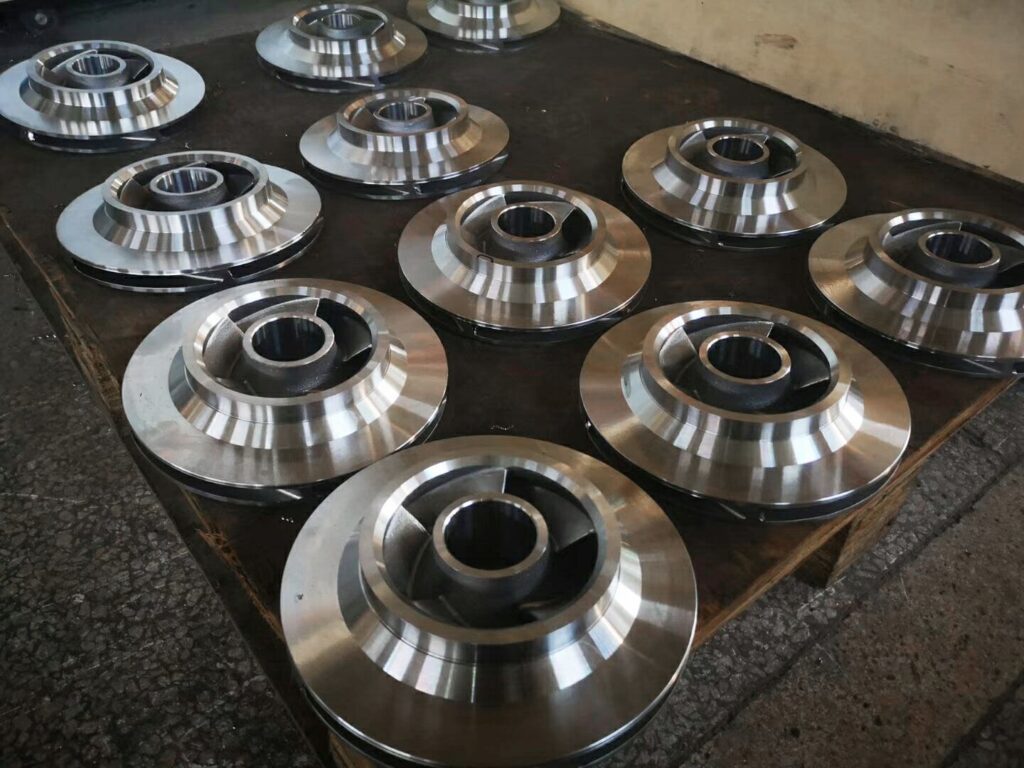
Finding high precision CNC machining services nearby can sometimes be tricky, especially when each region has different needs and specialties. In the U.S., industrial hubs like the Midwest and the South often have strong demand for aerospace CNC components and tight tolerance parts, while areas with growing medical sectors, like the Northeast, focus more on medical device machining and custom CNC prototyping.
Understanding Regional Variations in Demand and Availability
- Midwest and South: Heavy manufacturing regions, strong in precision CNC turning and milling for automotive and aerospace parts. They often have suppliers ready to handle high-accuracy metal fabrication.
- Northeast: Home to many medical device companies, so you’ll find more expertise in plastic and composite machining alongside metal.
- West Coast: Tech-driven markets here push for advanced 5-axis CNC precision and emerging multi-axis machining technologies.
Knowing what your local area excels in can help you connect with shops that have the right tools and experience for your specific needs.
Vast’s Localized Expertise Tailored Solutions for Your Area
At Vast, we understand these regional differences and tailor our CNC services accordingly. Whether you need ultra-tight tolerance parts or complex multi-axis machining, we provide solutions that fit your local market’s demands. Our team focuses on fast turnaround times, reliable quality, and custom prototyping to support your project right where you are.
If you’re searching for high precision CNC machining near you, Vast’s local expertise ensures you get the precision and service needed without the hassle of dealing with distant vendors.
cURL Too many subrequests.
cURL Too many subrequests.
cURL Too many subrequests.
- cURL Too many subrequests. cURL Too many subrequests.
- Tool wear: cURL Too many subrequests.
- cURL Too many subrequests. cURL Too many subrequests.
- cURL Too many subrequests. cURL Too many subrequests.
cURL Too many subrequests.
- cURL Too many subrequests.
- cURL Too many subrequests.
- cURL Too many subrequests.
- cURL Too many subrequests.
cURL Too many subrequests.
| Factor | Impact on Cost | cURL Too many subrequests. | cURL Too many subrequests. |
|---|---|---|---|
| cURL Too many subrequests. | cURL Too many subrequests. | cURL Too many subrequests. | Use smart machining techniques |
| Advanced machining (5-axis, EDM) | Higher upfront investment | Enables complex, precise parts | Apply selectively |
| Quality control | Adds inspection time | Ensures defect-free output | Automate inspections where possible |
| Material selection | Premium materials cost more | Essential for stability | Balance specs with budget |
In short, balancing precision and efficiency in high precision CNC machining is about smart planning, using the right tools, and knowing where to invest time and money. This approach keeps costs manageable while delivering parts that perform exactly as needed.
The Future of High Precision CNC Innovations and Trends
The future of high precision CNC machining is looking exciting, especially with new tech shaking things up. One big game-changer is AI-driven optimization. This means CNC machines can learn and adjust in real-time for even tighter tolerances and better surface finishes. It helps reduce waste, speeds up production, and ensures parts meet exact specs every time.
Hybrid manufacturing is also gaining ground. Combining additive processes like 3D printing with traditional CNC milling and turning gives us more freedom to create complex parts without extra costs. It’s perfect for tough applications needing custom CNC prototyping or multi-axis machining.
Sustainability is another key focus. Using energy-efficient machines and recycling materials cuts down environmental impact. Plus, scalable setups help local shops across the U.S. handle small or large runs without compromising precision or quality.
At Vast, we’re all about blending these new technologies with our know-how to deliver top-notch, high-accuracy metal fabrication and plastic component machining right where you need it. Our goal is to help businesses stay ahead with sustainable, reliable, and cost-effective precision CNC solutions tailored to today’s market.
 Italian
  English
  Spanish (Peru)
  German
  Korean
  Spanish (Spain)