
Discover the best straight knurling tool for precise grip patterns with adjustable depth, durable HSS wheels, and perfect lathe compatibility.
Understanding Straight Knurling Tools: Anatomy and Types
If you’ve ever wanted to add grip or texture to a metal shaft or handle, a straight knurling tool is your go-to gear. But what exactly makes up this tool, and what types are out there? Let’s break it down.
Core Components Breakdown
- Knurl Wheel: This is the star of the show—the patterned wheel that impresses the straight line texture onto your workpiece. It usually comes made of hardened steel or HSS, designed for durability.
- Holder Shank: The holder is the body you mount onto your lathe. It firmly holds the knurl wheels in place and connects to your tool post.
- Adjustment Screws: These let you fine-tune the pressure and alignment of the knurl wheels for a clean, consistent pattern.
Types of Straight Knurling Tools
- Bump-style (Straddle) Knurling: This classic setup uses two opposed wheels pressing inward, wrapping your workpiece with a crisp straight pattern. Great for heavier machines and standard metalwork.
- Scissor-style Knurling: A versatile type where wheels pivot like scissors, making it easier to adjust and suitable for light or precision knurling.
- Single-Wheel Push Style: The simplest form, pushing a single knurl wheel into the material. Perfect for small-scale or hobbyist projects with lighter lathes.
Pitch and TPI Guide With Material Matching
Pitch and TPI (teeth per inch) determine the fineness of your knurl pattern. Here’s a quick rundown:
| Pitch Type | TPI Range | Ideal Materials | Application |
|---|---|---|---|
| Fine Pitch | 60–80 TPI | Aluminum, brass | Soft metals, detailed grips |
| Medium Pitch | 40–60 TPI | Steel, stainless | General-purpose knurling |
| Coarse Pitch | 20–40 TPI | Hard steel, titanium | Heavy-duty, tactile surfaces |
Matching pitch with your material helps avoid damage and ensures the knurl lines look sharp and don’t tear out. Visual guides or sample tests are your best friends here.
Knowing your straight knurling tool’s parts and styles sets the stage for confident, clean knurling every time. Next up, we’ll dig into how to pick the right tool for your lathe and material.
Selecting the Right Straight Knurling Tool: Factors for Success
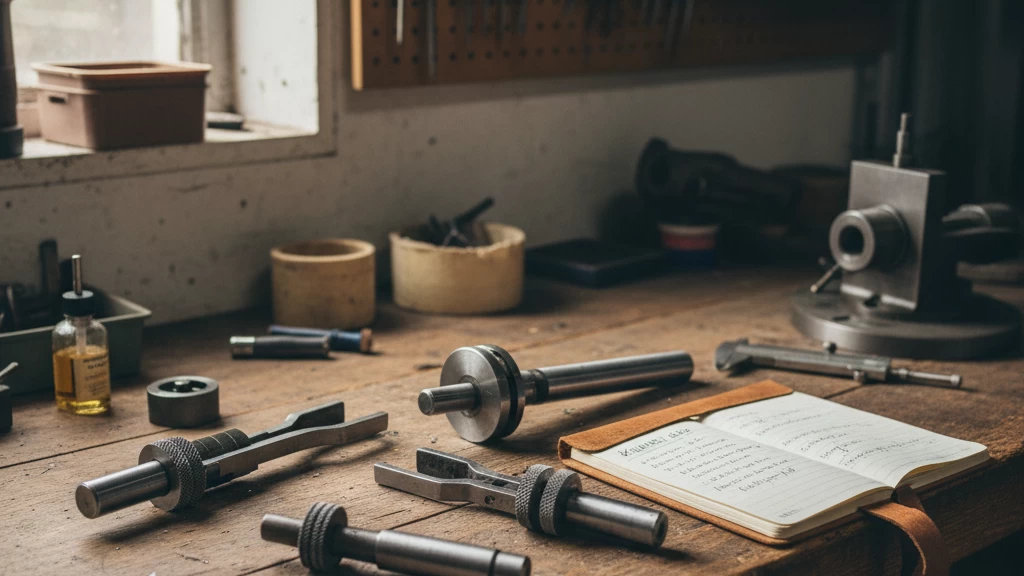
Choosing the right straight knurling tool depends on several key factors that ensure you get the best results for your projects.
Material Compatibility
Different metals need different knurling approaches. Aluminum, for example, is softer and requires less aggressive knurl wheels, while steel demands harder, often HSS knurl wheels to maintain sharp patterns without wearing out quickly. Matching your tool’s knurl pitch and TPI with the material is crucial for clean, precise metal knurling patterns.
Machine Fit
cURL Too many subrequests.
cURL Too many subrequests.
cURL Too many subrequests.
cURL Too many subrequests.
- cURL Too many subrequests. cURL Too many subrequests.
- cURL Too many subrequests. cURL Too many subrequests.
- cURL Too many subrequests. cURL Too many subrequests.
- cURL Too many subrequests.
cURL Too many subrequests.
- cURL Too many subrequests.
- cURL Too many subrequests.
- cURL Too many subrequests.
- cURL Too many subrequests.
cURL Too many subrequests.
cURL Too many subrequests.
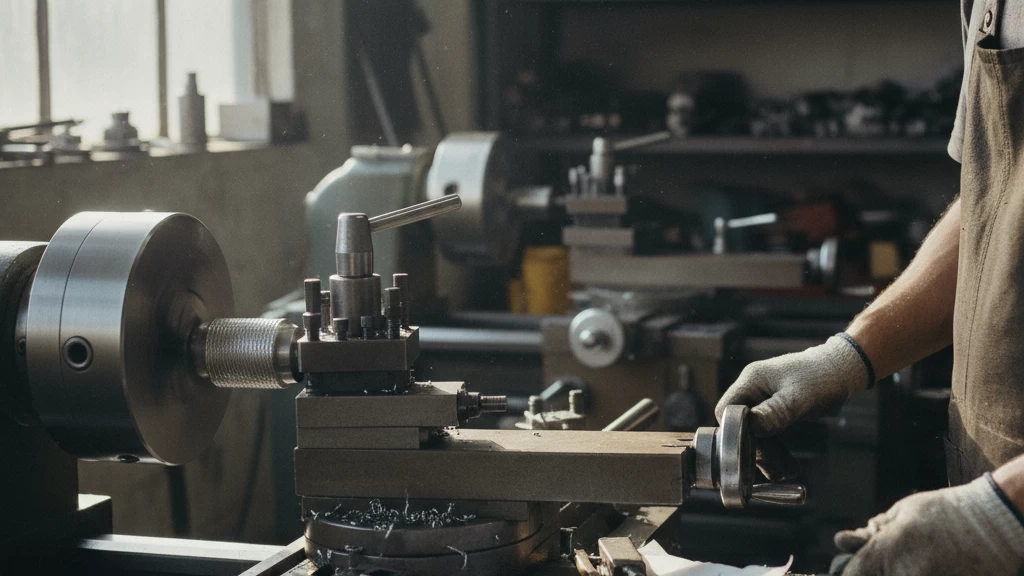
cURL Too many subrequests.
Before you start, make sure the blank diameter matches the knurl wheel pitch you’re using. The workpiece should be clean and securely fastened in the lathe chuck or collet to avoid any slip during knurling. Lightly chamfer the edges of the part to help the knurl start smoothly without damage.
Mounting the Tool Correctly
Set the straight knurling tool in the tool post with the holder shank firmly secured. Align the knurl wheel so it contacts the workpiece squarely—this prevents tilted patterns. Adjust the tool depth just enough to apply pressure without deforming the part. Remember, too much pressure can ruin the knurl and the blank.
Execution Techniques
Two common methods:
- Plunge Method: Press the knurl wheel into the workpiece steadily and hold it there as the lathe spins.
- Traverse Method: Slowly move the tool along the spinning blank for a continuous, even pattern.
Manage pressure carefully—steady but not excessive force produces the cleanest pattern without tool wear.
Speed and Feed Recommendations
| Material | Spindle Speed (RPM) | Feed Rate (IPM) | cURL Too many subrequests. |
|---|---|---|---|
| Aluminum | 250 – 400 | 0.002 – 0.005 | Softer metal, faster speeds work well |
| Steel | 100 – 200 | 0.001 – 0.003 | Slower feed prevents tearing |
| cURL Too many subrequests. | 150 – 300 | 0.002 – 0.004 | Moderate speeds for clean patterns |
Stay in the recommended range to avoid chatter, tearing, or uneven knurling.
Safety Notes
- Always wear safety glasses to protect against metal chips.
- Double-check that the workpiece is secure before starting.
- Avoid loose clothing or gloves that may get caught in the lathe.
- Keep hands clear of the rotating knurling wheel at all times.
Following these steps will help you get precise, high-quality knurl patterns every time you use your straight knurling tool.
Troubleshooting Common Straight Knurling Issues: Quick Fixes from the Shop Floor
Knurling doesn’t always go perfectly, especially when using a straight knurling tool on different metals or lathes. Here’s how to solve common problems quickly and get back to smooth, clean knurls.
Fixing Uneven Patterns and Double-Tracking
- Cause: Misaligned knurl wheel or uneven pressure.
- cURL Too many subrequests. Check that the tool holder and knurl wheels are square to the workpiece. Adjust pressure evenly—too much force can cause the pattern to double-track or look sloppy. Slowly increase pressure while running a test before plunging in fully.
Addressing Chatter and Tearing
- Cause: Running at wrong speed, poor lubrication, or tool sharpness.
- cURL Too many subrequests.
- Use proper RPM (refer to your tool’s pitch and material specs).
- Apply cutting oil or lubricant—metal knurling patterns come out cleaner with lubrication.
- Inspect knurl wheels for wear; replace dull HSS knurl wheels.
- Lower feed rate slightly for smoother results.
cURL Too many subrequests.
- Cause: cURL Too many subrequests.
- cURL Too many subrequests.
- cURL Too many subrequests.
- cURL Too many subrequests.
cURL Too many subrequests.
- Cause: cURL Too many subrequests.
- cURL Too many subrequests.
- cURL Too many subrequests.
- cURL Too many subrequests.
cURL Too many subrequests.
cURL Too many subrequests.
cURL Too many subrequests.
cURL Too many subrequests.
cURL Too many subrequests.
cURL Too many subrequests.
cURL Too many subrequests.
cURL Too many subrequests.
cURL Too many subrequests.
- cURL Too many subrequests. cURL Too many subrequests.
- Brass: Medium pressure with frequent lubrication helps avoid tearing.
- Titanium: Use high-quality HSS knurl wheels, keep speed low, and increase feed slightly for clean, sharp patterns.
cURL Too many subrequests.
Keep your knurl wheels and tools in top shape:
- Regularly clean off metal debris and oil buildup.
- Apply light machine oil to moving parts to prevent rust and wear.
- Inspect tooth wear often; dull knurls cause uneven patterns and more tool pressure.
Scaling Up: CNC Integration and Custom Knurl Fabrication
If your workshop is ready for it, CNC knurling heads make repeatable patterns easy at scale. Custom knurl wheels can also be ordered or fabricated to fit niche needs, like unique pitches or proprietary grip designs.
Pro Hack: Modular Wheel Sets for Faster Setup
Swapping wheels is faster and more precise if you invest in modular knurl sets. These let you quickly change pitch or style without remounting the entire tool holder, cutting downtime and improving workflow efficiency.
These tips help you get consistent results, save time, and experiment confidently—perfect for hobbyists and pros alike aiming to master straight knurling.
 Italian
  English
  Spanish (Peru)
  German
  Korean
  Spanish (Spain)