
Discover precision spline shafts with options in involute and straight-sided profiles built for high torque and custom manufacturing needs.
What Are Spline Shafts Core Anatomy and Functionality
Spline shafts are essential components designed to transfer torque between machinery parts while allowing relative movement along the shaft’s axis. At their core, spline shafts feature a series of ridges or teeth that mesh with grooves on a mating part, like a gear or hub. This interlocking design ensures precise torque transmission and alignment.
Basic Structure
- Shaft Body: The main cylindrical part that provides support and strength.
- Teeth or Splines: Evenly spaced ridges running lengthwise along the shaft.
- Heel and Root: The top (heel) and bottom (root) of each tooth, critical for fit and strength.
- Major and Minor Diameter: The shaft’s outer diameter (including teeth) and the inner base diameter between teeth.
How They Work
The splines engage with corresponding grooves to ensure the shaft rotates the connected component without slipping. This makes them perfect for precise, robust power transmission in demanding equipment.
Visual Aid
Think of the shaft like a key and lock system; the splines are the “teeth” that fit exactly into the corresponding grooves, preventing rotation slippage while allowing sliding if needed.
Vast’s Cold-Formed Spline Shafts
Vast specializes in cold-formed spline shafts—a process that strengthens metal through deformation without heat. This method offers high durability, tight tolerances, and cost-effective production. Cold-formed shafts stand out for their enhanced strength and surface finish, ideal for industries requiring reliable torque transmission.
If you want to explore custom options or get drawings, Vast provides expert support to tailor spline shafts to your exact needs.
Types of Spline Shafts Choosing the Right Profile for Your Needs
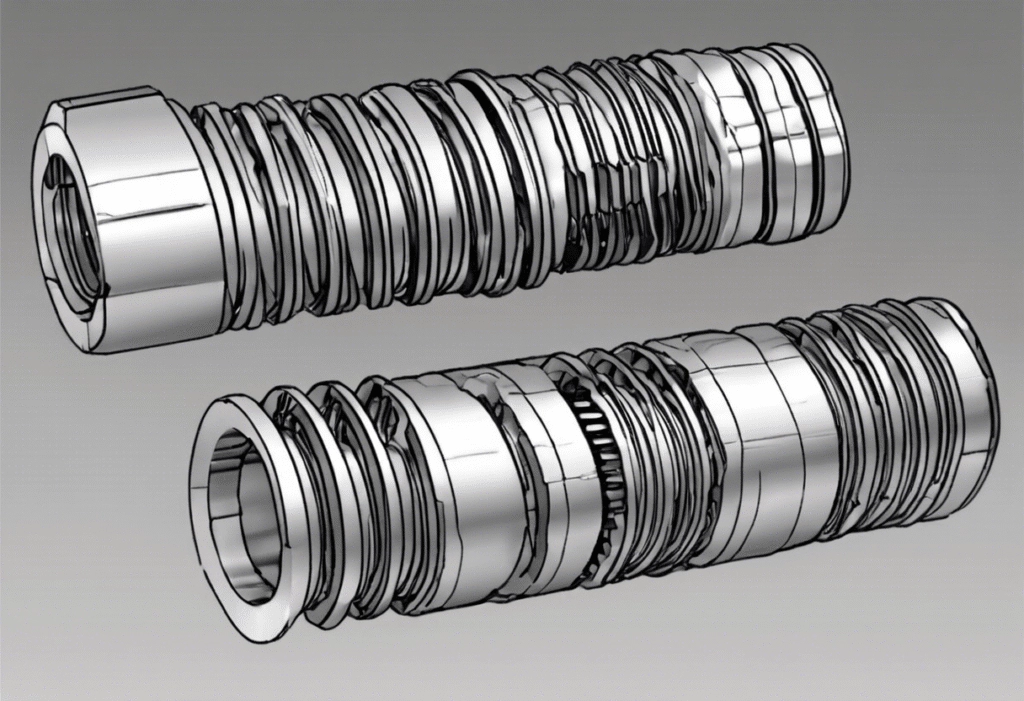
Spline shafts come in different profiles, each suited for specific tasks. Picking the right type helps improve performance and durability.
Straight-Sided Splines
- Design: Parallel sides with flat teeth.
- Uses: Common in simple torque transmission, like PTO spline shafts for farm equipment.
- Benefits: Easy to manufacture, good for medium torque loads.
Involute Splines
- Design: Curved tooth profiles that match gear teeth shapes.
- Uses: Widely used in automotive drive splines and heavy-duty gearboxes.
- Benefits: Better load distribution, reduced stress, and smoother torque transfer.
Serrations and Other Variants
- Design: Fine, closely spaced grooves.
- Uses: Often in hydraulic spline couplings and small torque applications.
- Benefits: Compact and able to handle rapid engagement and disengagement.
Comparison Table of Common Spline Shaft Types
| Spline Type | Tooth Shape | Typical Use Cases | Torque Capacity | Manufacturing Ease |
|---|---|---|---|---|
| Straight-Sided | Flat, parallel | PTO shafts, simple drives | cURL Too many subrequests. | cURL Too many subrequests. |
| cURL Too many subrequests. | cURL Too many subrequests. | cURL Too many subrequests. | High | cURL Too many subrequests. |
| cURL Too many subrequests. | cURL Too many subrequests. | cURL Too many subrequests. | Low to Medium | cURL Too many subrequests. |
cURL Too many subrequests.
cURL Too many subrequests.
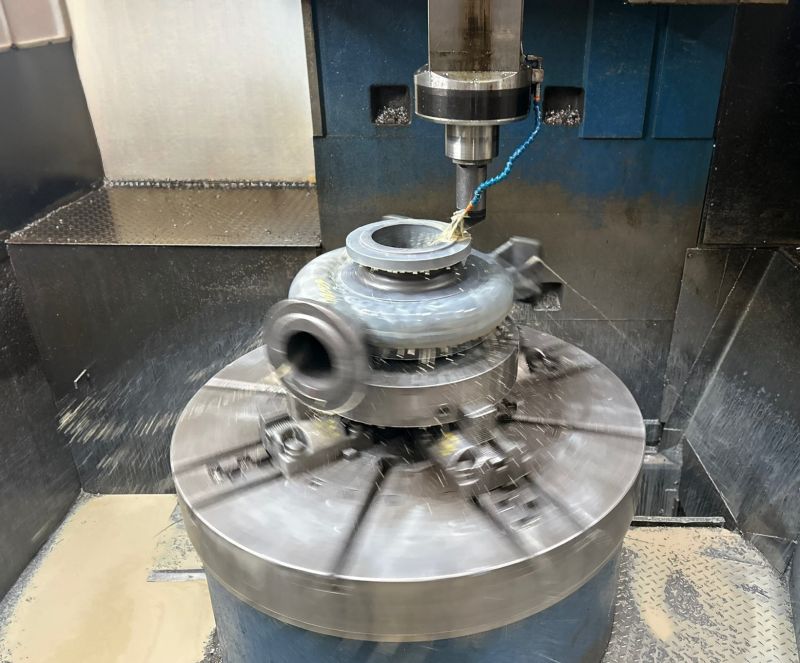
cURL Too many subrequests.
cURL Too many subrequests.
cURL Too many subrequests.
cURL Too many subrequests.
cURL Too many subrequests.
cURL Too many subrequests.
cURL Too many subrequests.
cURL Too many subrequests.
cURL Too many subrequests.
- cURL Too many subrequests.cURL Too many subrequests.
- cURL Too many subrequests.cURL Too many subrequests.
- Agriculture and Hydraulics: Tractors, harvesters, hydraulic couplings
- Renewable Energy and EVs: Electric vehicle drivetrains, wind turbines
Across these applications, the right spline shaft type and manufacturing precision ensure durability, reduced wear, and smooth, reliable torque transfer—no matter the job.
Advantages and Common Challenges Maximizing Spline Shaft Performance
Spline shafts are well-known for their ability to transfer torque efficiently and reliably, which makes them essential in many mechanical systems. Here’s a quick look at their main advantages, common challenges, and tips to get the most out of them.
Key Benefits of Spline Shafts
- Torque Transmission: Spline shafts provide a solid grip between connected parts, allowing smooth power transfer without slipping.
- Longevity: Properly designed spline shafts can handle heavy loads over long periods with minimal wear.
- Backlash Reduction: The precise fit of splines reduces play between mating parts, improving system accuracy and performance.
Common Challenges
| Challenge | Description |
|---|---|
| Misalignment | Can cause uneven wear and premature failure |
| Measurement Errors | Incorrect spline shaft tolerances affect fit and function |
| Failure Modes | Fatigue, wear, and corrosion are typical failure causes |
Tips to Maximize Performance
- Use Proper Lubrication: Prevents wear and reduces heat buildup in spline interfaces.
- Choose Correct Fit Classes: Match spline tolerances to your application to reduce backlash and avoid binding.
- Regular Inspection: Check for signs of wear, misalignment, or damage to catch issues early.
- Consider Prototyping Services: Partnering with specialists like Vast can help optimize spline designs before full production.
By following these guidelines, you can avoid common pitfalls and extend the life of your spline shafts, ensuring smooth and reliable operation in your equipment.
Sourcing and Maintenance Partnering with Vast for Custom Spline Shaft Solutions
When it comes to buying spline shafts, choosing between custom-made and off-the-shelf options depends on your specific needs. Vast offers both, helping local businesses in the U.S. find the right fit quickly. Custom spline manufacturing lets you tailor specs like spline shaft tolerances, material type, and heat treatments to match your project perfectly. Off-the-shelf spline shafts are great for standard requirements and faster turnaround.
Buying Guide for Spline Shafts
- Custom splines: Best for unique torque transmission shafts or specialized applications like automotive drive splines or hydraulic spline couplings.
- Standard splines: Ideal for common needs, like PTO spline shafts used in farming equipment.
- Material and finish: Check for cold-formed spline shafts or those made via broaching, depending on strength and surface quality needed.
- Tolerance and fit classes: Proper fit matters for smooth operation and minimizing wear.
cURL Too many subrequests.
Keeping your spline shafts in top shape means regular inspection and timely maintenance. Here’s what works:
- Regular visual checks: Look for wear, deformation, or corrosion.
- LubricationcURL Too many subrequests.
- cURL Too many subrequests.cURL Too many subrequests.
- cURL Too many subrequests.cURL Too many subrequests.
Vast Spotlight
cURL Too many subrequests.
cURL Too many subrequests.
 Italian
  English
  Spanish (Peru)
  German
  Korean
  Spanish (Spain)