
Explore casting and types of casting with vast’s expert guide covering key processes, materials, advantages, and best manufacturing uses.
What Is Casting and Why Does It Matter in Manufacturing
Casting is a manufacturing process where molten metal is poured into a mold, allowed to cool, and then solidified into a specific shape. This basic metal molding technique forms the foundation for producing everything from small intricate parts to large complex components used across industries.
Casting matters because it offers unmatched versatility and cost-effectiveness in manufacturing. It allows manufacturers to create parts that would be difficult or impossible to make through machining or forging. Whether you’re building automotive engines, aerospace components, or industrial machinery, casting helps turn raw metal into precise, ready-to-use parts quickly and efficiently.
By using casting, manufacturers can:
- Shape metals like aluminum, steel, and alloys into complex geometries
- Save production time and reduce material waste
- Produce large volumes with consistent quality
- Customize products to meet specific performance needs
In essence, casting is a critical step in modern manufacturing that combines craftsmanship with advanced engineering. It bridges the gap between design and function, empowering industries to innovate and deliver reliable products in the competitive U.S. market.
Key Steps in Every Casting Workflow
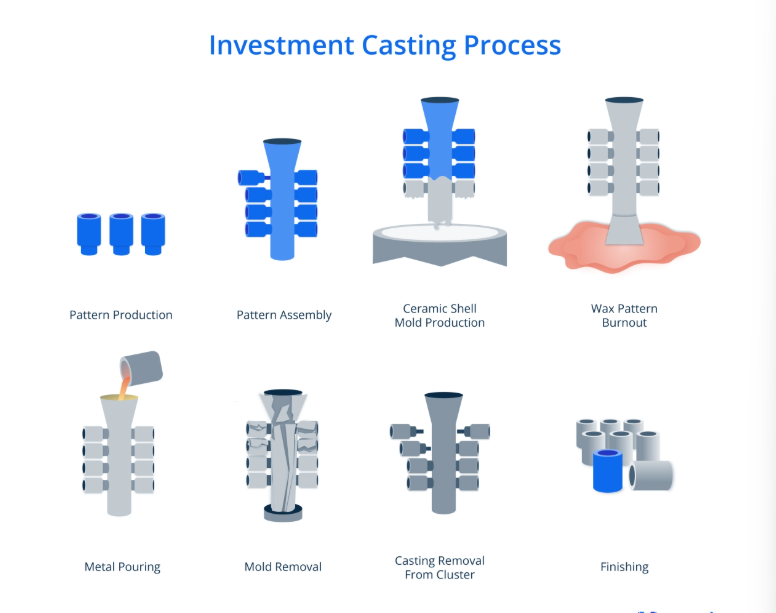
Casting may sound simple—pouring molten metal into a mold—but there’s a clear step-by-step process behind it. Understanding these steps helps ensure you get the right part with the right quality for your project. Here’s a quick breakdown:
- Pattern Making: Create a model of the part you want to cast. Patterns can be made from wood, plastic, or metal and shape the mold cavity.
- Mold Preparation: Use the pattern to form the mold, usually from sand or other materials depending on the casting type.
- Melting the Metal: Heat your metal to the right temperature until it melts, ready to pour.
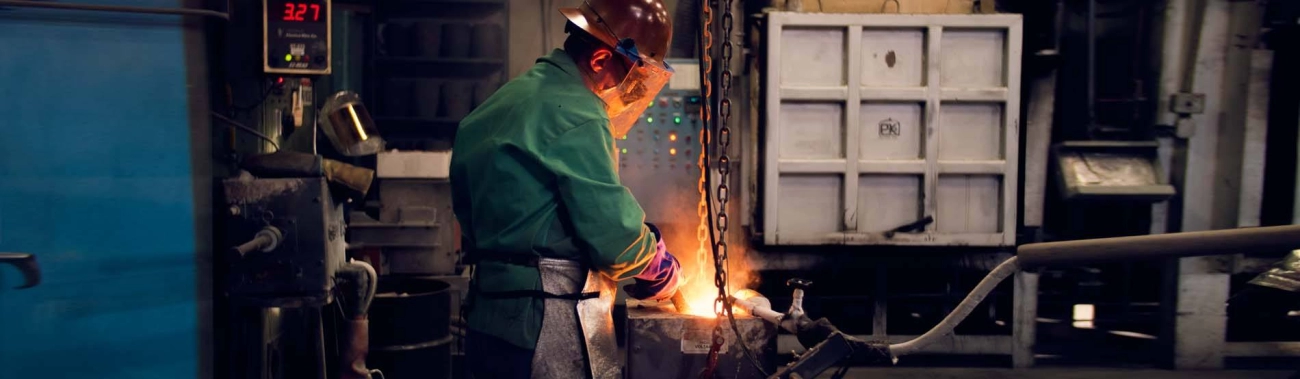
- Pouring: Carefully pour the molten metal into the prepared mold, filling the cavity.
- Cooling and Solidification: Let the metal cool and harden inside the mold.
- Removing the Casting: Break away or open the mold to remove the solidified cast part.
- Cleaning and Finishing: Clean the casting by removing excess material, smoothing rough edges, and applying any finishing processes.
Each step is critical for avoiding defects and ensuring your metal molding techniques maximize efficiency and quality. Whether you’re working with sand casting, die casting, or any other method, these basics stay the same.
The Fundamentals of the Casting Process Step-by-Step Breakdown
Tools and Equipment You Need for Successful Casting
To get casting right, having the right tools and equipment is a must. Whether you’re working on metal molding techniques like sand casting or more precise methods like die casting, these basics keep your process smooth and reliable.
Here’s what you’ll typically need:
- Molds and Patterns: These shape your molten metal. Depending on the casting type, you might use sand molds, permanent metal molds, or foam patterns for lost foam casting.
- Furnaces: To melt metals like aluminum alloys, a reliable furnace is key. Melting temperature and control affect the quality of the cast.
- Pouring Tools: Ladles or automatic injection systems help pour molten metal safely into molds. For pressure-heavy jobs like die casting, specialized injection machines come into play.
- Cooling Systems: Once poured, metal needs proper cooling. Some processes use air, water, or even vacuum systems to solidify the casting efficiently.
- Cleaning and Finishing Gear: After casting, you’ll need grinders, shot blasters, or chemical treatments to clean off residues and smooth out surfaces.
- 안전 장비: Casting involves hot metals and sharp tools, so gloves, face shields, and heat-resistant clothing are essential.
With the right equipment, each step from melting to finishing flows well, ensuring you avoid casting defects and get a strong, usable product.
1 Sand Casting Versatile and Cost-Effective for Large Parts
Sand casting is one of the oldest and most commonly used metal molding techniques in manufacturing. It involves creating a mold from a sand mixture, which is then packed around a pattern of the part you want to make. Once the mold is ready, molten metal is poured into the cavity and allowed to cool.
장점:
- Highly versatile, works with almost any metal
- Cost-effective for large parts and low-volume production
- Easy and quick to produce molds
- Ideal for complex shapes that don’t require fine detail
단점:
- Surface finish is rough compared to other methods
- Lower dimensional accuracy
- Mold materials are expendable and used only once, which can increase waste
Best Uses:
- Large parts like engine blocks, pump housings, and heavy machinery components
- Low to medium production runs where tooling cost is a concern
- Applications where high detail isn’t a priority but strength matters
If you’re working with aluminum casting alloys or need to produce big parts without breaking the bank, sand casting is often the go-to solution. Its flexibility makes it popular across industries, including automotive and construction equipment manufacturing.
Die Casting High-Volume Precision with Pressure
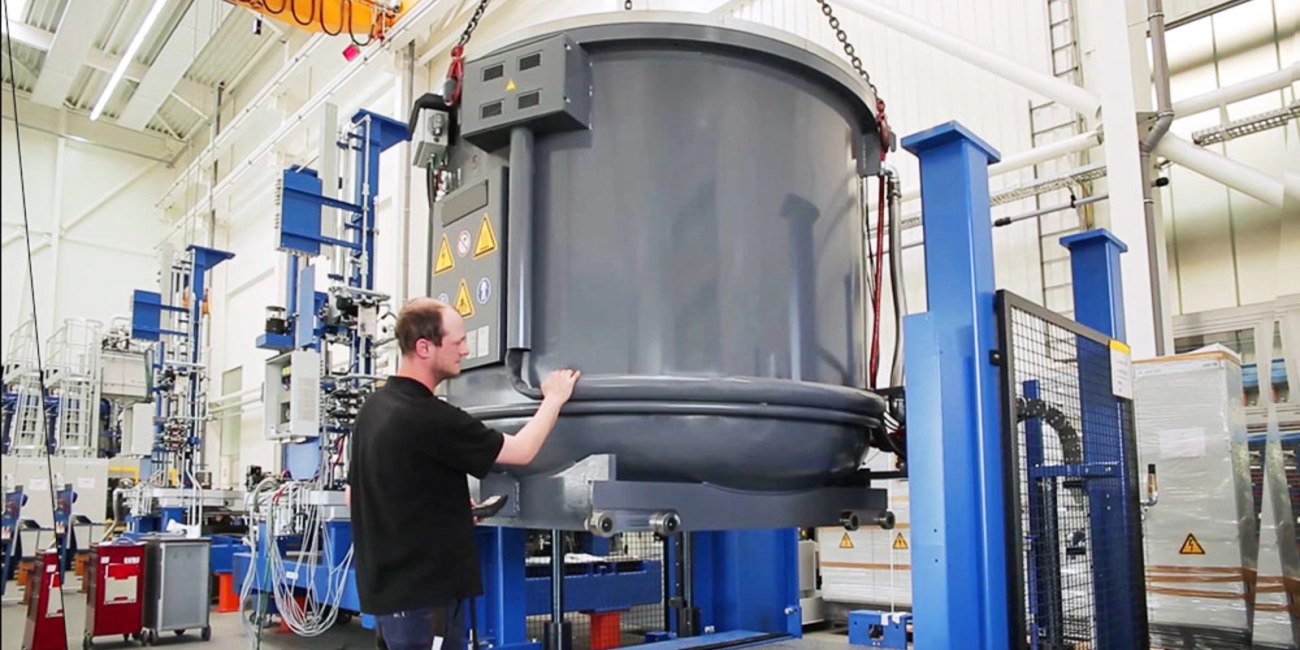
Die casting is a popular metal molding technique used for producing large volumes of parts with excellent accuracy and smooth finishes. In this process, molten metal is injected under high pressure into steel molds called dies. This high pressure ensures the metal fills every detail of the mold, resulting in precise and consistent parts.
Pros of Die Casting
- High Production Speed: Great for mass production runs.
- Excellent Surface Finish: Parts come out smooth, reducing the need for extra machining.
- Good Dimensional Accuracy: Tight tolerances are achievable.
- Strong Parts: The high-pressure injection creates dense, durable components.
Cons of Die Casting
- 높은 초기 비용: Creating steel dies is expensive and time-consuming.
- Material Limitations: Best suited for non-ferrous metals like aluminum, zinc, and magnesium.
- Part Size Restrictions: Dies limit the size and weight of parts produced.
Best Uses for Die Casting
- Automotive components like engine blocks and brackets.
- Consumer electronics housings.
- Appliance parts requiring precise dimensions.
- Any industry needing consistent, high-volume production with a fine finish.
Die casting stands out when you need tight tolerances and smooth parts fast, especially for metals like aluminum and zinc alloys. This makes it ideal for many manufacturing sectors across the U.S. where both precision and volume matter. For more on metal casting methods, check out our detailed guide on the casting process.
Investment Casting Lost Wax Intricate Details for Aerospace
Investment casting, also known as lost wax casting, is a popular metal molding technique prized for producing parts with intricate details and excellent surface finishes. This process starts by creating a wax model of the desired component. The wax model is then coated with a ceramic shell, which hardens and forms a mold. Once the ceramic is set, the wax is melted away—hence the name lost wax casting—leaving a detailed cavity to pour molten metal.
This method is especially valuable in aerospace and other industries where precision and complexity matter. It works well for making complex shapes that other casting types struggle with, including thin walls and intricate patterns. Investment casting supports a variety of metals and alloys, including aluminum casting alloys, stainless steel, and superalloys.
장점:
- High precision and fine detail
- Excellent surface finish, reducing or eliminating machining
- Can cast complex and thin-walled parts
- Suitable for a wide range of metals
단점:
- Higher cost compared to simpler casting methods
- Longer production time due to mold preparation
- Limited to smaller parts or medium-sized components
Best Uses:
- Aerospace components with tight tolerances
- Medical instruments
- Jewelry and artistic metalwork
- Turbine blades and engine parts
Investment casting remains a top choice when you need precision metal casting that’s reliable and consistent, especially for high-value applications where every detail counts.
Permanent Mold Gravity Die Casting Reusable for Medium Runs
Permanent mold casting, also known as gravity die casting, uses a reusable metal mold instead of sand or other expendable materials. Molten metal is poured into the mold by gravity, filling the cavity without extra pressure. This process is great for medium production runs where you want better surface finish and tighter tolerances than sand casting, but don’t need the high volume or complexity of die casting.
장점
- Reusable metal molds cut down on per-part costs for medium runs
- Better surface finish and dimensional accuracy compared to sand casting
- Good control over part thickness and mechanical properties
- Less post-casting work needed
단점
- Higher initial mold cost than sand casting
- Mold wear limits the total number of parts made
- Not as suited for very complex shapes or very high volumes
추천 용도
- Automotive parts like pistons and brackets
- Hardware components with moderate complexity
- Production runs from a few hundred to a few thousand parts where quality and cost balance is important
Permanent mold gravity die casting is a practical choice if you want reusable tooling with consistent quality for mid-sized manufacturing projects. It blends cost-effectiveness with improved precision, ideal for many U.S.-based small to medium manufacturers.
Centrifugal Casting Strength for Pipes and Cylinders
Centrifugal casting is a specialized process where molten metal is poured into a spinning mold. The spinning action forces the metal outward, creating a dense, strong layer that’s perfect for making pipes, cylinders, and rings. This method is especially popular in industries that demand high strength and uniformity, like water pipes, automotive parts, and heavy machinery components.
장점:
- Produces parts with excellent density and mechanical strength
- Reduces impurities by pushing them to the center, which can be removed
- Great for cylindrical shapes and hollow parts
- Minimal porosity and defects compared to other casting methods
단점:
- Limited to round or tubular shapes, not ideal for complex geometries
- Higher initial setup cost due to specialized spinning equipment
- Not suitable for small-volume production runs
Best Uses:
- Manufacturing metal pipes and tubes
- Making flywheels, bushings, and bearing shells
- Producing high-strength cylinder components in automotive and aerospace sectors
If you need strong, uniform castings for round parts, centrifugal casting is a reliable choice that combines strength with precision in metal molding techniques.
Plaster Mold Casting Smooth Finishes for Prototypes
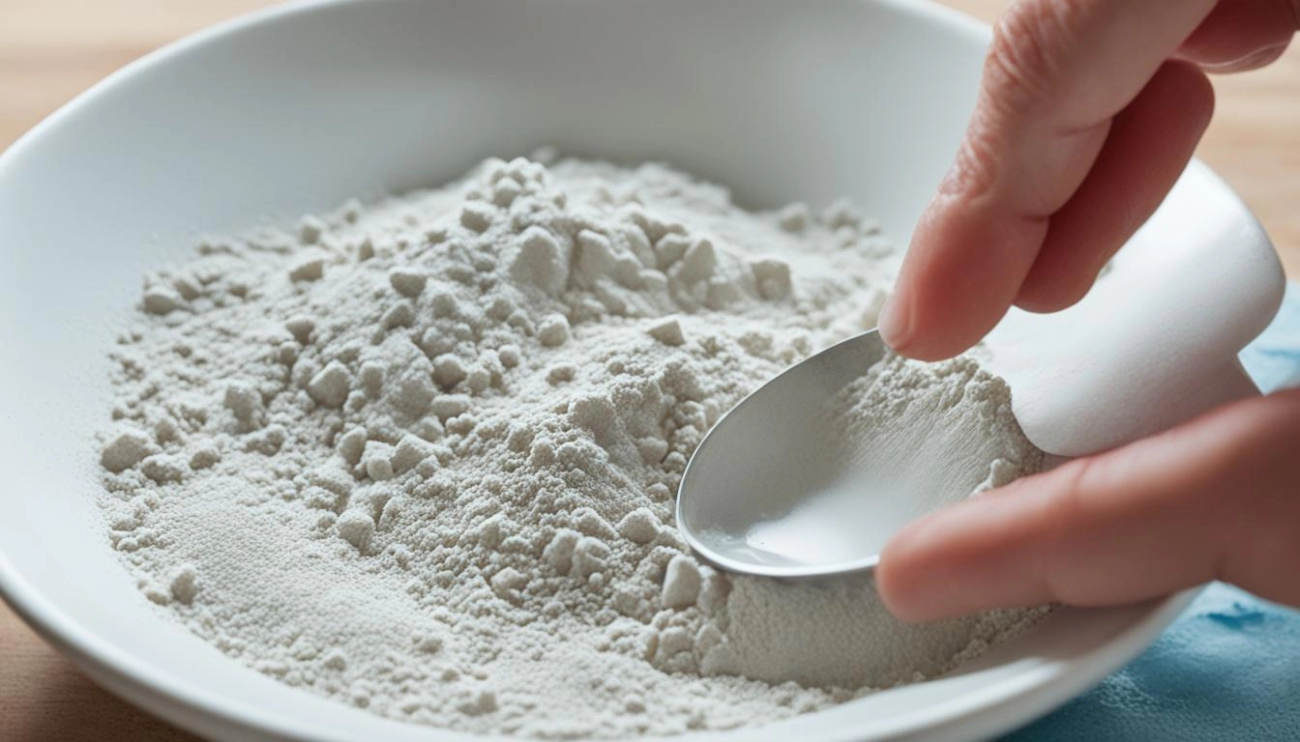
Plaster mold casting is a great choice when you need smooth, detailed surfaces—perfect for making prototypes or small production runs. It uses a mixture of plaster and other materials to form the mold. This mold holds a lot of fine details because plaster doesn’t have the grainy texture you find in sand casting.
장점:
- Produces smooth surface finishes with minimal post-processing needed
- Captures fine details, ideal for complex shapes and intricate patterns
- Lower mold costs compared to metal molds
- Good for low to medium volume production
단점:
- Mold strength is lower, so it’s not suitable for heavy metals or large parts
- Longer mold-making time than sand casting
- Plaster molds break down after one use, so new molds are needed for each casting
Best Uses:
- Prototyping and custom parts with tight detail requirements
- Casting non-ferrous metals like aluminum, brass, or bronze
- Small batch runs where surface finish matters
If you want smooth metal parts that stand out right out of the mold without heavy finishing, plaster mold casting is an efficient, cost-effective method that checks those boxes. It fits nicely in manufacturing workflows that prioritize fine detail over mass production.
Lost Foam Casting Foam Patterns for Complex Shapes

Lost foam casting uses foam patterns that are coated with a refractory material and then surrounded by sand. When molten metal is poured in, the foam vaporizes, leaving behind the exact shape of the pattern. This makes lost foam casting ideal for creating complex geometries and detailed parts without the need for cores or extensive tooling.
ProsExcellent for intricate, complex shapes
Minimal machining required after casting
Reduces part count by allowing integral features
Good surface finish compared to sand casting
Uses less tooling, cutting costs for small to medium runsConsFoam patterns can be fragile and tricky to handle
Limited to certain metals, mostly aluminum and cast iron
Requires careful control of pouring conditions to prevent defectsBest Uses
Lost foam casting works great for automotive components, pump housings, and parts with complicated internal passages. Its ability to accurately reproduce fine details makes it a preferred choice for prototypes and functional production parts where design complexity is high.
If you want more details on metal molding techniques, check out our guide on the fundamentals of the casting process.
Continuous Casting Efficient for Bars and Slabs
Continuous casting is a popular metal molding technique used mainly for producing long bars, slabs, and sheets. It involves pouring molten metal into a cooled mold, where it solidifies as it’s continuously pulled out. This method is efficient for high-volume production and minimizes waste, making it a go-to choice in steel and aluminum manufacturing.
장점
- High production speed and efficiency
- Consistent quality and surface finish
- Less metal waste compared to traditional casting
- Ideal for large-scale industrial manufacturing
단점
- High initial equipment investment
- Limited to certain shapes like slabs, billets, or bars
- Less flexible for complex or small parts
추천 용도
- Manufacturing steel and aluminum bars
- Producing slabs for rolling mills
- Industries requiring uniform metal sections with tight control on quality
In the U.S., continuous casting supports heavy industries like automotive and construction by providing reliable metal forms quickly and cost-effectively. It’s a smart option when you need consistent metal pieces in volume without sacrificing quality.
Vacuum Casting Defect-Free for High-Quality Alloys
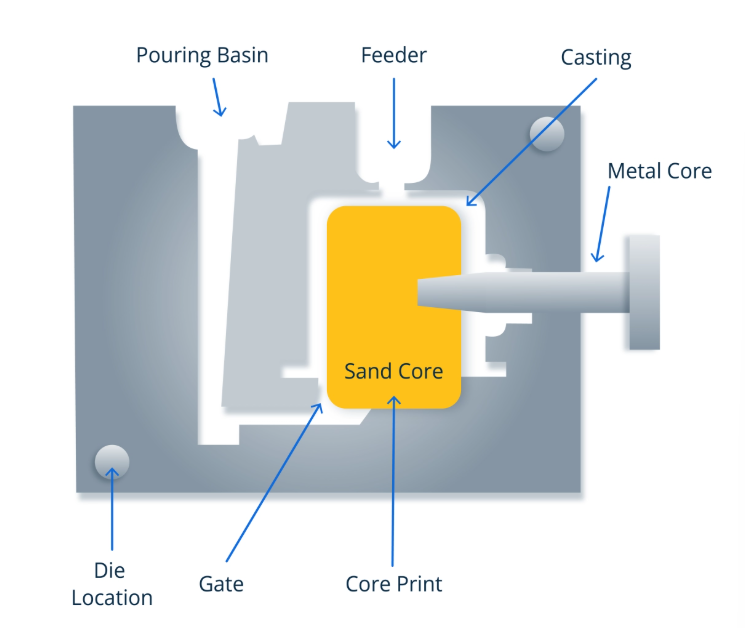
Vacuum casting is a great choice when you need metal parts with minimal defects and high-quality alloy integrity. This process uses a vacuum to draw molten metal into the mold, which reduces air bubbles and impurities. That means fewer casting defects like porosity or contamination, making it ideal for critical parts where strength and precision are a must.
ProsProduces parts with excellent surface finish
Minimizes gas porosity for stronger components
Great for casting aluminum alloys and other metals prone to oxidation
Ideal for aerospace, automotive, and medical applications needing tight tolerancesConsHigher equipment and setup costs compared to sand or die casting
Slower production cycles, less suited for mass manufacturing
Requires skilled operators to maintain vacuum environmentsBest Uses
Vacuum casting shines when working with sensitive alloys such as stainless steel and titanium. If you’re after consistent quality in aerospace parts or medical devices, this method offers reliability and precision you can count on. It’s less common in general manufacturing due to cost but worth it for high-performance needs.
Ceramic Mold Casting Heat-Resistant for Precision
Ceramic mold casting is a go-to method when you need detailed, heat-resistant parts. It involves creating a ceramic shell around a wax or plastic pattern, which is then melted away to leave a perfect mold cavity. This process works great for precise metal components that have to withstand high temperatures.
장점:
- Excellent surface finish and fine details
- Can handle metals with high melting points like steel and nickel alloys
- Durable molds that maintain shape during casting
단점:
- Longer production times compared to some other methods
- Higher costs due to mold materials and complexity
- Not ideal for very large parts
Best Uses:
- Aerospace and automotive parts requiring precise tolerances
- Heat-resistant components like turbine blades
- Complex shapes needing smooth finishes
If you’re looking for precision and heat resistance in your cast parts, ceramic mold casting offers a reliable option with excellent results.
Comparison Table Choosing the Right Casting Type
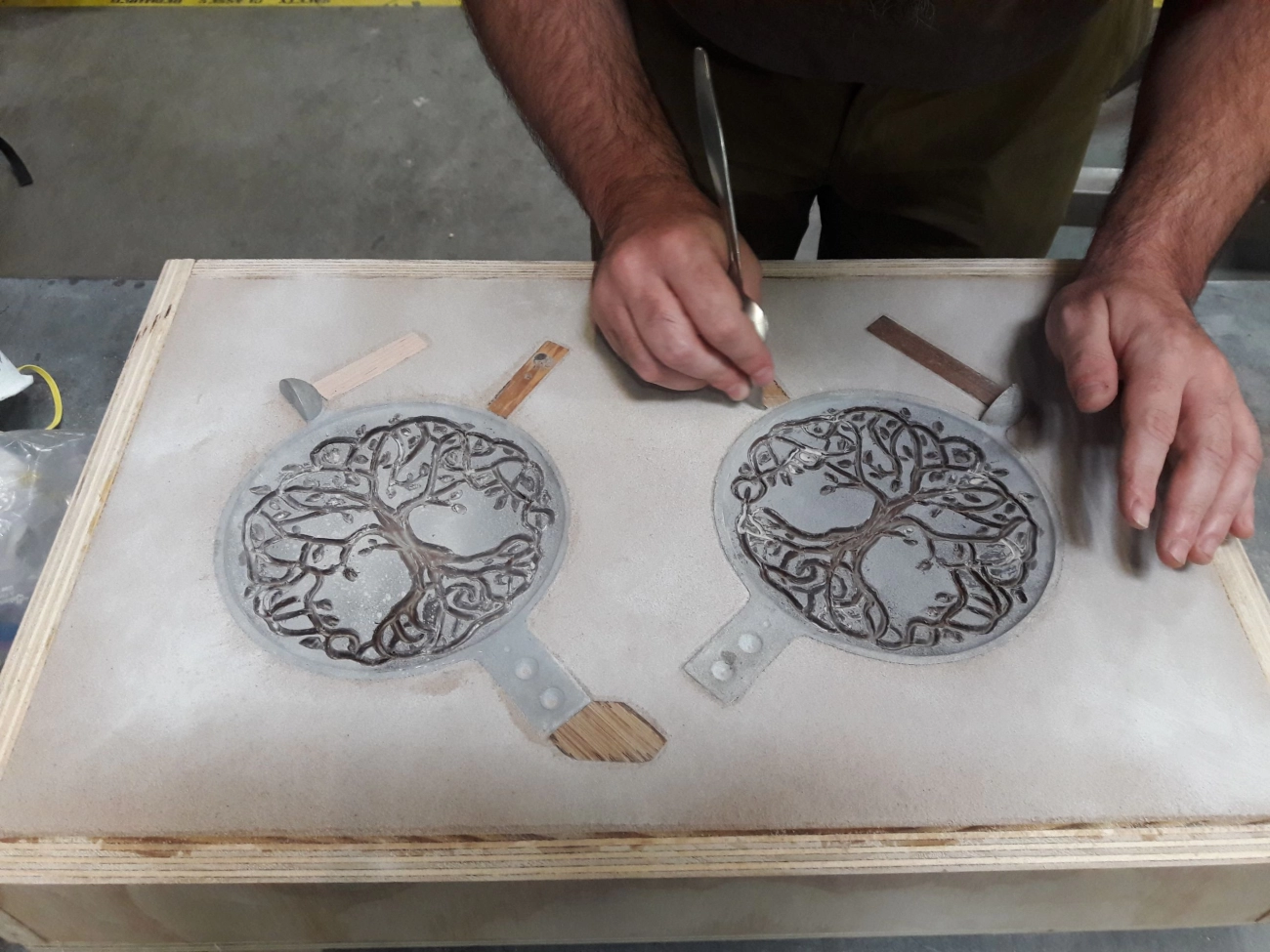
When deciding on the best casting process for your project, it helps to weigh the pros, cons, and best uses of each method. Here’s a quick comparison of the 10 main types of casting processes to guide your choice:
| Casting Type | 장점 | 단점 | 추천 용도 |
|---|---|---|---|
| Sand Casting | Versatile, low cost, good for large parts | Rough surface finish, slower production | Large metal parts, prototypes |
| Die Casting | High precision, fast production | High tooling costs, limited to non-ferrous metals | Mass production, automotive parts |
| 정밀 주조 | Extremely detailed, smooth finish | Expensive, time-consuming | Aerospace parts, jewelry |
| Permanent Mold Casting | Reusable mold, good surface finish | Limited shapes, mold wear over time | Medium-run castings |
| Centrifugal Casting | Strong, dense parts, fewer impurities | Limited to symmetrical shapes | Pipes, cylinders |
| Plaster Mold Casting | Smooth surfaces, good detail | Mold is fragile and single use | Prototypes, intricate parts |
| Lost Foam Casting | Complex shapes with no cores needed | Foam pattern cost, longer cycle times | Complex automotive parts |
| Continuous Casting | Efficient, consistent output | High setup cost | Bars, slabs, metals in large volumes |
| Vacuum Casting | Defect-free, high-quality alloys | Expensive equipment and process | High-performance alloys |
| Ceramic Mold Casting | Heat-resistant, precise details | Slow process, costly molds | Precision parts, heat-resistant alloys |
Use this table as a quick guide to narrow your options based on project size, budget, precision needs, and production volumes. Each casting method has a unique niche, so choosing the right type helps you get the best balance of quality and cost for your manufacturing goals.
Common Challenges in Casting and How to Overcome Them
Top Defects and Prevention Strategies
Casting is a reliable manufacturing method, but it comes with common defects you should watch for. Spotting and preventing these issues early saves time, money, and improves quality. Here are the top casting defects and how to avoid them:
- PorositySmall holes or gas pockets form inside the casting, weakening the metal.
예방: Use proper venting in molds and control the pouring temperature to reduce trapped gases. - Cold ShutsOccur when two liquid metal streams don’t fuse properly, causing weak spots or seams.
예방: Maintain steady pouring temperature and speed for smooth metal flow. - Shrinkage CavitiesCaused by metal shrinking as it cools, leaving voids inside the casting.
예방: Design molds with proper feeders or risers to supply extra metal during solidification. - Surface CracksDevelop due to rapid cooling or uneven mold temperatures.
예방: Keep mold temperatures consistent and avoid overheating metal. - MisrunsWhen metal solidifies before filling the mold completely, resulting in incomplete parts.
예방: Use proper metal temperature and pour quickly with adequate pressure. - InclusionsNon-metallic materials trapped inside casting from impurities or mold material.
예방: Use clean metal and high-quality mold materials, plus proper filtering.
By understanding these common issues—porosity, cold shuts, shrinkage, cracks, misruns, and inclusions—you can implement simple steps to boost your casting success. This makes casting more efficient and reliable, especially for US manufacturers focusing on quality and cost-effectiveness.
Material Selection Guide for Different Casting Types
Choosing the right material is critical for successful casting. Different casting types work better with certain metals and alloys, so picking the right one helps avoid defects and improves the final product’s performance. Here’s a quick guide to material choices based on common casting methods:
- Sand Casting: Works well with a variety of metals including cast iron, steel, aluminum, and bronze. Its flexibility makes it ideal for large parts where cost is a factor.
- Die Casting: Best suited for non-ferrous metals like aluminum, magnesium, and zinc alloys. These materials melt easily and flow well under pressure, giving precise, smooth results.
- Investment Casting (Lost Wax): Great for stainless steel, titanium, and other high-performance alloys. This process handles complex shapes with fine details, especially useful in aerospace.
- Permanent Mold (Gravity Die Casting): Mainly used with aluminum and magnesium alloys. It’s great for medium-production runs where reusable molds are needed.
- Centrifugal Casting: Often used with steel, cast iron, and copper alloys. This method is ideal for cylindrical parts like pipes and rings that need dense, uniform metal.
- Plaster Mold Casting: Works best with aluminum, cast iron, and some steels. It delivers smooth surface finishes, making it good for prototypes and small parts.
- Lost Foam Casting: Typically used with gray cast iron and aluminum alloys. It handles complex shapes, reducing machining and waste.
- Continuous Casting: Primarily used for steel and aluminum slabs or billets. Materials must have good flow and solidification characteristics for long, continuous production.
- Vacuum Casting: Suitable for aluminum and other high-purity alloys where defect reduction is crucial. It’s often used for aerospace and automotive parts requiring high strength and quality.
- Ceramic Mold Casting: Works best with steels and superalloys that need high heat resistance and precise detail.
빠른 팁
- Match the material’s melting point with the casting process temperature.
- 고려하기 alloy characteristics like strength, corrosion resistance, and machinability.
- Evaluate production volume – some materials are more cost-effective at scale.
- Think about the final product’s use to ensure durability and performance.
Selecting the right metal or alloy based on the casting type keeps your project on track and cuts down on common manufacturing headaches.
Real-World Applications Where Casting Drives Innovation Casting in Automotive Aerospace and Beyond
Casting plays a huge role in shaping industries like automotive and aerospace here in the U.S. It’s the go-to metal molding technique when you need strong, precise parts made quickly and at scale.
In automotive manufacturing, casting is essential for parts like engine blocks, transmission cases, and brake components. Sand casting and die casting are popular because they handle complex shapes and high volumes well. Using aluminum casting alloys helps make vehicles lighter and more fuel-efficient, which is a big deal in today’s market.
In 항공 우주, precision metal casting methods such as investment casting (also called lost wax casting) are favored. They deliver intricate details and tight tolerances needed for turbine blades and critical engine parts. Vacuum casting also helps produce defect-free components that stand up to harsh conditions.
Beyond those, casting is key in making everything from industrial machinery parts to medical tools. Centrifugal casting lends strength to pipes and cylinders used in construction and energy sectors.
In short, casting allows U.S. manufacturers to innovate by turning complex designs into reliable, durable parts that keep industries moving forward.
Partner with Vast for Expert Casting Solutions
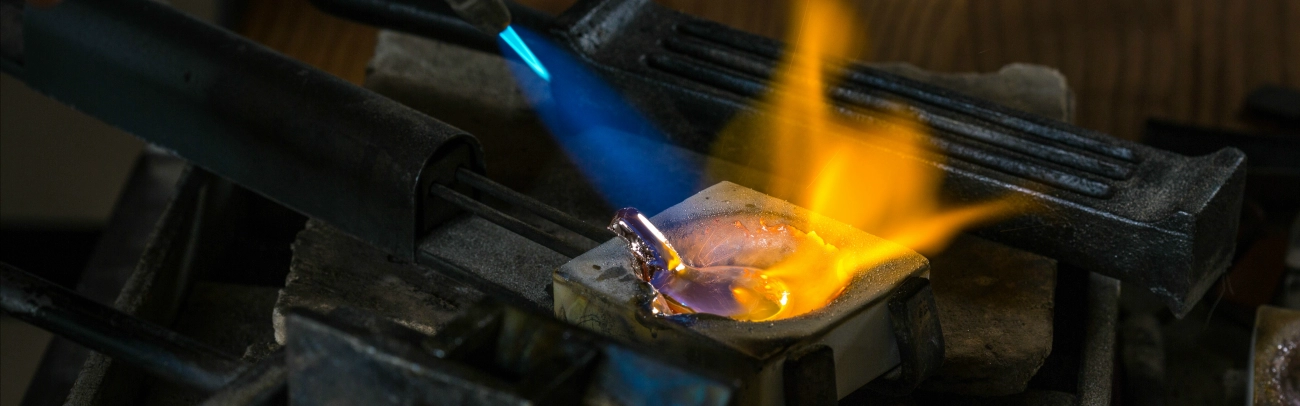
When it comes to casting and types of casting, partnering with an experienced expert makes all the difference. Vast offers reliable, tailored casting solutions to meet your specific manufacturing needs across the United States. Whether you need metal molding techniques like sand casting, die casting, or investment casting, Vast’s team understands the best practices to deliver quality and precision every time.
Here’s why working with Vast benefits your project:
- Wide Range of Casting Types: From gravity die casting to vacuum casting, Vast covers all major processes.
- Custom Solutions: We tailor materials and methods based on your product requirements and volume.
- Quality Focus: Our approach minimizes manufacturing casting defects, ensuring high-quality results.
- On-Time Delivery: Localized production means faster turnaround, keeping your project on schedule.
- Expert Guidance: We help you choose the right casting type — balancing cost, precision, and durability.
For U.S. businesses looking to push innovation or scale production, Vast is the go-to partner for precision metal casting and metal molding techniques. Reach out today and see how Vast can streamline your casting workflow with dedicated support and industry expertise.
FAQs Section
What is casting and why is it important in manufacturing?
Casting is a metal molding technique where molten metal is poured into a mold to create parts. It’s key in manufacturing because it allows for complex shapes, large parts, and cost-effective production.
Which casting method should I choose for my project?
It depends on your needs:
- Use sand casting for large, simple parts on a budget.
- Choose die casting for high-volume, precise parts.
- Investment casting fits intricate, detailed components.
- Centrifugal casting works well for pipes and cylinders.
What are the common defects in casting?
Typical issues include porosity, cracks, and warping. These defects can often be prevented by proper mold design, material selection, and controlling cooling times.
Can I cast aluminum parts locally?
Yes, aluminum casting alloys are popular in the U.S. for their lightweight and strength. Methods like sand casting and die casting are often used for aluminum.
How does vacuum casting help in manufacturing?
Vacuum casting reduces gas and impurities, resulting in defect-free, high-quality alloy parts. It’s great for aerospace and automotive uses.
Is investment casting expensive?
It can be pricier than other methods but offers unmatched detail and precision, making it worth the cost for complex or aerospace components.
What equipment do I need for small-scale casting?
Basic tools include:
- A furnace or melting source
- Molds (sand, plaster, or ceramic)
- 안전 장비
- Pouring tools
How do I select the right casting process for prototypes?
Consider:
- Plaster mold casting for smooth finishes
- Lost foam casting for complex shapes
- Sand casting for quick, cost-effective prototypes
If you have more questions about casting and types of casting, feel free to reach out. We can help find the right solution for your project needs.
 Korean
  Chinese
  English
  Spanish (Peru)
  German
  Spanish (Spain)
  Italian