
Discover everything about artificial knees including types, surgery, recovery, benefits, risks, and latest innovations for knee replacement care.
What Are Artificial Knees
Artificial knees, also called knee prostheses, are medical devices designed to replace damaged or worn-out knee joints. They help restore movement, reduce pain, and improve daily function when natural knees no longer work properly. These implants mimic the natural knee’s structure, including parts like the trochlea of the femur, to provide stability and flexibility.
People typically need artificial knees due to conditions that severely impact the knee joint, such as:
- Osteoarthritis: The most common cause, where cartilage wears down over time leading to joint pain and stiffness.
- Rheumatoid arthritis: An autoimmune condition causing inflammation and joint damage.
- Trauma or injury: Fractures or severe ligament damage that cannot heal properly.
- Other degenerative diseases or infections affecting knee function.
Knee replacement surgeries are becoming more common worldwide. Globally, over 1 million knee replacements are performed each year, with numbers steadily rising. In the United States, more than 700,000 knee replacement surgeries occur annually, reflecting increased awareness and improved surgical techniques. This growing trend shows how critical artificial knees are for helping people regain mobility and live pain-free.
Types of Artificial Knees
When it comes to artificial knees, there are mainly two types: partial knee replacement and total knee replacement. Partial knee replacement swaps out only the damaged part of your knee, which means a quicker recovery and less bone removal. Total knee replacement, or total knee arthroplasty, replaces the entire knee joint, often necessary for more severe damage like advanced arthritis.
Artificial knees are made from durable materials designed to mimic natural knee function and last for years. Common materials include:
- Metal alloys such as cobalt-chromium or titanium for strength
- Ceramics for smooth, wear-resistant surfaces
- Polyethylene (a type of plastic) for the spacer between metal parts, acting as a cushion
There are several popular artificial knee designs tailored to different needs:
- Cruciate retaining implants keep one of your knee’s natural ligaments for more natural movement
- Posterior stabilized designs replace ligaments with mechanical parts inside the implant for stability
- Gender-specific implants take into account differences in male and female knee shapes for better fit and comfort
More recently, customized implants made to fit your unique knee anatomy and robotic-assisted knee surgery have become popular. These innovations allow for more precise placement, which can improve outcomes and extend implant life.
Who Needs an Artificial Knee
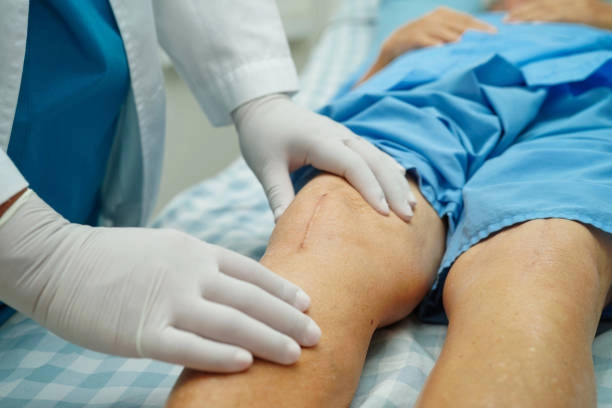
Knee replacement surgery is usually recommended when knee pain and stiffness seriously affect daily life. Common symptoms leading to surgery include constant knee pain, swelling, reduced mobility, and difficulty walking or climbing stairs. When these issues don’t improve with conservative treatments, an artificial knee may be the next step.
Doctors use several methods to decide if surgery is right for you:
- Physical exam: Checks range of motion, stability, and pain points.
- Imaging tests: X-rays or MRIs reveal joint damage, cartilage loss, and bone changes.
Before jumping to knee replacement, many patients try alternatives like:
- Medication: Pain relievers or anti-inflammatory drugs.
- Physical therapy: Exercises to strengthen muscles and improve flexibility.
- Injections: Corticosteroids or hyaluronic acid to reduce inflammation and lubricate the knee.
If these options don’t bring enough relief or the joint damage is too advanced, your doctor may recommend total or partial knee replacement to restore function and reduce pain.
The Knee Replacement Surgery Process
Before the surgery, you’ll go through a thorough evaluation. This usually includes a physical exam, X-rays, and sometimes blood tests to make sure you’re healthy enough for knee replacement surgery. Your doctor will discuss your medical history and any medications you take to plan the best approach.
On surgery day, you’ll receive anesthesia, typically either general anesthesia, where you’re asleep, or regional anesthesia, like a spinal block, which numbs you from the waist down. Your surgeon will decide what’s best based on your health and preferences.
The surgery itself involves removing the damaged parts of your knee joint—including the trochlea of the femur—and replacing them with an artificial knee implant. The process usually takes one to two hours. The surgeon carefully places the prosthetic components to restore knee function.
Recovery and Rehabilitation

Recovering from a knee replacement surgery usually follows a clear timeline, with progress happening in stages over days, weeks, and months.
- First days: You’ll start moving the knee gently and walk with assistance, often using a walker or crutches. Hospital staff will help with basic tasks and begin pain management.
- First weeks: Physical therapy ramps up to improve knee mobility and strength. Most people work with a therapist several times a week, focusing on exercises that restore flexibility and build muscle.
- Months after: Continued rehab focuses on regaining full function. You’ll gradually increase your activity levels and may start low-impact activities like swimming or biking.
Physical therapy is key to a successful recovery. Typical exercises include stretching, leg raises, and controlled knee bends. These help retrain the muscles around your new knee, improving balance and stability.
Pain management includes prescribed medications, ice packs, and sometimes nerve blocks. Managing pain well early on makes rehab smoother.
Keep an eye out for warning signs after surgery like:
- Unusual swelling or redness around the knee
- Persistent fever or chills
- Increasing pain not controlled by medication
- Difficulty moving the knee or walking
- Signs of infection at the surgery site
If you notice any of these, contact your doctor immediately to catch complications early. Following your rehab plan and monitoring symptoms helps ensure the best long-term results with your artificial knee implant.
Risks and Benefits of Artificial Knees
Getting an artificial knee can bring significant relief, but it’s important to weigh the benefits and risks.
Benefits
- Pain Relief: Most people experience a big drop in knee pain after surgery.
- Improved Function: Artificial knees help restore motion and make daily activities easier.
- Better Quality of Life: With less pain and more mobility, many get back to hobbies and routines they thought were lost.
Risks
| Risk | Description |
|---|---|
| Infection | Possible infection at the surgery site |
| Implant Loosening | Over time, the knee parts may loosen |
| Blood Clots | Risk of clots forming after surgery |
| Wear and Tear | Artificial parts can wear down with use |
Longevity of Artificial Knees
- Most implants last 15 to 20 years, sometimes longer.
- Factors affecting lifespan include:
- Patient’s activity level
- Weight
- Implant type and materials
- Surgical technique
Knowing these can help set realistic expectations about how long your artificial knee will function well.
Innovations Future Trends in Artificial Knees
Artificial knees have come a long way, and ongoing innovations are making knee replacement surgery better than ever. Here’s what’s shaping the future:
- Advanced Implant Materials and DesignNew materials like improved polyethylene and ceramic composites are making implants more durable and better at mimicking natural knee movement. Designs now focus on better fit and flexibility, reducing wear and improving comfort.
- Robotic Assisted Knee SurgeryRobotic technology helps surgeons plan and perform knee replacements with high precision. This means smaller cuts, less damage to surrounding tissue, and a better-aligned implant, which can lead to faster recovery and longer-lasting results.
- Minimally Invasive TechniquesLess invasive surgery options are being developed to reduce pain and shorten hospital stays. These techniques use smaller incisions and cause less trauma, helping patients get back on their feet quicker.
- Smart Prosthetics and Sensor-Based ImplantsThe future is leaning toward “smart” knees that can monitor how you move and provide real-time data to your doctor. Sensors embedded in the implant can track stress, alignment, and wear, potentially detecting problems before they become serious.
These trends are improving outcomes and making knee replacement surgery an even better option for people living with knee pain and damage across the United States.
Cost Considerations and Insurance
Knee replacement surgery can be a significant financial investment. The typical costs include the surgery itself, hospital stay, anesthesia, surgeon’s fees, and the artificial knee implant. On average, total knee arthroplasty in the U.S. can range from $30,000 to $50,000, depending on the facility and location.
Insurance coverage varies but most major health plans cover knee replacement surgery, especially when it’s deemed medically necessary. It’s important to check if your plan covers the type of knee implant—such as standard or customized—and any preoperative tests. Medicare and Medicaid also provide coverage for eligible patients.
Don’t forget ongoing costs after surgery. Rehabilitation, physical therapy sessions, follow-up visits, and any necessary medications can add up. Some insurance plans cover these too, but out-of-pocket expenses are possible.
Financial aid programs or payment plans may be available through hospitals or local clinics. It’s a good idea to discuss your coverage and costs upfront with your healthcare provider and insurance company to avoid surprises during your knee replacement journey.
How Vast Supports You Through Your Knee Replacement Journey

At Vast, we’re dedicated to guiding you every step of the way with your artificial knees. Our team has deep expertise in knee replacement surgery and rehabilitation, making sure you get the best care tailored to your needs. We focus on quality and comfort, helping you regain mobility and improve your quality of life.
Vast’s Services for Artificial Knees
- Expert consultation and evaluation for knee replacement options
- Access to the latest implant technologies, including robotic-assisted surgery
- Personalized recovery plans designed by physical therapists
- Ongoing follow-up care to monitor your progress
Patient Resources and Support Programs
We understand that knee replacement is a big decision. That’s why we offer:
- Educational materials explaining surgery, recovery, and implant care
- Support groups where you can connect with others going through the same journey
- Access to pain management and counseling services
Local Treatment Facilities and Contact Information
Vast partners with trusted local hospitals and clinics across the United States to provide convenient care near you. Whether you’re in a city or a smaller town, we make sure you have access to skilled surgeons and rehabilitation centers. For details on the nearest center and to schedule a consultation, visit our website or call our support line.
With Vast, you won’t face your knee replacement journey alone. We’re here to support you from evaluation to full recovery.
Frequently Asked Questions FAQ
How long do artificial knees last
Artificial knees typically last 15 to 20 years. Factors like activity level, weight, and overall health affect lifespan. Advances in materials and designs are helping implants last even longer.
Can I return to sports after surgery
Yes, many people return to low-impact sports like walking, swimming, or cycling. High-impact activities such as running or jumping may not be recommended to avoid wearing down the implant.
What is the typical hospital stay duration
Most patients stay in the hospital 1 to 3 days after knee replacement surgery, depending on recovery speed and any complications. Some may even qualify for outpatient procedures.
When can I resume work and daily activities
Light daily activities often resume within 2 to 6 weeks. Returning to work depends on job type — desk jobs usually require less recovery time than physically demanding roles. Always follow your doctor’s advice.
Are there alternatives if surgery is not an option
Yes, alternatives include physical therapy, medications for pain and inflammation, corticosteroid injections, and lifestyle changes such as weight loss. These can help manage symptoms but won’t fix severe joint damage.
 English
  Spanish (Peru)
  German
  Korean
  Spanish (Spain)
  Italian