
Discover what precision casting molds are their types benefits and applications in manufacturing for high accuracy metal parts by Vast experts
What Are Precision Casting Molds A Complete Guide to Types and Uses
Discover what precision casting molds are their types benefits and applications in manufacturing for high accuracy metal parts by Vast experts
If you’re curious about precision casting molds and why they’re a game-changer in manufacturing, you’ve come to the right place. These molds are the backbone of the precision casting process, enabling the creation of highly detailed, accurate metal parts that meet the toughest industry standards. Whether you’re in aerospace, automotive, or medical manufacturing, understanding what precision casting molds are and how they work can transform your approach to prototyping and production. In this guide, we’ll break down everything you need to know about these molds—their types, benefits, and why they’re essential for quality and efficiency. Let’s get started!
Understanding Precision Casting
Precision casting, also known as investment casting or lost wax casting, is a manufacturing process designed to create complex and highly detailed metal parts with excellent accuracy. It involves making a wax pattern that precisely matches the final product, which is then coated with a ceramic shell to form a mold. Once the wax is melted out, molten metal is poured into the ceramic mold to produce the final cast.
This method stands out for its ability to deliver parts with smooth surface finishes, tight tolerances, and intricate geometries that are often difficult or impossible to achieve using other casting techniques. Precision casting is widely used across industries where quality and detail matter, including aerospace, automotive, medical devices, and jewelry.
The process reduces the need for extensive machining or finishing work after casting, saving both time and cost. It’s especially valuable for producing small to medium batch sizes, where high precision and repeatability are crucial. Understanding how precision casting works helps highlight why precision casting molds play such a critical role in delivering consistent and reliable parts.
What Are Precision Casting Molds
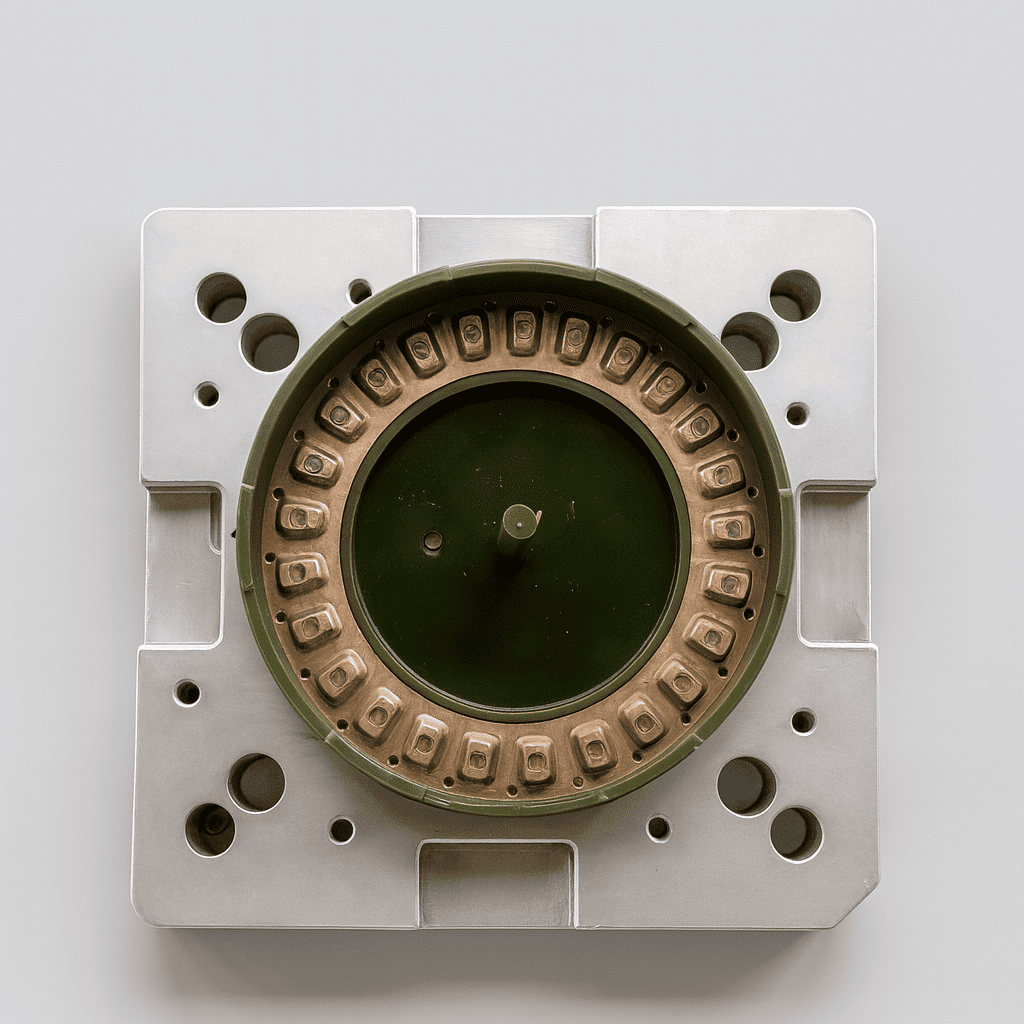
Precision casting molds are the exact tooling forms used in the precision casting process, also known as investment or lost wax casting. These molds create highly detailed shapes by forming a cavity where molten metal is poured to produce parts with tight tolerances and fine surface finishes.
Core Function and Role
- Shape Formation: They define the exact shape of the final cast component.
- Detail Capture: Ability to reproduce intricate details from the wax pattern.
- Support During Casting: Withstand the heat and pressure as the molten metal fills the mold.
- Surface Quality: Provide smooth surfaces that reduce the need for extra finishing.
How They Differ from Other Molds
| Feature | Precision Casting Molds | Other Common Mold Types |
|---|---|---|
| Detail Level | Very high, captures fine details | Moderate, limited by mold material |
| Material Used | Typically ceramic shell, wax, or metal | Sand, rubber, or simple metal molds |
| Application | Complex, small to medium precision parts | Larger, less detailed items |
| Dimensional Accuracy | Usually within microns | Less precise |
| Surface Finish | Smooth, ready for minimal post-processing | Rough, requires significant finishing |
Precision casting molds are essential in industries where accuracy and fine detail matter, distinguishing them clearly from other mold types used in general casting or molding applications.
Types of Precision Casting Molds
Precision casting molds generally fall into three main categories: wax molds, ceramic molds, and metal molds. Each type plays a unique role in the investment casting process and has specific benefits and drawbacks.
Wax Molds
- Made by injecting wax into a metal mold to form precise shapes.
- Critical for creating detailed patterns that define the final casting.
- Lightweight and easy to handle but fragile, so they require careful handling.
- Used primarily in lost wax casting molds due to their ability to capture fine details.
Ceramic Molds
- Created by repeatedly dipping the wax pattern into a ceramic slurry, building a hard shell around it.
- Composed of silica and other refractory materials for heat resistance.
- Serve as the actual casting mold after wax removal.
- Known as ceramic shell molds, they offer excellent surface finish and high precision.
- Durable enough to withstand high temperatures but can be brittle and require precise handling.
Metal Molds
- Usually made from hardened steel or other metals.
- Used for making wax patterns rather than the final ceramic mold.
- Offer longevity and produce consistent wax patterns over many cycles.
- More expensive upfront but cost-effective over long production runs.
- Limited in application as they can’t be used directly for molten metal casting.
Comparison of Mold Types
| Mold Type | Precision | Durability | Cost | Main Role |
|---|---|---|---|---|
| Wax Mold | High | Fragile | Low | Wax pattern creation |
| Ceramic Mold | Very High | Moderate (brittle when dry) | Moderate to High | Final casting mold |
| Metal Mold | Moderate | High | High upfront | Creating wax patterns |
Each mold type plays a vital part in the precision casting process, balancing precision, durability, and cost to meet specific production needs in industries like aerospace, automotive, and medical manufacturing.
The Precision Casting Mold Manufacturing Process
Making precision casting molds involves several clear steps, starting with the creation of a wax pattern. First, a wax model of the final part is carefully made, capturing all the fine details needed. This wax pattern is essential because it shapes the mold and ensures high precision.
Next, the wax pattern is repeatedly dipped into a ceramic slurry, building up a strong ceramic shell around it. Once the ceramic shell reaches the right thickness, it’s allowed to dry and harden. After this, the wax inside is melted out, leaving a hollow ceramic mold – this is why these are often called lost wax casting molds or investment casting molds.
Common materials used during this process include:
- Wax for the initial pattern
- Silica-based ceramic slurry for the shell
- Sometimes, refractory materials to improve mold strength
Quality control plays a big role at every stage:
- Checking wax patterns for imperfections
- Monitoring ceramic shell thickness and integrity
- Inspecting molds after wax removal to spot cracks or defects
This careful approach ensures the final precision casting molds are reliable and produce parts with tight tolerances and great surface finishes, meeting the high standards needed in U.S. manufacturing industries.
Advantages of Using Precision Casting Molds
Precision casting molds offer high dimensional accuracy, delivering parts that match exact specifications with minimal variation. This level of precision also ensures a superior surface finish, often reducing the need for additional polishing or machining.
One major benefit is the ability to create complex shapes and intricate details that other mold types struggle to achieve. This makes precision casting ideal for components requiring fine features or delicate designs.
Using these molds can significantly cut down on post-processing work, saving time and labor costs. Since the molds allow for precise material placement, there’s less waste, which helps conserve expensive metals and reduces overall production costs.
For small to medium production runs, precision casting molds provide a cost-effective solution by balancing tooling expenses with high-quality output, making them a smart choice for many industries across the United States.
Applications of Precision Casting Molds Across Industries
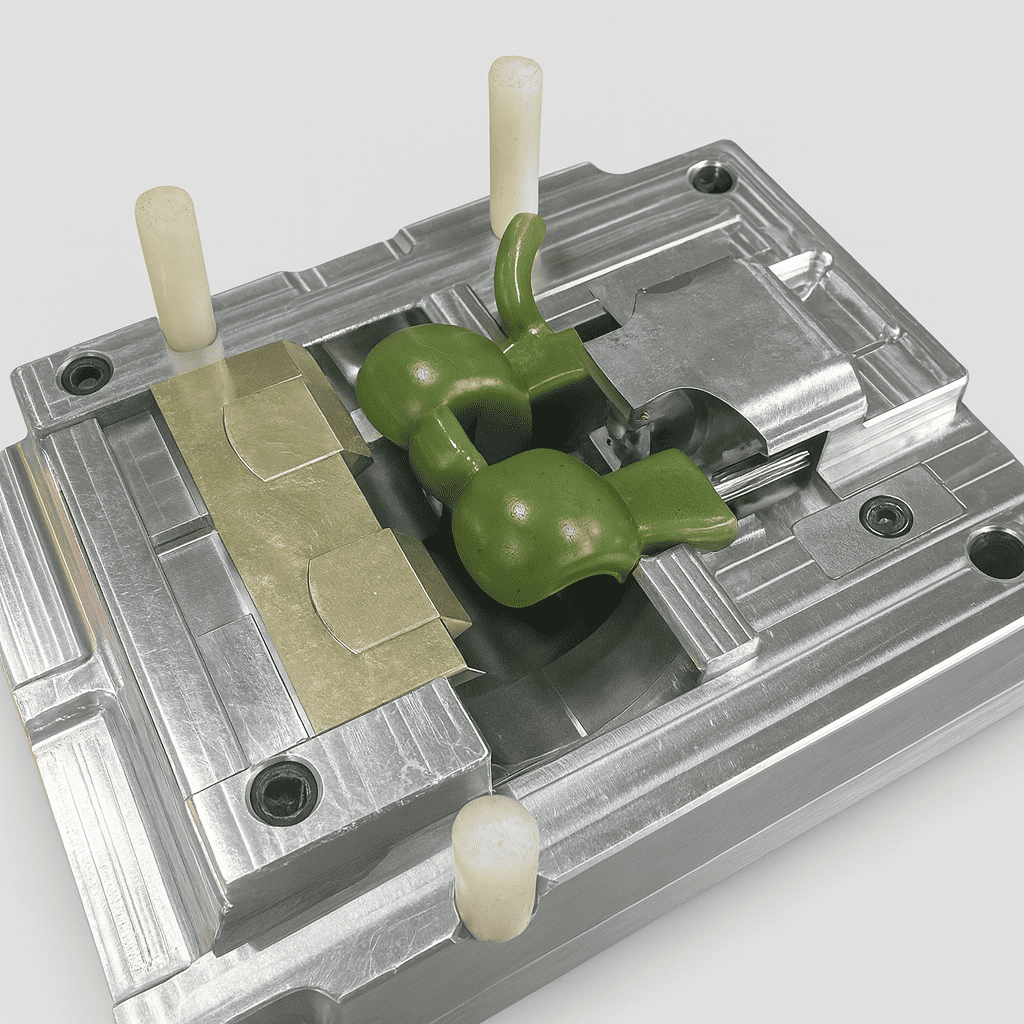
Precision casting molds play a crucial role in creating parts that need exact shapes and fine details. Here’s how different industries use them:
- AerospaceMaking turbine blades and engine components that demand high strength and tight tolerances. Precision casting molds help achieve consistent quality for these critical parts.
- AutomotiveUsed for valves, pumps, transmission parts, and other components where durability and accuracy matter. These molds allow complex designs that improve engine performance and reliability.
- MedicalSurgical instruments and implants require extreme precision and biocompatibility. Precision casting molds ensure these delicate items are made to exact specifications, supporting patient safety.
- Jewelry and ArtThe mold’s ability to capture intricate details is perfect for fine jewelry and artistic pieces. This process creates delicate designs impossible to achieve with other methods.
- Local ManufacturingMany U.S. manufacturers serving aerospace, automotive, and medical sectors rely on precision casting molds for low to medium batch production. This supports quick turnaround and flexibility in production.
Using precision casting molds across these fields allows companies to deliver high-quality, complex parts with less waste and better performance.
Challenges and Limitations
Precision casting molds do come with some challenges. One big issue is mold life and durability. These molds, especially ceramic shell molds, can wear out or crack after several uses, which means replacements can add to costs.
Preparing molds for very large parts takes more time and money. Because of the size and complexity, the mold making process can slow down production and increase expenses, making it less ideal for huge components.
Common defects like cracks, air bubbles, or surface imperfections can happen during mold creation or casting. Troubleshooting these issues requires careful inspection and sometimes reworking the mold, which adds to lead times and cost.
Overall, while precision casting molds offer accuracy and detail, managing mold wear, preparation time, and defects is essential for smooth production.
Why Choose Vast for Precision Casting Mold Solutions
Choosing Vast means tapping into years of expertise and cutting-edge technology in precision casting molds. We specialize in delivering high-precision casting molds, including investment casting molds and ceramic shell molds, tailored to meet the unique needs of our clients across the United States.
Vast’s Strengths at a Glance
| Feature | What It Means for You |
|---|---|
| Advanced Mold Making Tech | Consistent quality and tight tolerances |
| Rigorous Quality Assurance | Every mold meets strict standards and specs |
| Industry Certifications | Trusted by aerospace, automotive, medical sectors |
| Customization | Molds designed to fit your exact project needs |
| Client-Focused Approach | Personalized support throughout the process |
Our commitment to quality and customization makes us a go-to for those needing molds that deliver on accuracy and durability while helping reduce lead times. Clients benefit from molds that optimize material use and machining efforts, cutting costs especially on small to medium batch sizes.
Client Success Stories
We’ve helped American manufacturers improve production with molds that handle complex geometries flawlessly — from aerospace turbine blades to intricate medical implants. These results come from our deep understanding of the precision casting process and our dedication to evolving with industry demands.
If you need reliable, high-quality molds, Vast is ready to deliver solutions that drive your success.
inquire@vast-cast.com 0086-13345604499
 English
  Spanish (Peru)
  German
  Korean
  Spanish (Spain)
  Italian