
Discover AISI 303 Stainless Steel with superior machinability, corrosion resistance, and strength ideal for precision engineering and industrial applications.
What is AISI 303 Stainless Steel Chemical Composition and Key Design Features
AISI 303 stainless steel is a free-machining variant of the common 18-8 austenitic stainless steels, composed primarily of 18% chromium (Cr) and 8% nickel (Ni). The defining feature is its sulfur content, typically added around 0.15%, which plays a critical role in improving machinability. Sulfur acts as a chip breaker during machining, reducing built-up edge formation on cutting tools and enabling faster, smoother cutting operations.
This alloy complies with widely recognized industry standards such as UNS S30300, EN 1.4305, and ASTM A582, ensuring consistent quality and performance. Compared to standard 18-8 stainless steels like AISI 304, the sulfur addition in 303 changes the free-machining mechanism: it forms manganese sulfide inclusions that help fractures form easily during cutting, significantly improving chip control and reducing tool wear.
Vast is a trusted supplier of premium AISI 303 stainless steel, offering reliable stock and custom options designed to meet high-demand machining applications in the U.S. market. Whether you need precision parts or volume production, their grade 303 delivers dependable material quality tailored for efficient fabrication.
Mechanical and Physical Properties of AISI 303 Stainless Steel
AISI 303 stainless steel offers a solid mix of strength and ductility, making it popular for parts that need both toughness and good machinability. Its yield strength typically sits around 30,000 psi, with tensile strength ranging between 75,000 to 85,000 psi depending on the treatment. In terms of elongation at room temperature, annealed 303 usually stretches about 40%, while cold-drawn versions show slightly less ductility but higher strength.
When it comes to thermal and electrical properties, 303 stainless steel handles heat well, with thermal expansion being steady up to 400°C. Its electrical conductivity is relatively low compared to other metals, as expected in austenitic 300 series alloys, and it remains non-magnetic even after cold working. This non-magnetic feature is especially helpful in applications where magnetism could be an issue.
Density for AISI 303 stainless steel is about 7.9 g/cm³, quite standard for this grade. Hardness values generally fall in the Brinell range of 160 to 190 HB, striking a good balance between softness for machining and enough hardness to avoid deformation during use. This mix of mechanical and physical traits suits industries needing precision and durability without sacrificing easy machining.
Corrosion Resistance Strengths Limitations and Real World Performance
AISI 303 stainless steel offers decent corrosion resistance, especially in dry or mildly acidic environments. Its PREN value (Pitting Resistance Equivalent Number) ranges between 17 and 20, which means it holds up well against rust and surface corrosion in everyday atmospheric conditions.
However, the sulfur added to improve machinability comes with some trade-offs. This sulfur makes AISI 303 more prone to pitting and crevice corrosion, particularly when exposed to chloride-rich environments like seawater, especially above 60°C. Because of this, it’s best to avoid using 303 in marine settings or where it might face aggressive salt exposure.
To get the most out of 303’s corrosion resistance, proper care is important. Passivation treatments can help restore and enhance the protective oxide layer on the surface. Annealing at about 1040°C also improves corrosion resistance by relieving internal stresses and improving the metal’s structure. These steps make sure AISI 303 performs reliably in the conditions it’s designed for.
Fabrication and Machining Guidelines for AISI 303 Stainless Steel

Heat Treatment and Annealing Best Practices
AISI 303 stainless steel isn’t hardenable by heat, so the main goal during heat treatment is stress relief. Annealing at around 1900°F (about 1040°C) works best to relax internal stresses without changing the core structure. This helps maintain its excellent machinability and prevents warping during fabrication.
Welding and Forming Challenges
Because of the added sulfur, AISI 303 can be prone to sulfur-induced cracking when welded. This makes welding tricky and less reliable compared to other grades. For welding projects, we generally recommend switching to AISI 304, which offers better weldability and forms without cracking risks. Forming also requires care since sulfur can reduce ductility, so gradual bends and proper tooling are key.
Machining Tips for Optimal Results
AISI 303 is famous for its free-machining ability thanks to sulfur, which helps break chips and reduces friction. To get the best out of it:
- Use sharp, high-quality cutting tools designed for stainless steel
- Take advantage of higher cutting speeds and deeper feeds compared to standard 18-8 stainless
- Maintain good coolant flow to keep temperatures down and improve tool life
- Avoid long stringy chips by optimizing speed and feed; sulfur helps here by lubricating and breaking chips automatically
Following these fabrication and machining guidelines will help you maximize productivity and quality when working with AISI 303 stainless steel in the U.S. manufacturing environment.
Applications and Industries Leveraging AISI 303 Stainless Steel
AISI 303 stainless steel is a favorite in industries where precision and easy machining are priorities. In the automotive and aerospace sectors, it’s often used for shafts, gears, and other components that require tight tolerances and smooth finishes. Its free-machining properties make it perfect for producing high volumes of parts quickly without sacrificing quality.
In the medical and food processing industries, AISI 303 shines in valves, fittings, and equipment parts where machinability is more important than extreme corrosion resistance. Since these applications often need parts shaped fast and accurately, 303’s sulfur-added formula helps speed up production while maintaining safe standards.
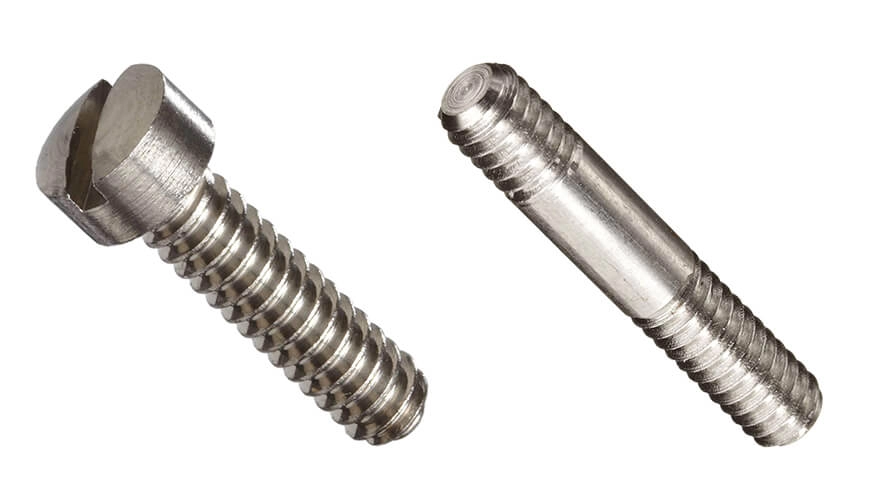
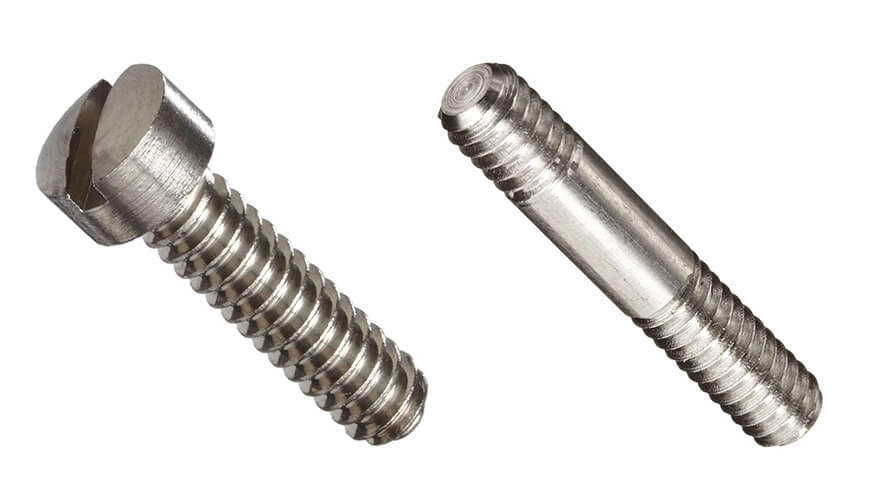
For general engineering and manufacturing, this alloy is common in screw machine products and custom fasteners. It’s popular among shops focused on small to medium batch runs, thanks to its excellent combination of strength, formability, and cost efficiency compared to other stainless steels.
If you’re sourcing materials for precision machined shafts, automotive-grade fittings, or custom stainless steel parts, AISI 303 offers a reliable balance of performance and production ease suited for the U.S. market’s demanding standards.
AISI 303 vs Other Stainless Steels When to Choose Each Grade
When deciding between AISI 303 and other stainless steels, it mainly comes down to what your project prioritizes. Compared to AISI 304, 303 clearly wins on machinability thanks to its added sulfur, which means faster, cleaner cuts and lower tooling costs. However, 304 outperforms 303 in corrosion resistance, making it a better choice for harsher environments or where marine exposure is likely.
Looking at 316 stainless steel, this grade offers even better corrosion resistance, especially against chlorides and acids, but it’s less machinable and more expensive. On the other hand, AISI 302 is closer to 304 but without sulfur, providing better weldability and toughness, though it doesn’t machine as easily as 303.
Trade-offs to consider:
- 303: Best for complex machining, cost-effective production, limited corrosion demands
- 304: Greater corrosion resistance, better for welding, slightly harder to machine
- 316: Premium corrosion resistance, ideal for aggressive conditions but pricey and harder to machine
- 302: Good weldability and formability but lower machinability than 303
From a cost perspective, AISI 303 often saves money with faster production times and longer tool life, making it a solid pick for parts like screws, gears, and shafts where machinability is a priority over extreme corrosion resistance. If your project needs the best balance per part cost vs performance, 303 is a dependable choice in the US manufacturing scene.
Sourcing AISI 303 Stainless Steel Quality Assurance with Vast
When it comes to sourcing AISI 303 stainless steel, Vast is your reliable partner. We offer a wide inventory of premium stock, including rounds, bars, and hex shapes ready to meet your project needs. Every batch comes with full certifications, so you can trust the quality and consistency required for precision work.
Customization Options for Local Projects
We understand local demands, so we provide tailored services like custom cutting to length and a variety of surface finishes. This flexibility helps you get exactly what you need without extra hassle or wait times, making your workflow smoother.
Sustainability and Compliance Standards
At Vast, we prioritize eco-friendly sourcing. Our AISI 303 stainless steel products comply with strict environmental regulations like RoHS and REACH. Choosing us means you’re not only getting quality material but also supporting sustainable, responsible manufacturing practices.
 English
  Spanish (Peru)
  German
  Korean
  Spanish (Spain)
  Italian