
Learn the essential parts of a sewing machine with clear explanations on components, functions, maintenance, and beginner tips for confident sewing.
The Core Anatomy External Parts You Interact With Daily
When you start using a sewing machine, some partes de la máquina de coser immediately catch your eye because you interact with them every day. Understanding these external parts helps you get comfortable and confident with your machine faster.
- Needle and Needle BarThe needle is the heart of stitching—it moves up and down, sewing fabric together. The needle bar holds the needle firmly and ensures its smooth movement. Have you ever wondered how precise every stitch is? It’s thanks to this duo!
- Presser Foot and Presser Foot LifterThe presser foot keeps your fabric steady as the needle sews. Different presser foot types can handle various fabrics and stitch styles. The presser foot lifter raises and lowers the foot, making it easy to insert or remove fabric.
- Feed Dogs and Needle PlateThe feed dogs are tiny metal teeth that move the fabric through the machine with each stitch. The needle plate, or needle plate guide, supports the fabric while allowing the needle to pass through. Together, they keep your fabric flowing evenly.
- Handwheel and Power SwitchThe handwheel lets you manually control the needle’s movement, which is perfect for delicate or precise work. The power switch controls electricity, so it’s the on-off gateway for your machine’s motor power.
These core external parts make sewing intuitive and fun. Once you get familiar with them, you’ll feel much more at ease tackling any project!
Thread Management Internal Parts for Flawless Stitches
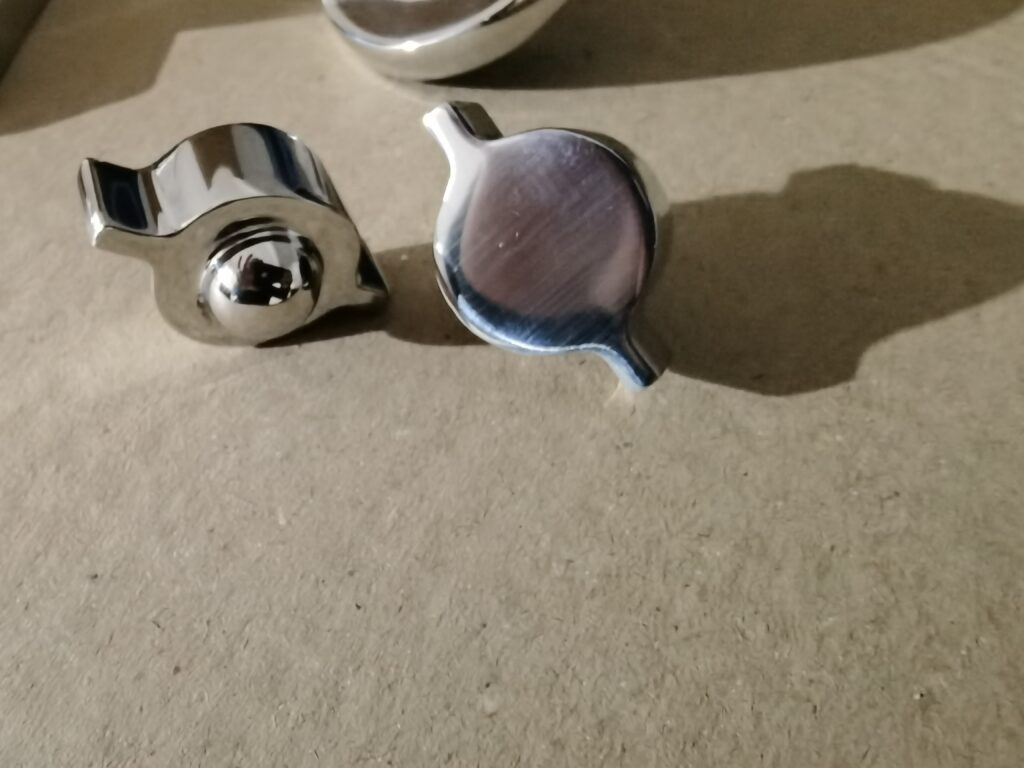
Understanding the internal parts of your sewing machine that manage thread is key to getting smooth, even stitches every time. Here’s a quick look at the main components involved:
- Bobbin and Bobbin Case Winder: The bobbin holds the lower thread, crucial for locking your stitches. The bobbin winder helps you fill it quickly and evenly, so your machine runs without tension issues.
- Thread Take Up Lever and Tension Discs: The thread take up lever pulls thread from the spool and pushes it down through the needle, while the tension discs control how tight or loose the thread is. Adjusting tension correctly is vital to prevent loose loops or tight puckers in your stitches.
- Spool Pin and Thread Guide: The spool pin holds the thread spool in place, and the thread guides route the thread smoothly to the needle. Proper threading following these guides reduces snags and breakages during sewing.
Knowing these sewing machine components well can make a big difference, especially if you’re troubleshooting stitch problems or making custom adjustments for different fabrics.
Control and Customization Features for Creative Control
When it comes to getting creative with your sewing projects, understanding the control and customization parts of the maquina de coser is key. These features help you adjust and personalize your stitching for the best results.
- Stitch Selector and Length and Width DialsThese controls let you pick different stitch patterns and adjust their size. Whether you need a straight stitch, zigzag, or decorative stitch, the stitch selector makes it simple. The length and width dials help you customize exactly how long or wide each stitch should be, giving you greater precision for your designs.
- Reverse LeverThe reverse lever is essential for reinforcing your stitches. By sewing backward for a few stitches, it locks your work in place to avoid unraveling. It’s an easy-to-use feature that gives your finished project a professional finish.
- Free ArmThe free arm makes it much easier to sew hard-to-reach areas like sleeves, pant legs, or cuffs. Instead of dealing with a large flat surface, you can slide fabric around this narrow arm for better control on smaller pieces.
- Accessory Tray and CompartmentMany sewing machines come with a built-in tray or compartment to store extra presser feet, needles, bobbins, and other small tools. Keeping these accessories handy speeds up your workflow and keeps your workspace organized.
Knowing these partes de la maquina de coser and how they work helps you customize every project, making your sewing experience smoother and more enjoyable.
Power and Maintenance Keeping Your Machine Running Smoothly
To keep your sewing machine working well, understanding the power and maintenance parts is key. The pedal and motor assembly control your machine’s speed and power. The pedal lets you start and stop smoothly, while the motor drives the needle and feed dogs. Make sure the pedal cable is in good shape and the motor is free of dust.
Routine Cleaning and Lubrication Essentials
Regular cleaning is a must. Dust, lint, and thread bits can build up around the bobbin case, feed dogs, and needle plate. Use a small brush or compressed air to clean these areas. Oil the machine as recommended in your user manual—usually around the moving metal parts like the needle bar and handwheel. Proper lubrication helps avoid friction and keeps the machine running quietly.
Common Part Failures and When to Replace
Some sewing machine parts wear out over time. Watch for signs like:
- Needle bar or presser foot not moving smoothly
- Pedal not responding or motor making strange noises
- Thread tension issues caused by worn tension discs
- Feed dogs not feeding fabric properly
If your machine frequently jams or the motor overheats, it might be time to check or replace these parts. Keeping up with maintenance extends your machine’s life and saves you money on repairs. In the US market, it’s easy to find replacement parts or service centers, so don’t ignore unusual problems.
 English
  Spanish (Peru)
  German
  Korean
  Spanish (Spain)
  Italian