
Explore the types of aluminum materials including alloy series, properties, and applications to choose the best aluminum for your project needs.
If you’ve ever wondered why aluminum is everywhere—from your soda can to cutting-edge aircraft—you’re not alone. But here’s the catch: not all aluminum materials are created equal. Knowing the types of aluminum materials can be the difference between a project that excels and one that falls short. Whether you’re building a drone, designing a marine vessel, or tackling a DIY home upgrade, understanding these materials sets you up for success. In this guide, we break down everything you need to know about aluminum alloys, their key properties, and where each shines. Ready to unlock the power of aluminum and make smarter choices? Let’s dive in.
The Fundamentals What Are Aluminum Materials and How Are They Classified
Ever wonder what makes aluminum materials so popular and how they differ? At the core, aluminum materials come in two main forms: pure aluminum and aluminum alloys. Pure aluminum is very soft and easy to shape but lacks strength. To boost its performance, manufacturers add other elements, creating alloys that are stronger and more versatile. These alloying elements—like copper, magnesium, silicon, manganese, and zinc—give aluminum different properties for various uses.
Aluminum also comes in two main manufacturing forms: wrought and cast. Wrought aluminum is mechanically worked (rolled, extruded, or forged) to form sheets, plates, or bars. Cast aluminum is poured into molds to make complex shapes. Generally, wrought aluminum grades have better mechanical properties, while cast aluminum is suited for shapes that are hard to produce with other methods.
Another key classification is heat treatable vs. non heat treatable alloys. Heat treatable alloys can be strengthened through heating and controlled cooling, while non heat treatable alloys gain strength mainly from cold working. This distinction is crucial because it affects how the material is processed and where it’s best applied.
To further identify aluminum materials, the industry uses temper designations (like T6 or H14) to describe the specific treatment or processing state. For example:
- T6 means the alloy has been solution heat treated and artificially aged for maximum strength.
- H14 means it’s strain hardened to a specific level without heat treatment.
Understanding these basic classifications helps you pick the right aluminum material based on your strength, formability, and corrosion resistance needs.
Breaking Down the Major Series Key Types of Aluminum Materials and Their Properties
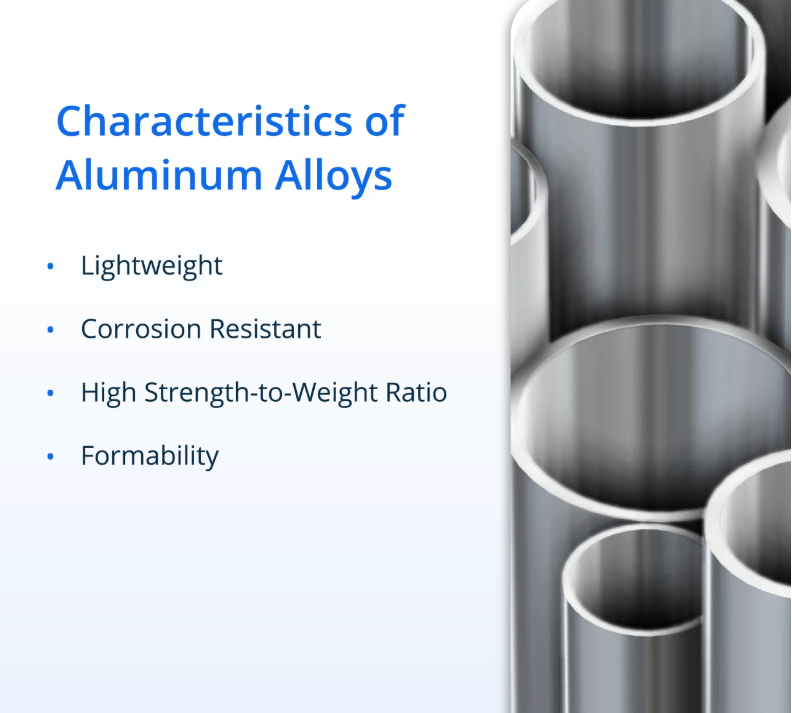
Aluminum materials come in different series, each with unique compositions and characteristics suited for various uses. Here’s a quick breakdown of the main aluminum alloy series:
- 1000 SeriesAlmost pure aluminum (at least 99% aluminum). It’s soft, highly corrosion-resistant, and great for applications needing excellent conductivity like electrical cables and chemical handling.
- 2000 SeriesAlloyed mainly with copper, this series offers high strength and hardness. Common in aerospace and automotive parts, but less corrosion-resistant, so often requires protective coatings.
- 3000 SeriesManganese is the key alloying element, offering good corrosion resistance and moderate strength. It’s often used in roofing, siding, and cooking utensils thanks to its formability.
- 4000 SeriesSilicon is the main addition here, improving wear resistance and reducing melting point. Ideal for engine parts and heat exchangers because of its strength at high temperatures.
- 5000 SeriesAlloyed with magnesium, these grades have excellent corrosion resistance, especially in marine environments. They’re also good for welding, making them popular in boat building and chemical tanks.
- 6000 SeriesThis versatile series combines magnesium and silicon, offering a great balance of strength, corrosion resistance, and heat treatability. It’s widely used in structural applications and aluminum extrusion materials like 6061 aluminum, appreciated for its reliability.
- 7000 SeriesZinc alloys give this series ultra-high strength, perfect for aerospace and high-performance sporting goods. However, they can be prone to stress corrosion and usually require heat treatment for stability.
- 8000 SeriesThis is a broad group with other elements like lithium or iron, often used for specialized uses such as foil, packaging, and lightweight conductivity applications.
Each series has pros and cons, so matching the right alloy series to your project needs is crucial for performance and cost efficiency.
Real World Applications Matching Types of Aluminum Materials to Your Needs
When picking aluminum materials, it’s important to match the type to your specific needs. Here’s how different aluminum series fit real-world uses:
- Aerospace and AutomotiveThese industries prioritize high strength and lightweight materials for better performance and fuel efficiency. The 2000 Series (copper alloys) and 7000 Series (zinc alloys) are popular choices because of their excellent strength-to-weight ratio. Aluminum like 6061 alloy from the 6000 Series is also widely used for its balance of strength and formability.
- Construction and ArchitectureDurability and corrosion resistance are key here. The 5000 Series (magnesium alloys) are favored for their natural resistance to rust and ease of fabrication. These alloys hold up well in outdoor environments and support large-scale architectural designs.
- Marine and Chemical IndustriesCorrosion resistance is critical in harsh, wet environments. The 5000 Series again leads due to its excellent performance around saltwater. Alloys like 5083 and 5005 are common for boats, tanks, and chemical storage.
- Consumer Goods and ElectronicsThese applications need aluminum that is easy to shape and often conductive. The 1000 Series (pure aluminum) is great for electrical components thanks to its excellent conductivity. Malleability also makes these alloys ideal for household items and electronic casings.
- Emerging TrendsSustainability is becoming a bigger factor. Companies are turning to recyclable aluminum grades and advanced alloys that reduce environmental impact without sacrificing performance. The industry is seeing growth in recycled 6000 and 7000 Series alloys and new formulas designed for lighter, stronger parts.
By understanding the properties of each aluminum material type, you can choose what makes the most sense for your project, whether it’s aerospace, marine, construction, or consumer goods. This targeted approach ensures you get the right balance of strength, corrosion resistance, and cost.
How to Choose the Right Type of Aluminum Material A Step by Step Guide
Picking the right aluminum for your project depends on a few key factors. Here’s a quick guide to help you decide:
Key Decision Factors
- Budget: Some alloys like 1000 series (pure aluminum) are cheaper but less strong. High-strength grades like 7000 series cost more but offer better performance.
- Environment: If your project faces moisture or salt (marine use), consider corrosion-resistant alloys like 5000 series.
- Fabrication: Wrought vs. cast aluminum matters. Wrought alloys (like 6061) are easier to machine and weld, while cast alloys suit complex shapes.
- Strength and Weight: For lightweight strength, 6000 series alloys offer a great balance. For ultra-high strength, 7000 series works best but may be less corrosion-resistant.
- Heat Treatability: Need to harden the metal? Choose heat treatable alloys (2000, 6000, 7000 series). Otherwise, look for non-heat treatable options like 5000 series.
Pros and Cons of Top Aluminum Grades
| Alloy Series | Pros | Cons | Typical Uses |
|---|---|---|---|
| 1000 Series | Very ductile, corrosion resistant | Low strength | Electrical, chemical equipment |
| 2000 Series | High strength | Poor corrosion resistance | Aerospace components |
| 3000 Series | Good corrosion resistance | Moderate strength | Roofing, siding |
| 5000 Series | Excellent corrosion resistance | Limited heat treatability | Marine, automotive panels |
| 6000 Series | Versatile, heat treatable | Moderate strength | Structural parts, frames |
| 7000 Series | Ultra high strength | Lower corrosion resistance | Aircraft, sporting goods |
Sustainability and Eco Sourcing
- Aluminum is highly recyclable, saving up to 95% energy compared to new production.
- Choosing alloys compatible with recycling reduces environmental impact.
- Look for suppliers who follow eco-friendly sourcing and production practices to support sustainability goals.
By weighing these factors and comparing your specific needs, you can find the right aluminum material that fits your budget, performance needs, and eco standards. Whether it’s for aerospace, construction, or consumer goods, the right alloy makes all the difference.
 English
  Spanish (Peru)
  German
  Korean
  Spanish (Spain)
  Italian