
Discover how ream drills ensure precision hole finishing with expert tips on sizes materials and techniques for smooth accurate results.
Understanding the Basics: What Is a Ream Drill and How Does It Differ from Drilling?
If you’re wondering why your drilled holes don’t fit bolts perfectly or lack that smooth finish, a ream drill might be your missing tool. Unlike drilling, which creates a rough, oversized hole, reaming is a precise finishing process designed to sharpen hole dimensions and polish surfaces.
Core Concept: Reaming vs Drilling
- Drilling: Cuts the initial hole, removing a good chunk of material quickly but leaving a rough surface with less accuracy.
- Reaming: Smooths and sizes the drilled hole precisely, typically removing a small amount (around 0.13–0.2mm) for a tight fit and fine finish.
Key Differences at a Glance
| Feature | Drilling | Reaming |
|---|---|---|
| Purpose | Hole creation | Hole finishing and sizing |
| Accuracy | ±0.2mm or more | ±0.01mm or better |
| Surface Finish | Rough, with burrs | Smooth, polished |
| Tool Type | Drill bits | Ream drills or hand reamers |
| Material Removal | High | Minimal, precise |
When to Use a Ream Drill
- Fitting bolts or dowels: Achieve exact hole sizes for snug fits.
- Deburring: Remove sharp edges after drilling.
- Preparing for threads: Create smooth, precise pre-threaded holes.
- Avoid myths: Reamers don’t replace drills; they perfect holes after drilling.
Vast Reamer Kits for Beginners
For those just starting out, the Vast entry-level reamer kits offer a straightforward, reliable way to try reaming without investing in expensive setups. These kits include commonly used sizes with high-quality HSS tools and clear size charts—perfect for hobby machinists and pros stepping up precision.
Got a project where hole accuracy matters? Learning to use a ream drill can be a game-changer for better fits and longer-lasting assemblies.
Anatomy of a Ream Drill: Types, Materials, and Specs
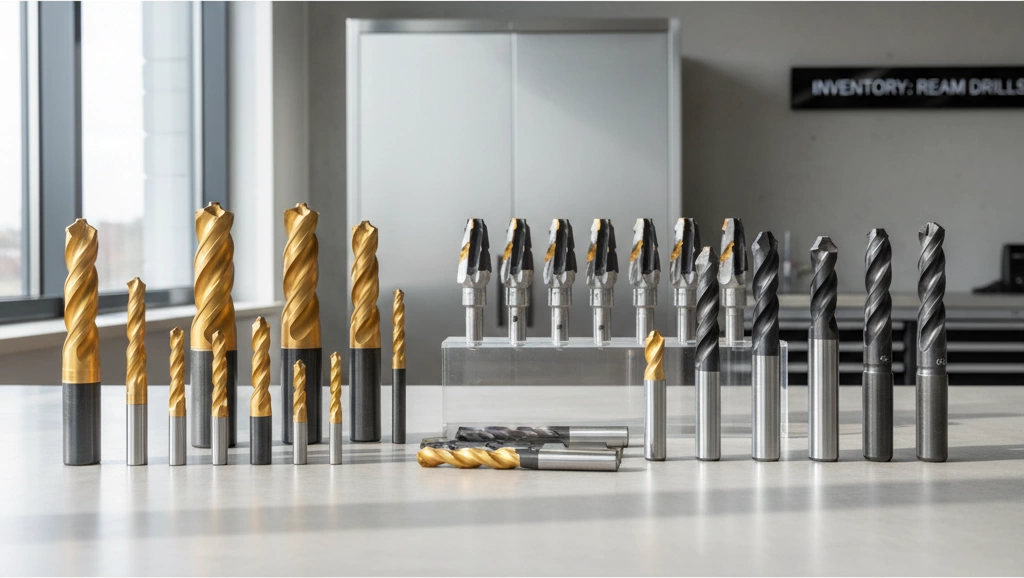
Understanding the parts and options for ream drills helps you pick the right one for your job. Here’s a quick breakdown:
Types of Ream Drills
| Type | Best For | Notes |
|---|---|---|
| Chucking Reamers | Machine setups, lathe, drill press | Fits standard tool holders |
| Hand Reamers | Manual finishing, light jobs | Use with a wrench, easy control |
| Taper Reamers | Tapered holes in shafts, fittings | Creates or cleans tapered holes |
| Drill-Ream Combination | Single step hole making & finishing | Saves time, drills & reams together |
Material Breakdown
| Material | Strength & Use | Coatings |
|---|---|---|
| HSS (High-Speed Steel) | Tough, good for most metals | TiN (Titanium Nitride) boosts hardness & wear resistance |
| Carbide | Harder, best for tough materials | Some come coated for longer life |
Sizes and Specifications
- Ranges:
- Fractional sizes (e.g., 1/8”, 1/4”)
- Metric sizes (e.g., 3mm, 6mm)
- Check the Vast pre-ream size chart for exact fits and tolerances.
| Size Type | Typical Use Range |
|---|---|
| Fractional | 1/16″ to 1″ |
| Metric | 1mm to 25mm+ |
Pro Tips for Choosing a Ream Drill
- Flute Count: More flutes mean smoother finishes but less chip clearance. 3-4 flutes work well for most metals.
- Shank Styles:
- Straight shanks fit drill presses well.
- Tapered shanks are great for lathes or machine spindles.
- Match shank design to your tool for a secure fit.
Knowing these basics sets you up to pick the right ream drill and get precision hole finishing every time.
Selecting the Right Drill Size for Reaming: Avoid Common Pitfalls

Choosing the correct drill size before reaming is key to getting precise, smooth holes. Here’s what you need to keep in mind:
Allowance Guidelines
- Stock removal: Aim to remove about 0.13 to 0.2 mm (0.005 to 0.008 inches) of material when you ream.
- Hole diameter: Keep the drill hole about 3-5% smaller than the final reamed size. This gives the ream drill enough material to finish the hole accurately without overloading the tool.
Size Charts & Tools
- Use size charts that list drill sizes matched to reamer diameters for both fractional and metric measurements.
- For quick calculations, tools like the Vast calculator can help you pick the perfect pre-ream drill size based on your target diameter.
Material Considerations
- Different materials behave differently:
- Steel: Stick to the standard allowance.
- Aluminum or softer metals: You might want a slightly tighter allowance since these materials can deform or gall easily during reaming.
- Adjust your drill size slightly depending on the metal’s hardness for better control.
Troubleshooting Common Issues
- Undersized holes: If your drilled hole is too small, the reamer can overload, causing rough finishes or tool wear. Consider drilling a slightly larger hole next time.
- Oversized holes: A hole too big means the reamer can’t cut accurately, resulting in loose or out-of-tolerance holes. Double-check your drill size and workpiece setup.
- Regularly inspect tools and measure holes during the process to catch and fix sizing issues early.
Getting your drill size right before reaming avoids costly mistakes and ensures precision finishing.
Step-by-Step Guide: How to Ream a Hole Like a Pro
Preparation: Secure and Spot Drill
Before you start reaming, make sure your workpiece is clamped down firmly. You don’t want any movement that could throw off accuracy. Next, spot drill a small guide hole to help your drill bit start straight — this makes a huge difference for precision. Choose the right speed for your material; slower speeds usually work best for reaming, especially with metals.
Execution: Drill Undersized Hole and Ream
Start by drilling an undersized hole, about 0.005 to 0.008 inches smaller than the finished size. Then, line up your ream drill carefully with that pilot hole. Apply cutting oil to reduce heat and friction — this keeps the reamer sharp longer and gives you a cleaner finish. Advance the ream drill slowly and steadily without forcing it — let the tool do the work. Once through, chamfer the edges to clean up any burrs or rough spots.
Tools Needed: Essentials for Reaming
- Undersized drill bit
- Ream drill (reamer)
- Cutting oil
- Clamp or vise
- Chamfer tool
- Optional: Drill press or lathe for better control
If you’re just starting out, the Vast reamer starter bundle is a smart pick. It comes with everything you need to try hole reaming right away.
Visual Aids: Diagrams and Video Demos
For a clearer picture, check out Vast’s detailed diagrams and video demos online. They break down each step and show exactly what good reaming looks like in action—great for avoiding common mistakes and getting your holes perfect every time.
Best Practices for Ream Drilling: Tips for Efficiency and Longevity

Speed and Feed Optimization
Getting your RPM and feed rate right is key to a clean, precise hole and longer tool life. Use these quick guidelines:
- Match your speed to the material—slower for harder metals like steel, faster for aluminum or softer metals.
- Stick to recommended feed rates from your reamer’s manufacturer to avoid rubbing or chattering.
- Apply peck cycles (periodic withdrawal) when reaming deep holes to clear chips and reduce heat buildup.
Safety Protocols
Keep safety front and center when working with ream drills:
- Always clamp your workpiece securely to avoid movement.
- Wear eye protection to catch flying chips or debris.
- Be extra cautious with tapered drill reamers—they can jab unexpectedly if mishandled.
Maintenance for Longevity
Proper care goes a long way with reaming tools:
- Sharpen ream drill edges as soon as you notice dullness to maintain precision.
- Clean tools thoroughly after every use—oil and metal shavings can cause rust or damage.
- Store your ream drills in a dry, organized case to prevent chipping or misalignment.
Scaling Up: From DIY to Batch Production
Whether you’re a hobbyist or running a shop, these tips help keep things efficient:
- For small runs, use Vast’s starter reamer kits for a reliable setup.
- When moving to batch production, invest in carbide-tipped or coated ream drills to handle volume without wearing out.
- Maintain consistent hole sizes with jig fixtures and drill press setups to speed up repeat work.
Following these best practices not only improves your hole finishing but also extends the life of your ream drill tools—saving you time and money on every project.
Applications and Industry Insights: Where Ream Drills Shine
Everyday Uses: Automotive, Woodworking, Metal Fabrication
Ream drills are go-to tools in everyday shops across the U.S., especially in automotive repair, woodworking, and metal fabrication. They help create precision hole finishing needed for fitting bolts, pins, and bearings, ensuring tight tolerances and smooth edges. Whether you’re working on engine parts or custom furniture, using a ream drill eliminates the need for time-consuming manual deburring and makes assembly easier.
Advanced Cases: Aerospace Composites, Oil & Gas Wellbores
In high-tech fields like aerospace and oil & gas, ream drills are critical for hitting exact machining tolerances. Aerospace composites require delicate handling—ream drills are used for clean, accurate holes in carbon fiber and other materials without causing delamination. In wellbore drilling, reaming helps maintain borehole size and finish, keeping operations smooth and extending equipment life.
Case Study: Vast Tools Improving Tolerance in Prototype Build
One recent project showcasing the power of Vast ream drill kits involved a small U.S.-based prototype shop. They reported a dramatic improvement in hole accuracy and surface finish using Vast’s chucking reamer guides and precision sizing charts. The result? Faster assembly, fewer part rejections, and smoother threads—cutting overall project time and cost.
Future Trends: Carbide Combos and Vast Innovations for Automation
Looking ahead, ream drills are evolving with tougher, more durable carbide combos and advanced coatings like TiN for longer life. Vast is also pioneering automated reaming solutions, integrating smart speed and feed controls for CNC machines to boost efficiency and reduce wear. For U.S. manufacturers aiming to scale, these innovations make high-precision hole finishing faster, easier, and more consistent than ever.
Frequently Asked Questions: Ream Drill Essentials Answered
Here are some quick answers to the most common questions about ream drills, especially for those using them with drill presses or debating between HSS and carbide tools.
Common FAQsCan I ream on a drill press?
Yes, but make sure the workpiece is firmly clamped and the press runs smoothly. Slow, steady speeds help avoid chatter and improve finish quality.
Should I pick HSS or carbide ream drills?
HSS (High-Speed Steel) is great for general metalworking and wood. Carbide is tougher and holds an edge longer, perfect for harder materials or production work. Keep in mind carbide is more brittle and needs more careful handling.
How much material should I remove when reaming?
Stick to about 0.005 to 0.008 inches (0.13–0.2 mm). Too much stock causes poor finish or tool breakage.User Insights
Many users on metalworking forums recommend:
- Spot drilling first to improve accuracy.
- Using cutting oil or lubricant—especially on steel—to extend tool life.
- Checking hole size frequently with a caliper or gauge to avoid oversize holes.
Your Questions Welcomed!
If you’ve got any specific challenges or want advice on Vast reamer kits, don’t hesitate to reach out. Our expert team is here to help you get the most from your ream drill setup. Drop your questions, and we’ll get back with tips tailored to your project!
 English
  Spanish (Peru)
  German
  Korean
  Spanish (Spain)
  Italian