
Explore comprehensive tool steel material properties with detailed grades, chemical composition, hardness, heat treatment, and application guides.
Quick Comparison Table: Top Tool Steel Grades
Here’s a snapshot of the most popular tool steel grades used across industries. This quick guide covers their key properties, typical hardness, and main applications—helping you pick the right material fast.
| Grade (AISI) | Common Name | DIN/EN Equivalent | Key Properties | Typical Hardness (HRC) | Main Applications |
|---|---|---|---|---|---|
| D2 | D2 (High Carbon, High Chromium) | 1.2379 | Excellent wear resistance, good toughness | 58–62 | Blanking, cold work dies, punches |
| A2 | A2 (Air Hardening) | 1.2363 | Balanced toughness and wear resistance | 56–60 | Blanking, forming, medium-run tooling |
| O1 | Oil Hardening | 1.2510 | Good machinability, decent wear resistance | 55–62 | Guards, jigs, cutting tools |
| H13 | Hot Work Tool Steel | 1.2344 | Great thermal fatigue resistance, toughness | 48–53 | Hot forging dies, extrusion dies |
| M2 | High-Speed Steel (HSS) | 1.3343 | High hardness, wear resistance, moderate toughness | 62–67 | Cutting tools, drills, milling cutters |
| S7 | Shock-Resisting Tool Steel | 1.2310 | Superior impact and toughness | 54–60 | Cold work tools, chisels, punches |
| P20 | Plastic Mold Steel | 1.2311 | Good polishability, corrosion resistance | 28–32 (pre-hardened) | Plastic injection molds |
| 1.2344 | Tool Steel (Hot Work) | 1.2344 | Excellent hot hardness, wear and thermal fatigue resistance | 50–54 | Hot stamping, die casting tools |
This table gives a clear overview of common tool steels, helping you quickly assess which grade might fit your project needs. Each has well-documented properties per international standards for reliable performance in US manufacturing.
What Is Tool Steel?
Tool steel is a special type of steel designed to make tools that need to resist high wear and tear, maintain sharpness, and handle tough working conditions. Unlike regular steels, tool steels have specific alloying elements like carbon, chromium, vanadium, and molybdenum that improve hardness, toughness, and heat resistance.
Tool Steel Classification
Tool steels are sorted into distinct groups based on their typical uses and properties:
- Cold Work Tool Steel: Used for tools that operate at room temperature, like punches, dies, and shear blades. These steels offer high hardness and wear resistance but aren’t meant for high heat.
- Hot Work Tool Steel: Designed to withstand high temperatures without losing hardness. Commonly found in forging, extrusion, and die-casting tools. H13 is a popular hot work grade.
- High-Speed Steel (HSS): Known for maintaining hardness even at red-hot cutting speeds. M2 is a classic high-speed steel grade used in cutting tools and drills.
- Shock-Resisting Tool Steel: Built tough to handle impact and shock without cracking. S7 is a typical shock-resistant grade used in hammers and heavy-duty tools.
- Plastic Mold Steel: Used to make molds for plastic injection molding. These steels, such as P20, combine good machinability, hardness, and resistance to cracking.
Knowing these classifications helps you pick the right steel for your application, whether you need wear resistance, heat tolerance, or impact strength. For more insights into machining and design, check out our guide on helix angle for machining and gear design.
Key Mechanical & Physical Properties Explained
Understanding the key mechanical and physical properties of tool steel is vital to selecting the right grade for your application. Here’s a straightforward breakdown of what matters most:
Hardness & Wear Resistance
Hardness defines a tool steel’s ability to resist deformation and scratching. Grades like D2 and M2 are known for their high hardness (usually above 60 HRC), offering excellent wear resistance—ideal for cutting, punching, or forming tools that face constant abrasion.
Toughness & Impact Resistance
Toughness is about how well the steel handles shocks without cracking. Shock-resisting grades such as S7 excel here, providing durability under sudden impact, while hot work steels like H13 combine toughness with heat resistance, perfect for forging and extrusion dies.
Machinability
Some tool steels, like O1 and A2, are easier to machine in their annealed state, helping save time and costs during initial shaping. High-speed steels (M2) and air-hardening grades are typically tougher to machine but offer longer tool life after heat treatment.
Dimensional Stability after Heat Treatment
Tool steels must maintain shape and size after hardening to ensure precision. Grades like A2 and P20 are prized for their good dimensional stability, making them favorites for molds and dies where tight tolerances are critical.
Thermal Fatigue Resistance
For tools exposed to repeated heating and cooling cycles, like hot work steels H13 and 1.2344, thermal fatigue resistance prevents cracks and extends tool life by enduring thermal shock stresses.
Corrosion Resistance
While many tool steels aren’t corrosion-resistant by default, some grades like modified 420 stainless steel, and D3 or D6, offer improved resistance to rust and oxidation, a must for tools exposed to moist or corrosive environments.
By balancing these properties with your specific needs—whether you need wear resistance, toughness, or corrosion protection—you can confidently choose the tool steel that delivers optimal performance. For detailed information on heat treatment and best machining practices of these steels, consider exploring our comprehensive tool steel heat treatment guide.
Detailed Grade-by-Grade Technical Data Sheets
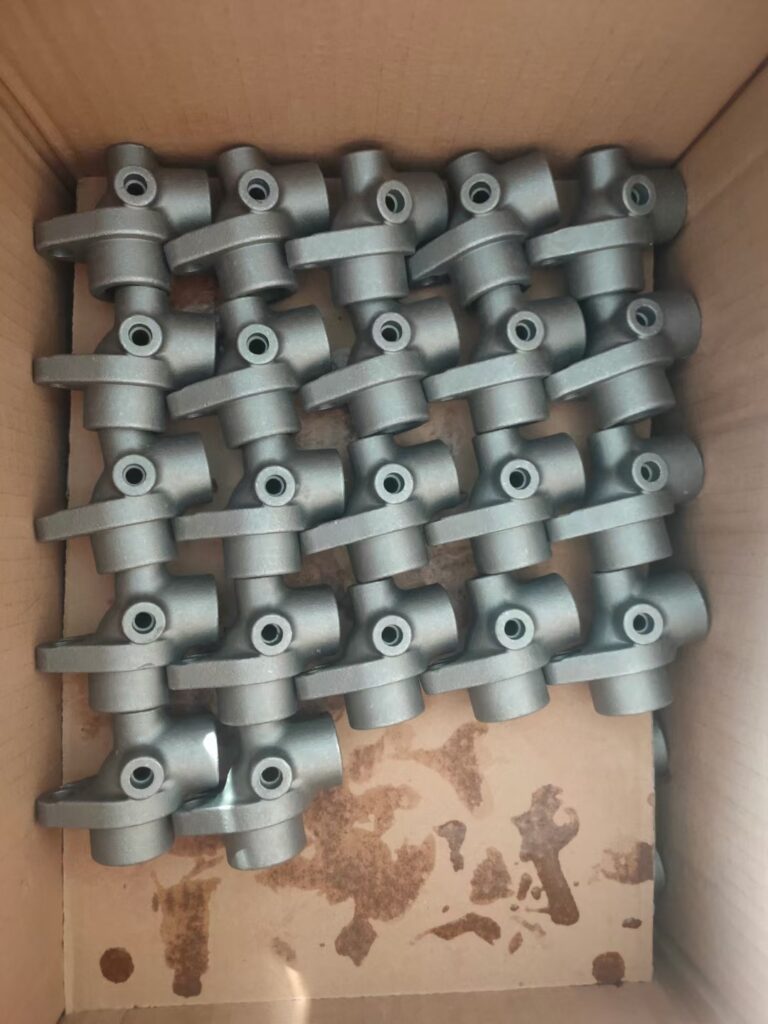
When selecting tool steel, understanding detailed technical data for each grade is key. This includes international designations, chemical makeup, physical and mechanical properties, heat treatment guidelines, hardness ranges, and typical applications. We also stock large sizes and various forms like round bars, flats, plates, and blocks to suit your project needs.
International Designations
| Grade (AISI) | DIN/EN | JIS | GB |
|---|---|---|---|
| D2 | 1.2379 | SKD11 | GCr12 |
| A2 | 1.2363 | SKD12 | GCr12Mo |
| O1 | 1.2510 | SKS3 | 9CrWMn |
| H13 | 1.2344 | SKD61 | CrMoV |
| M2 | 1.3343 / 1.3243 | SKH51 | W18Cr4V |
| S7 | – | – | – |
| P20 | 1.2311 | – | – |
Chemical Composition Snapshot (%) — Example for D2 and H13
| Element | D2 | H13 |
|---|---|---|
| C | 1.5–1.6 | 0.32–0.45 |
| Cr | 11.5–13 | 4.75–5.5 |
| Mo | 0.7–1.2 | 1.1–1.75 |
| V | 0.9–1.4 | 0.8–1.2 |
| Mn | 0.3 | 0.2–0.5 |
| Si | 0.3 | 0.8–1.2 |
Physical Properties
| Property | D2 | H13 |
|---|---|---|
| Density (g/cm³) | 7.6 | 7.8 |
| Thermal Conductivity (W/m·K) | 19 | 28 |
| Coefficient of Thermal Expansion (CTE, µm/m·°C) | 11.3 | 12.3 |
| Modulus of Elasticity (GPa) | 210 | 205 |
Mechanical Properties (Typical)
| Grade | Annealed Hardness (HRC) | Hardened Hardness (HRC) |
|---|---|---|
| D2 | 55 | 60-62 |
| A2 | 55 | 58-60 |
| O1 | 40 | 58-62 |
| H13 | 25 | 48-52 |
| M2 | 36 | 63-65 |
| S7 | 28 | 50-56 |
| P20 | 22 | 30-36 |
Recommended Heat Treatment
| Step | D2 (°F) | H13 (°F) |
|---|---|---|
| Preheating | 1100–1200 | 1475–1575 |
| Austenitizing | 1850–1900 | 1900–2050 |
| Quenching | Oil or Air | Air or Oil |
| Tempering | 300–400 (3x) | 900–1100 (2x) |
Achievable Hardness Range
- D2: 58-62 HRC (ideal for high wear resistance)
- H13: 48-52 HRC (excellent for hot work applications)
- M2: Up to 65 HRC (high-speed steel)
- S7: 50-56 HRC (shock resistance)
Typical Applications + Industry Examples
- D2: Cutting tools, dies for blanking, shear blades
- A2: Punches, forming dies, gauges
- O1: General-purpose tooling, jigs, dies
- H13: Hot forging dies, extrusion tooling, die casting molds
- M2: High-speed drills, taps, milling cutters
- S7: Impact tools, heavy-duty punches, cold chisels
- P20: Plastic injection mold bases and cores
Stock Sizes & Forms
We supply wide ranges:
- Round bars: Diameters from 1/4″ to 12″+
- Flat bars: Thicknesses from 1/8″ to 4″+
- Plates: Up to 6″ thick and large surface dimensions
- Blocks: Custom cut sizes available
Our substantial inventory ensures quick turnaround for your tooling projects.
For additional insights into steel types used in tooling and their benefits, you might find helpful information in our guide comparing cast materials with aluminum alloys used in tooling applications.
This detailed grade-by-grade data will help you precisely match your project requirements with the right tool steel, verified by international standards and backed by tested mechanical and physical properties.
Tool Steel Selection Guide: Pick the Right Grade for Your Application
Choosing the right tool steel grade depends heavily on your specific application. Here’s a quick decision matrix to help you match the best steel type with common uses like blanking, forming, extrusion, injection molding, and forging dies.
| Application | Recommended Grades | Key Reasons |
|---|---|---|
| Blanking | D2, A2, O1 | High wear resistance, good toughness |
| Forming | A2, O1, S7 | Balanced hardness & toughness, shock resistant |
| Extrusion Dies | H13, 1.2344 (DIN), M2 | Excellent thermal fatigue resistance, hot work capability |
| Injection Molding | P20, 420 modified | Good machinability, corrosion resistance |
| Forging Dies | H13, S7, M2 | High toughness, wear & heat resistance |
| Cutting Tools | M2, D2, A2 | Superior hardness & wear resistance |
| Plastic Molds | P20, 1.2311 (pre-hardened) | Easy to machine, consistent dimensional stability |
How to Decide?
- Wear Resistance Needed?Look at D2 or M2 for extremely hard, wear-resistant tools.
- Impact & Shock Loads?Choose S7 or A2 for toughness to prevent cracking.
- High Heat Applications?Go with H13 or M2, built to handle hot work & thermal fatigue.
- Machinability & Surface Finish?P20 and 420 modified offer good finishes for molds with some corrosion resistance.
- Dimensional Stability After Heat Treat?Consider 1.2311 pre-hardened steels for easier machining and minimal distortion.
This matrix helps simplify the complex selection process, but remember heat treatment and surface coatings will further influence tool performance. For injection molding specifics, check out our detailed low volume injection molding guide for best practices.
By matching tool steel grades to your needs, you’ll extend tool life and get better part quality with less downtime.
Heat Treatment of Tool Steel – Best Practices
Heat treatment is key to unlocking the full potential of tool steel material properties. Properly done, it ensures ideal hardness, toughness, and wear resistance for your application. Here’s a straightforward guide to best practices, tempering curves, and common pitfalls to avoid.
Step-by-Step Heat Treatment Guidelines
- PreheatingHeat the tool steel gradually to around 1,200°F–1,400°F (650°C–760°C) to reduce thermal shock and minimize distortion. Preheating helps prevent cracking during higher temperature treatments.
- Austenitizing (Hardening)Raise the temperature to the steel’s austenitizing range (typically 1,700°F–2,100°F or 925°C–1,150°C, depending on grade). Hold long enough for uniform heating—usually 20–40 minutes per inch of thickness. Use oil, air, or gas quenching based on the steel type (e.g., H13 is air-hardened; D2 requires oil quenching).
- QuenchingRapid cooling locks in the hard microstructure. The method varies:
- Oil quenching for grades like D2 and O1.
- Air quenching for air-hardening steels like A2 or H13.
- Gas or vacuum quenching for clean, distortion-free parts.
- TemperingTemper immediately after quenching to reduce brittleness. Tempering temperatures typically range from 350°F to 1,100°F (175°C to 600°C), depending on desired hardness and toughness. Repeat tempering (double or triple) is common for stable properties. Use tempering curves specific to the steel grade to target the right balance of hardness and toughness.
Understanding Tempering Curves
Tempering curves plot hardness against tempering temperature. They show how hardness drops as you increase heat, revealing a sweet spot where toughness improves without too much hardness loss. For example, D2 tool steel might drop from HRC 62 at low tempering to HRC 58 at moderate tempering—ideal for many die applications.
Common Heat Treatment Pitfalls to Avoid
- Skipping Preheat: Leads to cracking and distortion.
- Wrong Quench Medium: Using air instead of oil on steels needing oil quench can cause incomplete hardening.
- Overheating During Austenitizing: Excessive temperature causes grain growth, reducing toughness.
- Insufficient Tempering: Leaves tools brittle, prone to cracking during use.
- Tempering at Too High a Temperature: Causes excessive softening, reducing wear resistance.
Following these best practices ensures your tool steels deliver peak performance, long life, and reliable results. For tailored heat treatment advice on grades like H13 or M2, consulting a detailed tool steel heat treatment guide is highly recommended.
For machining and precision work, consider pairing heat-treated steels with advanced processes described in our mastering horizontal milling machines guide for precision and efficiency to achieve optimal final results.
Machining & Grinding Recommendations for Tool Steel
When working with tool steel, proper machining and grinding settings are crucial to avoid tool wear, maintain dimensional accuracy, and achieve a good surface finish. Here’s a quick guide covering cutting speeds, feeds, and EDM parameters for popular tool steels.
Cutting Speeds and Feeds
| Grade | Cutting Speed (SFM) | Feed Rate (IPR) | Notes |
|---|---|---|---|
| D2 | 40 – 70 | 0.002 – 0.005 | High wear resistance; use rigid setups |
| A2 | 60 – 90 | 0.003 – 0.006 | Easier to machine than D2 |
| O1 | 80 – 120 | 0.004 – 0.008 | Good machinability |
| H13 | 80 – 150 | 0.004 – 0.010 | Air-hardening; use coolant |
| M2 | 100 – 180 | 0.003 – 0.007 | Requires sharp tools, coolant recommended |
| S7 | 70 – 110 | 0.003 – 0.006 | Tough, shock-resisting |
| P20 | 90 – 130 | 0.004 – 0.008 | Pre-hardened grade, easy to machine |
| 1.2344 (H13 equivalent) | 80 – 150 | 0.004 – 0.010 | Widely used hot work steel |
Note: Always use flooded coolant or appropriate lubrication to reduce heat and tool wear during machining.
Grinding Parameters
| Grade | Wheel Type | Wheel Speed (RPM) | Downfeed (IPR) | Dressing Interval |
|---|---|---|---|---|
| D2 | CBN (cubic boron nitride) | 3000 – 3500 | 0.0002 – 0.0005 | Frequent |
| A2 | Aluminum Oxide | 2500 – 3000 | 0.0003 – 0.0006 | Moderate |
| O1 | Aluminum Oxide | 2500 – 3000 | 0.0004 – 0.0008 | Moderate |
| H13 | CBN / Aluminum Oxide | 3000 – 3500 | 0.0003 – 0.0007 | Frequent |
| M2 | CBN | 3000 – 3500 | 0.0002 – 0.0005 | Frequent |
| S7 | Aluminum Oxide | 2500 – 3000 | 0.0003 – 0.0007 | Moderate |
| P20 | Aluminum Oxide | 2500 – 3000 | 0.0004 – 0.0008 | Moderate |
Using CBN wheels is preferred for hard grades like D2 and M2 for faster removal and cooler grinding.
EDM Parameters (Electrical Discharge Machining)
- Tool Electrode Materials: Copper or graphite, depending on precision and surface finish needed.
- Pulse On Time: Short pulses (10-30 µs) for fine finishes; longer pulses (50–100 µs) for roughing.
- Discharge Current: 3–15 amps for fine machining; up to 30 amps for rougher cuts.
- Servo Feed Rate: Moderate to high feed rate to maintain spark gap; adjust to avoid arcing.
- Dielectric Fluid: Use deionized water or specific EDM fluids for effective debris removal.
EDM is ideal for complex or hard-to-machine tool steel shapes, especially for hard grades like H13 and M2.
Optimizing your cutting speeds, feeds, grinding setups, and EDM settings based on tool steel grade will extend tool life and improve efficiency. For practical machining insights, check our guide on CNC milling and precision machine processes.
Surface Treatments & Coatings for Extended Tool Life
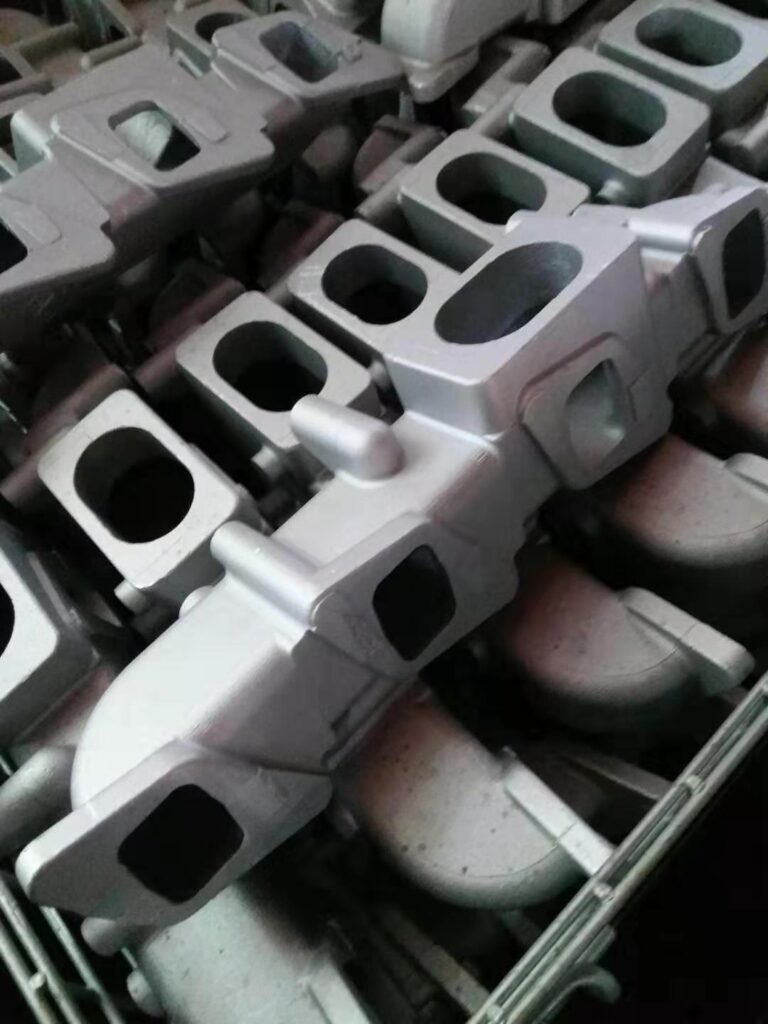
To get the most out of your tool steel materials, surface treatments and coatings play a vital role in boosting durability and performance. These processes help reduce wear, improve hardness, and protect against corrosion or heat damage.
PVD Coatings (TiN, TiAlN, CrN)
Physical Vapor Deposition (PVD) coatings like Titanium Nitride (TiN), Titanium Aluminum Nitride (TiAlN), and Chromium Nitride (CrN) are popular options. They provide a hard, thin layer that:
- Increases wear resistance
- Reduces friction
- Enhances heat resistance, especially important for high-speed steels like M2
- Improves tool lifespan in demanding applications such as stamping, forming, and cutting
Nitriding
Nitriding is a heat treatment that diffuses nitrogen into the surface of the steel, forming a hard, wear-resistant layer without the need for further coating. It’s excellent for:
- Improving surface hardness and fatigue resistance
- Extending the life of dies and punches without sacrificing core toughness
- Retaining dimensional stability
This method is often used for grades like H13 and S7 that work under repeated thermal and mechanical stress.
Diamond-Like Carbon (DLC)
DLC coatings are amorphous carbon layers that mimic diamond properties. Their benefits include:
- Exceptional hardness with low friction
- Resistance to wear and galling
- Corrosion resistance, useful for tool steels exposed to harsh environments
DLC is especially useful for plastic mold steels like P20, where sticking and wear are concerns.
By choosing the right surface treatment or coating for your tool steel, you can significantly extend tool life, maintain precision, and reduce downtime. For details on dimensional stability and tolerance considerations when working with heat-treated steels, check out our detailed tolerance allowance explained guide.
Certifications & Quality Assurance
In the U.S. market, quality and consistency are key when choosing tool steel materials. That’s why reputable tool steel suppliers provide Mill Test Certificates (MTCs) with every batch. These certificates verify the chemical composition, mechanical properties, and heat treatment status, ensuring you get exactly what you ordered.
Most tool steel materials conform to ISO 9001 quality management standards, which means the manufacturing process follows strict guidelines for reliability and traceability. This helps reduce variability and boosts confidence in the product’s performance.
Compliance with ASTM and AISI standards is another critical factor. These standards define accepted chemical and mechanical properties for tool steel grades, making it easier for manufacturers and engineers to select the right material for specific applications — whether it’s cold work, hot work, or high-speed tool steel.
If you want peace of mind for your projects, always check for certified steel supplies that back their product with full mill test reports and meet these recognized standards. This approach helps you avoid surprises and ensures your production process runs smoothly.
Stock Availability & Custom Cutting Services
We keep a broad inventory of popular tool steel grades in various sizes ready for immediate delivery, providing you with quick turnaround times when you need it most. Whether you’re looking for round bars, flat bars, plates, or blocks, chances are we have the right size in stock.
Our custom cutting services include precise sawing, milling, and grinding to match your exact project requirements. This means you get clean, ready-to-use pieces that save you time and effort before machining or heat treatment.
Available Stock Sizes:
- Round bars: typically from small diameters up to large-size stocks
- Flat bars and plates: multiple thicknesses and widths
- Blocks: for heavy-duty or prototype tooling
Custom Processing Services:
- Sawing: Accurate sectional cuts with minimal burrs
- Milling: Tight dimensional tolerances for complex shapes
- Grinding: Surface finishes and precise thickness control
With our local cutting and processing options, you avoid shipping delays and get tailored tool steel materials quickly. This is especially important for time-sensitive tooling jobs or when working with high-demand grades like D2, H13, or M2.
If you want to optimize your machining setup, understanding different tooling types and heads can enhance productivity — check out our detailed guide on different types of drill bit heads to help plan your operations better.
We’re here to ensure your tool steel order fits your specifications perfectly and arrives promptly to keep your production moving.
FAQs About Tool Steel Properties
Here are answers to some common questions we get from users about tool steel properties to help you make the right choice.
| Question | Answer |
|---|---|
| What’s the difference between D2 and A2? | D2 is higher in carbon and chromium, giving better wear resistance but less toughness than A2, which is easier to machine and more impact-resistant. |
| Is H13 air-hardening? | No, H13 is a hot work tool steel that typically requires oil or gas quenching. Air hardening is usually for grades like A2 or S7. |
| What’s the max working temperature for M2? | M2 can handle around 1100°F (593°C) before losing hardness, making it great for high-speed cutting tools. |
| Which grade offers the best toughness? | Shock-resisting steels like S7 have superior toughness to resist impact and shock loads. |
| Can D2 rust easily? | Yes, D2 has moderate corrosion resistance due to its high chromium but it can still rust if not maintained properly. |
| What is the typical hardness range for O1? | O1 usually achieves from 57 to 62 HRC after heat treatment. |
| Is P20 suitable for plastic molds? | Yes, P20 is commonly used for plastic mold tooling due to good machinability and decent wear resistance. |
| How to choose between cold work and hot work tool steel? | Use cold work steels like D2 or A2 for room temperature tools, and hot work steels like H13 for high temperature applications. |
| Does the chemical composition affect machinability? | Absolutely, higher carbon and alloying elements typically reduce machinability but improve wear resistance. |
| What does “air hardening” tool steel mean? | It means the steel can reach full hardness just by cooling in air after heat treatment, simplifying the process. |
If you want more detailed technical specs or help picking the right grade for your project, feel free to contact us via live chat or request a quote.
For a deeper breakdown on selecting the right tool steel and understanding fits and tolerances in your tooling, check our detailed engineering fit guide.
Related Products & Resources
For easy access to detailed tool steel information, we offer a Downloadable PDF Catalog packed with technical specs, chemical compositions, mechanical properties, and heat treatment guidelines for all major grades. This comprehensive catalog helps you quickly compare different materials and select the best grade for your application.
Additionally, our Hardness Conversion Table makes it simple to switch between common hardness scales (HRC, HRB, Vickers, Brinell), an essential tool when verifying material specs or planning heat treatments.
We also provide a handy Tempering Parameter Calculator link, designed to help adjust tempering temperatures and times for optimal toughness and stability tailored to your specific tool steel grade.
These resources support informed decisions and maximize efficiency, ensuring you get the right tool steel with precise properties.
For more precise machining and preparation tips, check out our guide on how to measure a screw thread accurately with calipers and gauges to maintain quality standards throughout manufacturing.
Get Your Tool Steel Quote Today
Ready to find the perfect tool steel grade for your project? Request a fast, no-obligation quotation now! Whether you need D2, H13, M2, or any other popular grade, our team is here to help you choose the right material with the right specs.
For instant material recommendations, you can also reach out via live chat, WhatsApp, or email. We’ll guide you through grades, heat treatment options, and delivery details so you get exactly what you need—on time and on budget.
Don’t wait—contact us now and get started with top-quality tool steel for your application!
 English
  Spanish (Peru)
  German
  Korean
  Spanish (Spain)
  Italian