
Discover alu cast metal processes, alloys, and benefits for lightweight durable parts in automotive aerospace and sustainable manufacturing.
What is Aluminum Cast Metal Demystifying the Basics
Wondering what makes aluminum cast metal so popular in manufacturing? At its core, aluminum cast metal refers to aluminum alloys specifically designed for casting processes. Unlike pure aluminum, these alloys include metals like silicon, copper, magnesium, or zinc. Adding these elements improves the metal’s strength, fluidity, and overall casting performance.
Core Concept and Alloying for Casting
Casting aluminum involves melting the alloy and pouring it into molds to create complex shapes that are tough to achieve with other methods. Common alloys like Silumin—an aluminum-silicon blend—are prized for their excellent casting properties including easy mold filling and minimal shrinkage.
Key Properties of Aluminum Cast Metal
- Lightweight: Aluminum alloys have a low density, reducing weight in automotive and aerospace parts.
- Corrosion Resistance: They naturally resist rust and oxidation, ideal for outdoor and marine uses.
- Thermal Conductivity: Aluminum efficiently transfers heat, useful in engine parts and heat exchangers.
Difference from Wrought Aluminum
Wrought aluminum is shaped by rolling or extrusion, producing sheets, plates, or bars. These methods limit design complexity but enhance ductility and surface finish. Casting, on the other hand, lets you create intricate shapes with internal cavities, ideal for custom or complex components.
Local Usage and Custom Parts Search Tips
If you’re looking for custom aluminum cast metal parts in the US, try searching “alu cast metal + custom + factory” along with your location. This helps find local foundries offering tailored services and faster turnaround times.
Alloy Families Infographic
To better understand the variety of aluminum casting alloys, visualize the main families by dominant elements like silicon, copper, magnesium, and zinc. Each family offers specific benefits suited for different casting needs, from high strength to excellent corrosion resistance.
In , aluminum cast metal combines smart alloying with flexible casting to offer lightweight, durable, and complex parts suited for countless industries. Knowing these basics helps you make smarter sourcing decisions and leverage local foundries for custom projects.
Types of Aluminum Casting Processes Choosing the Right Method for Your Project
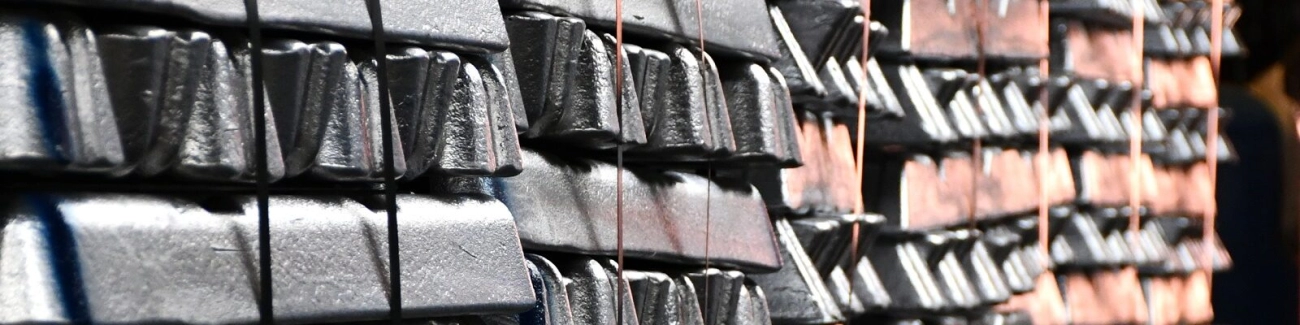
When working with alu cast metal, picking the right casting process is key to getting the quality you want without breaking your budget. Each method affects the outcome, cost, and what shapes you can achieve.
Sand Casting is one of the most common and cost-effective ways to cast aluminum. It’s great for low-volume parts and larger sizes. The sand forms a mold around the pattern, but the surface finish isn’t as smooth, and precision can be limited. This method works well for custom alu cast metal parts made locally or by smaller China factories focusing on flexibility.
Die Casting uses high or low pressure to push molten aluminum into steel molds. This gives you high-precision parts with smooth surfaces and tighter tolerances. It’s excellent for complex, thin-walled die cast components in automotive or aerospace industries. Keep in mind, die casting involves higher upfront costs due to mold creation but pays off with large runs and faster production.
Gravity Die Casting drops molten metal by gravity into reusable metal molds. This method strikes a balance between sand and die casting with decent detail and good surface finish. It’s perfect if you need moderate volumes and want durable cast aluminum alloys with less porosity than sand casting.
Investment Casting allows for intricate, detailed shapes by using wax patterns covered in ceramic molds. This process is slower and costlier but shines with precision parts and complex designs in consumer goods or aerospace sectors where quality counts.
Here’s a quick look at the main processes:
| Casting Method | Cost | Precision | Surface Finish | Best For |
|---|---|---|---|---|
| Sand Casting | Low | Moderate | Rough | Prototypes, large parts |
| Die Casting | High upfront | High | Smooth | Mass production, complex parts |
| Gravity Die Casting | Moderate | Moderate-high | Good | Medium volumes, automotive parts |
| Investment Casting | High | Very High | Excellent | Intricate parts, aerospace |
If you’re interested in DIY projects, Vast offers beginner kits for backyard aluminum casting. It’s a fun way to learn the basics, try sand or gravity casting, and explore custom alu cast metal parts in small batches.
Whatever your project, matching the casting technique to your needs helps get the best results in quality, cost, and delivery.
Benefits and Applications Why Aluminum Cast Metal Dominates Modern Manufacturing
Aluminum cast metal is a clear favorite in modern manufacturing thanks to its mix of performance and cost advantages. It offers strong cost efficiency by reducing raw material expenses and energy use compared to other metals, making it easier on budgets and the environment.
Its lightweight nature helps improve fuel efficiency in automotive and aerospace industries, while still providing excellent durability and fatigue resistance. Aluminum casting also stands out for machinability, allowing manufacturers to shape parts precisely without wasting time or materials.
You’ll find aluminum cast metal used widely across sectors like automotive parts, aerospace components, consumer goods, and electronics due to these strengths. Plus, its recyclability adds a big sustainability boost. Aluminum scrap can be reused repeatedly without loss of quality, which supports the circular economy and cuts waste.
Key Benefits of Aluminum Cast Metal
- Cost Efficiency: Lower material and processing costs
- Energy Savings: Uses less energy than steel or other metals
- Lightweight: Improves performance in vehicles and aerospace
- Durability: High fatigue resistance for long-lasting parts
- Machinability: Easy to shape and finish precisely
- Sustainability: Fully recyclable with minimal quality loss
- Wide Applications: Automotive, aerospace, consumer products, electronics
These benefits make aluminum cast metal the go-to for industries looking to balance cost, quality, and sustainability right here in the US.
Common Challenges and Solutions in Aluminum Cast Metal Production
Working with aluminum cast metal isn’t without its headaches. Some common issues you’ll run into include porosity, hot cracking, and shrinkage. These defects can affect the strength and appearance of parts, especially for custom alu cast metal projects made in the USA.
Common Defects and Their Causes
| Defect | Symptoms | Causes | How to Fix |
|---|---|---|---|
| Porosity | Small holes or bubbles in metal | Gas entrapment, improper venting | Improve mold venting, use degassing treatments |
| Hot Cracking | Cracks appear during solidification | Thermal stress, incorrect alloy | Adjust cooling rates, select better alloys |
| Shrinkage | Volume reduction causing voids | Improper mold design or cooling | Optimize mold design, apply risers |
Practical Solutions
- Alloy Choices: Using the right cast aluminum alloys tailored for your project reduces risks. Some alloys handle stress and cooling better, lowering crack risks.
- Simulation Tools: Casting simulations help predict where defects might form, letting you fix issues before production.
- Post-Treatments: Heat treatments and machining smooth out imperfections and improve mechanical properties, especially for precision parts.
Quality Assurance and Local Fabricator Tips
If you’re sourcing aluminum foundry services locally, ask about their quality checks. Reliable fabricators run inspections like X-rays or ultrasonic testing to catch hidden faults early. Transparency about processes means better trust and fewer surprises.
By understanding these issues and working with experienced custom alu cast metal factories, you get stronger, cleaner parts built right for your needs.
The Future of Aluminum Cast Metal Innovations and Trends with Vast
Looking ahead, aluminum cast metal is shaping up to be a game-changer in manufacturing, especially here in the U.S. One big trend is additive manufacturing—basically 3D printing with metal. This tech lets us create complex aluminum cast parts faster and with less waste. Plus, AI-driven alloy optimization is helping factories like Vast tailor aluminum blends for better strength, corrosion resistance, and cost-efficiency.
Sustainability is a major focus. Aluminum’s natural recyclability fits perfectly with the circular economy model, where materials are reused instead of discarded. Vast’s proprietary casting methods also reduce scrap and energy use, cutting down environmental impact.
The electric vehicle (EV) industry is driving demand too. Lightweight aluminum cast parts help improve battery range and vehicle efficiency, aligning with the nation’s push for net-zero emissions. With these innovations, aluminum cast metal is not just keeping up—it’s leading the way in clean, smart manufacturing.
 English
  Spanish (Peru)
  German
  Korean
  Spanish (Spain)
  Italian