
Discover the key differences between boring vs drilling for precision machining speed accuracy and cost efficiency in your projects.
The Fundamentals Drilling Explained Step-by-Step
Definition and Process
Drilling is the process of creating a round hole in a solid material using a rotating cutting tool called a drill bit. Typically, it starts with a pilot hole, and the drill bit removes material by cutting spirals or chips away as it advances. This method is common for everything from setting screws to starting holes for bolts or pipes.
Tools and Setup
The most common tool for drilling is a handheld or machine-mounted drill press equipped with various drill bits designed for specific materials like metal, wood, or plastic. Setup involves securing the workpiece firmly and selecting the right drill bit size and type. Proper speed settings and lubrication are critical, especially when dealing with metals, to avoid bit deflection and overheating.
Advantages
- Speed: Drilling is quick and efficient for creating holes.
- Versatility: Works on a wide range of materials and thicknesses.
- Accessibility: Plenty of tool options from handheld drills to CNC machines.
- Cost-Effective: Drill bits and machines are generally affordable and widely available.
Limitations
- Precision: Less accurate hole sizing compared to boring; you might need reaming for tight tolerances.
- Hole Quality: The surface finish (Ra values) can be rough, potentially requiring secondary finishing.
- Bit Deflection: Especially in deep or hard materials, drill bits can wander, causing off-center holes.
- Size Restrictions: Large diameter holes may require multiple passes or drilling followed by boring.
Pro Tip
Start with a smaller pilot hole before drilling the final size. This helps stabilize the bit, reduces deflection, and improves accuracy. Also, use cutting fluid when drilling metal to extend tool life and ensure a cleaner hole. If you’re dealing with close machining tolerances, consider combining drilling with precision reaming or boring as your next step.
Next up, let’s dive into boring — the go-to method for achieving precise, smooth enlargements.
The Fundamentals Boring Demystified for Accurate Enlargements
Definition and Process
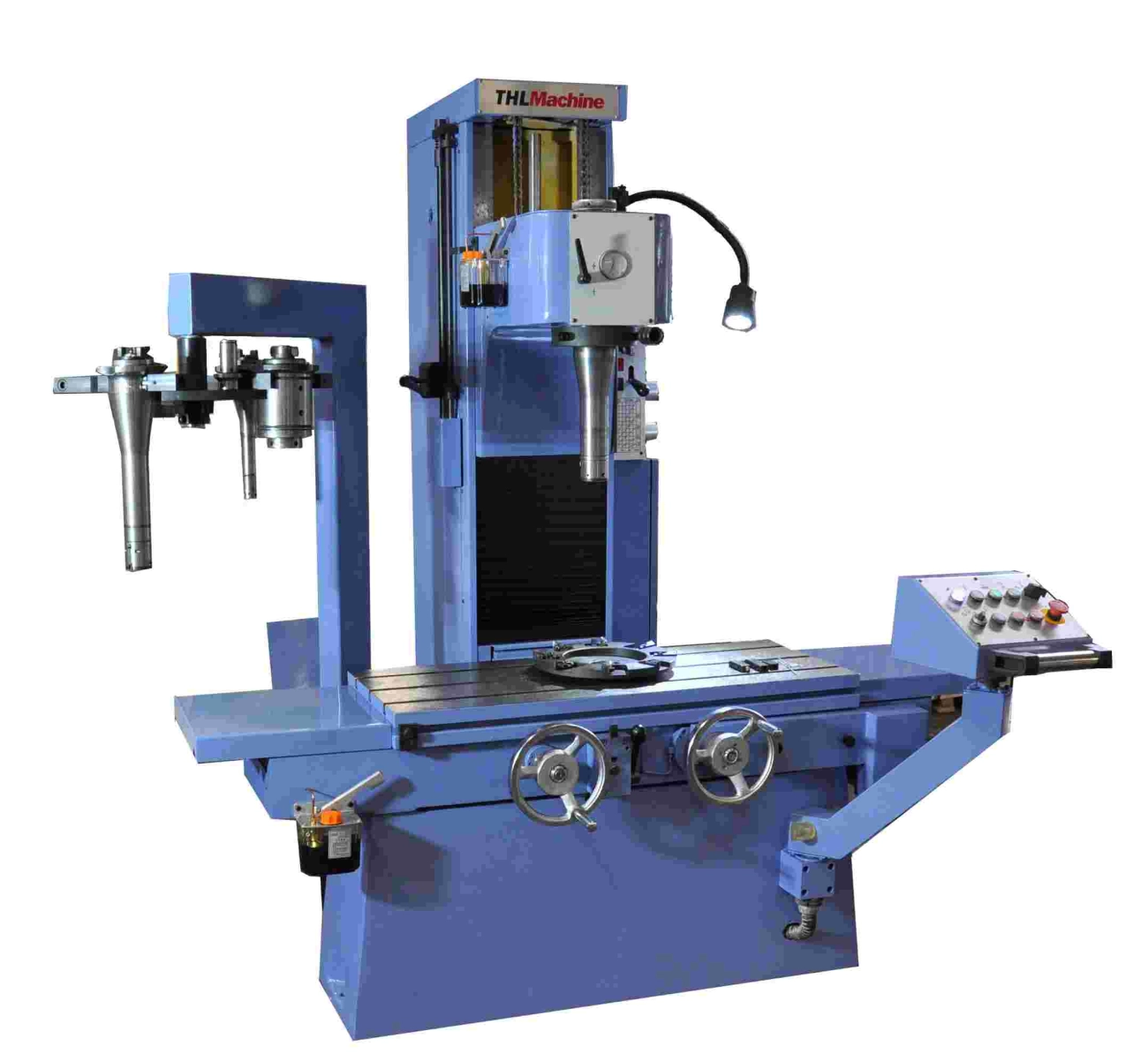
Boring is a machining process used to enlarge existing holes with high precision and better surface finish. Unlike drilling, which creates new holes, boring focuses on making holes larger, improving size accuracy and roundness. It typically follows a pilot hole made by drilling. The boring tool rotates inside the hole, cutting away material gradually to reach the desired diameter and finish.
Tools and Setup
Boring requires specialized boring bars or boring heads attached to machines like lathes, milling machines, or CNC equipment. Because boring bars must be rigid to avoid deflection, setup is crucial—securing the workpiece firmly and aligning the tool precisely ensures consistent and smooth cuts. Adjustable boring heads allow fine-tuning the size during the process to hit tight machining tolerances.
Advantages
- Highly accurate enlargements compared to drilling
- Improved surface finish with lower Ra values
- Better control over hole roundness and dimensions
- Suitable for press fit bores and precision reaming techniques
- Can correct slight imperfections from initial drilling
Limitations
- Requires an existing hole to enlarge
- Usually slower than drilling due to precision cuts
- Setup and tooling can be more complex and costly
- Not ideal for creating small or deep holes without advanced machinery
Pro Tip
Start boring with a slightly smaller tool diameter and gradually increase size for best control. Using a pilot hole drilled precisely will reduce boring bar deflection and help achieve tighter machining tolerances. Always check surface finish regularly to ensure it meets your project requirements.
Head-to-Head Comparison Boring vs Drilling Across Key Metrics
Core Differences Table
| Aspect | Drilling | Boring |
|---|---|---|
| Purpose | Creating initial holes | Enlarging and finishing holes |
| Accuracy | Moderate to low precision | High precision and tight tolerances |
| Tool Rigidity | Drill bits can flex or deflect | Boring bars are more rigid |
| Surface Finish | Rougher, often requires reaming | Smooth, better surface finish (Ra values) |
| Setup Complexity | Simple setup | Requires precise alignment |
| Hole Size | Limited by available drill bit sizes | Customizable hole sizes |
| Speed | Faster for initial hole creation | Slower, focused on accuracy |
When to Drill
- Starting a Hole: Drilling is your go-to for making initial holes, especially in softer metals or wood.
- Speed Needed: When you need to quickly create a hole without needing tight tolerances.
- Material Flexibility: Works well across a wide range of materials and thicknesses.
- Pilot Holes: Great for creating pilot holes before using larger tools.
When to Bore
- Accuracy and Finish: Use boring when you want precise hole diameter and high-quality surface finish.
- Hole Enlargement: Ideal for enlarging existing holes, especially after drilling or casting.
- Tight Tolerances: Necessary in machine shops or manufacturing where machining tolerances comparison matters.
- Press Fit Holes: Creates holes designed for press fits or special fittings.
Hybrid Approaches
- Drill First, Then Bore: Common practice is to drill a pilot hole, then bore it out to the exact dimensions.
- Multi-Step Processes: In CNC machining, drilling followed by precision reaming and boring can achieve the best results.
- Material-Specific Techniques: Sometimes drilling with directional drilling methods is combined with boring for complex parts.
Decision Framework
- Assess Accuracy Needs: If you need precision and smooth finish, lean toward boring.
- Consider Speed and Cost: Drilling is faster and cheaper for basic holes.
- Review Material and Hole Size: Hard materials and larger holes often require boring after drilling.
- Evaluate Equipment Available: Do you have access to boring bars or just drill bits?
- Project Scope: For large-scale manufacturing, boring ensures consistency; for quick prototypes, drilling may suffice.
By weighing these factors, you can choose the best method or combination for your project, balancing accuracy, speed, and cost-effectiveness.
Real-World Applications Where Boring and Drilling Shine and Overlap

Manufacturing Industries
In manufacturing, both boring and drilling play crucial roles. Drilling is often used for creating initial holes quickly, while boring steps in to enlarge those holes with precision for press fit bores or tight machining tolerances. For example, automotive and aerospace sectors rely heavily on boring bars to improve surface finish Ra values and ensure proper alignment in engine components. CNC hole enlargement processes commonly combine both methods for efficiency and accuracy.
Hobby and Small-Scale
For hobbyists and small-scale projects, drilling is usually the go-to method due to its simplicity and speed. When more accuracy is needed, such as in custom woodworking or metalworking, boring becomes valuable for precision reaming techniques or fine adjustments. Directional drilling methods can be handy in model building or DIY repairs where exact hole size and alignment matter.
Emerging Contexts
New technology sectors like robotics and renewable energy are fueling fresh demand for both boring and drilling. As components get smaller and more complex, combining directional drilling methods with boring allows for better surface finish and tighter machining tolerances. Hybrid approaches also help in 3D printing setups where CNC adjustments refine hole accuracy after initial drilling.
Vast Spotlight
Overall, boring and drilling aren’t exclusive—they complement each other across industries. Whether it’s metal hole finishing in heavy machinery or careful pilot hole creation for fabrication, each method has its place. Understanding when to use each or apply both together ensures quality results without sacrificing speed or cost.
Tools Best Practices and Common Pitfalls to Avoid

Essential Gear
For drilling, having the right drill bits is key. Use sharp, high-quality bits matched to your material—twist drills for metals, spade bits for wood, and carbide tips for tougher surfaces. A stable drill press or CNC machine helps reduce drill bit deflection and maintain accuracy. For boring, a solid boring bar with good rigidity is essential. This ensures precision during CNC hole enlargement and keeps machining tolerances tight. Don’t forget measuring tools like calipers and surface finish gauges to check your bore size and surface finish Ra values.
Optimization Tips
- Always start with a correctly sized pilot hole to guide your drilling or boring tool smoothly.
- For drilling, go slow when entering the material to prevent wandering and heat buildup.
- When boring, regularly check the tool’s alignment and make fine adjustments for direction and depth.
- Use coolant or lubricant to reduce friction and improve surface finish, especially in metal hole finishing.
- Maintain consistent feed rates for both boring and drilling to avoid irregularities and tool wear.
Pitfalls
- Overloading drill bits can cause breakage or excessive wear. Avoid pushing too hard.
- Boring bars that lack proper rigidity will vibrate, leading to inaccurate enlargements and poor surface finish.
- Skipping the pilot hole often leads to off-center holes and poor machining tolerances comparison.
- Poor chip evacuation during drilling can cause heat and damage to the hole’s edge.
- Not monitoring tool wear can cause defects and unsafe conditions over time.
Safety and Sustainability
- Always wear eye and ear protection when drilling or boring. Flying chips and loud noise are common hazards.
- Use clamps or fixtures to secure the workpiece firmly—never hold small parts by hand.
- Dispose of metal shavings and lubricants responsibly to minimize environmental impact.
- Keep tools clean and sharp to extend their life and reduce waste.
- Opt for energy-efficient machines when possible to lower your project’s carbon footprint.
Following these best practices will help you get consistent results whether you’re drilling pilot holes or performing precision reaming techniques with boring tools. Proper care saves time, money, and keeps your work safe.
Choosing the Right Method A Practical Guide for Your Next Project
Cost-Benefit Analysis
When deciding between boring vs drilling, cost is a big factor. Drilling is usually faster and cheaper, especially for simple holes or pilot hole creation. It uses standard drill bits and less setup time. Boring, on the other hand, costs more upfront because of specialized tools like boring bars and longer setup. But if you need tight machining tolerances or smoother surface finish Ra values, boring can save you money by reducing scrap and rework.
Material-Specific Advice
Different materials respond better to one method over the other:
- Soft metals (aluminum, brass): Drilling usually works fine unless you need a precise press fit bore.
- Hard metals (stainless steel, titanium): Boring helps maintain hole accuracy and reduces drill bit deflection.
- Thick or layered materials: Boring is better for enlargements and finishing after drilling a pilot hole.
- Non-metal materials (plastics, composites): Drilling tends to be sufficient unless tight tolerances are critical.
Scaling Up
For larger volume projects or CNC hole enlargement:
- Use drilling for bulk hole creation to save time.
- Switch to boring for high precision finishing.
- Hybrid approaches combine both for efficiency and quality.
- Investing in CNC boring bars with rigidity can improve throughput and consistency.
Interactive Element
Before you start, here’s a quick step-by-step to help you pick:
- Define your hole size and finish needs.
- Consider the material you’re cutting.
- Estimate volume and whether precision matters.
- Calculate your budget vs. quality needs.
Try sketching your workflow: drill pilot holes first, then bore if necessary. This mix often balances speed and accuracy best for most U.S. manufacturing and hobby projects.
 English
  Spanish (Peru)
  German
  Korean
  Spanish (Spain)
  Italian